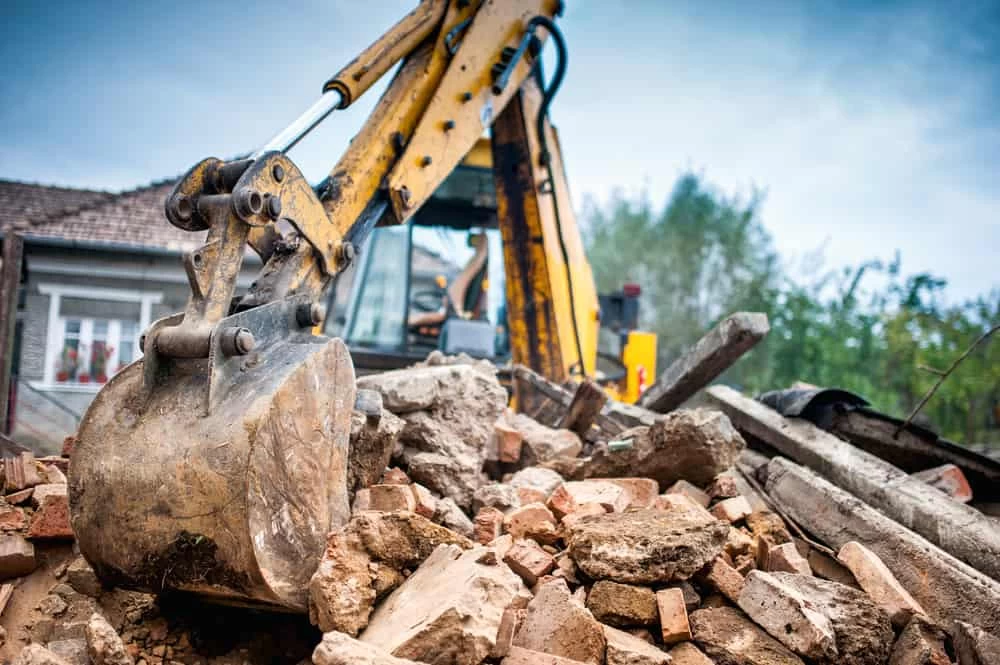
Asbestos abatement in Chelsea doesn’t have to stop your project in its tracks. We get licensed crews on-site fast so your home is safe and your renovation keeps moving.
I needed a professional consultation explanation of procedure for safe removal of Asbestos in my apartment complex. Without having an account yet, I was very impressed with the caring, knowledgeable and generous advice offered by Jessica, and will look forward to doing business in the future. Thank you so much! I feel much more informed about a sometimes scary endeavor. Peace. Nancy Silva Mineola, NY.
Mia Munoz
Used this company to clean up some water flood in my house. They were fast and easy to work with.very professional, Would recommend to anyone!
Nini Valle
Great company, had a flood and they responded quickly and efficiently. Billed my insurance company directly. I highly recommend this company!
joe colapietro, jr
I had pipe freeze in my basement right before a snow storm and they made to within an hour to help start the clean up process. They we by our side throughout the entire process and even helped with the insurance company. They did such a great job with the cleanup, repair, remidiation, I contracted them to perform the repairs and finishes in the basement. They came with enough manpower and material to get the job done. Leo and Jessica were nothing but a pleasure to deal with!!
Cristian Arredondo c
I had some water damage in my home and Green Island was able to take care of my issue quickly and effectively. I am very pleased with the work they did. They responded quickly and were very professional.
Michael M
Outstanding service! From the office to the field crew everyone was friendly, helpful and responsive. I highly recommend Green Island Group.
Most Chelsea homeowners don’t find out they have asbestos because they went looking for it. They find out mid-renovation when a contractor pulls up old floor tiles, cuts into a basement wall, or starts work on a popcorn ceiling in a home built in the 1960s. The project stops. The crew goes idle. And suddenly you’re scrambling to figure out what happens next.
When the abatement is done right, you get your timeline back. You get air clearance documentation that proves the space is safe not just a contractor’s word for it, but a certified lab result you can hand to your renovation team, your real estate attorney, or a future buyer. In Chelsea’s current market, where homes along Route 9 and 9D are selling to buyers who know what to ask for, that paperwork is worth real money.
There’s also the water damage angle that a lot of people don’t think about until it’s too late. Chelsea’s position on the Hudson River means older homes here deal with more moisture intrusion, freeze-thaw pipe bursts, and basement flooding than most inland Dutchess County towns. When water hits asbestos-containing pipe insulation or saturates old floor materials, those materials can become friable meaning they start releasing fibers that were previously stable. We handle both the water damage and the asbestos in one call, which matters when you’re dealing with both at the same time.
Asbestos Contractor Serving Chelsea and Dutchess County
5,000 Projects. Zero Shortcuts.
We’ve been doing licensed asbestos abatement work across New York State for over 12 years. More than 5,000 completed projects. Every one of them done under NYS Department of Labor licensing requirements not as a box to check, but because that’s the only legal and responsible way to do this work in New York.
Our team serving Chelsea and the broader Town of Wappinger area knows what’s inside homes built in this part of Dutchess County. The post-war construction boom that shaped neighborhoods along the river and up toward New Hamburg left behind a very specific set of materials 9×9 vinyl floor tiles, boiler pipe insulation, vermiculite in attics, acoustic ceilings and knowing where to look is half the job. We’ve seen all of it.
We’re also MWBE certified and approved for New York State agency projects a credential that requires actual government vetting, not self-certification. If it’s good enough for the state, it holds up for your Chelsea home.
From Discovery to Air Clearance Here's the Sequence
It usually starts with a call. You’ve found something during a renovation, or a contractor flagged a material they weren’t comfortable disturbing. We walk you through what we’re seeing, give you a straight answer about next steps, and schedule a free assessment no commitment required.
From there, we identify what materials are present and where. In Chelsea homes built before 1980, that often means checking floor tiles and their mastic adhesive, any insulation around the boiler or hot water pipes in the basement, attic insulation, and ceiling treatments. If you’re in a unit at Chelsea Cove or a similar multi-unit community, the scope may also include shared building systems boiler rooms, common area flooring, pipe chases. Every project gets a clear scope before any work begins.
Once abatement starts, the work area is contained and sealed to prevent fiber migration. All removed materials are packaged and transported by licensed haulers to approved disposal facilities NYS DEC-compliant, documented, and traceable. After the work is done, post-abatement air clearance testing is conducted. Samples go to a certified lab. When the results come back clean, you get the documentation in hand. That’s when the space is cleared for reoccupancy and your renovation team can come back in. The Town of Wappinger’s building department may require this documentation as part of permitted renovation work we provide everything you need.
We handle the full range of asbestos abatement scenarios that come up in Chelsea and the surrounding Wappinger area. Asbestos tile removal including the 9×9 vinyl tiles and black mastic adhesive that are almost universal in pre-1980 Hudson Valley homes is one of the most common jobs. We also handle asbestos popcorn ceiling removal, pipe and boiler insulation abatement, vermiculite attic insulation, roofing materials, and exterior siding. If the material is in your home and it was built before 1980, we assess and handle it properly.
For renovation-triggered discoveries which are the most common scenario in Chelsea right now, given how many older homes along Route 9 and 9D are being updated by buyers who moved up from the city the priority is getting the abatement done fast without cutting corners. That means proper containment, licensed workers on-site, and a clear timeline so your contractor knows when they can return.
We also handle emergency asbestos situations storm damage, pipe bursts, flooding events that disturb previously stable materials. We’re available 24 hours a day, 7 days a week, and have documented response times as fast as two hours. For Chelsea homeowners dealing with a Hudson River winter that just cracked a pipe wrapped in old insulation, that availability isn’t a bonus it’s the whole point. One call covers the water damage and the asbestos. No coordinating two separate companies on two separate schedules.
Does asbestos removal in Chelsea, NY require a permit from the Town of Wappinger?
It depends on the scope of the work. For renovation or demolition projects that disturb asbestos-containing materials, New York State law requires that the contractor hold a current NYS Department of Labor Asbestos Contractor License and that individual workers on-site hold their own NYS DOL Asbestos Handler certifications. These aren’t optional. Working without them is illegal, and it exposes you as the homeowner to real regulatory liability.
For projects that require a building permit through the Town of Wappinger’s building department, you’ll typically need to provide documentation showing that licensed abatement was performed before certain renovation work can proceed. We handle all of this the licensing documentation, the required notifications, and the post-abatement air clearance results so you have everything the building department needs without having to piece it together yourself.
How much does asbestos removal typically cost for a home in Chelsea?
For a standard residential project in New York, most homeowners pay somewhere between $1,296 and $3,050, with the average landing around $2,170. That said, costs in the Chelsea and Hudson Valley market have increased roughly 8 to 12 percent in the past couple of years driven by updated NYS DOL licensing requirements, higher disposal fees at approved facilities serving this region, and the cost of post-abatement air clearance testing, which is now standard practice on all residential projects.
The actual number for your Chelsea home depends on what materials are present, how many locations are involved, and whether the project is a targeted removal or part of a larger renovation scope. A 1960s home in Chelsea that has floor tiles, pipe insulation, and a popcorn ceiling is going to be a different conversation than a single-room tile removal. We’ll give you a clear, specific number after the free assessment not a range that shifts after the work starts.
What common materials in older Chelsea homes are most likely to contain asbestos?
Homes built in the 1950s through the late 1970s which covers a large portion of the residential housing stock in Chelsea and the broader Town of Wappinger were constructed during the peak era of asbestos use in American building materials. The most common places it shows up: 9-inch by 9-inch vinyl floor tiles and the black mastic adhesive underneath them, pipe and boiler insulation in basements and utility rooms, vermiculite-based attic insulation, popcorn or textured acoustic ceilings, roofing felt and shingles, and certain exterior siding products from that era.
The tricky part is that none of these materials look dangerous. A 1965 floor tile looks like any other old floor tile. Pipe insulation in a basement looks like pipe insulation. You can’t identify asbestos by sight it requires testing by a licensed professional. If your Chelsea home was built before 1980 and you’re planning any renovation that involves disturbing floors, ceilings, walls, or mechanical systems, get it assessed before the work starts. Stopping a renovation mid-project is significantly more disruptive and expensive than testing beforehand.
Can a flooded basement in Chelsea trigger an asbestos problem I didn't know I had?
Yes, and this is one of the more common scenarios we see in homes along the Hudson River corridor. When water saturates older building materials pipe insulation, floor tiles, ceiling tiles it can cause them to become friable, meaning they start to crumble and release asbestos fibers that were previously locked in place and not posing an active hazard. A material that was completely stable last year can become a genuine air quality concern after a basement flood or a freeze-thaw pipe burst.
Chelsea’s location on the river, combined with the age of the housing stock in the Wappinger area, makes this a real and recurring risk especially during winter months when pipes in unheated basement spaces are vulnerable. If your home has experienced water damage and you have any reason to believe asbestos-containing materials were affected, the right move is to call before you start cleanup. Disturbing those materials without proper containment can spread fibers through the rest of the house. We handle water damage and asbestos abatement together, which means you’re not coordinating two separate contractors while your basement sits wet.
Is it safe to stay in my home during asbestos abatement work?
That depends on where the work is happening and how extensive the project is. For a contained, single-room abatement say, floor tile removal in a kitchen or bathroom it’s often possible for occupants to remain in other parts of the home, provided the work area is properly sealed and negative air pressure containment is in place. For larger projects involving multiple areas, HVAC systems, or materials in shared spaces, temporary relocation is typically the safer and more practical choice.
We’ll be upfront with you about this during the assessment. We’ll tell you what the project involves, what the containment plan looks like, and whether staying in the home during the work is reasonable for your specific situation. The post-abatement air clearance test is the definitive answer once the lab results confirm fiber levels are below the safe threshold, the space is cleared for reoccupancy. Until that documentation is in hand, no one should be back in the abated area. For families with young children, that clearance report tends to matter a lot, and we provide it as a standard part of every project.
My renovation contractor found something suspicious in my Chelsea home what should I do right now?
Stop the work in that area immediately. Don’t disturb the material further, don’t try to remove a sample yourself, and don’t let anyone continue working near it until a licensed professional has assessed it. This isn’t overcaution it’s the legally correct response and the one that protects your family and your contractor’s crew.
Call us. We’re available around the clock, and we’ve handled exactly this situation hundreds of times renovation-triggered asbestos discoveries in pre-1980 homes throughout Chelsea and Dutchess County. We’ll come out, assess what’s there, tell you what you’re dealing with in plain language, and give you a clear path forward. The goal is to get your project moving again as fast as possible, with the abatement done properly so there are no liability issues down the line. In Chelsea’s current real estate market, where buyers are sophisticated and inspections are thorough, having a fully documented abatement on record is protection that follows the home not just the renovation.