Cold Spring Harbor Homes Deserve More Than a Guess
If your home was built before 1980, there’s a real chance asbestos is somewhere in it and the only way to know for sure is to test it. We provide licensed asbestos abatement in Cold Spring Harbor, NY, so you can renovate, sell, or simply breathe easier without cutting corners.
I needed a professional consultation explanation of procedure for safe removal of Asbestos in my apartment complex. Without having an account yet, I was very impressed with the caring, knowledgeable and generous advice offered by Jessica, and will look forward to doing business in the future. Thank you so much! I feel much more informed about a sometimes scary endeavor. Peace. Nancy Silva Mineola, NY.
Mia Munoz
Used this company to clean up some water flood in my house. They were fast and easy to work with.very professional, Would recommend to anyone!
Nini Valle
Great company, had a flood and they responded quickly and efficiently. Billed my insurance company directly. I highly recommend this company!
joe colapietro, jr
I had pipe freeze in my basement right before a snow storm and they made to within an hour to help start the clean up process. They we by our side throughout the entire process and even helped with the insurance company. They did such a great job with the cleanup, repair, remidiation, I contracted them to perform the repairs and finishes in the basement. They came with enough manpower and material to get the job done. Leo and Jessica were nothing but a pleasure to deal with!!
Cristian Arredondo c
I had some water damage in my home and Green Island was able to take care of my issue quickly and effectively. I am very pleased with the work they did. They responded quickly and were very professional.
Michael M
Outstanding service! From the office to the field crew everyone was friendly, helpful and responsive. I highly recommend Green Island Group.
Cold Spring Harbor’s housing stock tells a story. Homes here were built across multiple eras some dating back to the early 1800s, many more from the 1950s and 1960s when asbestos use in residential construction was at its peak. That means floor tiles, pipe insulation, popcorn ceilings, and textured plaster in Cold Spring Harbor aren’t just aging they’re potentially hazardous. When you get a proper abatement done, you’re not just clearing a health risk. You’re removing the liability that hangs over every renovation estimate, every buyer’s inspection, and every conversation with your real estate attorney.
For homeowners along the Route 25A corridor and the surrounding North Shore neighborhoods, the coastal climate adds another layer. Salt air and humidity accelerate the breakdown of older building materials including the adhesives and binders that keep asbestos fibers from becoming airborne. A material that tested stable five years ago may not be today. Getting ahead of that, especially before a kitchen gut or a basement remodel, is the difference between a smooth project and a full stop.
The other thing that changes is documentation. After a licensed abatement, you walk away with a post-clearance air monitoring report that satisfies lenders, attorneys, and the Town of Huntington Building Department. In a real estate market where homes regularly trade above a million dollars, that paperwork is worth having in your back pocket long before you need it.
Licensed Asbestos Contractor Cold Spring Harbor, NY
Licensed, Local, and Straight With You
We are a Long Island-based environmental contractor serving Suffolk County, including Cold Spring Harbor and the broader Town of Huntington. Our team is fully licensed by the New York State Department of Labor and operates under Industrial Code Rule 56 the state’s governing standard for asbestos abatement. That’s not a marketing credential. It’s a legal requirement, and it’s one that not every contractor calling themselves an abatement company actually holds.
The work here isn’t outsourced or handed off. Every project is handled by our certified professionals who understand the specific materials common to North Shore homes from original pipe insulation in pre-war estates near Bungtown Road to vinyl floor tiles in mid-century colonials throughout the Cold Spring Harbor school district area. If you’re in Lloyd Harbor, Laurel Hollow, or anywhere else in this ZIP code, our team knows the housing stock and what to look for.
What you get is a contractor who handles the process from first inspection to final clearance report without the runaround.
Asbestos Remediation Process Cold Spring Harbor, NY
No Surprises Here's Exactly How the Work Gets Done
It starts with an inspection. A certified technician walks the property, identifies suspect materials, and collects samples for laboratory analysis. In Cold Spring Harbor homes especially those built between 1940 and 1980 that typically means checking floor tiles and the adhesive beneath them, any insulated pipes or ductwork, ceiling texture, and joint compound. Older properties may have additional materials worth testing, and we flag all of it upfront so nothing catches you off guard mid-project.
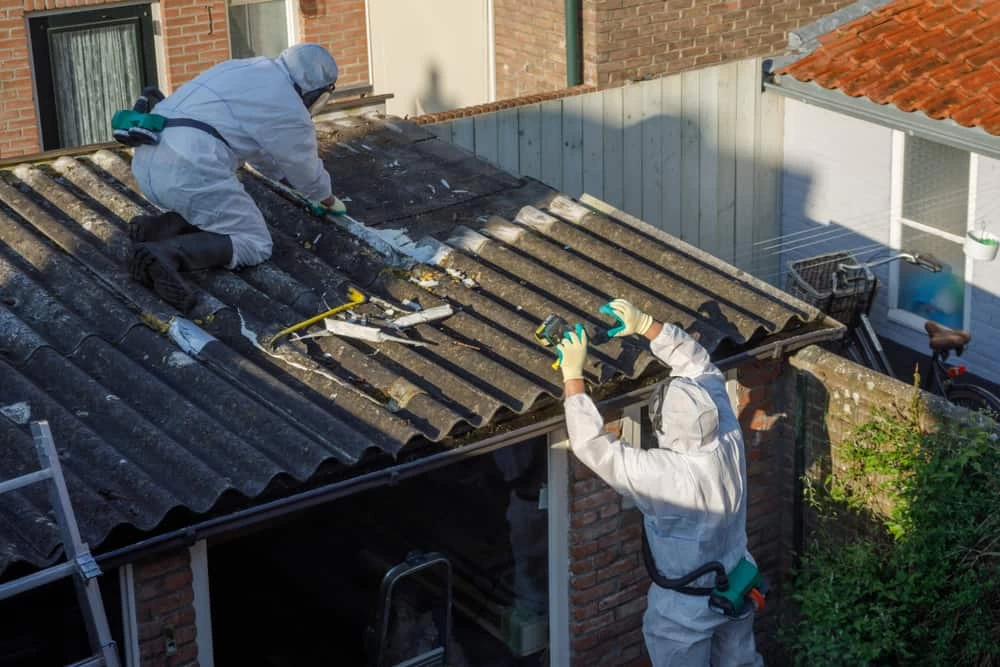
Once results confirm the presence of asbestos-containing materials, the project moves into the abatement phase. The work area is fully contained and sealed off, negative air pressure is established, and removal is carried out by NYS DOL-certified workers following ICR 56 protocols. Because Cold Spring Harbor falls under the Town of Huntington’s jurisdiction, permit coordination runs through the town’s building department alongside the NYS DOL Asbestos Control Bureau a process we handle directly so you’re not chasing paperwork on your own.
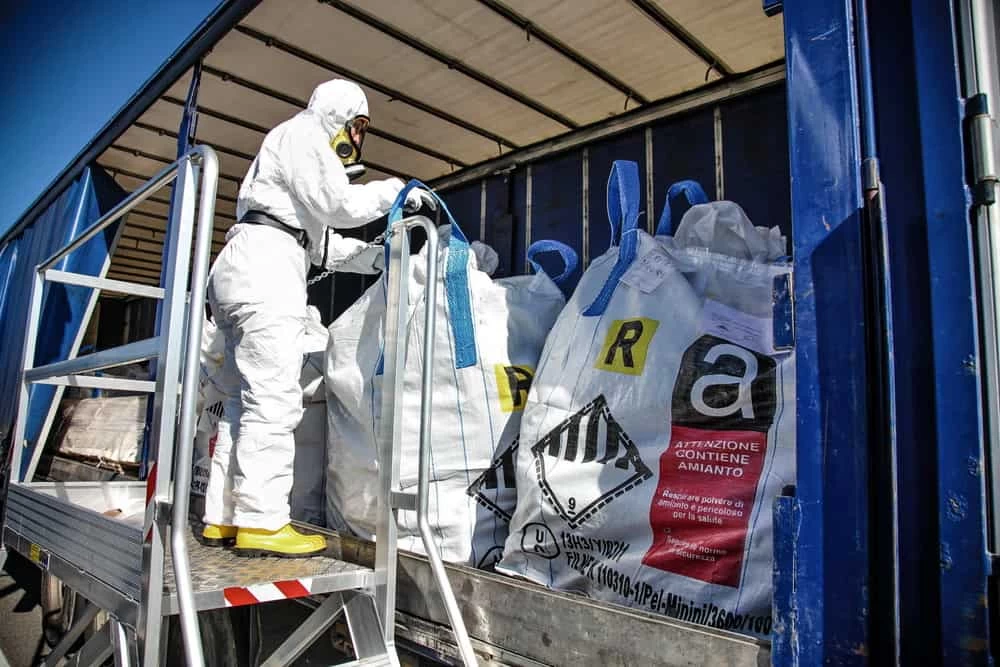
After removal, waste is packaged and transported to Suffolk County-approved disposal facilities with full chain-of-custody documentation. Independent air monitoring is then conducted to confirm the space is clear. You receive a formal clearance report the document your lender, attorney, or contractor will ask for before anyone else enters the space.
Asbestos Testing and Abatement Cold Spring Harbor, NY
Every Material, Every Layer Nothing Left to Chance
Cold Spring Harbor homes aren’t simple. Many have been renovated across multiple decades, which means you can have 1970s floor tile laid over 1950s adhesive, sitting on top of a subfloor that was installed when the house was first built. Our abatement services cover the full range of materials commonly found in North Shore residential properties: vinyl floor tiles and black mastic adhesive, pipe and duct insulation, acoustic and popcorn ceiling texture, textured plaster, roofing materials, and joint compound. If it’s there, we identify and address it not gloss over it.
The service includes the full scope from start to finish. That means initial inspection and lab-confirmed testing, containment setup, licensed removal by certified workers, Suffolk County-compliant waste disposal, and independent post-abatement air monitoring with a written clearance report. There are no hand-offs mid-project and no gaps in documentation. For homeowners preparing to sell, renovate, or refinance a property in Cold Spring Harbor where home values regularly exceed a million dollars having a complete and defensible paper trail matters.
Asbestos tile removal and popcorn ceiling removal are among the most common requests in this community, given the volume of 1950s and 1960s construction throughout the Cold Spring Harbor Central School District area. Whatever the scope, the process follows the same standard: licensed, documented, and done right.
Does my Cold Spring Harbor home actually need asbestos testing before renovation?
If your home was built before 1980 and you’re planning any renovation that involves disturbing walls, ceilings, floors, or mechanical systems, testing isn’t optional it’s the responsible move, and in many cases it’s legally required. New York State Industrial Code Rule 56 mandates that asbestos-containing materials be identified and addressed before work begins that could disturb them. Contractors who skip this step are exposing themselves and you to serious liability.
In Cold Spring Harbor specifically, the median home construction year is 1959, and a significant portion of the housing stock predates 1940. That means the odds of encountering asbestos-containing materials in floor tile adhesive, pipe insulation, or ceiling texture are genuinely high not theoretical. Getting a proper survey done before your renovation starts protects your family, keeps your project on track, and ensures your contractor isn’t walking into something they’re not equipped to handle.
How long does a typical asbestos abatement project take to complete?
The timeline depends on the scope of what’s being removed and where it’s located in the home. A focused project like asbestos tile removal in a single room or popcorn ceiling abatement in one area can often be completed within one to three days. Larger projects involving pipe insulation throughout a basement or multiple materials across several rooms will take longer, typically several days to a week, once containment is set up and air monitoring is factored in.
For Cold Spring Harbor homeowners coordinating abatement around a renovation schedule or a real estate closing, timing matters. We work to schedule efficiently and communicate clearly so your contractor or attorney isn’t left waiting on clearance documentation. The post-abatement air monitoring and final clearance report are completed before the space is released, so there’s no ambiguity about when the next phase of your project can begin.
What types of materials in older homes commonly contain asbestos?
The materials that show up most often in Cold Spring Harbor homes given the predominance of mid-century and pre-war construction include 9×9 inch vinyl floor tiles and the black adhesive beneath them, which were installed in enormous quantities during the 1950s and 1960s and almost universally contain asbestos. Pipe and duct insulation, particularly around older boiler systems, is another common source. Acoustic or popcorn ceiling texture, textured plaster walls, roofing shingles and felt, and joint compound used in drywall finishing are also frequent findings.
What makes North Shore homes particularly worth a thorough look is the layering of renovation history. A home that’s been updated multiple times may have newer materials installed over original ones, meaning asbestos-containing materials are still present even if they’re not immediately visible. That’s why a proper inspection not just a visual walkthrough is the right starting point before any significant work begins.
Is asbestos abatement required before selling a home in Cold Spring Harbor, NY?
There’s no blanket legal requirement that forces every seller to conduct abatement before listing, but the practical reality in Cold Spring Harbor’s market is that it often comes up anyway. Buyers’ attorneys and home inspectors in this price range routinely flag suspect materials, and when they do, it typically becomes a negotiating point either the seller handles it before closing or accepts a price reduction that accounts for it. In a market where homes trade above a million dollars, that negotiation rarely goes in the seller’s favor.
Beyond the transaction itself, lenders and title companies are increasingly requiring environmental clearance on older properties before financing is approved. If your home was built before 1980 and you’re preparing to sell, having a licensed abatement completed and documented in advance puts you in a much stronger position. It removes a known variable from the buyer’s side and gives you a clean clearance report to present which, in Cold Spring Harbor’s competitive and scrutinized real estate market, is a real advantage.
What happens if asbestos is discovered during an active renovation project?
Work stops. That’s the short answer, and it’s the right one. If a contractor disturbs a material that turns out to contain asbestos without proper testing and abatement in place the health risk becomes immediate and the legal exposure is significant. Under New York State law, once asbestos-containing materials are identified, the affected area must be vacated and isolated until a licensed abatement contractor completes the removal and clearance process.
If you’re mid-renovation in Cold Spring Harbor and something gets flagged, the first step is to stop work in that area, limit access, and call a licensed contractor for an emergency assessment. We can respond to these situations and coordinate the abatement process so your renovation can resume as quickly as possible. The key is not to continue working around the material or assume it’s contained asbestos fibers disturbed during construction work can spread through an HVAC system or settle across a much wider area than the original disturbance point.
How much does asbestos abatement typically cost for a Cold Spring Harbor home?
Cost varies based on the type of material, the quantity, and where it’s located in the home. A smaller, contained project like asbestos tile removal in a single room or popcorn ceiling abatement in one area generally runs in the range of $1,500 to $3,000. Larger projects involving pipe insulation throughout a basement, multiple materials across several rooms, or full pre-demolition surveys on a larger property can run from $5,000 to $15,000 or more depending on scope.
For Cold Spring Harbor homeowners, it’s worth framing this against the context of what’s at stake. These are homes valued well above a million dollars, and an undisclosed or improperly handled asbestos issue can cost far more in price negotiations, delayed closings, or post-sale liability than the abatement itself. The goal isn’t to find the cheapest contractor it’s to find one who does it correctly, documents it properly, and gives you a clearance report that holds up when your attorney or lender asks for it. That’s what we deliver.