If your ranch or bi-level in Crawford was built before 1980, there’s a real chance asbestos is somewhere inside it and a renovation, a flood, or a burst pipe could disturb it without warning. We handle asbestos abatement in Crawford the right way: licensed, documented, and done.
I needed a professional consultation explanation of procedure for safe removal of Asbestos in my apartment complex. Without having an account yet, I was very impressed with the caring, knowledgeable and generous advice offered by Jessica, and will look forward to doing business in the future. Thank you so much! I feel much more informed about a sometimes scary endeavor. Peace. Nancy Silva Mineola, NY.
Mia Munoz
Used this company to clean up some water flood in my house. They were fast and easy to work with.very professional, Would recommend to anyone!
Nini Valle
Great company, had a flood and they responded quickly and efficiently. Billed my insurance company directly. I highly recommend this company!
joe colapietro, jr
I had pipe freeze in my basement right before a snow storm and they made to within an hour to help start the clean up process. They we by our side throughout the entire process and even helped with the insurance company. They did such a great job with the cleanup, repair, remidiation, I contracted them to perform the repairs and finishes in the basement. They came with enough manpower and material to get the job done. Leo and Jessica were nothing but a pleasure to deal with!!
Cristian Arredondo c
I had some water damage in my home and Green Island was able to take care of my issue quickly and effectively. I am very pleased with the work they did. They responded quickly and were very professional.
Michael M
Outstanding service! From the office to the field crew everyone was friendly, helpful and responsive. I highly recommend Green Island Group.
You get your project back. Whether you’re renovating a 1960s ranch in Crawford, preparing a home for sale, or dealing with water damage that disturbed old pipe insulation, asbestos abatement clears the path forward. Your contractor can get back to work. Your family can be in the space again. Your real estate transaction can close.
Crawford’s housing stock is a big part of why this matters so much here. The bi-levels and ranch homes that make up a significant portion of the town’s neighborhoods were built during the peak decades of asbestos use in American construction. Vinyl floor tiles, popcorn ceilings, pipe wrap, joint compound these aren’t rare finds in older Crawford homes. They’re common. And when water damage strikes whether from the Shawangunk Kill backing up after heavy rain or a pipe failing in January disturbed materials that haven’t been touched in 50 years become a real problem.
When we complete abatement correctly, you also walk away with something most homeowners don’t expect: documentation. A clearance certificate from an independent industrial hygienist confirming that fiber levels are safe. Disposal manifests showing the waste was handled legally. A paper trail that protects you, your contractor, and whoever buys your home next.
Government Agencies Checked Our Work Before You Had To
Green Island Group has been in business for over 12 years as an independently owned environmental remediation company. Not a franchise. Not a call center dispatching whoever’s available. A real company where accountability is built into how we operate because our name is on every job we do in Crawford and across Orange County.
We hold the New York State Department of Labor Asbestos Contractor License required to legally perform abatement anywhere in Orange County, including Crawford. That license is issued by the state, carries a number, and can be verified on the NYS DOL website we’ll give you the number. We’ve also completed contracts for NYS OGS, DASNY, and NYS OMH, agencies that vet contractors thoroughly before awarding work. If government procurement offices have cleared us, that’s a level of third-party validation that no amount of advertising can replicate.
We also hold dual M/WBE certification from both New York State and New York City a designation that requires documentation, audit, and ongoing compliance, not just an application.
No Surprises Here's What the Process Actually Looks Like
It starts with an assessment. Before any work begins, the material in question needs to be properly sampled and tested by a qualified professional. If you already have a report from a home inspector or industrial hygienist, we work from that. If you don’t, we can help you get one. Either way, no one starts pulling anything out until there’s a confirmed identification.
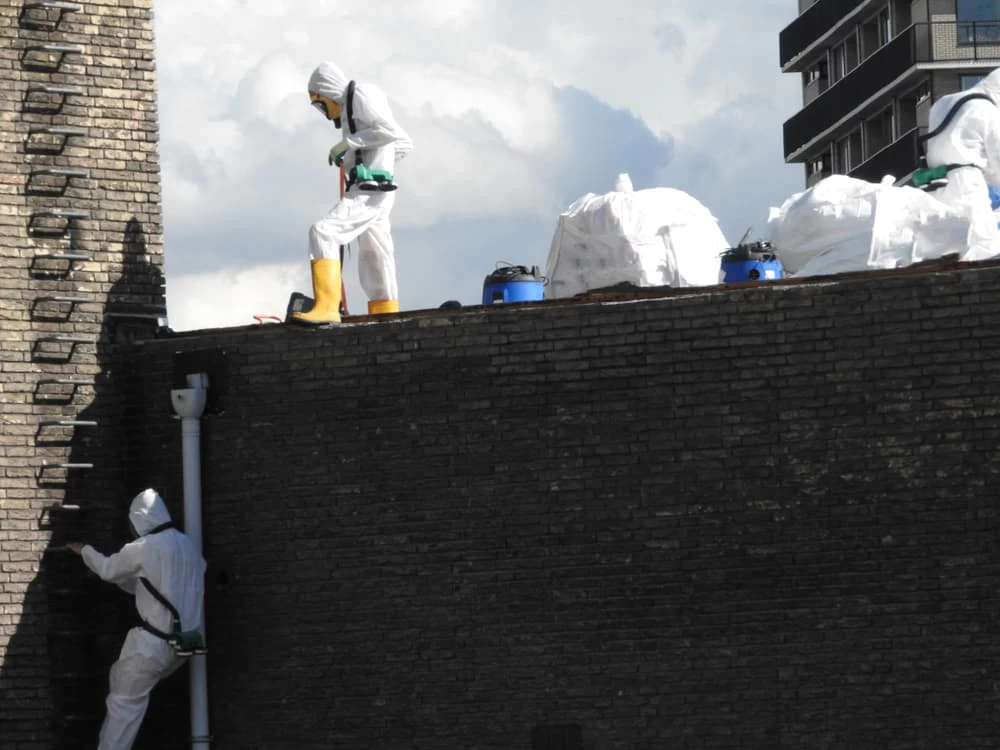
Once abatement is scoped, we file the required advance notification with the New York State Department of Labor a mandatory step under 12 NYCRR Part 56 for projects that meet the regulated threshold. This applies to work in Crawford just as it does anywhere else in New York State. We handle that paperwork, not you. The work area gets fully contained with negative air pressure and poly barriers before anything is touched. Materials are removed wet, double-bagged in 6-mil poly, labeled per OSHA requirements, and transported to a licensed Class II disposal facility. Nothing gets cut loose into the air.
After removal, an independent industrial hygienist someone with no connection to our crew conducts post-abatement air monitoring to confirm the space is clear. That hygienist issues the clearance certificate. Most residential projects in Crawford-scale homes wrap up in one to three days. You get the clearance certificate, the disposal manifests, and the full project documentation when we’re done. That’s the package your contractor, your attorney, and your lender will ask for.
Asbestos Tile and Popcorn Ceiling Removal, Crawford NY
Every Material Type Common to Crawford's Housing Stock
The asbestos abatement work we do in Crawford covers the full range of materials found in the town’s homes. Vinyl floor tiles particularly the 9×9 and 12×12 formats common in post-war construction are one of the most frequent finds in ranch and bi-level homes throughout Crawford. Popcorn ceiling removal is another high-demand service, especially in homes where owners are updating interiors before listing or renovating. Pipe insulation wrapping on older steam and hot-water heating systems, ceiling tiles, joint compound, roofing felt, and exterior transite board siding are all materials we regularly encounter and remove in Crawford homes built between the 1940s and late 1970s.
If your home is in an area with properties listed on the National Register of Historic Places, it’s worth noting that renovation or restoration work on structures of that age frequently involves materials from multiple eras of construction and any permitted renovation in a pre-1980 building in Crawford triggers the requirement for a pre-construction asbestos survey before work can begin.
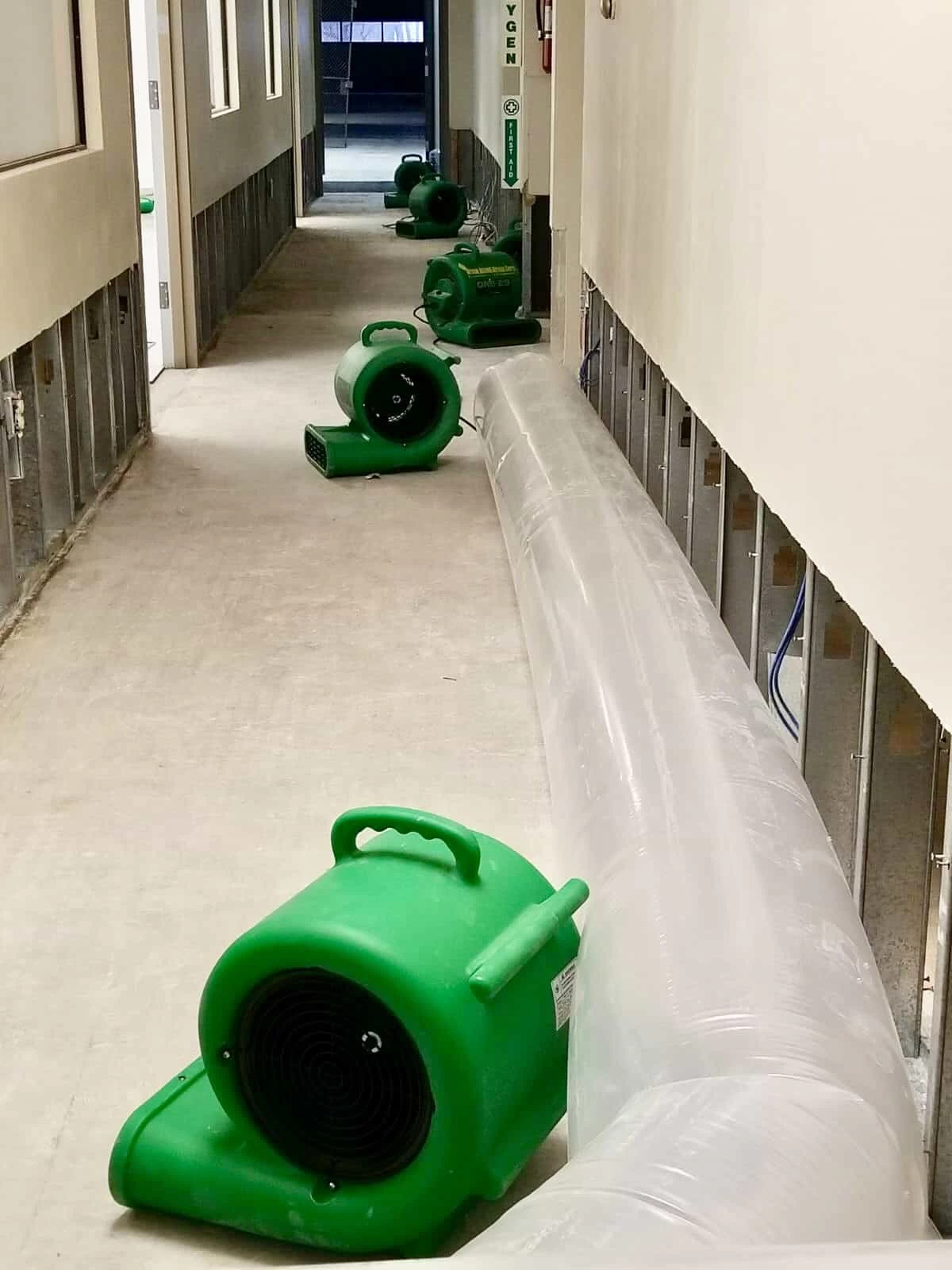
We also handle situations where asbestos abatement is only part of the problem. When water intrusion from storm damage or a pipe failure disturbs ACMs in an older Crawford home, we can manage the water damage, mold, and asbestos under one roof no coordinating between separate contractors during an already difficult week. And for projects where the cost is unexpected, we offer 0% APR financing up to $200,000 for qualifying work.
Does my Crawford home actually need a licensed contractor for asbestos removal?
In New York State, yes and this applies fully to Crawford and all of Orange County. Under 12 NYCRR Part 56, any contractor performing asbestos abatement must hold a valid NYS Department of Labor Asbestos Contractor License. Individual workers on the job must hold NYS Asbestos Handler Certification, which requires a minimum of 32 hours of initial training plus annual refreshers. This isn’t a technicality it’s the law, and it exists because improper removal creates airborne fiber hazards that are invisible and don’t go away on their own.
The risk of hiring an unlicensed operator in Crawford and the Orange County area is real. Some contractors will pull up old tiles or scrape a popcorn ceiling without proper containment, without required notifications, and without the clearance documentation you’ll need for your permit sign-off or real estate closing. If that happens, you’re left with an unverified space, no paper trail, and potential liability. Verifying a contractor’s NYS DOL license before they start work takes about two minutes on the department’s website and is worth every second.
How much does asbestos abatement typically cost in Orange County, NY?
The cost depends on what material is involved, how much of it there is, and where it’s located in your home. A single room of vinyl floor tile removal in a Crawford ranch might run a few thousand dollars. A whole-house project involving multiple material types floor tiles, popcorn ceilings, pipe insulation can reach $10,000 to $25,000 or more depending on scope. Projects requiring more complex containment setups or involving friable materials in hard-to-access areas will be on the higher end.
What drives cost most is scope and access, not the contractor’s hourly rate. A written estimate after a proper assessment is the only reliable way to get a real number be skeptical of any contractor quoting a price over the phone without seeing the space. If the total is more than your renovation budget can absorb at once, we offer 0% APR financing up to $200,000 for qualifying projects, which means you can handle the abatement properly without derailing everything else you had planned.
I found damaged pipe insulation in my basement is that an emergency?
It depends on the condition of the material and whether it’s been disturbed. Asbestos-containing pipe insulation that is intact, dry, and undisturbed is generally considered a lower immediate risk than material that is crumbling, wet, or actively flaking. That said, damaged pipe insulation in an older home should be treated as a priority not something to leave alone and check on later.
In Crawford specifically, this scenario comes up more often in winter. When pipes in older homes with asbestos-wrapped heating systems freeze and burst, the water damage doesn’t just affect the pipe it saturates the insulation, which can cause it to break down and release fibers. If you’re dealing with a burst pipe in a pre-1980 Crawford home and the insulation looks deteriorated or wet, stop work, keep people out of the area, and call for an assessment before anyone touches anything. We’re available 24/7 for exactly this kind of situation because it rarely happens at a convenient time.
What is a clearance certificate and why do I need one in Crawford, NY?
A clearance certificate is a written document issued by an independent industrial hygienist not the abatement contractor confirming that post-removal air monitoring shows fiber levels are below the regulatory threshold. It’s the proof that the work was done correctly and the space is safe to reoccupy. Without it, you have no way to verify the abatement was effective, and neither does anyone else.
In practical terms, you’ll need this document to get your renovation permit signed off by the Town of Crawford Building Department, to satisfy your contractor’s requirements before they resume work, and to close a real estate transaction if the abatement was flagged during inspection. Lenders and real estate attorneys will ask for it. It’s not optional paperwork it’s the document that closes the loop on the entire project. Every abatement job we complete includes coordination with an independent hygienist and delivery of the full clearance documentation to you.
What types of asbestos-containing materials are most common in Crawford area homes?
The homes built in Crawford during the 1940s through late 1970s tend to contain a predictable set of asbestos-containing materials. Vinyl floor tiles in the 9×9 and 12×12 inch format are extremely common in post-war ranch and bi-level construction the adhesive backing on those tiles often contains asbestos as well. Popcorn ceiling texture applied with spray equipment was widely used from the late 1950s through the 1970s and is one of the most frequently tested materials in older Crawford homes.
Pipe insulation wrapping on steam and hot-water heating systems is another common find, particularly in homes with older boiler systems. Joint compound used on drywall seams, ceiling tiles in finished basements and utility rooms, roofing felt, and exterior transite board siding round out the list. If your Crawford home was built before 1980 and you’re planning any renovation that involves opening walls, pulling up floors, or disturbing ceilings, a pre-construction asbestos survey before you start is the right move not something to figure out after the contractor has already begun.
Can asbestos abatement be done while my family stays in the house in Crawford?
In most cases, the answer is no at least not in the affected area of the home. During active abatement, the work zone is sealed off with poly barriers and maintained under negative air pressure to prevent fibers from migrating to other parts of the house. Anyone not part of the licensed abatement crew should not be in or near that containment zone. For smaller, contained projects a single room of floor tile removal, for example families can sometimes remain in unaffected parts of the home. For larger or multi-area projects, staying elsewhere during the work is the safer and more practical choice.
The timeline for most residential projects in Crawford-scale homes is one to three days, which makes temporary relocation manageable for most families. Once the independent industrial hygienist conducts post-abatement air monitoring and issues the clearance certificate, the space is confirmed safe and your family can return. If you have specific concerns about occupancy during the project especially if you have young children, elderly family members, or anyone with respiratory sensitivities bring that up during the initial assessment and we’ll plan the project scope and timeline around it.