If your Crugers home was built in the 1960s or 70s, asbestos isn’t a maybe it’s a real possibility hiding in floor tiles, ceiling texture, or pipe insulation. We give you a licensed, straight-talking answer before anything gets disturbed.
I needed a professional consultation explanation of procedure for safe removal of Asbestos in my apartment complex. Without having an account yet, I was very impressed with the caring, knowledgeable and generous advice offered by Jessica, and will look forward to doing business in the future. Thank you so much! I feel much more informed about a sometimes scary endeavor. Peace. Nancy Silva Mineola, NY.
Mia Munoz
Used this company to clean up some water flood in my house. They were fast and easy to work with.very professional, Would recommend to anyone!
Nini Valle
Great company, had a flood and they responded quickly and efficiently. Billed my insurance company directly. I highly recommend this company!
joe colapietro, jr
I had pipe freeze in my basement right before a snow storm and they made to within an hour to help start the clean up process. They we by our side throughout the entire process and even helped with the insurance company. They did such a great job with the cleanup, repair, remidiation, I contracted them to perform the repairs and finishes in the basement. They came with enough manpower and material to get the job done. Leo and Jessica were nothing but a pleasure to deal with!!
Cristian Arredondo c
I had some water damage in my home and Green Island was able to take care of my issue quickly and effectively. I am very pleased with the work they did. They responded quickly and were very professional.
Michael M
Outstanding service! From the office to the field crew everyone was friendly, helpful and responsive. I highly recommend Green Island Group.
Most Crugers homeowners don’t find out they have asbestos-containing materials until a contractor pulls up a floor tile or a home inspector flags something during a pre-sale walkthrough. At that point, the renovation stops, the closing timeline gets complicated, and suddenly you’re trying to figure out who to call and whether they actually know what they’re doing. That’s a stressful place to be and it’s completely avoidable when you get ahead of it.
Crugers sits right on the Hudson River, and the older housing stock here raised ranches, split-levels, colonials from the postwar decades was built when asbestos was standard. It wasn’t a corner-cutting material back then. It was the material. That means a lot of original floors, ceilings, and mechanical rooms in this hamlet are still carrying it, untouched, right where it was installed forty or fifty years ago. That’s fine until something disturbs it.
When you work with a licensed contractor who has actually done this thousands of times, you stop guessing. You get a clear picture of what’s there, what needs to happen, and what the finished result looks like including the air clearance documentation your lender, insurer, or buyer may require. The anxiety of not knowing is genuinely worse than the process itself. The process is manageable. Not knowing isn’t.
We hold the NYS Department of Labor Asbestos Handling License required for every legal abatement job in New York State including right here in the Town of Cortlandt where Crugers is located. That license is publicly searchable. You can verify it before you sign anything, and we’d encourage you to do exactly that.
Beyond the license, the track record matters. More than 5,000 completed projects across the metro area means the situation in your Crugers home whether it’s a flooded basement after a Hudson Valley storm, a mid-renovation discovery, or a pre-sale clearance with a closing deadline is almost certainly not new to our team. We also hold NYS M/WBE certification from the Office of General Services, a formal government credential that no competitor currently serving this market can claim.
Our team serving Crugers already works throughout the Peekskill corridor and the broader Cortlandt area. This isn’t a contractor learning the neighborhood. We know the building types here, the permit process through the Town of Cortlandt, and what it takes to get the job done correctly in this specific part of Westchester.
It starts with a free on-site inspection. One of our representatives comes to your home, assesses the materials in question, and gives you a clear picture of what you’re actually dealing with. No charge for that. No pressure to move forward on the spot. For a lot of Crugers homeowners, just having that conversation takes most of the anxiety off the table.
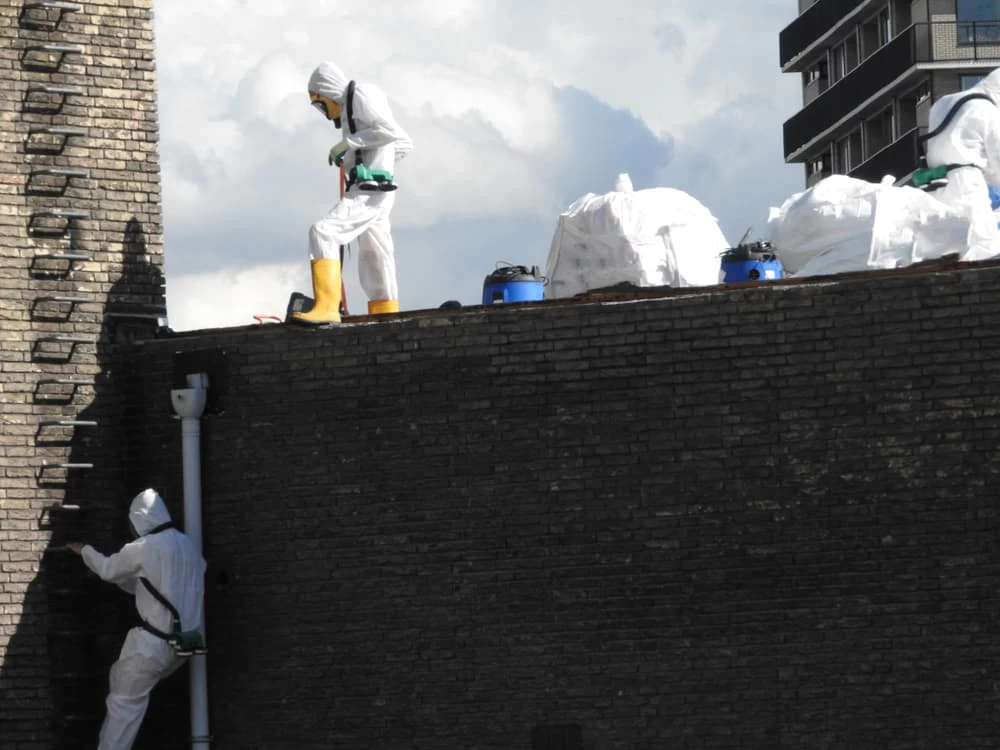
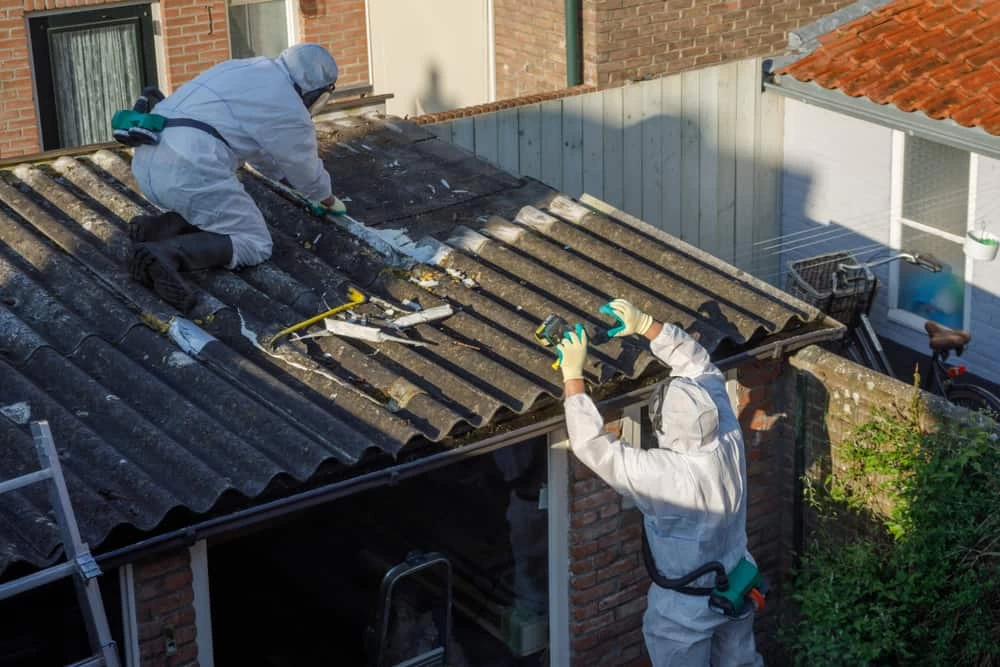
If abatement is needed, the work follows a process governed by NYS Industrial Code Rule 56 New York’s state-specific regulation for asbestos removal. That means full containment using polyethylene sheeting and negative air pressure equipment, pre-project air sampling to establish a baseline, and certified disposal at an approved facility with a documented waste manifest. Every person on our crew holds an individual NYS DOL handler or supervisor certification not just the company, but each worker who enters your home. Because Crugers is within the Town of Cortlandt, all permit coordination runs through the Cortlandt building department, and we handle that process as part of the job.
When the work is complete, post-abatement air clearance testing confirms that fiber counts are back to safe levels. You receive that documentation in writing. If your abatement is insurance-driven a flooded basement, water damage from a storm event like the ones that hit the Town of Cortlandt in the summer of 2023 we bill the carrier directly. You stay out of the middle.
Asbestos Tile and Popcorn Ceiling Removal, Crugers NY
Every Material Type Found in Crugers Homes, Covered
The homes built in Crugers during the 1960s and 1970s didn’t use asbestos in just one place. It showed up in vinyl floor tiles particularly the 9×9 and 12×12 inch formats common in basements and kitchens of that era. It was in the acoustic ceiling texture sprayed onto living room and den ceilings. It was wrapped around boiler pipes and HVAC ducts in mechanical rooms. It was mixed into drywall joint compound applied throughout the house. We handle all of it asbestos tile removal, popcorn ceiling removal, pipe and duct insulation, joint compound, roofing materials, and boiler wrap under one licensed contractor, without subcontracting the work to someone else.
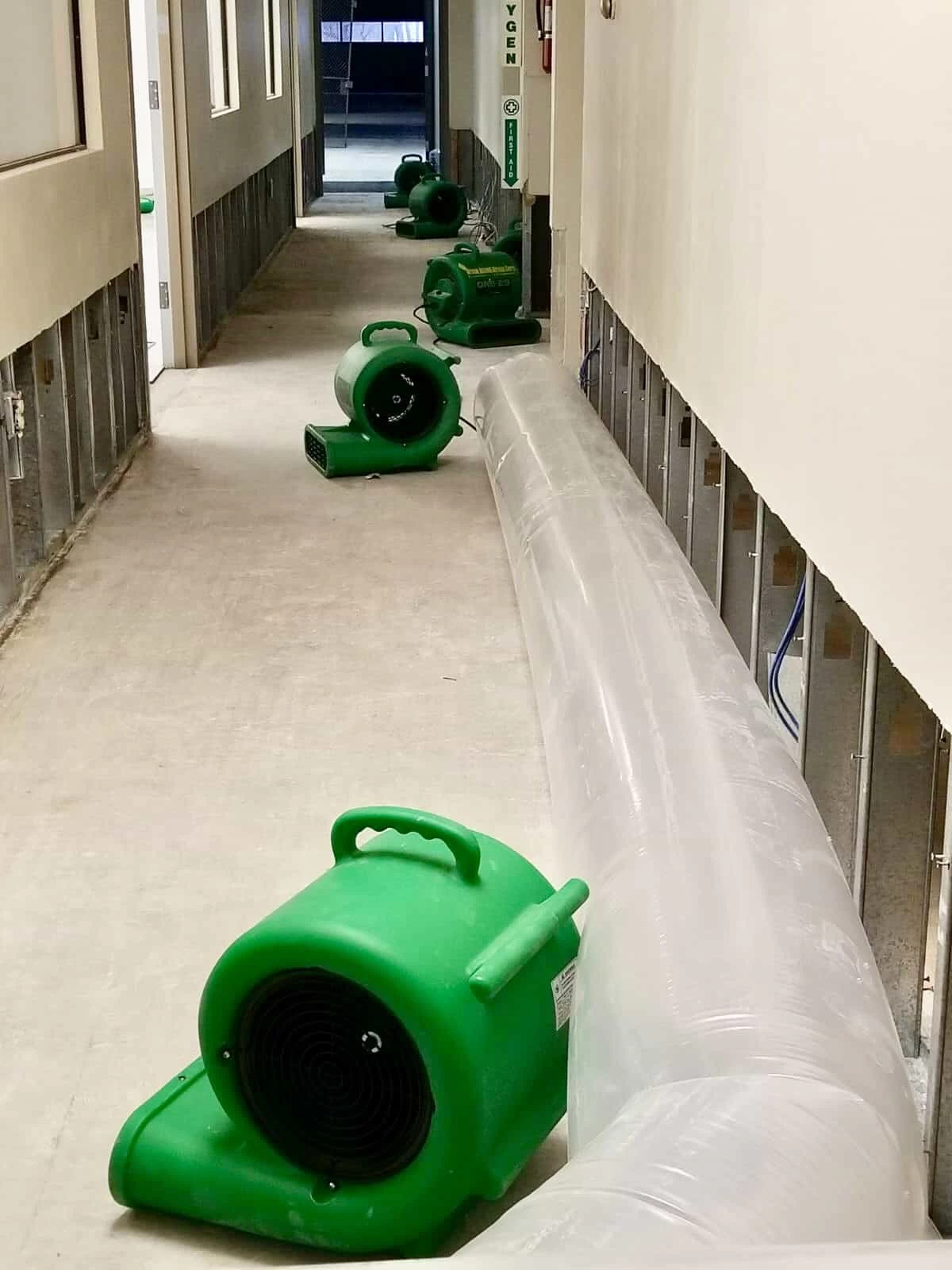
For Crugers residents dealing with water damage, that scope matters more than most people realize. When a basement floods from river-adjacent ground saturation, a burst pipe in a cold Westchester winter, or a storm event the water doesn’t just damage the flooring. It can disturb the adhesive beneath old vinyl tiles, releasing fibers into the air and triggering a mandatory abatement requirement before any restoration work can legally begin. Getting that abatement done correctly, with proper documentation, is what allows the restoration to move forward and the insurance claim to close cleanly.
Every project ends with written post-abatement air clearance documentation the formal confirmation that the work was done, the space is safe, and the record exists for your transaction, your insurer, or your own peace of mind. That documentation is standard on every job, not an add-on.
Does my 1960s Crugers home likely have asbestos in the floors or ceiling?
If your home was built between roughly 1940 and 1980, there’s a real chance asbestos-containing materials are present somewhere in the structure. In Crugers specifically, the dominant housing stock from that era raised ranches, split-levels, and colonials was built when asbestos was a standard component of residential construction, not an exception. The most common locations are vinyl floor tiles in basements and kitchens, acoustic ceiling texture in living areas, pipe insulation in mechanical rooms, and drywall joint compound throughout.
The important distinction is that the presence of asbestos doesn’t automatically mean danger. Asbestos-containing materials that are in good condition and left undisturbed generally don’t pose a risk. The problem arises when those materials are damaged, deteriorating, or about to be disturbed by renovation work. If you’re planning any kind of renovation even something as routine as replacing flooring or updating a bathroom getting a professional assessment before work starts is the right move. A licensed inspector can tell you exactly what’s there and whether it needs to be addressed before your contractor picks up a tool.
Do I need to leave my house during asbestos abatement work in Crugers?
It depends on the scope and location of the work. For contained abatement in a single area a basement mechanical room, a specific section of flooring, or an isolated ceiling it’s sometimes possible for occupants to remain in unaffected parts of the home, provided proper containment barriers are in place and negative air pressure is maintained throughout the work area. That said, many homeowners in Crugers choose to stay elsewhere during the project simply for comfort and convenience, especially if the work spans multiple days.
We’ll walk you through what’s realistic for your specific situation during the inspection. The containment requirements under NYS Industrial Code Rule 56 are strict polyethylene barriers, negative air machines, sealed HVAC systems so the work area is genuinely isolated from the rest of the home. What matters most is that you have a clear conversation with us before work begins so there are no surprises about access, timing, or what parts of the house are off-limits while our crew is on-site.
What happens if flooding in my Crugers home disturbed asbestos floor tiles?
This is more common in Crugers and the broader Cortlandt area than most people expect. The Town of Cortlandt experienced documented flooding in the summer of 2023, with road closures and water damage reported across multiple areas. When floodwater enters a basement that has original 1960s or 1970s vinyl floor tiles, it can compromise the tile adhesive, crack or lift the tiles, and disturb the asbestos-containing material which means you now have a regulated abatement situation on your hands before restoration work can legally proceed.
The practical consequence is that your water damage restoration contractor cannot start ripping out flooring and drying out the basement until the asbestos issue is addressed and documented. We handle this scenario regularly and work directly with insurance carriers so you’re not managing two separate claims processes at once. The abatement gets done, the clearance documentation gets produced, and the restoration contractor can move in. That sequence matters skipping or rushing the abatement step creates liability and can complicate your insurance claim significantly.
How do I verify that an asbestos contractor is actually licensed to work in New York?
In New York State, every contractor performing asbestos abatement is required to hold a NYS Department of Labor Asbestos Handling License. This is a company-level license, and separately, every individual worker handling asbestos-containing materials must hold their own NYS DOL handler or supervisor certification. Both are searchable through the NYS DOL’s public database you can look up a contractor by name or license number before you agree to anything.
This matters more than most homeowners realize, because unlicensed asbestos removal in New York is not just a regulatory violation it creates real liability for the property owner as well. If work is done without proper licensing, the disposal may not be handled correctly, the clearance documentation won’t be valid, and you could face issues with your insurer, your lender, or a future buyer. We hold the NYS DOL Asbestos Handling License and encourage every Crugers homeowner to verify it directly. The license number is available on request, and the lookup takes about two minutes.
Is asbestos removal required before I can sell my home in Westchester County?
New York State doesn’t mandate asbestos removal as a condition of every home sale, but the practical reality in the Westchester real estate market is more nuanced than that. Many buyers’ lenders particularly for FHA and VA loans require an inspection and clearance for pre-1980 properties. Home inspectors frequently flag suspected asbestos-containing materials, which can trigger a negotiation, a price reduction, or a buyer request for abatement before closing. Sellers who disclose known asbestos without addressing it often find that it becomes a sticking point that delays or kills deals.
For Crugers specifically, where a significant portion of the housing stock is from the 1960s and 1970s and where the market includes a lot of buyers purchasing older homes with renovation intent, having documented clearance ahead of listing puts you in a much stronger position. It removes a common objection, speeds up the transaction, and gives buyers confidence that the home has been properly addressed. The post-abatement air clearance documentation we provide at the end of every project is exactly the paperwork that satisfies lender and buyer requirements.
What does asbestos abatement typically cost for a Crugers-area home?
Cost varies based on the type of material, the quantity, the location within the home, and the complexity of the containment required. For a straightforward single-room floor tile removal in a Crugers basement or kitchen, you’re generally looking at a range starting around $1,500 to $3,000. Larger scopes multiple material types, a full mechanical room, popcorn ceiling removal across significant square footage can move into the $5,000 to $10,000+ range depending on what’s involved. These are honest ballpark figures, not quotes, because every home is different.
What affects cost most in older Crugers homes is often the condition of the material and the access situation. Tiles that are already damaged or partially lifted from water intrusion require more careful containment than intact, well-adhered material. Pipe insulation in a tight mechanical room takes more time than open-access work. Our free inspection is specifically designed to give you an accurate picture of scope and cost before you commit to anything so you’re not working off a guess when you’re deciding how to move forward.