Cutchogue's Historic Homes Deserve More Than a Generic Removal Crew
When your renovation uncovers something that stops the job cold, you need a licensed asbestos abatement team that knows Cutchogue not one making the drive for the first time. We’ve worked on the farmhouses along Oregon Road, the historic cottages near the hamlet center, and the mid-century homes throughout the area. We know what’s hiding in these walls because we’ve found it before.
I needed a professional consultation explanation of procedure for safe removal of Asbestos in my apartment complex. Without having an account yet, I was very impressed with the caring, knowledgeable and generous advice offered by Jessica, and will look forward to doing business in the future. Thank you so much! I feel much more informed about a sometimes scary endeavor. Peace. Nancy Silva Mineola, NY.
Mia Munoz
Used this company to clean up some water flood in my house. They were fast and easy to work with.very professional, Would recommend to anyone!
Nini Valle
Great company, had a flood and they responded quickly and efficiently. Billed my insurance company directly. I highly recommend this company!
joe colapietro, jr
I had pipe freeze in my basement right before a snow storm and they made to within an hour to help start the clean up process. They we by our side throughout the entire process and even helped with the insurance company. They did such a great job with the cleanup, repair, remidiation, I contracted them to perform the repairs and finishes in the basement. They came with enough manpower and material to get the job done. Leo and Jessica were nothing but a pleasure to deal with!!
Cristian Arredondo c
I had some water damage in my home and Green Island was able to take care of my issue quickly and effectively. I am very pleased with the work they did. They responded quickly and were very professional.
Michael M
Outstanding service! From the office to the field crew everyone was friendly, helpful and responsive. I highly recommend Green Island Group.
What Changes When the Asbestos Is Gone the Right Way
Your renovation moves forward. Your permit clears. You’re not sitting on a liability that could resurface at closing, during an inspection, or when a contractor opens a wall two years from now. That’s the practical outcome of doing this correctly and in Cutchogue, doing it correctly matters more than most places.
A significant portion of the housing stock here predates 1980. Farmhouses along Oregon Road, historic cottages near the hamlet center, mid-century homes throughout the area these properties were built in an era when asbestos-containing materials were standard. Floor tiles, pipe insulation, boiler wrap, roofing felt, popcorn ceilings, exterior cement shingles. If your home in Cutchogue was built before 1980 and you’re opening walls or pulling up floors, there’s a real chance you’re dealing with asbestos.
Cutchogue also sits between Long Island Sound to the north and Great Peconic Bay to the south. That coastal humidity accelerates the deterioration of older building materials. Asbestos that’s been exposed to decades of moisture can become friable meaning it crumbles and releases fibers into the air. That’s when it becomes a genuine health risk, not just a renovation inconvenience. Getting ahead of it, with a licensed team and proper documentation, protects your property, your family, and your investment.
We’re a Suffolk County-based environmental services company with deep roots in the North Fork. When you call 631-613-8945, you’re reaching a team that already knows the Town of Southold’s building permit requirements, understands why the Southold Town Transfer Station won’t accept asbestos waste, and has worked on the kinds of properties that define Cutchogue and the surrounding hamlets.
The North Fork isn’t a detour for us. We serve Cutchogue, Mattituck, Peconic, New Suffolk, and the surrounding areas because this is our market not because a lead form routed your zip code to whoever was available. That matters when your project is on hold and you need someone who can show up, assess the situation, and give you a straight answer.
Beyond asbestos abatement, we handle lead removal, mold remediation, and sewage cleanup. In Cutchogue’s older homes, these issues often show up together and being able to address all of them through one licensed contractor keeps your project from getting complicated fast.
No Guesswork Here's Exactly What the Process Looks Like
It starts with an assessment. Before any work begins, the suspected materials get identified and tested. If asbestos is confirmed, we build a scope of work and handle the required notification to the New York State Department of Labor under Industrial Code Rule 56 the state regulation that governs every legal asbestos abatement project in New York. You don’t file that paperwork. We do.
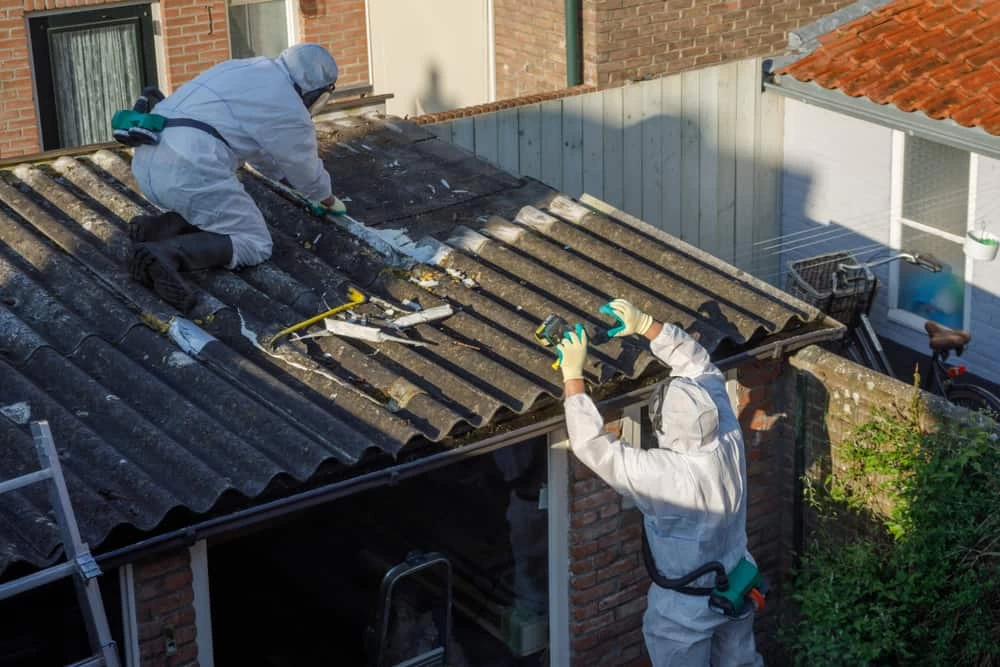
Once the project is cleared to proceed, the work area gets fully contained. Negative air pressure, proper barriers, certified workers in appropriate protective equipment. This isn’t a precaution we take on some jobs it’s required on every job, and it’s how the work gets done safely regardless of the size of the project. Whether it’s asbestos floor tile removal in a kitchen, pipe insulation in a basement, or popcorn ceiling removal in a bedroom, the containment protocol doesn’t change.
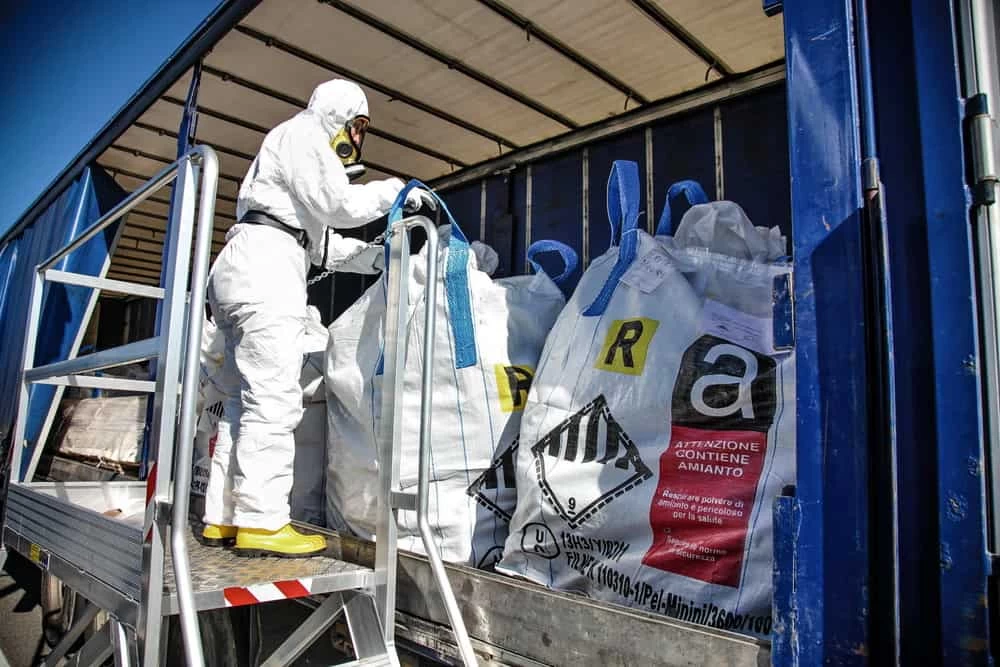
After removal, the materials are packaged and transported to a licensed disposal facility. The Southold Town Transfer Station does not accept asbestos waste so proper disposal isn’t optional, it’s the only legal path. When the job is complete, you receive documentation confirming the work was performed by a licensed contractor in compliance with ICR 56. That paperwork matters for your permit, your sale, and your records.
Asbestos Abatement Services for Cutchogue Properties
From Old Farm Structures to High-Value Renovations We've Handled Both in Cutchogue
Cutchogue isn’t a one-size-fits-all market, and the asbestos abatement work here reflects that. We handle residential abatement in older homes and historic properties throughout the hamlet including asbestos tile removal for the 9×9 vinyl floor tiles common in pre-war and mid-century construction, asbestos popcorn ceiling removal for homes being renovated ahead of sale or seasonal use, and full pipe and insulation abatement in basements and mechanical rooms.
We also work on agricultural and vineyard properties. Cutchogue is home to Long Island’s founding wine country Castello di Borghese sits right on Route 48 and many of the barns, processing buildings, and outbuildings throughout the area were constructed or renovated during the mid-20th century using asbestos-containing roofing, siding, and insulation materials. Repurposing or renovating those structures requires the same licensed abatement process as any residential project.
Every project includes proper containment, certified removal, licensed disposal, and full documentation for Southold Town permit compliance. If your property also has lead paint or moisture-driven mold both common in Cutchogue’s older, coastal building stock we can address those under the same scope. One contractor, one set of paperwork, one less thing to coordinate while your renovation waits.
Does asbestos abatement in Cutchogue require a permit or state notification?
Yes, and this is one of the most important things to understand before any work starts. New York State Department of Labor Industrial Code Rule 56 requires that all asbestos abatement contractors hold a valid NYS DOL license, and that any project disturbing more than a threshold quantity of asbestos-containing material be reported to the state before work begins. This notification isn’t optional it’s a legal requirement, and skipping it exposes you to significant liability.
On top of the state requirement, if your project involves a building permit through the Southold Town Building Department which covers all of Cutchogue your abatement work needs to be completed by a licensed contractor and documented properly before inspections can proceed. We handle the state notification and provide the compliance documentation you’ll need for the Town. You don’t have to figure out the paperwork side of this on your own.
How much does asbestos removal typically cost for a Cutchogue home?
For a standard residential project in Cutchogue, asbestos testing and removal typically runs between $1,050 and $1,800, with a local average around $1,572 based on area cost data. That range covers most single-room or single-material projects floor tile removal, a section of pipe insulation, or popcorn ceiling abatement in one or two rooms. Larger scopes, full gut renovations, or projects involving multiple material types will be quoted based on actual square footage and conditions.
What affects the final cost most is the type and condition of the material, how accessible it is, and how much square footage is involved. Friable asbestos material that’s already crumbling or deteriorating, which is more common in Cutchogue’s older coastal properties due to long-term moisture exposure requires additional precautions and can affect project scope. The best way to get an accurate number is a site assessment, not a phone estimate. We’ll give you a clear, itemized quote before any work begins.
What happens if asbestos is discovered mid-renovation in my Cutchogue property?
Stop the work. That’s the short answer. If a contractor opens a wall, pulls up flooring, or disturbs a ceiling and suspects asbestos-containing material, work in that area needs to halt until the material is tested and, if confirmed, properly abated by a licensed contractor. Continuing to work around suspected asbestos cutting, sanding, or demolishing material that contains it can release fibers into the air and create a much larger and more expensive problem than the original renovation.
This scenario happens regularly in Cutchogue, where a large portion of the housing stock was built before 1980. It’s not a sign that something went wrong in your planning it’s just the reality of renovating older North Fork properties. The key is responding correctly. Call a licensed abatement contractor, get the material tested, and don’t let anyone pressure you into continuing work before it’s cleared. We can typically assess the situation quickly and give you a realistic timeline so your renovation doesn’t stay on hold longer than necessary.
Is asbestos common in older farmhouses and agricultural buildings in Cutchogue?
Yes, and it’s something property owners on the North Fork often don’t think about until they’re already into a renovation. Agricultural construction throughout the mid-20th century relied heavily on asbestos-containing materials particularly for roofing, exterior siding, and insulation. Corrugated asbestos cement roofing panels, flat asbestos cement siding sheets, and pipe insulation were all standard materials in barns, equipment sheds, and processing buildings built between the 1940s and 1970s.
Cutchogue has a significant inventory of these structures. As vineyard owners, farm operators, and agricultural property investors renovate or repurpose older buildings converting barns, expanding winery facilities, or updating outbuildings they’re often dealing with the same asbestos abatement requirements as a residential homeowner. The process is the same: licensed contractor, state notification, proper containment, certified disposal. The scale may be different, but the regulatory requirements under NYS ICR 56 apply equally to commercial and agricultural properties.
Can I sell my Cutchogue home without addressing asbestos first?
You can, but it’s worth understanding what that means in practice. In New York, sellers are required to disclose known material defects and known asbestos-containing materials in deteriorating or accessible condition fall into that category. If asbestos is flagged during a buyer’s inspection, it typically becomes a negotiating point, a price reduction, or a condition of sale that has to be resolved before closing anyway. Addressing it proactively, on your timeline, usually produces a better outcome than scrambling to find a contractor under contract deadline pressure.
In Cutchogue’s current market where median sold prices were approaching $1.3 million in early 2024 buyers and their attorneys are doing thorough due diligence. Pre-purchase inspections are detailed, and lenders sometimes require abatement as a condition of financing. Getting the work done before listing, with documentation in hand, removes a known obstacle and gives buyers one less reason to negotiate down. We provide the compliance documentation that satisfies buyers’ attorneys and lenders in Southold Town transactions.
How do I know if my Cutchogue home's popcorn ceiling actually contains asbestos?
The only way to know for certain is to have a sample tested by a certified laboratory. Asbestos was commonly added to acoustic spray texture the material used to create popcorn or cottage cheese ceilings from the late 1950s through 1978, when the EPA banned its use in ceiling texture products. If your home was built or renovated before 1980, there’s a reasonable chance the texture contains asbestos, but you can’t determine that visually. It requires physical sampling and lab analysis.
In Cutchogue, where homes from the 1940s through the 1970s are common throughout the hamlet, popcorn ceiling removal is one of the more frequent asbestos abatement requests we handle especially from homeowners preparing properties for sale or undertaking full interior renovations. If the test comes back positive, the ceiling texture needs to be removed by a licensed abatement contractor under proper containment before any painting, drywalling, or finishing work proceeds. If it comes back negative, you’re clear to proceed with standard renovation methods. Either way, the test is the starting point and it’s a straightforward process that gives you a definitive answer.