Drewville Heights Homes Were Built Before Anyone Warned You About This
Most homes along Drewville Road predate federal asbestos restrictions by decades. If yours is one of them, asbestos abatement in Drewville Heights, NY starts with knowing what you’re actually dealing with and having a licensed team that handles every step legally and completely.
I needed a professional consultation explanation of procedure for safe removal of Asbestos in my apartment complex. Without having an account yet, I was very impressed with the caring, knowledgeable and generous advice offered by Jessica, and will look forward to doing business in the future. Thank you so much! I feel much more informed about a sometimes scary endeavor. Peace. Nancy Silva Mineola, NY.
Mia Munoz
Used this company to clean up some water flood in my house. They were fast and easy to work with.very professional, Would recommend to anyone!
Nini Valle
Great company, had a flood and they responded quickly and efficiently. Billed my insurance company directly. I highly recommend this company!
joe colapietro, jr
I had pipe freeze in my basement right before a snow storm and they made to within an hour to help start the clean up process. They we by our side throughout the entire process and even helped with the insurance company. They did such a great job with the cleanup, repair, remidiation, I contracted them to perform the repairs and finishes in the basement. They came with enough manpower and material to get the job done. Leo and Jessica were nothing but a pleasure to deal with!!
Cristian Arredondo c
I had some water damage in my home and Green Island was able to take care of my issue quickly and effectively. I am very pleased with the work they did. They responded quickly and were very professional.
Michael M
Outstanding service! From the office to the field crew everyone was friendly, helpful and responsive. I highly recommend Green Island Group.
You stop guessing. That’s the first thing. When you’re living in a Drewville Heights home built in 1947 or 1958 the kind of property that’s common along Drewville Road you don’t always know what’s inside the walls, under the floors, or wrapped around the pipes in the basement. Once a licensed inspection confirms what’s there and the abatement is complete, you have documented proof that it’s been handled correctly. Not just removed handled, tested, and cleared by an independent air monitoring contractor whose only job is to confirm the air is safe before anyone walks back in.
For Drewville Heights homeowners, that matters more than it might in a newer development. Putnam County’s freeze-thaw winters are hard on older structures. Pipes crack, ceilings shift, insulation degrades. Materials that were stable for decades can become a problem the moment a renovation starts or the moment moisture gets in after a rough winter. Knowing your home has been properly assessed and cleared means your renovation can actually move forward, your real estate transaction doesn’t stall, and you’re not carrying that uncertainty anymore.
The peace of mind isn’t a bonus. For most people who call us, it’s the whole point.
We’ve been performing licensed asbestos abatement, lead remediation, and mold removal across New York State for over 12 years. We hold a NYS Department of Labor Asbestos Contractor License the credential required by Industrial Code Rule 56 to legally perform regulated abatement work anywhere in the state, including right here in Drewville Heights and the Town of Carmel. That license isn’t a marketing badge. It’s a state-issued, verifiable requirement, and not every contractor working in Putnam County has it.
Beyond the credentials, our track record speaks plainly. We’ve performed abatement work for the NYS Office of General Services, the NYS Office of Mental Health, DASNY, and county government clients the same type of institutional work that mirrors what the NYS ARC facility on Drewville Road represents. When state agencies trust us with government buildings, the standards don’t drop when we’re working in someone’s home in Drewville Heights. We’re also NYS and NYC M/WBE Certified, fully insured with both liability and worker’s compensation coverage, and carry a 4.7-star rating with over 30 verified reviews.
No Guesswork Here's Exactly What Happens on Your Drewville Heights Property
It starts with an inspection. A licensed inspector collects samples from the materials in question floor tiles, pipe insulation, ceiling texture, attic materials, whatever is relevant to your specific property and sends them to a laboratory for analysis. You get a written assessment that tells you exactly what is there, where it is, and what category of risk it presents. For older homes in Drewville Heights, that assessment often covers more than one material, because homes built in the 1940s and 1950s didn’t use asbestos in just one place.
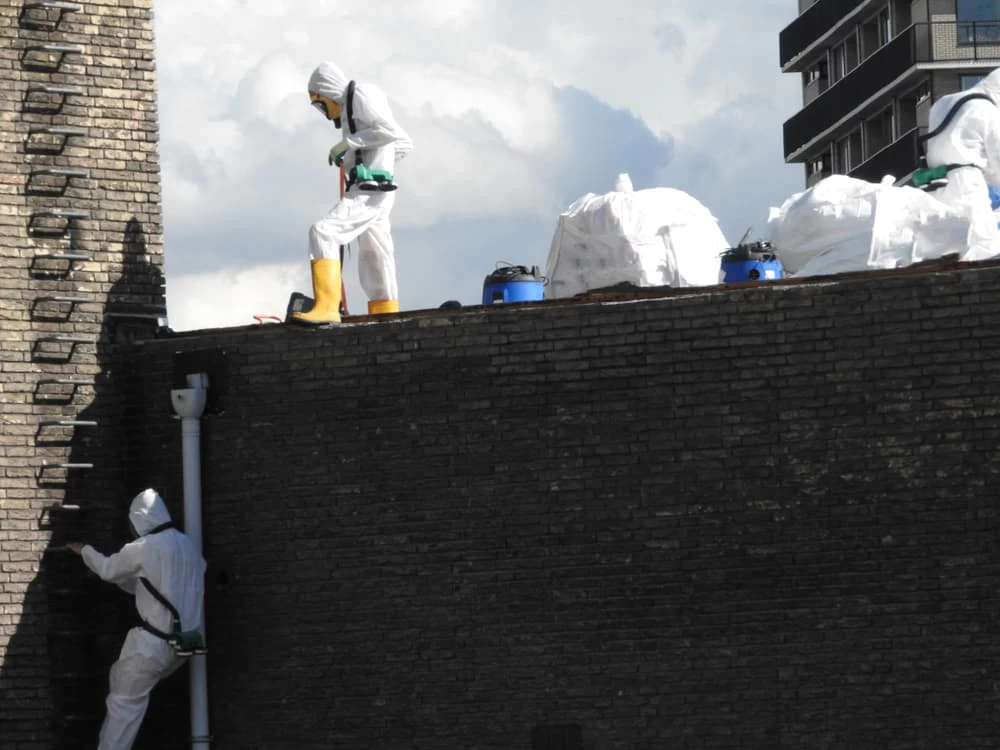
If abatement is required, the next step is permitting. Under New York State’s Industrial Code Rule 56, regulated asbestos projects require permit applications before work begins. We handle that paperwork coordinating with the relevant agencies so your project stays compliant with Town of Carmel and NYS DOL requirements from the start. Once permits are in place, our abatement crew establishes containment with negative air pressure, uses wet removal methods to prevent fiber release, and follows the decontamination procedures required by state law.
When the physical work is done, an independent licensed air monitoring contractor completely separate from us conducts post-abatement air clearance testing. Results have to meet OSHA and NIOSH clearance standards before the containment comes down and you return to the space. You receive written documentation of that clearance, which becomes part of your permanent property record.
Asbestos Removal and Testing, Drewville Heights NY
One Licensed Contractor for Every Hazard in Your Older Drewville Heights Home
Asbestos abatement is the core of what we do in Drewville Heights, but older homes along Drewville Road rarely have just one issue. A 1940s-era property with asbestos floor tile in the kitchen often has lead paint in the same room and moisture damage in the basement from decades of Putnam County winters. We hold NYS DOL Asbestos, NYS DOL Mold, and USEPA Lead certifications which means you’re not coordinating three separate contractors for three separate problems. One licensed team, one accountable point of contact, one complete compliance record when the work is done.
Specific services available for Drewville Heights properties include asbestos tile removal, asbestos popcorn ceiling removal, pipe and boiler insulation removal, attic insulation abatement, and full asbestos remediation for renovation and pre-sale projects. Each project includes inspection and sampling, laboratory analysis, permit handling, licensed removal with required containment and wet methods, proper NYSDEC-compliant waste disposal, and independent post-abatement air clearance testing. Whether you’re mid-renovation on a 1958 split-level, preparing a property for sale, or responding to damage from a rough winter that disturbed materials you didn’t know were there the process is the same and the documentation is complete.
If you’re also dealing with mold, water damage, or lead, those services are available under the same roof. You don’t have to start over with a new contractor.
Does my Drewville Heights home actually have asbestos, or am I overreacting?
If your Drewville Heights home was built before 1980, the honest answer is: it might, and the only way to know is to test. Asbestos was used widely in building materials from the early 1900s through the late 1970s floor tiles, ceiling texture, pipe insulation, roof shingles, joint compound, attic insulation, and more. Property records along Drewville Road show homes built as early as 1890 and 1908, with many more from the 1940s, 1950s, and 1960s. Those homes were built during the peak decades of asbestos use, and most of them were never systematically inspected.
You’re not overreacting. You’re asking a reasonable question about a home that statistically has a high probability of containing asbestos-containing materials in at least one location. The only way to stop guessing is a licensed inspection and laboratory test. If nothing is found, you have confirmation. If something is found, you have a clear path forward and you caught it before a renovation or a sale forced the issue under worse circumstances.
What does asbestos abatement actually cost for a home in Putnam County?
The national average for asbestos removal is around $2,239, with a range typically running from $462 on the low end to $6,000 or more for larger or more complex projects. What drives that range is the type of material being removed, how much of it there is, and whether it’s friable meaning it can release fibers into the air or non-friable and still intact. Popcorn ceiling texture and deteriorating pipe insulation tend to be higher-risk and more involved. Vinyl floor tiles that are still in good condition are often less complex.
For Putnam County properties specifically, the age and condition of the home matters. A 1940s-era house that has had minimal updates may have asbestos in multiple locations floors, ceilings, and basement insulation which affects total project scope. The honest answer is that cost varies, and any contractor who quotes you a firm number before inspecting the property is guessing. What you can expect from us is a transparent assessment after inspection, a clear explanation of what drives the cost on your specific project, and no surprises after the work begins.
Can I just leave the asbestos alone if it's not damaged or disturbed?
Sometimes, yes but that answer comes with important conditions. Asbestos-containing materials that are in good condition and won’t be disturbed are generally considered lower risk. The problem is that “won’t be disturbed” is harder to guarantee in an older Drewville Heights home than it sounds. Putnam County’s freeze-thaw winters cause structural movement that can crack pipe insulation and ceiling materials over time. Water intrusion from ice damming or spring snowmelt can damage previously stable materials. And the moment you start a renovation pulling up floors, opening walls, scraping ceilings you’re disturbing whatever is there.
If you’re not planning any renovation and the materials are intact, a licensed inspector can assess the condition and give you a documented baseline. If the condition is deteriorating, or if any work is planned that would disturb those materials, abatement is the responsible path. Leaving damaged or friable asbestos in place is not a legal option under New York State’s Industrial Code Rule 56, and it’s not a safe one either. The inspection gives you the information to make the right call.
Do I have to leave my home during asbestos abatement in Carmel, NY?
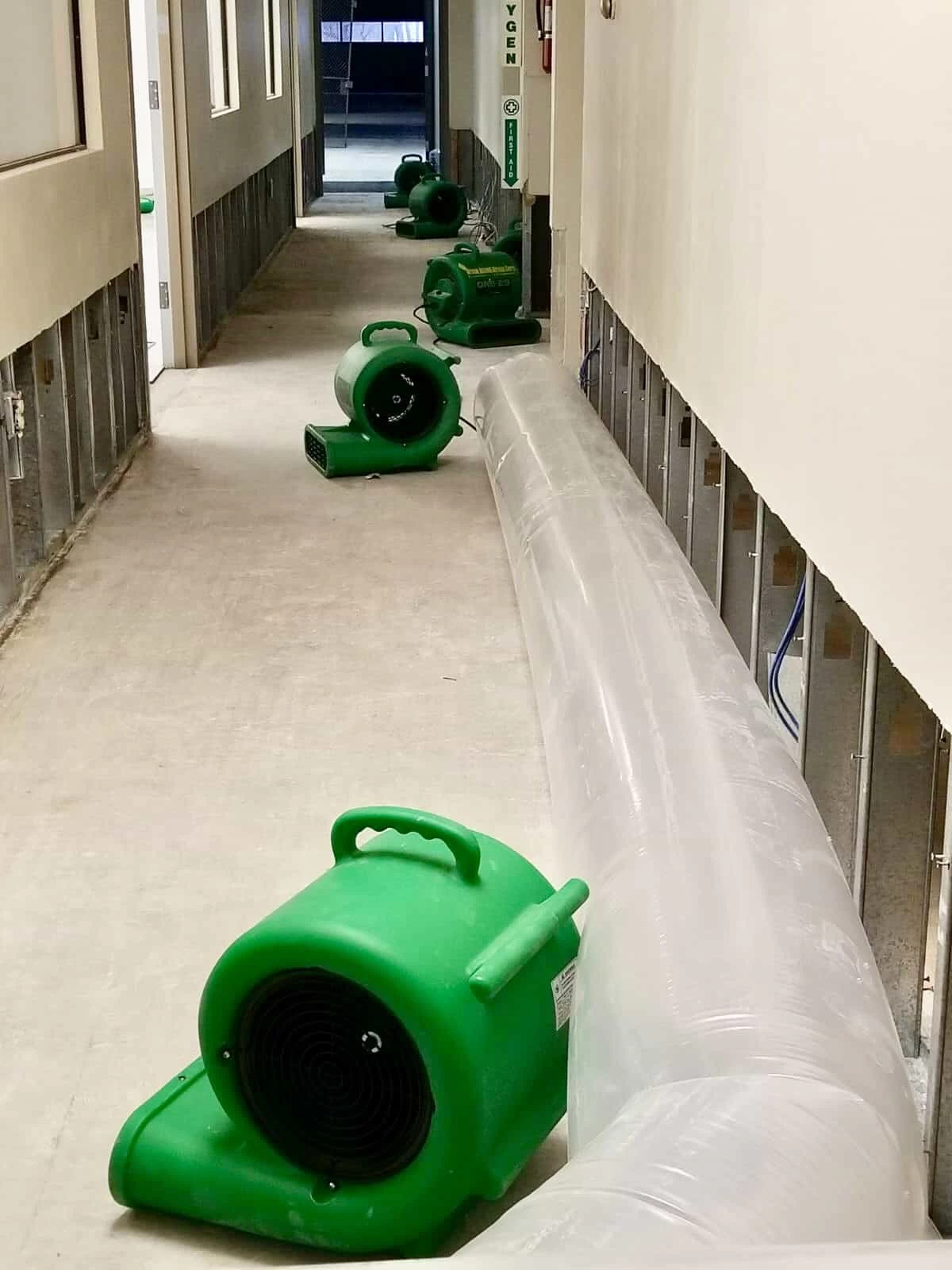
For most regulated asbestos abatement projects, yes you should plan to be out of the affected area during the work. The abatement process involves sealing off the work zone with containment barriers and running negative air pressure equipment to prevent fibers from migrating to other parts of the home. That containment is effective, but it’s not something you want to be living around while it’s active. Families with children or pets especially should plan to stay elsewhere during the abatement phase.
The good news is that the timeline is usually more manageable than people expect. Smaller projects a single room of floor tile or a section of pipe insulation can often be completed in a day or two. Larger projects take longer, but we coordinate with you on scheduling so you’re not displaced indefinitely. More importantly, you don’t return to the space until the independent post-abatement air clearance test confirms the air meets OSHA and NIOSH standards. That clearance is documented in writing. You’re not just taking someone’s word for it you have the test results.
What's the difference between asbestos removal and asbestos abatement?
Asbestos removal refers specifically to the physical act of taking out asbestos-containing materials. Asbestos abatement is the broader, regulated process that includes removal but also covers everything required before and after inspection, sampling, laboratory analysis, permit applications, containment setup, proper work practices during removal, waste disposal, and post-abatement air clearance testing. In New York State, abatement is the legally defined term under Industrial Code Rule 56, and it’s the standard that licensed contractors are held to.
The distinction matters practically because hiring someone to just “remove” asbestos without following the full abatement protocol creates legal and health exposure for you as the property owner. If the work isn’t permitted, contained, and cleared by an independent air monitoring contractor, it doesn’t meet state requirements and the liability for that falls on the homeowner, not the contractor who cut corners. In Putnam County, where older homes are common and real estate transactions frequently surface asbestos questions, having a complete, documented abatement record is the difference between a clean property history and a problem that resurfaces at the worst possible time.
How do I verify that an asbestos contractor in Drewville Heights is actually licensed?
The NYS Department of Labor maintains a public database of licensed asbestos contractors, inspectors, and project designers. You can search it directly at the NYS DOL website using the contractor’s business name or license number. Any contractor performing regulated asbestos abatement in New York State including in the Town of Carmel and throughout Putnam County is required to hold a valid NYS DOL Asbestos Contractor License under Industrial Code Rule 56. This is not optional, and it’s not something a contractor can substitute with a general contractor’s license or an out-of-state certification.
Beyond the license, ask for proof of insurance before any work begins specifically both general liability and worker’s compensation coverage. Worker’s compensation matters because if a crew member is injured on your property and the contractor doesn’t carry it, you can be held liable. Our license is current and verifiable through the NYS DOL database, and insurance documentation is available on request. These aren’t difficult things to verify, and any legitimate contractor will provide them without hesitation. If a contractor is reluctant to share either, that’s your answer.