Dunwoodie's Postwar Brick Homes Deserve More Than a Guess
Most homes in Dunwoodie were built when asbestos was standard. If you’re renovating, selling, or dealing with water damage, we give you a clear answer and handle everything that comes next.
I needed a professional consultation explanation of procedure for safe removal of Asbestos in my apartment complex. Without having an account yet, I was very impressed with the caring, knowledgeable and generous advice offered by Jessica, and will look forward to doing business in the future. Thank you so much! I feel much more informed about a sometimes scary endeavor. Peace. Nancy Silva Mineola, NY.
Mia Munoz
Used this company to clean up some water flood in my house. They were fast and easy to work with.very professional, Would recommend to anyone!
Nini Valle
Great company, had a flood and they responded quickly and efficiently. Billed my insurance company directly. I highly recommend this company!
joe colapietro, jr
I had pipe freeze in my basement right before a snow storm and they made to within an hour to help start the clean up process. They we by our side throughout the entire process and even helped with the insurance company. They did such a great job with the cleanup, repair, remidiation, I contracted them to perform the repairs and finishes in the basement. They came with enough manpower and material to get the job done. Leo and Jessica were nothing but a pleasure to deal with!!
Cristian Arredondo c
I had some water damage in my home and Green Island was able to take care of my issue quickly and effectively. I am very pleased with the work they did. They responded quickly and were very professional.
Michael M
Outstanding service! From the office to the field crew everyone was friendly, helpful and responsive. I highly recommend Green Island Group.
The renovation your contractor has been waiting on can finally move forward. The deal you’ve been trying to close doesn’t fall apart over a disclosure issue. The pipe that burst last winter and disturbed the insulation wrapped around it stops being something you’re hoping nobody notices. That’s what asbestos abatement actually does for you. It removes the thing that’s been quietly holding everything else up.
Dunwoodie’s housing stock is almost entirely pre-1980 construction. Brick Cape Cods, Tudor-style homes, mid-rise apartment buildings along the side streets virtually all of it was built during the decades when asbestos was used in floor tiles, pipe insulation, ceiling texture, and drywall compound as a matter of course. If your home was built before 1980 and you’re touching any of it, testing is the responsible first step.
What you get on the other side of a properly handled abatement project is documentation. Air clearance testing confirms the space meets regulatory standards, and that paperwork is what your contractor, your buyer’s lender, or your insurance carrier is going to ask for. We provide that clearance report as a standard deliverable not an add-on, not something you have to chase down after the fact.
Licensed Asbestos Contractor Serving Westchester County
Every License Required. Every Project Documented.
We hold a NYS Department of Labor Asbestos Handling License, an NYC DEP Asbestos Contractor License, and EPA certification all active, all verifiable by license number on the respective agency’s public database. That dual-license structure matters specifically in Yonkers and Dunwoodie, where the regulatory picture can involve both state and city frameworks depending on the project. You shouldn’t have to figure out which jurisdiction applies. That’s our job.
Beyond the credentials, we are a NYS M/WBE certified contractor a state-issued designation that required formal review, not a self-applied label. We’ve completed more than 5,000 projects across the metro region, including throughout Westchester County and Dunwoodie specifically. That volume means the steam-heated postwar homes and multi-unit brick buildings that define this neighborhood are not unfamiliar territory. The Yonkers Department of Housing and Buildings permit process, the NYS Industrial Code Rule 56 notification requirements, the chain-of-custody disposal documentation all of it is handled without you having to learn a new language.
No Surprises Here's Exactly What the Process Looks Like
It starts with a free on-site inspection. We come to your property, walk through the areas of concern, and give you a straight assessment what’s there, what it is, what the regulatory requirements are, and what abatement would involve. There’s no charge for that inspection and no obligation to hire us based on what we find. If the answer is that you don’t have a problem, we’ll tell you that too.
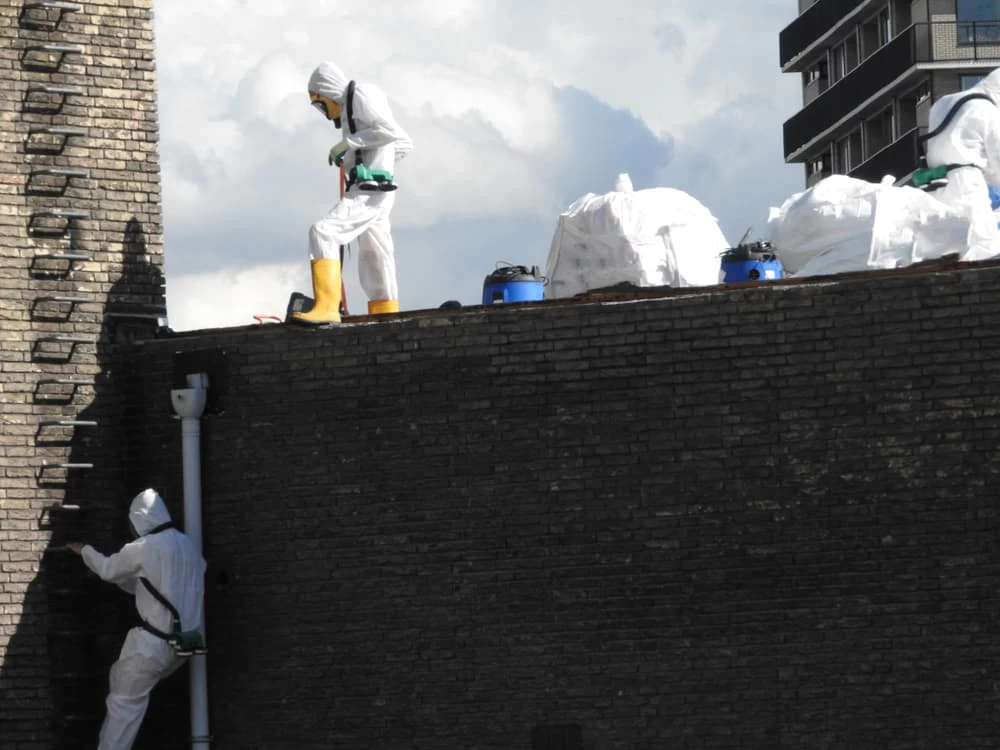
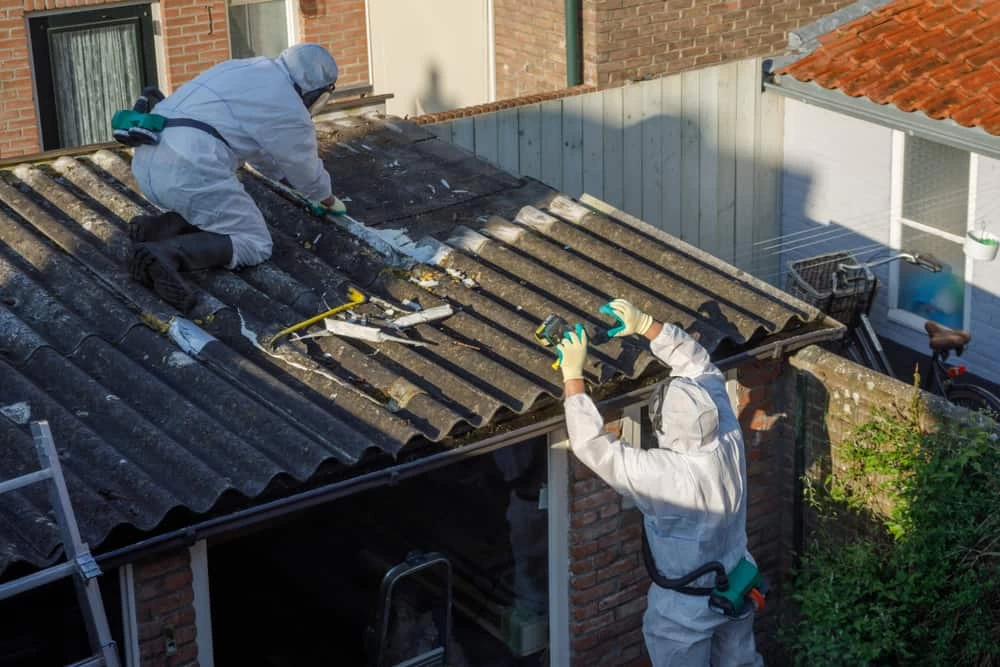
If abatement is needed, the project is filed with the appropriate agencies before any work begins. In Yonkers, that means NYS DOL notification under Industrial Code Rule 56, coordination with the Yonkers Department of Housing and Buildings as applicable, and proper waste manifest documentation for NYS DEC-compliant disposal. The work area is contained negative air pressure, full enclosure, proper PPE for every worker on site and the abatement is completed by individually NYS DOL-certified handlers, not general laborers handed protective equipment.
When the work is done, independent air clearance testing confirms that fiber counts in the treated area meet regulatory standards. You receive that clearance documentation before we consider the project closed. For Dunwoodie homeowners managing a renovation timeline, preparing for a sale, or dealing with a water damage event that disturbed pipe insulation, that final document is what moves everything else forward.
What's Actually Included For the Homes That Actually Exist Here
We handle the full range of asbestos-containing materials found in Dunwoodie’s mid-century housing stock. That means vinyl asbestos floor tiles common in kitchens, basements, and bathrooms of homes built in the 1950s and 1960s. Acoustic ceiling texture, which was applied in living areas and bedrooms as standard practice through the 1970s. Pipe and duct insulation, which in Yonkers’ steam-heated postwar construction was almost universally asbestos-wrapped. Drywall joint compound, roofing materials, and siding are also within scope. If a thorough inspection of your property turns up multiple material types, that’s handled in a single project with a single point of contact not a referral chain.
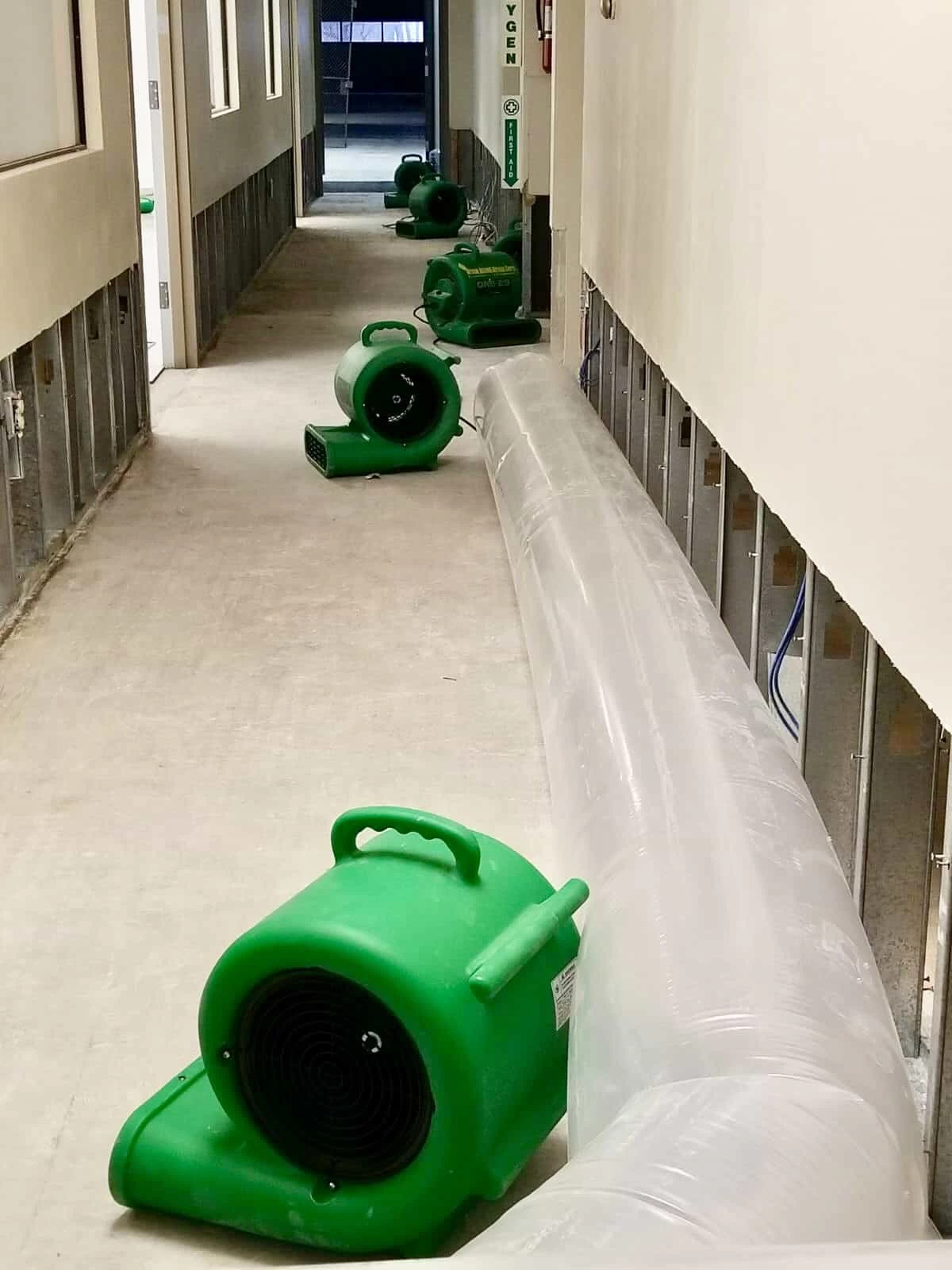
For property managers and landlords overseeing duplexes or apartment buildings in the neighborhood, the scope extends to occupied-building abatement scenarios: proper tenant communication, contained work areas, and clearance documentation that satisfies both insurance carriers and any disclosure obligations. If your abatement is the result of water damage a burst pipe, a nor’easter, water intrusion through an aging roof we work directly with insurance carriers and handle billing on your behalf, so you’re not serving as the go-between while you’re already managing a claim.
Encapsulation is also on the table where it’s appropriate. Not every intact, non-friable asbestos material needs to be removed. When encapsulation is the right call, we’ll say so and explain why because the goal is the right outcome for your property, not the largest possible scope.
Does my Dunwoodie home actually need asbestos testing before I renovate?
If your home was built before 1980 which describes the vast majority of residential properties in Dunwoodie then yes, testing before renovation is the responsible and, in most cases, legally required step. Under NYS Industrial Code Rule 56, any renovation or demolition project involving pre-1980 construction must address the potential presence of asbestos-containing materials before work begins. That’s not optional language. A contractor who breaks old floor tiles or disturbs ceiling texture without prior testing is creating a liability for you, not just for themselves.
The practical reality in Dunwoodie is that the housing stock brick Cape Cods, duplexes, mid-rise apartment buildings, most of it built between the 1940s and 1960s was constructed during the peak decades of asbestos use. Vinyl floor tiles, pipe insulation, acoustic ceiling texture, and drywall joint compound from that era routinely contained asbestos. Testing before you start isn’t about assuming the worst. It’s about knowing what you’re actually dealing with before someone swings a hammer.
How long does asbestos abatement typically take for a Yonkers residential property?
Timeline depends on the scope specifically, how many materials are involved, where they’re located, and whether the property is occupied during the work. A single-room floor tile removal in a vacant space can be completed in one to two days. A more comprehensive project involving pipe insulation, ceiling texture, and flooring across multiple rooms in an occupied Dunwoodie home will take longer, because proper containment, negative air pressure setup, and phased work areas are required to protect the rest of the building.
What affects your timeline most in Yonkers is the regulatory notification period. NYS Industrial Code Rule 56 requires advance notification to the NYS Department of Labor before asbestos abatement work begins the required notice period varies based on project type and scope. That notification has to be filed before the first day of work, so planning ahead matters. If you’re working toward a renovation start date or a real estate closing, the earlier you get an inspection scheduled, the more control you have over the overall timeline.
What asbestos-containing materials are most commonly found in Dunwoodie homes?
The materials that come up most often in Dunwoodie’s mid-century housing stock follow a predictable pattern. Vinyl floor tiles are the most common finding they were used in kitchens, bathrooms, and basements throughout the 1950s and 1960s and frequently contain chrysotile asbestos. The adhesive beneath those tiles, called mastic, often contains asbestos as well, which is why tile removal isn’t as simple as pulling up the floor.
Pipe insulation is the second most frequent issue, and it’s particularly relevant in Dunwoodie because so much of the neighborhood’s postwar construction relied on steam heating systems. Those pipes were wrapped in asbestos insulation as standard practice, and that insulation is often still in place sometimes intact, sometimes deteriorating. Acoustic ceiling texture, drywall joint compound, and duct wrap round out the most common findings. A thorough inspection will assess all of these locations, not just the one you called about, so you’re not dealing with a second discovery mid-renovation.
A pipe burst in my older Yonkers home and disturbed the insulation what do I do now?
Stop work in that area and don’t disturb the material further. If the insulation on those pipes was installed before 1980 which is almost certain in Dunwoodie’s postwar housing stock it needs to be treated as potentially asbestos-containing until tested. Disturbing friable asbestos-containing material releases fibers into the air, and once that happens, the scope of the problem expands significantly.
The next step is getting a professional assessment scheduled as quickly as possible. We handle emergency abatement response, and in water damage situations, the abatement work is frequently covered under your homeowners’ insurance policy. We work directly with insurance carriers and manage the billing on your behalf, which means you’re not coordinating between your insurer, your water damage restoration contractor, and an abatement company simultaneously. The abatement has to be completed and cleared before restoration work can proceed, so speed matters but so does doing it correctly the first time.
I'm selling my home in Dunwoodie do I need to disclose asbestos to buyers?
New York State requires sellers to disclose known material defects, and asbestos particularly friable or deteriorating asbestos can qualify as a material defect depending on its condition and location. Beyond the legal question, there’s a practical one: buyers in the Dunwoodie market are purchasing homes at median prices of $700,000 or more. Their inspectors are thorough, their lenders have requirements, and a finding that surfaces after an offer is accepted can kill a deal or trigger a significant price renegotiation.
The cleaner path is to address it before listing. Pre-sale abatement, followed by post-abatement air clearance documentation, removes the issue from the disclosure conversation entirely and gives you a concrete record to hand to any buyer who asks. Given that homes in this area are averaging around 47 days on market, you want the transaction to move cleanly once it starts not stall out over an abatement contingency that could have been handled before the first showing.
Is asbestos abatement in Dunwoodie covered by homeowners' insurance?
It depends on how the asbestos was disturbed. Coverage is most common when the abatement is directly tied to a covered loss a pipe burst, water damage from a storm, or another sudden event that disturbed asbestos-containing materials as part of the damage. In those cases, the abatement is typically treated as part of the overall remediation claim, and many standard homeowners’ policies will cover it. Routine abatement for renovation purposes, where no covered loss is involved, is generally not covered.
For Dunwoodie homeowners dealing with water damage in older steam-heated construction which is a recurring scenario given the age of the pipe systems in this neighborhood the insurance coverage question is worth a direct conversation with your carrier before you assume you’re paying out of pocket. We handle direct insurance billing and have experience working within the documentation requirements that carriers need to process these claims. That means the abatement scope, the clearance testing, and the billing are all handled in a way that aligns with what your insurer is looking for, rather than creating additional back-and-forth after the work is done.