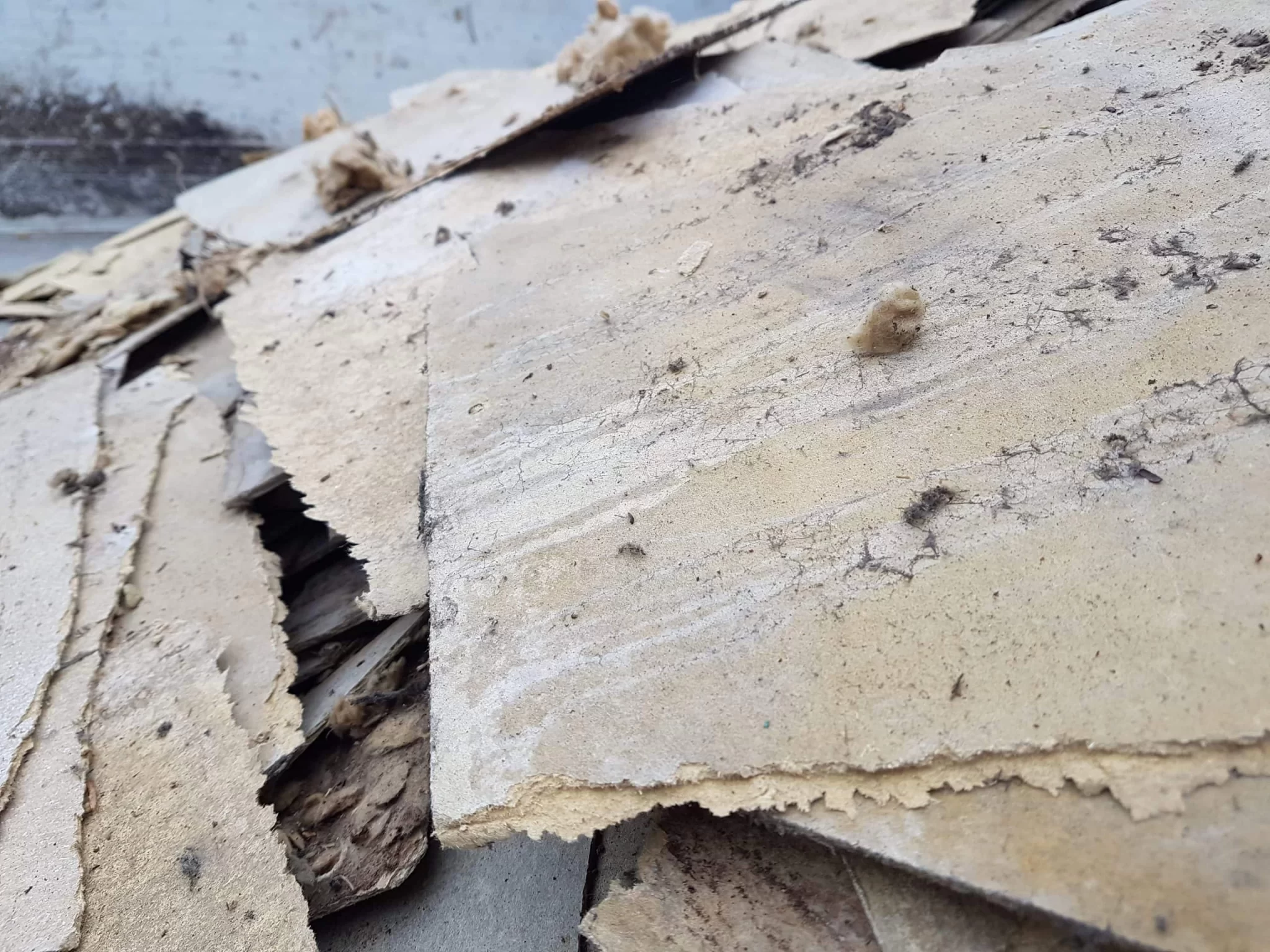
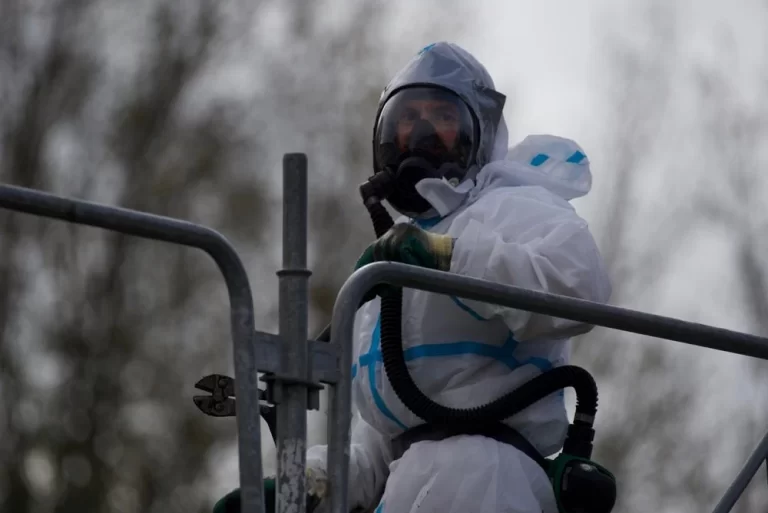
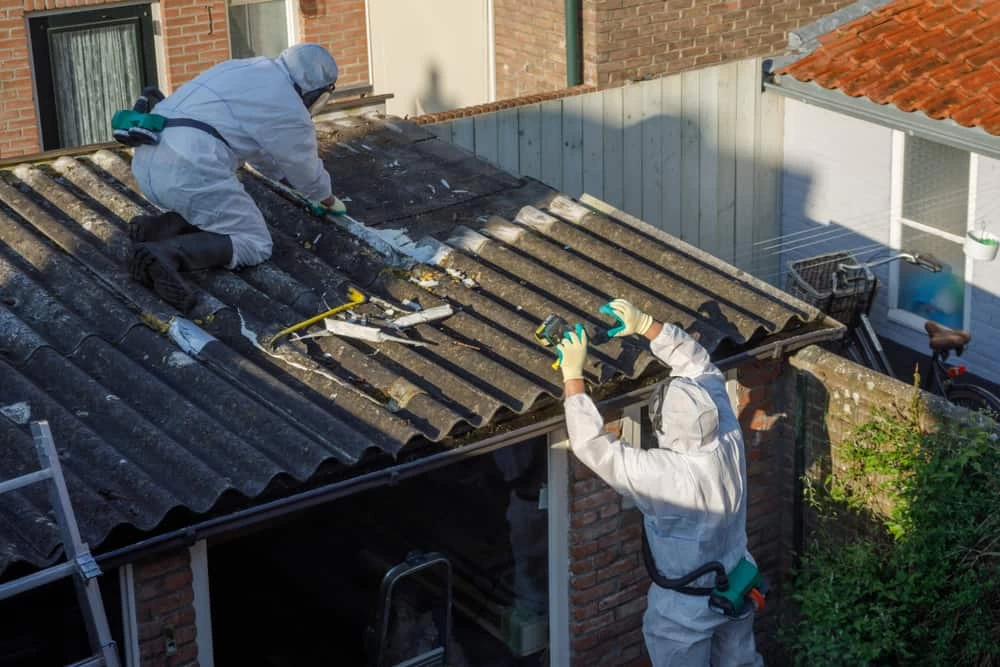
Most homes in East Atlantic Beach were built before 1955. That means asbestos abatement isn’t a maybe — it’s a real conversation before any renovation starts.
I needed a professional consultation explanation of procedure for safe removal of Asbestos in my apartment complex. Without having an account yet, I was very impressed with the caring, knowledgeable and generous advice offered by Jessica, and will look forward to doing business in the future. Thank you so much! I feel much more informed about a sometimes scary endeavor. Peace. Nancy Silva Mineola, NY.
Mia Munoz
Used this company to clean up some water flood in my house. They were fast and easy to work with.very professional, Would recommend to anyone!
Nini Valle
Great company, had a flood and they responded quickly and efficiently. Billed my insurance company directly. I highly recommend this company!
joe colapietro, jr
I had pipe freeze in my basement right before a snow storm and they made to within an hour to help start the clean up process. They we by our side throughout the entire process and even helped with the insurance company. They did such a great job with the cleanup, repair, remidiation, I contracted them to perform the repairs and finishes in the basement. They came with enough manpower and material to get the job done. Leo and Jessica were nothing but a pleasure to deal with!!
Cristian Arredondo c
I had some water damage in my home and Green Island was able to take care of my issue quickly and effectively. I am very pleased with the work they did. They responded quickly and were very professional.
Michael M
Outstanding service! From the office to the field crew everyone was friendly, helpful and responsive. I highly recommend Green Island Group.
When you’re living in a pre-1950s home on a barrier island like East Atlantic Beach, “we’ll deal with it later” isn’t really an option. Salt air accelerates material deterioration faster than most homeowners expect. Asbestos-containing pipe insulation, floor tiles, and ceiling texture that might stay stable for decades in a dry inland neighborhood can become friable — meaning airborne — much sooner in a coastal environment like yours. It’s just the reality of where you live.
Once abatement is done correctly, your renovation can move forward without a regulatory stop sign. Your contractor can demo, your permits stay clean, and your home sale doesn’t get derailed by a flagged inspection report. For homeowners in East Atlantic Beach who’ve already been through Sandy, elevated their homes onto cement slabs, or done major structural work in the years since — a current asbestos survey closes the loop on what may have been disturbed and never formally addressed.
The outcome isn’t just “asbestos is gone.” It’s that you have documentation. A paper trail that satisfies the state, satisfies your contractor, and follows the home when you eventually sell. In a market where East Atlantic Beach properties carry real value, that documentation is part of protecting what you’ve built here.
Green Island Group is a Nassau County-based asbestos abatement contractor already serving Atlantic Beach — the village directly to the west of East Atlantic Beach on the same barrier island. This isn’t a company learning your neighborhood from a map. We’ve crossed the Atlantic Beach Bridge, worked in coastal homes with decades of salt-air wear, and navigated the specific logistics that come with operating on the Long Beach Barrier Island where East Atlantic Beach sits.
We’re licensed under New York State Department of Labor requirements and fully compliant with Industrial Code Rule 56 — the state law that governs every asbestos abatement project in East Atlantic Beach. Every project we take on includes a certified inspection, proper notification to the NYS DOL, and clearance air testing when the work is done.
What we don’t do is cut corners on the back end. Clearance testing isn’t optional and it isn’t an upsell — it’s how you know the job was actually finished correctly.
It starts with an asbestos survey. Before any renovation, demolition, or repair work begins in East Atlantic Beach, New York State law requires a certified asbestos inspector to assess the property. This isn’t optional — it’s a requirement under ICR 56, and pulling a renovation permit without it puts you in a difficult position with both the state and your contractor. We handle this first step with a certified NYS Asbestos Inspector who knows what to look for in homes built during East Atlantic Beach’s primary construction era — the 1940s and 1950s — where floor tiles, pipe insulation, boiler wrapping, and textured ceilings are all common sources.
If asbestos-containing materials are identified, we move into the abatement phase. That means proper containment, safe removal by a licensed crew, and disposal that meets state and federal requirements. We also file the required project notification with the NYS DOL before work begins — that’s not something you want to skip.
After removal, we conduct clearance air sampling to confirm fiber levels are below the regulatory threshold. That clearance report is your green light — for your contractor to re-enter, for your permit to close out, and for your home’s records to show a clean, documented abatement. From survey to clearance, we manage the full process.
The Materials Most Common in East Atlantic Beach Homes
East Atlantic Beach has a median construction year of 1951, and nearly half of its homes were built before 1950. That housing profile comes with a predictable set of asbestos-containing materials — and knowing which ones are most common here helps you understand what an inspection is actually looking for.
Vinyl asbestos floor tiles are one of the most frequent finds in homes from this era. They’re often hidden under newer flooring that was simply laid on top, which means homeowners don’t even know they’re there until a contractor starts demo. Asbestos popcorn ceiling removal is another common project — textured spray ceilings were widely used from the 1950s through the late 1970s, and many East Atlantic Beach homes still have them, sometimes under a layer of paint. Pipe and boiler insulation is a third major category, especially in older colonial-style homes on the ocean side of Beech Street where original mechanical systems may still be partially intact.
Beyond those, we also handle asbestos remediation involving roofing materials, exterior siding, duct insulation, and joint compound — all materials used extensively in Nassau County homes of this age. If your home was elevated or structurally repaired after Sandy and you haven’t had a formal asbestos survey since, that’s worth addressing before the next round of work begins. Every project we take on in East Atlantic Beach is scoped specifically to the property — not templated, not rushed.
Do I legally need an asbestos inspection before renovating my East Atlantic Beach home?
Yes — and this isn’t a gray area. Under New York State’s Industrial Code Rule 56, any demolition, renovation, remodeling, or repair work in a building must be preceded by an asbestos survey conducted by a certified NYS Asbestos Inspector. That requirement applies to residential properties in East Atlantic Beach just as it does to commercial buildings. If you pull a permit for a renovation project — a kitchen gut, a bathroom remodel, a basement finish — and you haven’t had an asbestos survey completed first, you’re out of compliance with state law before the first wall comes down.
For homeowners in East Atlantic Beach specifically, this matters more than it might in a newer suburb. With a median construction year of 1951 and nearly half the housing stock built before 1950, the probability of asbestos-containing materials being present somewhere in the home is high. Floor tiles, pipe insulation, ceiling texture, roofing, siding — these were all common applications during the decades when asbestos was standard. An inspection before renovation isn’t just a legal requirement. It’s the step that keeps your project on schedule and your contractor on-site without interruption.
How much does asbestos removal typically cost for a home in East Atlantic Beach?
The honest answer is that it depends on what’s found and how much of it needs to come out. A single-room floor tile removal in a smaller East Atlantic Beach home might run in the range of $2,000 to $4,000. A more involved project — multiple material types, larger square footage, or a home that hasn’t been surveyed since pre-Sandy renovations — can reach $10,000 to $15,000 or more depending on scope.
What drives cost isn’t just the material type — it’s the volume, the accessibility, and the condition of the materials. Friable asbestos (material that crumbles easily and can release fibers) requires more stringent containment procedures than non-friable material, which affects labor and disposal costs. In a coastal environment like East Atlantic Beach, where salt air and moisture can accelerate material deterioration, materials that might be manageable in an inland home are sometimes further along toward friable than homeowners expect. We provide written, itemized estimates before any work begins — no verbal quotes, no surprises after the fact.
My home was renovated after Hurricane Sandy — do I still need an asbestos survey?
Possibly, yes — and this is a question worth taking seriously if you’re planning additional work. After Sandy hit the Long Beach Barrier Island in 2012, many East Atlantic Beach homes went through gut renovations, structural elevation onto cement slabs, and significant repairs under time pressure. In the early post-storm period especially, some of that work happened quickly, and not every project included a formal asbestos survey and abatement process before demolition began.
If your home was renovated post-Sandy but you don’t have documentation of a certified asbestos survey and clearance report from that time, there’s no way to confirm that any asbestos-containing materials disturbed during that work were properly handled. If you’re now planning a second phase of renovation — finishing a space that was only partially addressed, updating systems, or doing additional structural work — a current survey gives you a clean baseline. It also protects you from liability if a contractor, inspector, or future buyer raises questions about what was done and when.
What is asbestos popcorn ceiling removal, and is it common in East Atlantic Beach?
Popcorn ceilings — the textured, spray-on finish that was standard in American homes from the 1950s through the late 1970s — frequently contained asbestos as a binding agent. The material gave the texture its consistency and was used widely until it was banned in residential applications in 1978. In East Atlantic Beach, where the majority of the housing stock was built during exactly that window, popcorn ceilings are common — and many of them have never been tested.
The issue comes up most often when homeowners decide to modernize their interiors. Removing a popcorn ceiling without first testing it is a regulated activity in New York State. If the material tests positive for asbestos, removal must be performed by a licensed abatement contractor under ICR 56 protocols — proper containment, wet removal methods to suppress fiber release, and clearance air testing after the work is done. It’s not a DIY project, and it’s not something a general contractor can legally handle without abatement licensing. We handle asbestos popcorn ceiling removal as a standalone service, and we can test first so you know exactly what you’re dealing with before any decisions are made.
How long does the asbestos abatement process take from start to finish?
For most residential projects in East Atlantic Beach, the process from initial survey to final clearance runs anywhere from one to two weeks, depending on scope and scheduling. The survey itself is typically completed in a single visit. Lab results for samples usually come back within two to five business days. If abatement is required, the actual removal work can often be completed in one to three days for a standard residential project — a floor tile removal, a section of pipe insulation, or a single room of ceiling texture.
What adds time is the regulatory side. New York State requires project notification to the NYS DOL Asbestos Control Bureau before abatement begins, and clearance air sampling must be completed and confirmed after the work is done before the space can be re-occupied or handed back to your renovation contractor. We manage that notification process and coordinate the clearance testing so you’re not chasing paperwork on your own. If your renovation contractor is waiting on you to get abatement done before they can start, we’ll give you a realistic timeline upfront so you can plan accordingly.
Can asbestos in my East Atlantic Beach home affect my ability to sell the property?
It can complicate a sale, yes — but it doesn’t have to stop one. The more important factor is whether the asbestos issue has been properly documented and addressed. When a buyer’s inspector identifies suspect materials during a home inspection — floor tiles, pipe insulation, textured ceilings — they’ll flag it in the report. At that point, the seller typically has two options: negotiate a price reduction, or complete a certified abatement before closing.
In East Atlantic Beach, where homes carry real market value because of their barrier island location and beach access, an unresolved asbestos flag can give buyers leverage they don’t need to have. A completed abatement with a full paper trail — certified survey, NYS DOL notification, clearance air sampling report — actually becomes a selling asset. It tells the buyer that the issue was found, handled correctly, and documented by a licensed contractor. That’s a cleaner transaction for everyone. If you’re planning to list your East Atlantic Beach home and you know it was built before 1980, getting a survey done before you list puts you in control of the conversation rather than reacting to it after an offer is already on the table.