East Elmhurst Homes Were Built With It Here's How You Get Rid of It Safely
Most homes in East Elmhurst were built in the 1940s and 50s right when asbestos was standard in nearly every construction material. If you’re renovating, selling, or dealing with damage, we handle asbestos abatement from the first test to the final clearance certificate.
I needed a professional consultation explanation of procedure for safe removal of Asbestos in my apartment complex. Without having an account yet, I was very impressed with the caring, knowledgeable and generous advice offered by Jessica, and will look forward to doing business in the future. Thank you so much! I feel much more informed about a sometimes scary endeavor. Peace. Nancy Silva Mineola, NY.
Mia Munoz
Used this company to clean up some water flood in my house. They were fast and easy to work with.very professional, Would recommend to anyone!
Nini Valle
Great company, had a flood and they responded quickly and efficiently. Billed my insurance company directly. I highly recommend this company!
joe colapietro, jr
I had pipe freeze in my basement right before a snow storm and they made to within an hour to help start the clean up process. They we by our side throughout the entire process and even helped with the insurance company. They did such a great job with the cleanup, repair, remidiation, I contracted them to perform the repairs and finishes in the basement. They came with enough manpower and material to get the job done. Leo and Jessica were nothing but a pleasure to deal with!!
Cristian Arredondo c
I had some water damage in my home and Green Island was able to take care of my issue quickly and effectively. I am very pleased with the work they did. They responded quickly and were very professional.
Michael M
Outstanding service! From the office to the field crew everyone was friendly, helpful and responsive. I highly recommend Green Island Group.
Your Renovation Moves Forward Without the Regulatory Mess
Here’s what most East Elmhurst homeowners don’t realize until they’re mid-demo: nearly half the homes in this neighborhood were built before 1950, and the materials used back then floor tiles, pipe insulation, ceiling texture almost always contained asbestos. Stopping a renovation to figure out what you’re dealing with is stressful enough. Getting stuck because you hired someone who doesn’t know the NYC DEP process makes it worse.
When asbestos abatement is handled correctly in New York City, you get more than a clean space. You get the ACP-5 form your DOB permit requires, the ACP-7 project notification filed before work begins, and the post-clearance air testing documentation that your real estate attorney or insurance adjuster will ask for. That paperwork isn’t optional in East Elmhurst it’s the difference between a renovation that moves forward and one that sits in limbo.
If your East Elmhurst home was built before 1940, there’s another layer: lead paint. It’s almost always present alongside asbestos in the older brick homes throughout the neighborhood, and most contractors are licensed for one but not both. We hold both NYS DOL Asbestos certification and USEPA Lead/RRP certification, so both hazards can be addressed under one contract, one visit, and one clearance process.
Licensed Asbestos Contractor Serving East Elmhurst
One Team From Testing to Reconstruction No Handoffs
We’re a fully licensed environmental remediation and general contracting company serving East Elmhurst and the surrounding Queens communities. Our certifications NYS DOL Asbestos, USEPA Lead/RRP, IICRC, NYC BIC, NYS MBE, and licensed general contractor in New York City aren’t just a list. They reflect the reality that asbestos work in NYC requires more than a single state license to do legally and completely.
What makes a real difference for East Elmhurst property owners is our full-service model. Abatement almost never happens in isolation. It gets triggered by a renovation, a burst pipe in a 1950s basement, or a pre-sale inspection that surfaces something unexpected. We handle the asbestos removal and the reconstruction that follows same team, same project, no gap in between.
Clients who’ve worked with us specifically mention the direct communication, 24/7 availability, and the ability to bill insurance directly. For a neighborhood where many residents have been in their homes since the 1970s and are now facing their first major renovation, that kind of continuity matters.
What Actually Happens From the First Call to Final Clearance
It starts with an inspection. A certified investigator comes to your East Elmhurst property, identifies suspect materials floor tiles, pipe wrap, popcorn ceilings, roofing, duct insulation and collects samples for lab analysis. In a pre-1960 home, there are usually several materials worth testing, not just the obvious ones. The inspection report tells you exactly what you have and what needs to happen next.
If asbestos is confirmed, the regulatory process kicks in before any removal begins. In New York City, that means filing an ACP-7 notification with NYC DEP a step that’s required by law and one that unlicensed or out-of-borough contractors sometimes skip, leaving the property owner exposed. We handle that filing as part of the job, not as an add-on.
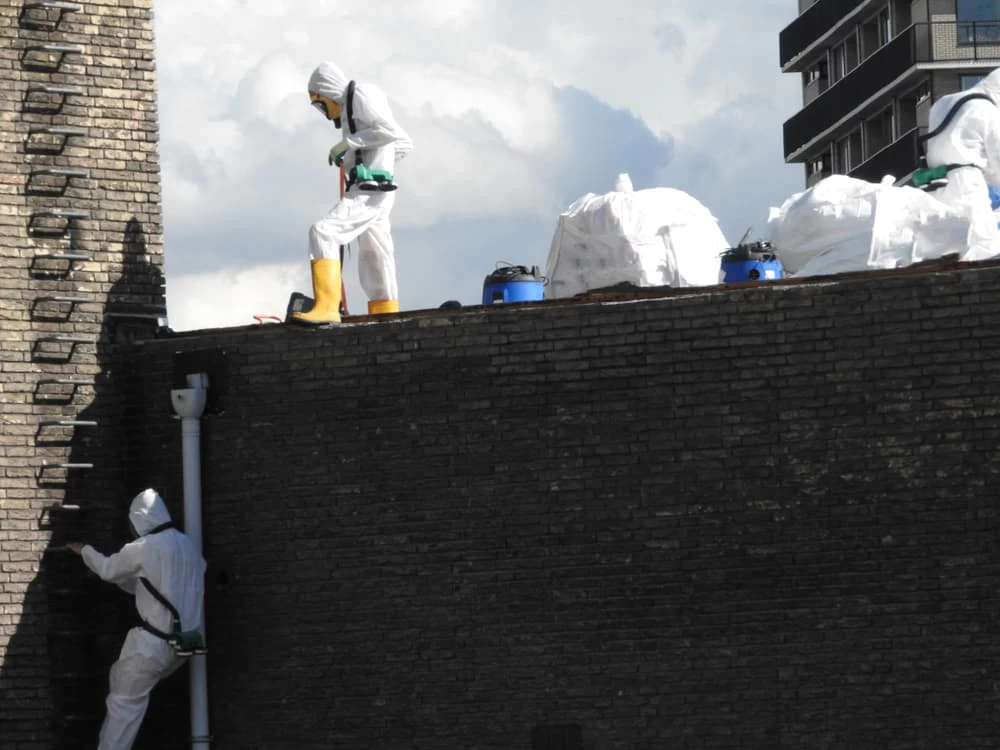
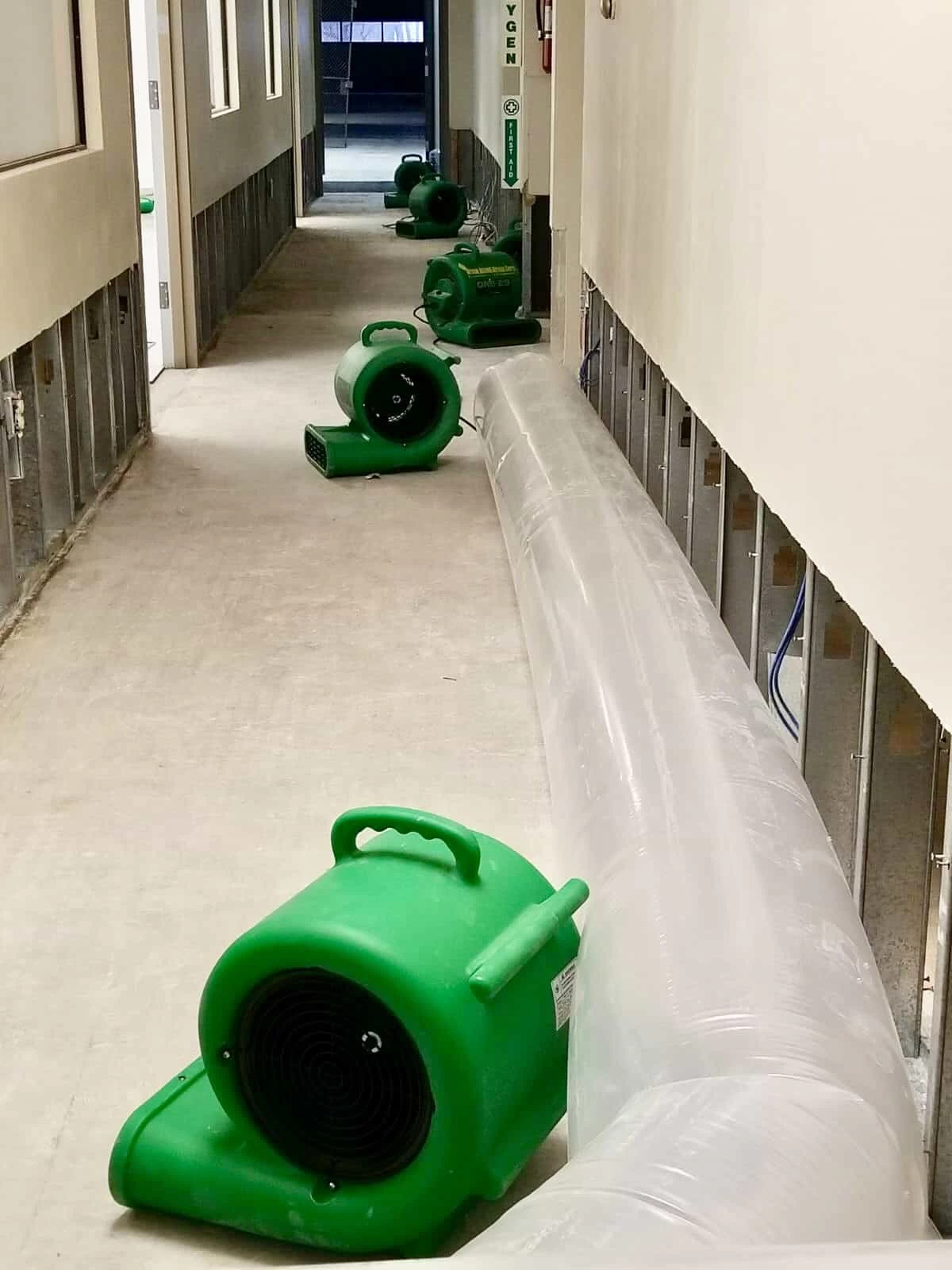
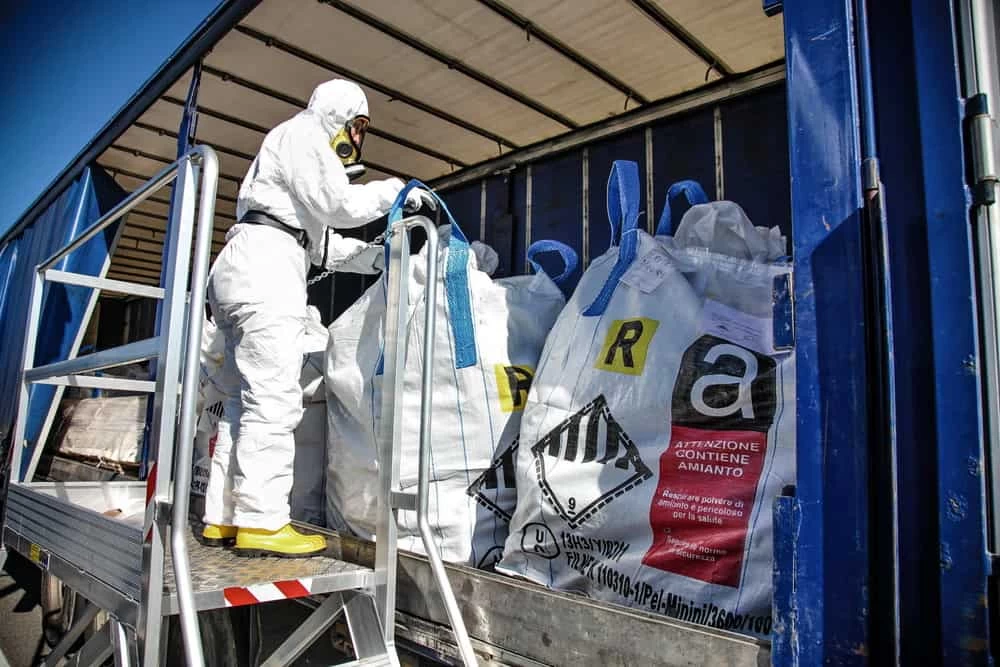
Abatement is done under full containment with negative air pressure and HEPA filtration. Once removal is complete, post-clearance air testing is conducted by a third party to confirm fiber levels are within safe limits. You receive a clearance certificate and the ACP-21 completion form the documentation your DOB permit process, real estate closing, or insurance claim will require. If reconstruction follows, we pick up where abatement left off.
Asbestos Testing and Tile Removal in East Elmhurst
Every Material, Every Hazard, Handled Under One Roof
The most common asbestos-containing materials found in East Elmhurst homes are vinyl asbestos floor tiles, steam pipe insulation, sprayed popcorn ceiling texture, asbestos cement roofing shingles, and HVAC duct wrap. These were all standard in the brick single- and two-family homes built along the side streets off Astoria Boulevard between the 1930s and 1960s. Asbestos tile removal and popcorn ceiling removal are among the most frequent jobs in this zip code and both require licensed abatement before any renovation or sale can legally proceed.
Our scope covers the full range: asbestos inspection and sampling, abatement and removal, encapsulation where appropriate, post-removal air clearance verification, and reconstruction. For landlords managing multi-family properties or apartment turnovers in East Elmhurst, our general contracting capability means the unit can go from abatement to rent-ready without bringing in a second contractor. For homeowners preparing for a sale, the clearance certificate and completion forms are delivered as a standard part of the process not something you have to chase down separately.
If the job involves a home built before 1940, lead paint assessment can be added to the same scope. Given that nearly 30% of East Elmhurst’s housing stock predates 1940, that combination comes up often and handling both under one contract saves time, money, and the headache of coordinating separate specialists.
Do I need an ACP-5 form before renovating my East Elmhurst home?
Yes and this is one of the most commonly misunderstood steps for homeowners in East Elmhurst. Any renovation, alteration, or demolition of a building constructed before April 1, 1987, that requires a New York City Department of Buildings permit must first go through NYC DEP’s asbestos review process. That means an ACP-5 form completed by a DEP-Certified Asbestos Investigator has to be filed before DOB will issue your permit. It doesn’t matter how small the job is if it needs a permit and the building predates 1987, the ACP-5 is required.
Given that the median construction year for homes in East Elmhurst is 1952, virtually every permitted renovation project in the neighborhood triggers this requirement. If asbestos is found during the survey, an ACP-7 notification must be filed with DEP before abatement begins, and ACP-21 or ACP-20 completion forms must be submitted before your permit process can move forward. We handle all of these filings as part of the abatement scope so your renovation doesn’t stall at the permit window because of missing paperwork.
How do I know if my home has asbestos floor tiles or pipe insulation?
You can’t tell by looking. Asbestos-containing materials were designed to look exactly like non-asbestos materials the only way to know for certain is to have samples collected and sent to an accredited laboratory for analysis. That said, if your East Elmhurst home was built between the 1930s and 1970s, the probability is high. Vinyl floor tiles in that era were almost universally made with asbestos binders. Steam pipe insulation in older basements was routinely wrapped with asbestos cloth or plaster. Popcorn ceiling texture applied before 1978 frequently contained asbestos compounds.
The inspection process involves a certified investigator walking the property, identifying suspect materials by location and type, and collecting physical samples typically small sections of tile, insulation, or ceiling texture. Results come back from the lab within a few days. From there, you’ll have a clear picture of what’s present, where it is, and what level of risk it poses based on its current condition. Materials that are intact and undisturbed carry a different risk profile than materials that are already deteriorating or about to be disturbed by renovation work.
Is asbestos in my East Elmhurst home dangerous if I'm not renovating?
It depends on the condition of the material. Asbestos that is intact, stable, and undisturbed generally doesn’t release fibers into the air and fibers are what create the health risk. A vinyl asbestos floor tile that’s been under carpet for 40 years and shows no cracking or deterioration is in a very different category than pipe insulation that’s crumbling in a damp basement or ceiling texture that’s been partially scraped.
In East Elmhurst, the freeze-thaw cycles that Queens experiences every winter put real stress on older mechanical systems. Pipe insulation in basement boiler rooms can degrade over time, especially after a water intrusion event or a pipe freeze. When that insulation starts to break down, it becomes friable meaning it can release fibers into the air with minimal disturbance. If you’ve noticed deteriorating insulation, water damage near older materials, or crumbling ceiling texture in a pre-1980 home, it’s worth having those materials assessed before the condition gets worse. An inspection gives you a clear picture without committing you to anything.
How long does asbestos abatement take in a typical East Elmhurst home?
For most residential projects floor tile removal in a kitchen, pipe insulation in a basement, or popcorn ceiling in a few rooms the abatement itself typically takes one to two days. The timeline that catches people off guard is the regulatory piece on either side of the physical work. In New York City, the ACP-7 notification to NYC DEP must be filed before abatement begins, and there’s a required waiting period before work can start. Post-clearance air testing happens after abatement is complete, and results need to come back from the lab before the space can be re-occupied or the permit process can resume.
From first inspection to clearance certificate, a straightforward residential project in East Elmhurst typically runs one to two weeks when you account for lab turnaround, DEP notification timing, and post-clearance testing. Larger projects multi-floor abatement, commercial properties, or jobs that involve both asbestos and lead take longer. If you’re working against a real estate closing deadline or a contractor schedule, the earlier you start the process, the more room you have to manage the timeline without pressure.
Can I sell my East Elmhurst house if it has asbestos?
Yes but the path from discovery to closing requires the right documentation. Asbestos discovered during a pre-sale inspection doesn’t automatically kill a deal, but it does create a disclosure obligation and typically triggers a buyer request for remediation before closing. The key is moving quickly and getting the right paperwork in hand. A clearance certificate from a licensed abatement contractor, combined with the ACP-21 completion form filed with NYC DEP, gives the buyer’s attorney and title company what they need to proceed.
East Elmhurst’s housing stock makes pre-sale asbestos discovery genuinely common. Homes that have been in the same family since the 1950s or 60s often haven’t had major renovation work which means the original asbestos-containing materials are still in place and intact, but they surface the moment a buyer’s inspector starts looking. We’ve worked through this exact scenario for East Elmhurst homeowners from the discovery call through the clearance certificate within timelines that kept closings on track. If you’re facing a closing date, call early and be upfront about your timeline. It’s solvable.
What does asbestos abatement cost for a home in East Elmhurst, NY?
Cost varies based on the type of material, the quantity, and the scope of work involved. For a straightforward asbestos tile removal in a single room, you’re typically looking at a few hundred dollars on the low end. A larger project basement pipe insulation, multi-room floor tile, or popcorn ceiling across an entire floor can run $2,000 to $6,000 or more depending on square footage and site conditions. Projects that require both asbestos and lead abatement, which is common in East Elmhurst homes built before 1940, will reflect the combined scope.
What affects cost most in New York City is the regulatory overhead: DEP notification filings, third-party post-clearance air testing, and the documentation required for DOB permit compliance add real cost that you won’t see quoted by contractors who cut corners on those steps. If a quote looks unusually low, it’s worth asking specifically whether the ACP-7 notification, post-clearance air testing, and ACP-21 completion forms are included because those aren’t optional in NYC, and skipping them creates liability for the property owner, not the contractor. We provide full documentation as a standard part of every project, not as an add-on.