East Hampton Renovations Don't Wait Neither Should Your Asbestos Clearance
If you’re renovating a pre-1980 home in East Hampton, asbestos abatement isn’t optional it’s required before a single wall comes down. We keep your project moving with certified removal, proper documentation, and zero shortcuts.
I needed a professional consultation explanation of procedure for safe removal of Asbestos in my apartment complex. Without having an account yet, I was very impressed with the caring, knowledgeable and generous advice offered by Jessica, and will look forward to doing business in the future. Thank you so much! I feel much more informed about a sometimes scary endeavor. Peace. Nancy Silva Mineola, NY.
Mia Munoz
Used this company to clean up some water flood in my house. They were fast and easy to work with.very professional, Would recommend to anyone!
Nini Valle
Great company, had a flood and they responded quickly and efficiently. Billed my insurance company directly. I highly recommend this company!
joe colapietro, jr
I had pipe freeze in my basement right before a snow storm and they made to within an hour to help start the clean up process. They we by our side throughout the entire process and even helped with the insurance company. They did such a great job with the cleanup, repair, remidiation, I contracted them to perform the repairs and finishes in the basement. They came with enough manpower and material to get the job done. Leo and Jessica were nothing but a pleasure to deal with!!
Cristian Arredondo c
I had some water damage in my home and Green Island was able to take care of my issue quickly and effectively. I am very pleased with the work they did. They responded quickly and were very professional.
Michael M
Outstanding service! From the office to the field crew everyone was friendly, helpful and responsive. I highly recommend Green Island Group.
Your East Hampton Renovation Stays on Schedule. Your Property Stays Protected.
East Hampton’s renovation season is short and unforgiving. Most serious work needs to be wrapped before Memorial Day weekend, and if asbestos shows up mid-project without a certified abatement on record, a stop-work order follows. That means your GC is standing still, your trades are backing up, and your summer timeline is gone. Getting a certified survey and abatement done before work starts isn’t just smart it’s the only way to keep everything moving.
The housing stock here adds another layer of complexity. From mid-century ranches in Springs to historic cottages near East Hampton Village to older bungalows in Amagansett, many of these homes have been renovated two or three times over the decades. That means asbestos-containing materials can show up in places you wouldn’t expect floor tile adhesive from a 1960s kitchen update, pipe insulation from a 1970s bathroom addition, joint compound behind drywall that’s been there since the Nixon administration. A thorough survey catches all of it before your contractor does.
East Hampton’s coastal environment makes this more urgent, not less. Salt air and high humidity off the Atlantic and Gardiners Bay accelerate the breakdown of older building materials. Asbestos that might stay stable in a dry inland home can become friable meaning it crumbles and releases fibers much faster in this climate. If your property has been exposed to storm damage, flooding, or years of moisture infiltration, that risk goes up significantly. We address the material as it actually exists, not as it looked when it was installed forty years ago.
Licensed, Local, and Straight With You From the First Call
We’re a Suffolk County–based environmental services company that has been working across East Hampton and the East End for years. We’re not a national directory referral. We’re not an out-of-area company that created a landing page for East Hampton without ever pulling a permit at 300 Pantigo Place. We know this area, we know the building department, and we know the building stock from the layered renovation histories of older Springs properties to the large-scale estate work happening closer to the Village.
Every project we take on is handled by NYS Department of Labor–licensed contractors and certified workers under Industrial Code Rule 56. That’s not a marketing claim it’s the legal standard for asbestos abatement in New York, and it’s what your building permit file requires. We provide every document your project team needs: survey reports, waste manifests, air monitoring results, and post-abatement clearance certifications. Your architect, GC, and attorney all get what they need, and the work gets done right.
From First Call to Clearance Certificate Here's What to Expect
It starts with a site assessment. A certified asbestos inspector walks the property and identifies any materials that could contain asbestos floor tiles, ceiling texture, pipe insulation, roofing, drywall compound, and more. In East Hampton properties with multiple renovation layers, this step matters more than most people expect. What looks like a simple tile floor might be sitting on top of an older adhesive bed that tests positive. The inspection is thorough because the consequences of missing something aren’t minor.
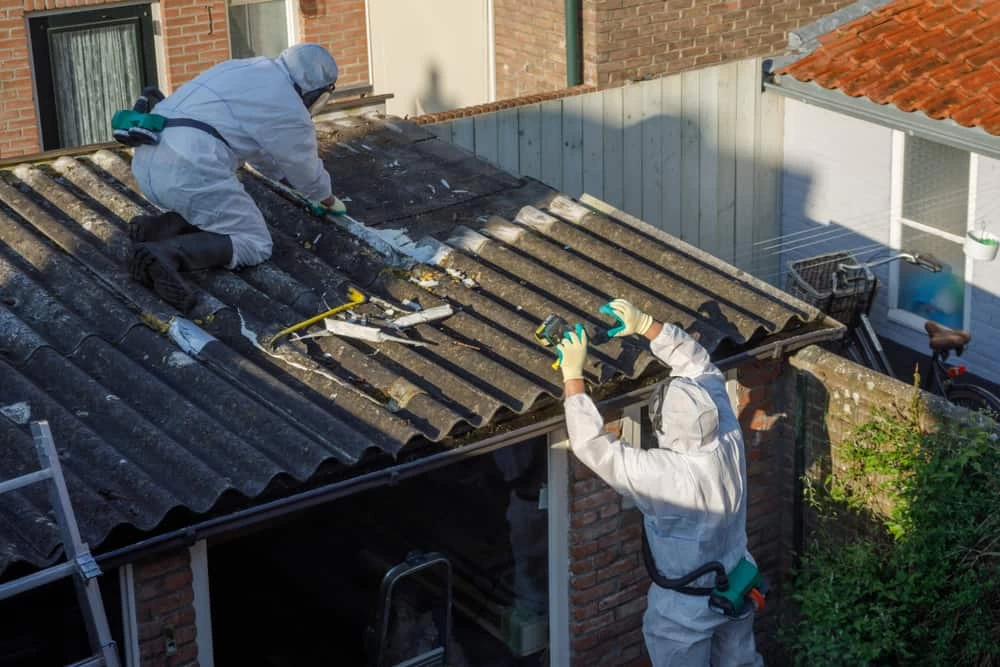
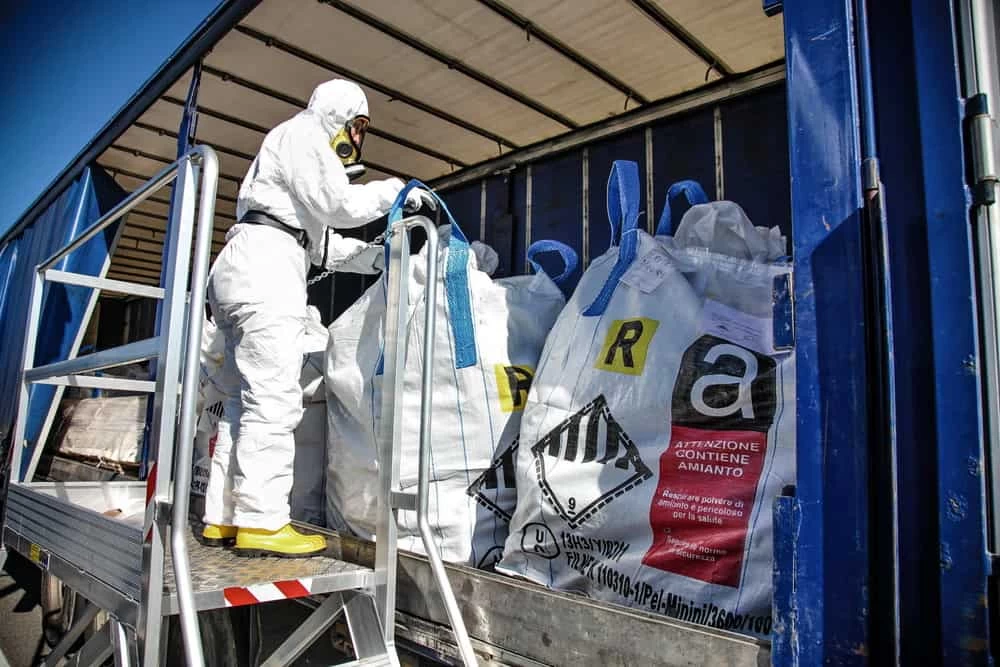
Once the survey is complete, you get a written report that documents exactly what was found, where it is, and what needs to happen before work can proceed. If abatement is required, we schedule it around your project timeline and given the spring crunch that hits East Hampton every year before the summer season opens, we work to move quickly. The abatement itself involves full containment of the work area, negative air pressure to prevent fiber migration, removal by certified workers in proper PPE, and sealed disposal at an approved Suffolk County waste facility.
After the work is done, post-abatement air monitoring is conducted to confirm the space is clear. That clearance documentation goes into your permit file and is available for your GC, architect, or real estate attorney. Nothing moves forward until the air test confirms the area is clean and once it does, your project can proceed without the liability of an unresolved asbestos condition hanging over it.
Every Material Type, Every Corner of Your East Hampton Property
Asbestos doesn’t show up in just one place. In East Hampton homes built between the 1930s and late 1970s and that covers a significant portion of the housing stock in Springs, Amagansett, Wainscott, and Montauk it can be present in vinyl floor tiles, the black mastic adhesive underneath them, acoustic popcorn ceiling texture, pipe and duct insulation, roofing shingles, siding panels, and the joint compound used in drywall finishing. We handle all of it under one roof, which means you’re not coordinating between a testing firm, a removal contractor, and a clearance tester. One company manages the full scope.
Asbestos tile removal is one of the most common requests we get from East Hampton homeowners going into a kitchen or bathroom renovation. Those 9×9 floor tiles from the 1950s and 1960s are almost always suspect, and the adhesive beneath them frequently tests positive even when the tiles themselves don’t. We remove both safely, with full containment and air monitoring, so your new flooring installation starts on a clean, documented surface.
Asbestos popcorn ceiling removal comes up constantly in mid-century properties throughout Springs and Montauk, where acoustic ceiling treatments were applied widely during the 1960s and 1970s. If your renovation plan includes opening up a ceiling or simply updating the finish, that texture needs to be tested and if positive removed by a licensed contractor before any other work touches it. We handle the containment, the removal, and the clearance documentation so the next trade can walk in without any questions about what was there before.
Do I need an asbestos survey before pulling a building permit in East Hampton?
In most cases involving pre-1980 construction, yes. New York State Industrial Code Rule 56 requires a certified asbestos inspection before any renovation or demolition that could disturb potential asbestos-containing materials. This applies throughout Suffolk County, including all of East Hampton Town the Village, Springs, Amagansett, Wainscott, and Montauk. The East Hampton Town Building Department, located at 300 Pantigo Place, typically requires asbestos clearance documentation as part of the permitting process for projects that involve demolition or disturbance of existing materials.
If you’re working with a general contractor or architect and they’ve flagged this requirement, they’re right to do so. Getting the survey done before permits are pulled not after work has started is the move that keeps your project on schedule and keeps your contractor out of a stop-work situation. A certified inspector can usually identify quickly whether your specific scope of work triggers the requirement, so it’s worth a call before you assume one way or the other.
How do I know if my East Hampton home actually contains asbestos?
You can’t tell by looking. Asbestos fibers are microscopic, and the materials that contain them floor tiles, ceiling texture, pipe insulation, roofing, joint compound look completely normal. The only way to know for certain is to have samples collected by a certified asbestos inspector and sent to an accredited laboratory for analysis. That’s not optional if you’re planning renovation or demolition work on a home built before 1980.
In East Hampton specifically, the building stock makes this more complicated than it sounds. A lot of properties in Springs, Amagansett, and Montauk have been renovated multiple times over several decades. You might be looking at a 1940s structure with a 1960s kitchen, a 1970s bathroom, and a 1980s basement finish each renovation era bringing its own materials and its own asbestos risk profile. A thorough inspection accounts for all of those layers, not just the most recent surface. If your home falls into that category, a single-pass visual inspection isn’t going to cut it.
What happens if asbestos is found after my contractor already started work?
Work needs to stop. Under New York State law, if asbestos-containing materials are disturbed during renovation without a prior certified survey and abatement plan in place, the project is in violation of ICR 56. That can trigger a stop-work order from the East Hampton Town Building Department, and it creates real liability for the property owner not just the contractor. The area where disturbance occurred may need to be sealed off and assessed for fiber contamination before anyone re-enters.
This situation is more common than people expect, especially in East Hampton properties where older materials are hidden behind newer finishes. A contractor pulls up flooring, cuts into a wall, or disturbs ceiling texture and finds something unexpected. At that point, all non-emergency work stops, a certified abatement contractor comes in to assess and contain the situation, and the project timeline takes a hit. The cost of dealing with it reactively is almost always higher in time, money, and stress than having the survey done before the first tool is picked up. If you’re already in this situation, call us and we’ll walk through what needs to happen next.
How long does asbestos abatement take for a typical East Hampton renovation project?
It depends on the scope, but most residential abatement projects in East Hampton run anywhere from one day to a week. A straightforward asbestos tile removal in a single room can often be completed in a day or two. A more involved project multiple rooms, pipe insulation, ceiling texture, and layered materials across a larger property takes longer, and the post-abatement air monitoring and clearance testing add time on top of the physical removal work.
Timing matters a lot in East Hampton given the seasonal renovation calendar. If you’re trying to complete work before Memorial Day weekend, you need to account for the survey, the abatement, and the clearance testing all of which need to happen before your GC can proceed. Scheduling early in the spring, or even in the fall and winter off-season, gives you the most flexibility. Waiting until April to start the process when you want work done by late May is a tight window, and availability for certified contractors gets compressed quickly as the season approaches. The earlier you get the survey scheduled, the better your options.
Is asbestos common in Springs and Montauk homes, or mainly in the Village?
Asbestos risk isn’t concentrated in one part of East Hampton Town it’s spread across all of the hamlets, just in different forms. Springs has a significant amount of mid-century housing stock, including older ranches and cottages where vinyl asbestos floor tiles and acoustic ceiling treatments were widely used. Montauk, with its fishing-community roots and older residential construction, has similar exposure. The Village itself has some of the oldest structures in the area properties dating back to the early 1900s and in some cases earlier which come with their own layered renovation histories.
What varies by area is the type of material most likely to be present. In Springs and Montauk, you’re more likely to encounter floor tile and popcorn ceiling issues tied to 1950s–1970s construction. In older Village properties, pipe insulation and building wrap materials from earlier renovation eras are more common. Wainscott and Amagansett fall somewhere in between. The point is that no part of East Hampton Town is exempt from the question if the home was built or substantially renovated before 1980, a certified inspection is the only way to know what you’re actually dealing with.
Can asbestos in an East Hampton home affect a real estate transaction or sale?
It can, and in a market where property values routinely exceed seven figures, this is a real concern. An undisclosed asbestos condition or evidence of an improper abatement by an uncertified contractor can create significant complications during the due diligence phase of a sale. Buyers’ attorneys in East Hampton are thorough, and inspectors hired for high-value transactions look hard at environmental conditions. If asbestos is found and there’s no documentation of a proper, licensed abatement, it becomes a negotiating issue at best and a deal-killer at worst.
The good news is that a properly documented abatement actually strengthens a property’s position in a transaction. When you can show a buyer’s attorney a certified survey report, a licensed contractor’s abatement records, waste disposal manifests, and a post-abatement clearance air test, the issue is closed not open. We provide all of that documentation as a standard part of every project. If you’re preparing a property for sale, or if you’re a buyer who wants to know what you’re actually purchasing, a certified asbestos inspection is one of the most straightforward ways to remove uncertainty from the process.