East Islip Homes Were Built With It Here's How You Get Rid of It Safely
Most homes in East Islip were built around 1958 right when asbestos was standard in nearly every part of residential construction. If you’re renovating, selling, or dealing with damage, we handle asbestos abatement the right way, start to finish.
I needed a professional consultation explanation of procedure for safe removal of Asbestos in my apartment complex. Without having an account yet, I was very impressed with the caring, knowledgeable and generous advice offered by Jessica, and will look forward to doing business in the future. Thank you so much! I feel much more informed about a sometimes scary endeavor. Peace. Nancy Silva Mineola, NY.
Mia Munoz
Used this company to clean up some water flood in my house. They were fast and easy to work with.very professional, Would recommend to anyone!
Nini Valle
Great company, had a flood and they responded quickly and efficiently. Billed my insurance company directly. I highly recommend this company!
joe colapietro, jr
I had pipe freeze in my basement right before a snow storm and they made to within an hour to help start the clean up process. They we by our side throughout the entire process and even helped with the insurance company. They did such a great job with the cleanup, repair, remidiation, I contracted them to perform the repairs and finishes in the basement. They came with enough manpower and material to get the job done. Leo and Jessica were nothing but a pleasure to deal with!!
Cristian Arredondo c
I had some water damage in my home and Green Island was able to take care of my issue quickly and effectively. I am very pleased with the work they did. They responded quickly and were very professional.
Michael M
Outstanding service! From the office to the field crew everyone was friendly, helpful and responsive. I highly recommend Green Island Group.
Your Home Gets Cleared. Your Project Moves Forward.
When asbestos is handled correctly, the relief is immediate. You’re not guessing anymore. You know what’s in your home, where it is, and that it’s been removed by licensed professionals who documented every step. That’s the outcome not just a cleaner house, but a legally clear one.
For East Islip homeowners, that clarity matters more than most people realize. The median home here is worth close to $785,000, and buyers in this market are thorough. An asbestos issue that surfaces during a home inspection especially in a house built in the 1950s or 1960s can stall a deal or kill it entirely. Getting ahead of it protects your sale and your timeline.
The South Shore location adds another layer. East Islip sits on the Great South Bay, and the humidity, salt air, and periodic storm flooding that come with that geography accelerate the breakdown of older building materials. Pipe insulation, floor tiles, and ceiling texture that might be stable in a drier climate can become friable here meaning they crumble, and when they crumble, they become airborne. That’s when exposure risk becomes real. Professional abatement removes that risk before it becomes a health concern or a renovation delay.
We Know East Islip's Housing Stock Because We Work In It Every Day
We’re a Long Island-based asbestos abatement and environmental remediation company working throughout Suffolk County. East Islip is a community we know well the post-war Cape Cods and split-levels along Montauk Highway, the older homes near Connetquot Avenue, the waterfront properties in The Moorings where construction ran from 1964 through the 1970s. These aren’t abstract building types to us. They’re the homes we walk through regularly.
Every contractor and technician we send to your home holds individual certification under New York State Industrial Code Rule 56. That’s not a marketing point it’s the legal standard in New York, and it’s what separates a legitimate abatement job from one that creates more liability than it solves.
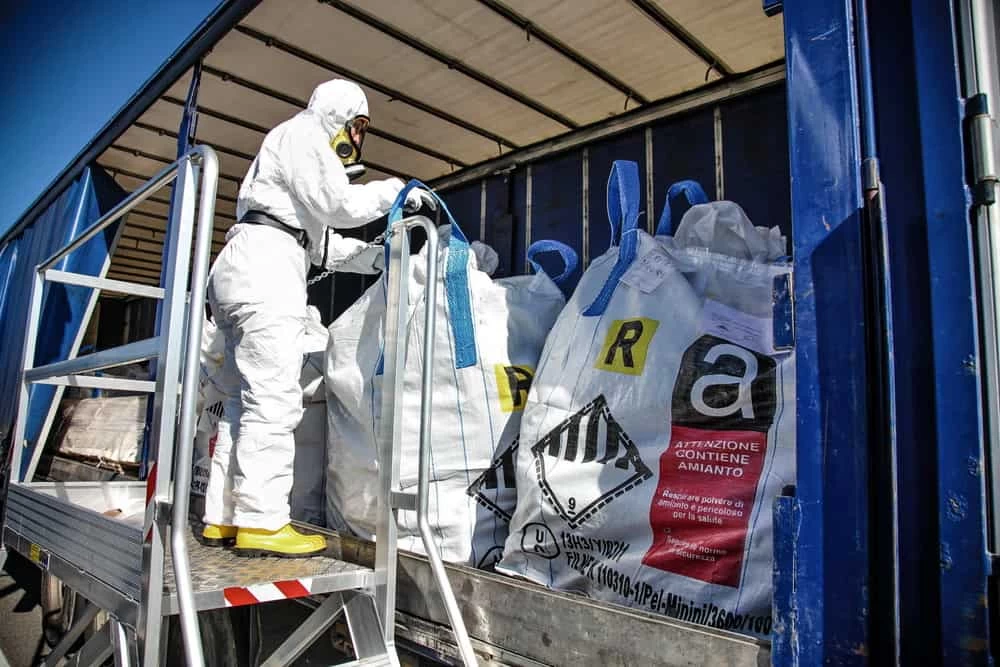
We handle the full process: the certified inspection, the lab sampling, the abatement itself, proper disposal through Suffolk County-approved facilities, and the clearance air testing that closes the job out. You get full documentation at every stage the kind you’ll need for your building permit, your home sale, or your own peace of mind.
No Guesswork Just a Clear Process From First Call to Final Clearance
It starts with an inspection. A certified asbestos inspector walks your home and identifies any materials that may contain asbestos floor tiles, ceiling texture, pipe insulation, roofing, joint compound, whatever applies to your specific property. In East Islip, where the average home is nearly 70 years old, that inspection often covers more ground than homeowners expect. Samples are collected and sent to an accredited lab, and you get a written report detailing exactly what was found, where it is, and what condition it’s in.
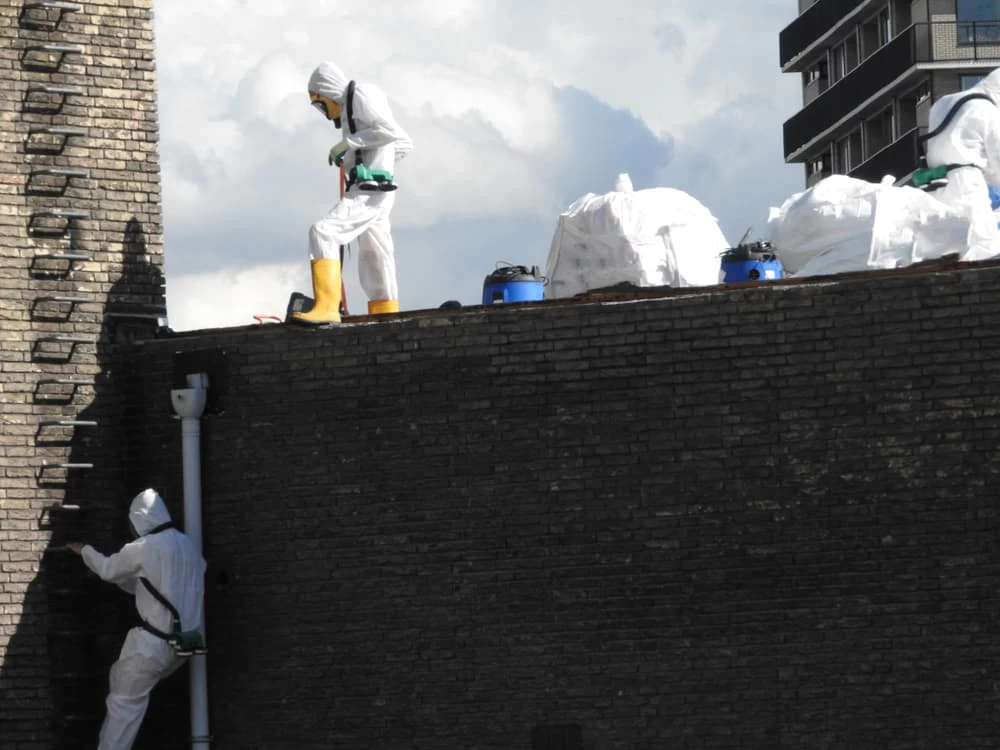
From there, if abatement is needed, we set up proper containment around the work area. Negative air pressure, sealed barriers, protective equipment the full protocol required under New York State law. This protects the rest of your home while the work is being done. Before any renovation or demolition project in a pre-1980 home, New York State requires this survey and abatement process to be completed before the Town of Islip Building Department will issue permits. We know that process and we move through it efficiently so your project doesn’t sit idle.
Once the abatement is complete, a final air clearance test is conducted by a third-party inspector to confirm the area is clean. You receive a full package of documentation inspection report, abatement records, disposal manifests, and clearance results. That paperwork is yours to keep and use however you need it.
Asbestos Tile and Popcorn Ceiling Removal in East Islip
The Materials Most Common in East Islip Homes And How We Handle Them
The two asbestos-containing materials we find most often in East Islip homes are vinyl floor tiles and spray-applied ceiling texture. The 9×9 and 12×12 vinyl tiles in kitchens, basements, and utility rooms were standard in post-war construction across the South Shore. Many homeowners discover them when they pull up carpet during a remodel. Asbestos popcorn ceiling removal is equally common that textured finish was widely used through the late 1970s and frequently contains chrysotile asbestos. Sanding or scraping either material without testing first is illegal under New York State law and genuinely dangerous.
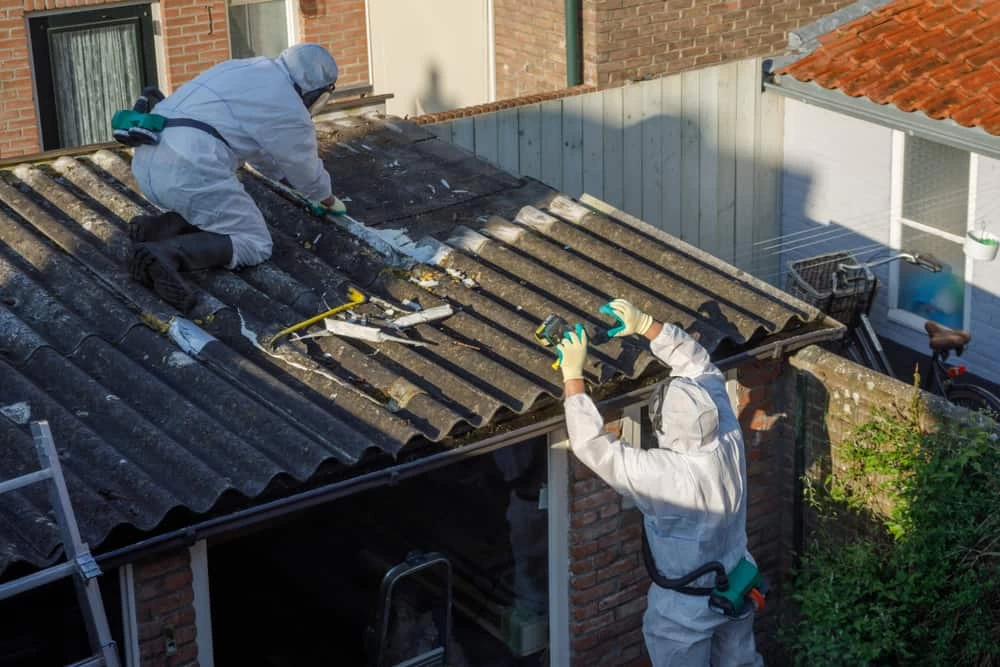
Beyond tiles and ceilings, we also handle pipe and boiler insulation a common find in the basements of older East Islip homes, especially around aging heating systems as well as roofing materials, exterior cement board siding, and joint compound. If you’re dealing with storm or water damage, that’s often when these materials become urgent. A flooded basement in a 1950s East Islip home can disturb pipe insulation that was otherwise stable, turning a water damage situation into an asbestos situation that has to be addressed before any restoration work begins.
Every project we take on in East Islip, whether it’s a single damaged tile or a full pre-renovation abatement, follows the same certified process proper containment, licensed removal, approved disposal through Suffolk County facilities, and full documentation when we’re done.
Does my East Islip home likely have asbestos if it was built before 1980?
The honest answer is yes it’s very likely. East Islip’s median home construction year is 1958, and homes built between the 1940s and late 1970s were routinely constructed with asbestos-containing materials. That includes floor tiles, pipe insulation, ceiling texture, roofing materials, and joint compound. It wasn’t a corner-cutting measure at the time asbestos was considered a high-quality, durable building material, and it was used widely across the South Shore and throughout Long Island.
That doesn’t mean your home is dangerous right now. Asbestos that’s in good condition and left undisturbed generally doesn’t pose an immediate health risk. The risk increases when materials become damaged, deteriorate with age, or get disturbed during renovation work. If your home was built before 1980 and you’re planning any work that touches floors, ceilings, walls, or mechanical systems, a certified inspection before you start is the right move and in New York State, it’s required by law.
What happens if a contractor finds suspected asbestos during my renovation project?
Work stops. That’s the short answer, and it’s the correct one. Under New York State Industrial Code Rule 56, if suspected asbestos-containing materials are discovered during a renovation, the work has to pause until a certified inspector evaluates the material and, if necessary, a licensed abatement contractor removes it. Continuing to work around suspected asbestos or asking a general contractor to just “deal with it” creates real legal and health exposure for everyone involved.
This situation comes up regularly in East Islip, especially during kitchen remodels, basement finishing projects, and HVAC replacements in homes built in the 1950s and 1960s. The fastest path forward is a prompt inspection and, if abatement is needed, a contractor who can move efficiently through the process. We work with homeowners and their contractors to minimize downtime. The goal is to get the inspection done, the abatement completed, and the clearance testing finished so your renovation can get back on track as quickly as possible.
Do I need an asbestos inspection before selling my East Islip home?
You’re not legally required to conduct an asbestos inspection before listing your home in New York, but in a market like East Islip where homes are selling fast and buyers are paying close to $785,000 on average buyers and their attorneys are thorough. If asbestos is discovered during a buyer’s inspection, you’re either negotiating a price reduction, agreeing to abatement before closing, or watching the deal fall apart. None of those are good outcomes when you’re already under contract.
A pre-listing asbestos survey gives you control over the situation. You know what’s there, you’ve addressed it on your timeline, and you have the documentation to show buyers that the work was done correctly by licensed professionals. In a competitive South Shore market where homes move in around 22 days, that kind of clean disclosure can actually be a selling point. It removes a common source of last-minute friction and gives buyers one less reason to renegotiate.
How does storm or water damage affect asbestos risk in an older East Islip home?
It can turn a stable situation into an urgent one. Asbestos-containing materials that are intact and undisturbed typically don’t release fibers into the air. But when those materials get wet, compressed, or physically disturbed which is exactly what happens during a flood or water intrusion event they can become friable. Friable means they crumble easily, and crumbling asbestos releases fibers that can become airborne and inhaled.
East Islip’s location on the Great South Bay makes this a real and recurring concern. Nor’easters, heavy rain events, and high water table conditions in low-lying South Shore neighborhoods can push water into basements where older pipe insulation and floor tiles are present. If your home has taken on water and it was built before 1980, an asbestos assessment should happen before any drying, demolition, or restoration work begins. Disturbing those materials during cleanup even with good intentions can create a more serious problem than the water damage itself.
How long does asbestos abatement take, and will I need to leave my home?
It depends on the scope of the work. A focused abatement removing floor tiles in one room, for example, or addressing a section of pipe insulation in the basement can often be completed in a day or two. A larger project, like popcorn ceiling removal throughout a full floor of a home or a pre-renovation abatement covering multiple material types, may take several days. The honest answer is that timeline gets determined during the inspection phase, once we know exactly what we’re dealing with.
Whether you need to leave your home during abatement depends on where the work is being done and how extensive it is. Work confined to a basement or a single room with proper containment may not require you to vacate entirely, though we’ll always give you a clear picture of what to expect before work begins. After abatement is complete, a third-party air clearance test confirms the space is safe before you resume normal use. We don’t skip that step it’s the documentation that closes the job out properly and protects you going forward.
What does asbestos abatement typically cost for a home in East Islip, NY?
Cost varies based on what materials are present, how much of them there are, and where they’re located in the home. A targeted removal say, asbestos floor tiles in a single room or a short section of pipe insulation might run in the range of $1,500 to $3,000. A more comprehensive project, like popcorn ceiling removal across multiple rooms or a full pre-renovation abatement in a larger home, can run $5,000 to $10,000 or more depending on scope.
For East Islip homeowners, it’s worth putting that number in context. You’re protecting a home worth close to $785,000, paying over $10,000 a year in property taxes, and in many cases preparing for a sale or a renovation that represents a significant investment. The cost of proper abatement is a fraction of what a failed home inspection, a stop-work order, or a liability dispute would cost you. We provide a written estimate after the inspection so you know exactly what you’re looking at before any work begins no surprises, no pressure.