East Meadow's Older Homes Deserve More Than a Guess
Most homes in East Meadow were built in the 1950s — right when asbestos was standard. If you’re renovating, selling, or just found something that doesn’t look right, get a licensed answer before anyone touches a thing.
I needed a professional consultation explanation of procedure for safe removal of Asbestos in my apartment complex. Without having an account yet, I was very impressed with the caring, knowledgeable and generous advice offered by Jessica, and will look forward to doing business in the future. Thank you so much! I feel much more informed about a sometimes scary endeavor. Peace. Nancy Silva Mineola, NY.
Mia Munoz
Used this company to clean up some water flood in my house. They were fast and easy to work with.very professional, Would recommend to anyone!
Nini Valle
Great company, had a flood and they responded quickly and efficiently. Billed my insurance company directly. I highly recommend this company!
joe colapietro, jr
I had pipe freeze in my basement right before a snow storm and they made to within an hour to help start the clean up process. They we by our side throughout the entire process and even helped with the insurance company. They did such a great job with the cleanup, repair, remidiation, I contracted them to perform the repairs and finishes in the basement. They came with enough manpower and material to get the job done. Leo and Jessica were nothing but a pleasure to deal with!!
Cristian Arredondo c
I had some water damage in my home and Green Island was able to take care of my issue quickly and effectively. I am very pleased with the work they did. They responded quickly and were very professional.
Michael M
Outstanding service! From the office to the field crew everyone was friendly, helpful and responsive. I highly recommend Green Island Group.
When you’re sitting on a home worth $650,000 or more in East Meadow, the last thing you want is an asbestos issue derailing a sale, stalling a renovation, or quietly sitting in a wall your contractor just opened. Getting it handled the right way — fully documented, legally cleared, and done by someone who actually knows Nassau County’s rules — means you can move forward without that hanging over you.
The homes in East Meadow tell a specific story. Cape Cods off Merrick Avenue, ranches in the Barnum Woods section, split-levels near Carman Avenue — the overwhelming majority were built between 1945 and 1975, which is exactly the window when asbestos showed up in floor tiles, pipe wrap, ceiling texture, boiler insulation, and roofing materials. These aren’t rare edge cases. They’re common, and they’re in homes just like yours.
Once the material is removed and you have a certified clearance document in hand, your contractor can actually start. Your buyer’s lender stops asking questions. Your family isn’t breathing something they shouldn’t be. That’s what things are supposed to look like when the job is done right.
Licensed, Local, and Accountable to East Meadow's Standards
We’ve completed more than 5,000 restoration projects across Nassau County, and a significant portion of that work has been in communities exactly like East Meadow — older housing stock, mid-century construction, and homeowners who need the job done correctly the first time because they can’t afford a mistake at this stage of a renovation or sale.
What makes this area different from other parts of New York is the regulatory layer. Nassau County requires its own Environmental Hazard Remediation Professional licensing on top of New York State’s Industrial Code Rule 56 — and not every contractor advertising in the 11554 ZIP code actually holds both. We do. Every technician on your job is EHRT-certified. Our company holds the EHRP contractor license. That’s not a detail to gloss over — it’s the difference between work that holds up and work that creates problems later.
East Meadow is home territory for us. We know the Town of Hempstead permitting process, we know the housing stock, and we’ve worked in neighborhoods across this hamlet. You’re not getting someone learning your municipality on your dime.
It starts with a certified asbestos inspection. Under New York State’s Industrial Code Rule 56, a licensed inspector has to assess the property before any renovation or demolition work that could disturb potential asbestos-containing materials. This isn’t optional — it’s a legal requirement, and it’s also the step that tells you exactly what you’re dealing with so there are no mid-project surprises. For East Meadow homes built before 1978, this survey is almost always the right first move before a contractor touches anything.
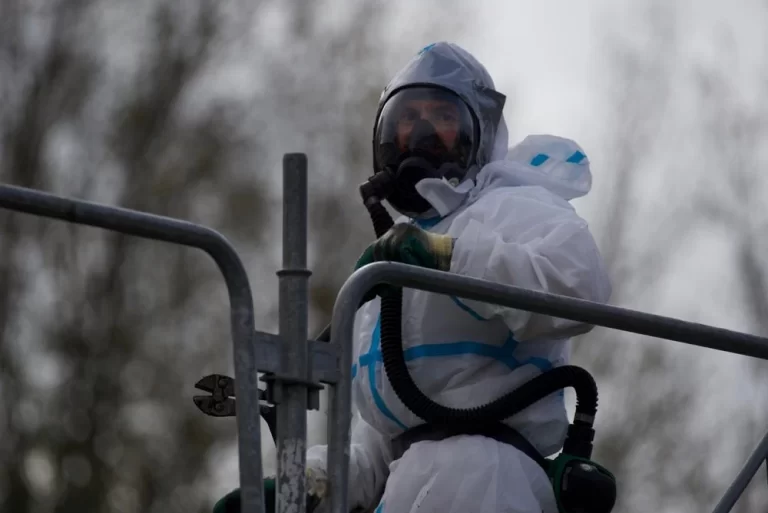
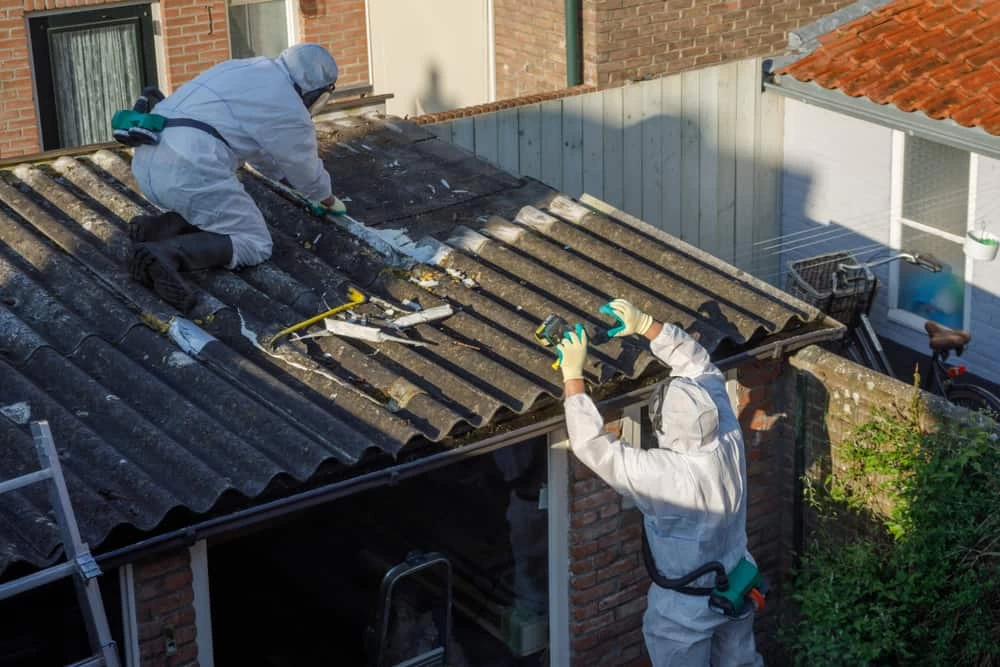
If asbestos is confirmed, the abatement phase begins. The work area is fully contained using negative air pressure and HEPA filtration — meaning fibers don’t migrate to other parts of your home. The material is removed by certified technicians following all ICR 56 protocols, bagged in approved containers, and transported to a licensed disposal facility. Depending on the scope, we coordinate advance notification with the New York State Department of Labor as required. Since East Meadow falls under the Town of Hempstead’s jurisdiction — not a village government — permit coordination runs through that office, and we handle that process so you don’t have to figure it out yourself.
After removal, air monitoring confirms the space is clear. You receive a certified clearance document — the piece of paper your contractor, your buyer’s attorney, or your lender will ask to see. That’s the finish line, and we don’t consider the job done until you have it.
Asbestos abatement isn’t one thing — it’s a sequence of legally required steps, and the full picture matters. We handle the certified survey, the physical removal, air monitoring throughout the process, and the final clearance certification. That means you’re not trying to coordinate three separate vendors while your renovation sits on hold. One call, one company, one accountable outcome.
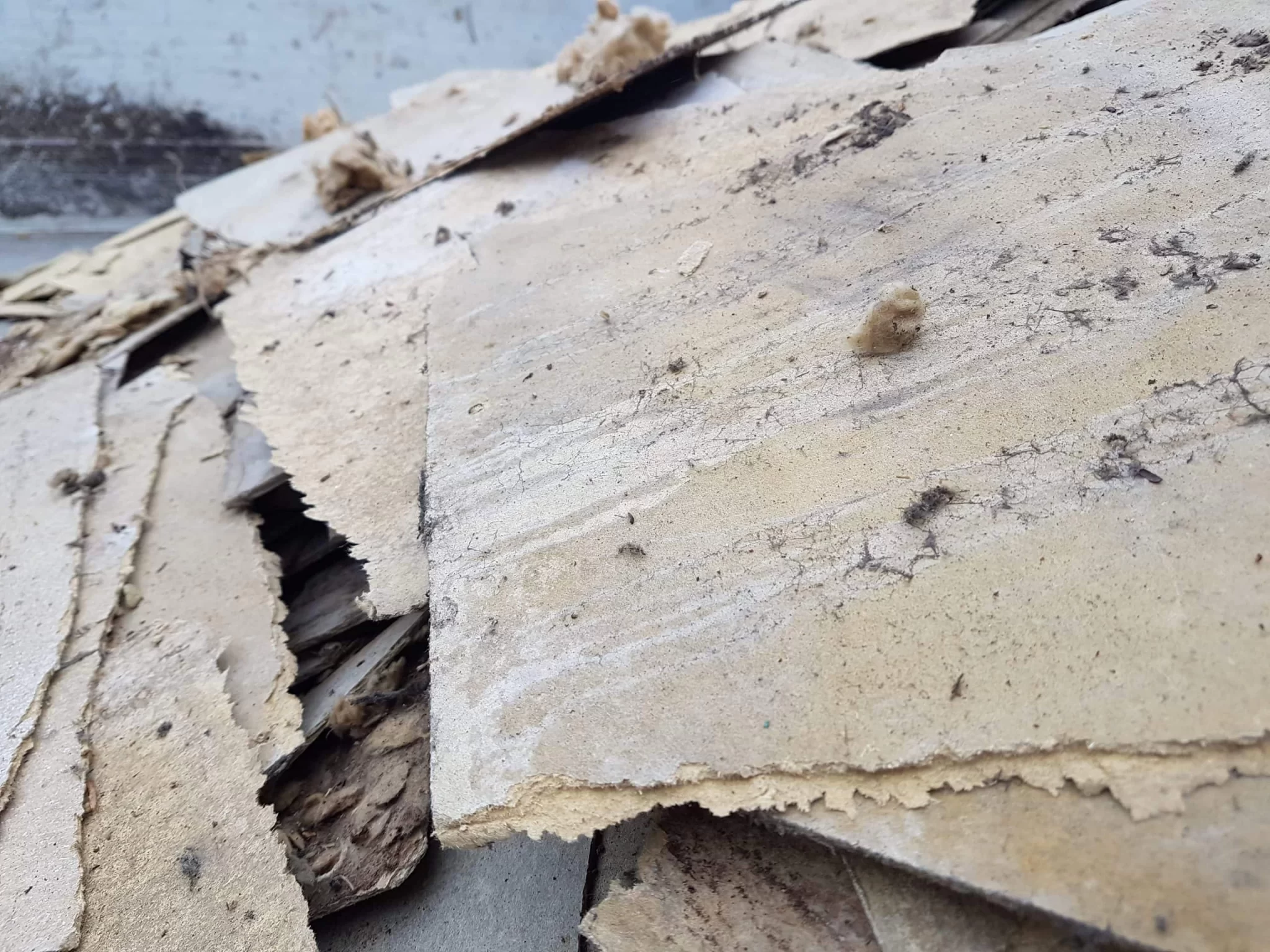
In East Meadow specifically, the materials we most commonly encounter in pre-1978 homes include vinyl floor tiles — the 9×9 and 12×12 inch tiles found under carpet in thousands of ranches and Cape Cods across this hamlet — along with popcorn ceiling texture, pipe and boiler insulation in older steam heating systems, duct wrap, and asbestos cement siding. Any of these can be present without being visible, which is exactly why the survey step isn’t something to skip. If your home is on a street off Merrick Avenue, in the Barnum Woods area, or anywhere else in the 11554 ZIP code and it was built before 1980, the odds are meaningful that at least one of these materials is somewhere in the structure.
Nassau County’s dual licensing requirement — state ICR 56 compliance plus the county’s own EHRP/EHRT framework — means the clearance documentation we provide is built to satisfy every layer of review your project will face. Whether that’s a building inspector, a real estate attorney, or a buyer’s lender, the paperwork holds up because the process behind it was done correctly.
Does my East Meadow home actually need an asbestos inspection before renovating?
If your home was built before 1980 — which describes the vast majority of East Meadow’s housing stock — then yes, a certified asbestos inspection is legally required before any renovation or demolition work that could disturb potential asbestos-containing materials. This comes directly from New York State’s Industrial Code Rule 56, and it’s not a gray area. It applies to gut renovations, bathroom and kitchen remodels, basement finishing, additions, and any project that involves disturbing walls, floors, ceilings, or mechanical systems.
The practical reason matters just as much as the legal one. East Meadow homes built in the 1950s and 1960s routinely contain asbestos in floor tiles, ceiling texture, pipe insulation, and joint compound — often in places that aren’t obvious until a contractor starts demo. Skipping the inspection doesn’t make the material go away. It just means you find out about it after someone has already disturbed it, which creates a much bigger and more expensive problem than catching it beforehand.
How much does asbestos removal typically cost for an East Meadow property?
Cost varies based on the type of material, how much of it is present, and where it’s located in your home. A straightforward floor tile removal in a single room will cost considerably less than a full pipe insulation abatement or a whole-house survey with multiple material types. For most residential jobs in East Meadow, you should expect pricing that reflects the licensing requirements, air monitoring, proper disposal, and clearance documentation that legal abatement requires — not a number that makes you wonder what corners are being cut.
What tends to surprise people is that the cost of doing it incorrectly is almost always higher. An unlicensed removal that gets flagged during a home sale, a clearance document that doesn’t hold up to a lender’s review, or a health issue tied to improper fiber containment — these are the real costs. When you’re working with a home valued near $650,000 to $685,000 in East Meadow’s current market, the professional route is the one that actually protects your investment. Call for a specific estimate based on your property — the number will be straightforward.
What materials in my East Meadow house are most likely to contain asbestos?
In East Meadow’s mid-century housing stock, the most common sources are vinyl floor tiles — particularly the 9×9 and 12×12 inch tiles installed under carpet in ranches and Cape Cods throughout the hamlet — and the adhesive mastic used to set them. Popcorn or acoustic ceiling texture applied before 1978 is another frequent find, as is the pipe and boiler insulation in homes with older steam heating systems, which were standard in this area during that era.
Beyond those, asbestos also showed up in duct insulation, attic vermiculite, asbestos cement siding and roofing felt, and pre-1977 joint compound used on drywall seams. The tricky part is that many of these materials look completely ordinary — they don’t announce themselves. A tile floor that’s been painted over, a ceiling that was refinished, pipe wrap that’s been boxed in — none of that eliminates the risk. The only way to know for certain is to have a certified inspector collect samples and have them tested by an accredited laboratory.
Can I stay in my home during asbestos abatement in East Meadow?
It depends on the scope of the work. For smaller, contained projects — a single room of floor tile removal, for example — temporary displacement may not be required, provided the containment setup is properly maintained and air monitoring confirms no fiber migration to occupied areas. For larger projects involving multiple rooms, full pipe systems, or materials in HVAC pathways, vacating the home during the active abatement phase is the safer and more common approach.
This is something we work out during the initial assessment, not as a surprise on job day. When we scope a project in East Meadow, we walk through the logistics with you upfront — what the containment will look like, how long the active work phase is expected to take, and whether temporary relocation makes sense for your specific situation. The goal is to give you a realistic picture so you can plan accordingly, not to figure it out as you go.
How does the Town of Hempstead permitting process work for asbestos abatement?
Because East Meadow is an unincorporated hamlet, there’s no village government handling permits — everything goes through the Town of Hempstead directly. For renovation and demolition projects that involve potential asbestos-containing materials, the Town typically requires evidence of a certified asbestos survey as part of the permit process. Depending on the scope of the abatement itself, there may also be coordination required with Nassau County’s Department of Health and, for larger projects, advance notification to the New York State Department of Labor’s Asbestos Control Bureau.
This is an area where working with a contractor who knows the local process makes a real difference. The Town of Hempstead is one of the largest townships in the country by population, and its permitting office handles a high volume. Knowing what documentation is required, submitting it correctly the first time, and understanding which approvals need to happen in what order keeps your project moving. We handle this coordination as part of the job — you don’t need to become an expert in municipal permitting to get your renovation started.
Is asbestos abatement required before selling a home in East Meadow, NY?
There’s no blanket legal requirement that a seller must remediate asbestos before listing a home in East Meadow. However, the practical reality of the current market makes this a more complicated question than it sounds. If a buyer’s home inspector identifies suspected asbestos-containing materials — and in a pre-1978 East Meadow home, that’s a real likelihood — the buyer’s lender may require remediation before approving the loan. FHA and conventional financing both have guidelines around known environmental hazards, and an unresolved asbestos finding can stall or kill a deal.
Beyond financing, East Meadow’s competitive housing market means buyers have options. A home with a documented asbestos issue and no clearance certificate is a negotiating point — and not in the seller’s favor. Many sellers in the 11554 area choose to commission a pre-listing inspection and handle any abatement proactively, so they can present buyers with a clean clearance document from the start. It removes the uncertainty, keeps the transaction moving, and protects the sale price. Whether that’s the right move for your specific situation depends on what the inspection finds — but knowing what you’re dealing with before you list is almost always the better position to be in.