East Moriches homes are beautiful and a lot of them are old enough to have asbestos hiding behind the walls, under the floors, or above the ceilings. We handle asbestos abatement for homeowners on the South Shore who need it done right, documented properly, and finished without dragging out your renovation or your life.
I needed a professional consultation explanation of procedure for safe removal of Asbestos in my apartment complex. Without having an account yet, I was very impressed with the caring, knowledgeable and generous advice offered by Jessica, and will look forward to doing business in the future. Thank you so much! I feel much more informed about a sometimes scary endeavor. Peace. Nancy Silva Mineola, NY.
Mia Munoz
Used this company to clean up some water flood in my house. They were fast and easy to work with.very professional, Would recommend to anyone!
Nini Valle
Great company, had a flood and they responded quickly and efficiently. Billed my insurance company directly. I highly recommend this company!
joe colapietro, jr
I had pipe freeze in my basement right before a snow storm and they made to within an hour to help start the clean up process. They we by our side throughout the entire process and even helped with the insurance company. They did such a great job with the cleanup, repair, remidiation, I contracted them to perform the repairs and finishes in the basement. They came with enough manpower and material to get the job done. Leo and Jessica were nothing but a pleasure to deal with!!
Cristian Arredondo c
I had some water damage in my home and Green Island was able to take care of my issue quickly and effectively. I am very pleased with the work they did. They responded quickly and were very professional.
Michael M
Outstanding service! From the office to the field crew everyone was friendly, helpful and responsive. I highly recommend Green Island Group.
When asbestos-containing materials are removed properly, you stop carrying a risk you can’t see. That matters everywhere, but it matters more when your home sits on Moriches Bay where the combination of coastal humidity, salt air, and seasonal storm exposure accelerates the breakdown of older building materials faster than most homeowners realize. Asbestos that was once stable in a dry interior becomes a different problem when moisture gets into a basement or crawl space after a nor’easter pushes water off the bay.
For East Moriches homeowners, the stakes are also financial. Median home values here are approaching $720,000, and waterfront properties push well beyond that. A clean air quality report and documented abatement from a licensed contractor isn’t just peace of mind it’s the paperwork that keeps your sale on track and protects the equity you’ve built. Buyers, lenders, and inspectors all want to see it.
And if you’re in the middle of a renovation a kitchen gut, a bathroom remodel, a full addition proper asbestos remediation means your project doesn’t get shut down halfway through. You move forward. That’s the outcome that actually matters.
We Already Serve East Moriches. We Know These Homes.
We already serve the Moriches corridor East Moriches is an active part of our service area. So when a homeowner here calls, they’re not getting a company that’s going to Google the area before showing up. We know the South Shore’s housing stock, we know how these older homes were built, and we know what the coastal environment does to the materials inside them over time.
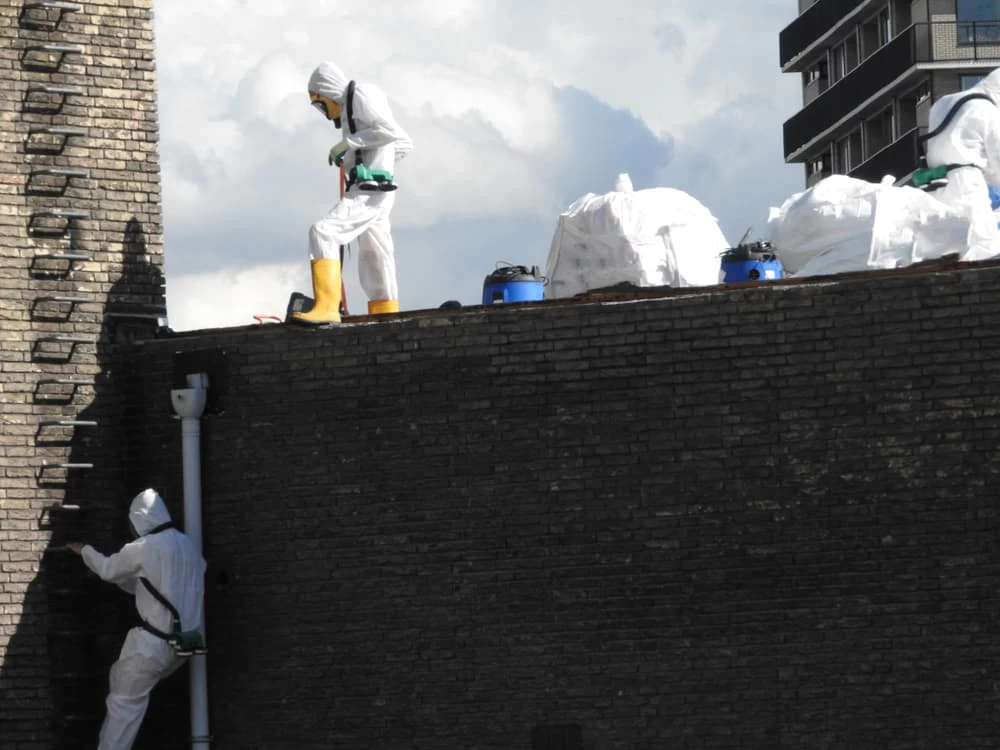
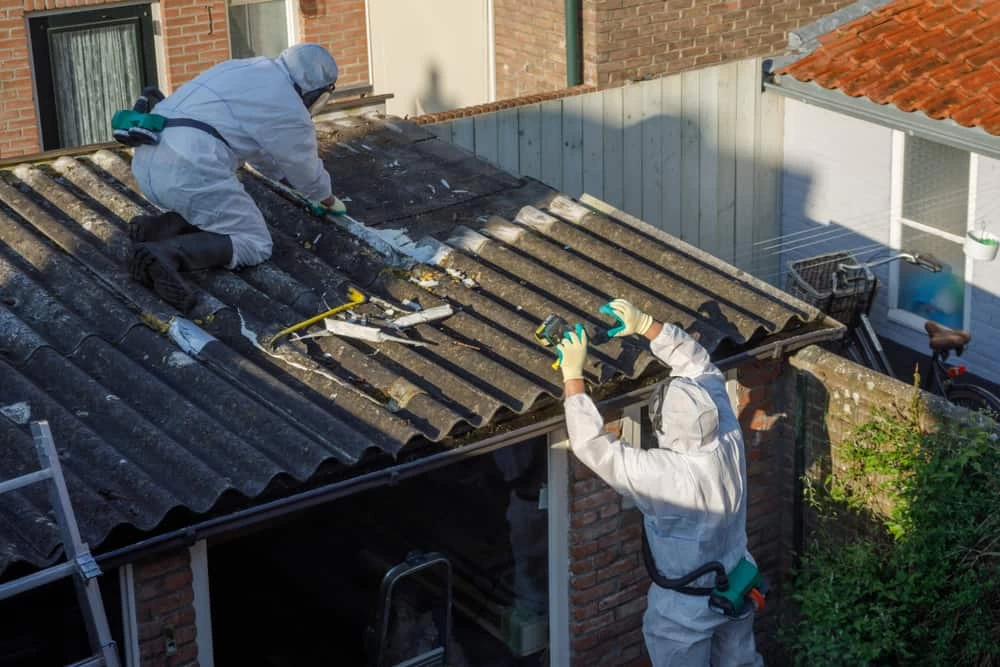
Every project we take on is handled by NYS DOL licensed technicians operating under Industrial Code Rule 56 the state regulation that governs all asbestos abatement work in New York. That means certified workers, proper containment, air monitoring, and legal disposal on every job. No shortcuts, no unlicensed crews, no cutting corners on documentation.
If your home was built before 1980 and a significant portion of East Moriches homes were there’s a real chance asbestos is present somewhere. We’ll tell you exactly what we find and exactly what needs to happen next.
No Guesswork Here's What the Job Actually Looks Like
It starts with an inspection by a certified asbestos inspector not a general contractor, not a handyman, someone who is specifically trained and licensed to identify asbestos-containing materials. In East Moriches, that inspection often covers the obvious suspects: vinyl floor tiles, pipe insulation, joint compound, popcorn ceiling texture, and roofing materials. But in homes along the bay that have dealt with repeated moisture intrusion or storm flooding, we also check lower-level materials that may have been disturbed by water.
Once the inspection is complete and any ACMs are confirmed, we file the required notifications with the New York State Department of Labor before a single piece of material is touched. This is mandatory under ICR 56, and it’s not something you want to skip violations carry real penalties for property owners. From there, the work area is sealed and put under negative air pressure, materials are removed by certified technicians, and everything is disposed of through licensed channels with full documentation.
After the work is done, clearance air testing confirms that fiber levels are within safe limits before containment comes down. You get a complete record of the project what was found, what was removed, and the clearance results. That paperwork matters when it’s time to sell, refinance, or simply close out a permit with the Town of Brookhaven.
The most common asbestos-containing materials we encounter in East Moriches homes are vinyl floor tiles and their adhesive backing a staple of 1950s through 1970s construction that is still sitting under newer flooring in a large number of homes throughout the hamlet. Asbestos tile removal has to be done carefully, with full containment, because disturbing those tiles without proper controls releases fibers into the air. We handle it completely, from initial testing through final disposal.
Popcorn ceiling texture is another frequent find in the ranch and Cape Cod homes that make up a big part of East Moriches’ inland residential neighborhoods. If your home was built before 1980 and still has that spray-applied texture, there’s a meaningful chance it contains asbestos. Asbestos popcorn ceiling removal is one of the more involved jobs it requires wet methods, careful containment, and thorough air monitoring but it’s also one of the most common reasons homeowners in this area call us before a renovation.
Beyond tile and ceilings, we also handle pipe insulation, joint compound, roofing materials, and siding. If you’re not sure what you have, an inspection is the right first step. We serve homeowners throughout East Moriches and the surrounding Moriches Bay area, and we’re familiar with the specific building conditions and material types common to homes in this part of Suffolk County.
Does my East Moriches home actually have asbestos if it was built before 1980?
Not every pre-1980 home contains asbestos-containing materials, but the odds are significant enough that you shouldn’t assume yours doesn’t. Asbestos was used widely in residential construction from the 1940s through the late 1970s in floor tile adhesives, pipe insulation, ceiling texture, joint compound, roofing, and siding. If your home was built during that window, there’s a reasonable chance at least one of those materials is present somewhere.
In East Moriches specifically, the median construction year of the housing stock is 1979, which puts a large portion of the hamlet’s homes right at the edge of the asbestos era. Some properties here date back to the early 1900s, which means multiple generations of building materials may be layered on top of each other. The only way to know for certain is a proper inspection by a certified asbestos inspector not a visual guess, not a home inspector’s opinion, but a material sample tested by an accredited lab. That’s where every project we do starts.
Can I remove asbestos floor tiles myself in New York State?
New York State does not allow unlicensed asbestos removal in most residential situations, and attempting it yourself puts you at legal and health risk. Under Industrial Code Rule 56, asbestos abatement must be performed by a contractor holding an active NYS Department of Labor license, with certified workers and proper disposal documentation. There is no DIY exemption for asbestos tile removal that covers the kind of scope most homeowners are dealing with.
Beyond the legal issue, the practical risk is real. Vinyl floor tiles that contain asbestos are relatively stable when intact but the moment you start cutting, breaking, or prying them up without proper wet methods and containment, you’re releasing fibers into the air in your living space. In a home near Moriches Bay, where humidity already affects how older materials hold together, those tiles may be more brittle and more likely to fracture than tiles in a drier inland environment. The cost of hiring a licensed contractor is a fraction of what improper removal can cost you in health exposure, cleanup liability, or a failed home sale inspection.
How long does asbestos abatement take for a typical East Moriches home renovation?
The timeline depends on the scope what materials are involved, how much square footage is affected, and whether the job is a single area or a whole-house abatement ahead of a major renovation. For a straightforward asbestos tile removal in one room, the actual work can often be completed in a day or two once the required state notifications have been filed and the waiting period has passed.
That notification window is something East Moriches homeowners planning renovations should factor into their project schedule. New York State requires advance notice to the DOL before abatement work begins the exact timeframe depends on the size and type of project. If you’re working with a general contractor on a kitchen or bathroom remodel and asbestos is discovered mid-demo, that discovery can pause the project until abatement is completed and clearance testing confirms the area is safe. The best way to avoid that delay is to schedule an asbestos inspection before demolition starts, not after.
What happens to asbestos materials after they're removed from my home?
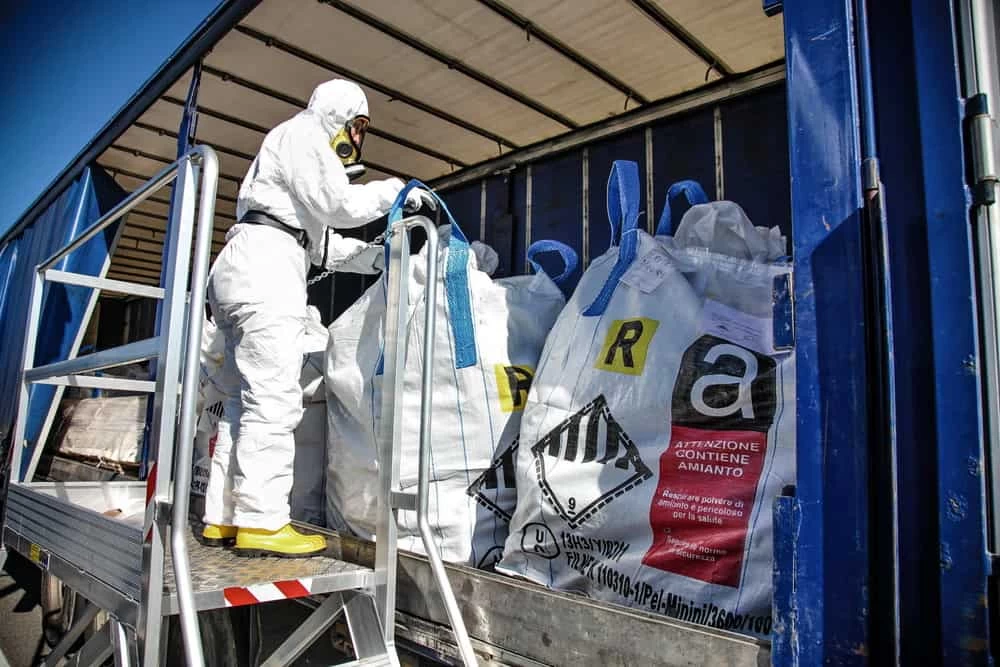
Asbestos waste is classified as a hazardous material under New York State law, which means it cannot go in a standard dumpster or be disposed of through regular trash collection. Once materials are removed from your home, they are sealed in approved leak-tight containers or bags, labeled according to state requirements, and transported to a licensed disposal facility that is permitted to accept asbestos waste. Every step of that chain is documented.
That documentation matters more than most homeowners realize. When you sell your home, your attorney or the buyer’s inspector may ask for records showing that asbestos was removed and disposed of properly. We provide a full project record what was removed, how it was packaged, where it went, and the clearance air test results. That paper trail is what separates a clean sale from one that gets complicated at the closing table. In a market where East Moriches home values are climbing, protecting that transaction is worth getting the documentation right.
Does storm flooding in East Moriches create an asbestos hazard in older homes?
It can, and it’s a more common concern on the South Shore than most homeowners think about until it happens to them. Moriches Bay tidal flooding is a documented, recurring event the National Weather Service actively monitors water levels at East Moriches and issues coastal flood warnings for this area regularly. When that water reaches a basement or lower level of an older home, it can soak and disturb asbestos-containing floor tiles, pipe insulation, and wall materials that were previously stable.
Once those materials are wet and disturbed, they become what’s called friable meaning they can crumble and release fibers into the air. A basement that flooded and dried out on its own may look fine, but if the floor tiles or pipe wrap were disturbed in the process, the air quality in that space may not be. If your home experienced flooding and you have an older construction date, an asbestos inspection after the fact is a reasonable precaution not an overreaction. We handle post-storm assessments and can tell you quickly whether there’s an actual risk that needs to be addressed.
How do I know if a contractor is actually licensed for asbestos removal in New York?
New York State maintains a public database through the Department of Labor where you can verify whether an asbestos abatement contractor holds an active license. It takes about two minutes to check, and it’s worth doing before you sign anything. The license number should be something any legitimate contractor will hand over without hesitation if there’s any reluctance or vagueness around it, that’s a clear signal to keep looking.
In Suffolk County, where enforcement is active and the DOL’s Asbestos Control Bureau conducts inspections on abatement projects, unlicensed work carries real consequences for property owners not just contractors. If something goes wrong during an unlicensed removal, the liability lands on you. We hold the required NYS DOL contractor license and operate under Industrial Code Rule 56 on every project. Our workers are individually certified, our disposal is documented, and our clearance testing is performed before containment comes down. When you’re protecting a home in East Moriches that’s worth what homes here are worth, the licensing question is the first one you should ask not an afterthought.