East Rockaway's Older Homes Deserve a Certified Answer
Most homes in East Rockaway were built before 1950. If yours is one of them, asbestos abatement isn’t a maybe — it’s something worth knowing about before you touch a wall, a floor, or a ceiling.
I needed a professional consultation explanation of procedure for safe removal of Asbestos in my apartment complex. Without having an account yet, I was very impressed with the caring, knowledgeable and generous advice offered by Jessica, and will look forward to doing business in the future. Thank you so much! I feel much more informed about a sometimes scary endeavor. Peace. Nancy Silva Mineola, NY.
Mia Munoz
Used this company to clean up some water flood in my house. They were fast and easy to work with.very professional, Would recommend to anyone!
Nini Valle
Great company, had a flood and they responded quickly and efficiently. Billed my insurance company directly. I highly recommend this company!
joe colapietro, jr
I had pipe freeze in my basement right before a snow storm and they made to within an hour to help start the clean up process. They we by our side throughout the entire process and even helped with the insurance company. They did such a great job with the cleanup, repair, remidiation, I contracted them to perform the repairs and finishes in the basement. They came with enough manpower and material to get the job done. Leo and Jessica were nothing but a pleasure to deal with!!
Cristian Arredondo c
I had some water damage in my home and Green Island was able to take care of my issue quickly and effectively. I am very pleased with the work they did. They responded quickly and were very professional.
Michael M
Outstanding service! From the office to the field crew everyone was friendly, helpful and responsive. I highly recommend Green Island Group.
What Changes When Asbestos Is Properly Removed and Documented
When asbestos is properly removed and documented, your renovation can move forward without a legal or health question mark hanging over it. That matters a lot in East Rockaway, where the median home is now worth over $638,000 and where a renovation gone wrong — or a non-compliant abatement job — can complicate a future sale, cloud your title, or create a liability you didn’t see coming.
The housing stock in East Rockaway is old by design. The median construction year for homes in this village is 1949, and roughly half of all homes were built before 1950. That means the 9×9 vinyl floor tiles under your carpet, the textured ceiling in your back bedroom, the insulation wrapped around the boiler pipes in your basement — all of it falls squarely in the era when asbestos was standard. Knowing it’s there is one thing. Having it removed by a licensed contractor with the paperwork to prove it is what actually protects you.
East Rockaway is also a South Shore community with real coastal exposure. Homes near the Mill River and Hewlett Bay have dealt with water intrusion and storm damage over the years, and teardown work after flooding is one of the most common ways asbestos gets disturbed without anyone realizing it. Whether you’re renovating, selling, or rebuilding after damage, a clean, documented abatement is what lets you move forward with confidence.
Two Sets of Credentials, One Company Handling Both
Asbestos abatement in Nassau County isn’t just subject to New York State rules — it carries a second layer of requirements specific to the county. Contractors working in East Rockaway and surrounding South Shore communities need both a NYS Department of Labor license under Industrial Code Rule 56 and Nassau County’s Environmental Hazard Remediation Program credentials. A lot of contractors only carry one. We carry both, and that distinction matters when the work is being done in your home and the paperwork needs to hold up.
We’ve been working across Nassau County’s South Shore — Lynbrook, Rockville Centre, Hewlett, Oceanside, and throughout the Town of Hempstead — long enough to know the housing stock in East Rockaway, the regulatory environment, and what homeowners in this area actually need when they pick up the phone. This isn’t a market we’re learning. It’s one we already know.
No Guesswork — Here's Exactly What the Job Looks Like
It starts with an inspection. Before anything gets removed, a certified assessor surveys the area, identifies suspect materials, and collects samples for lab testing. In East Rockaway’s pre-war and mid-century homes, that often means checking floor tiles and mastic adhesive, popcorn or textured ceilings, pipe insulation, joint compound, and roofing or siding materials — sometimes all in the same house.
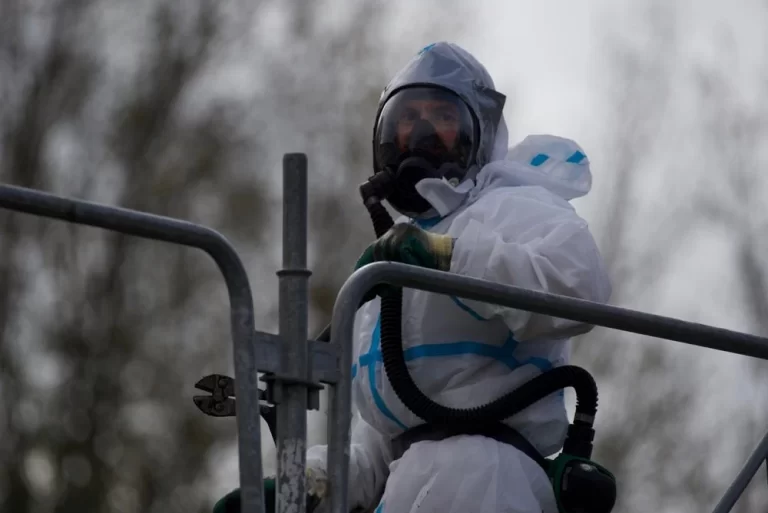
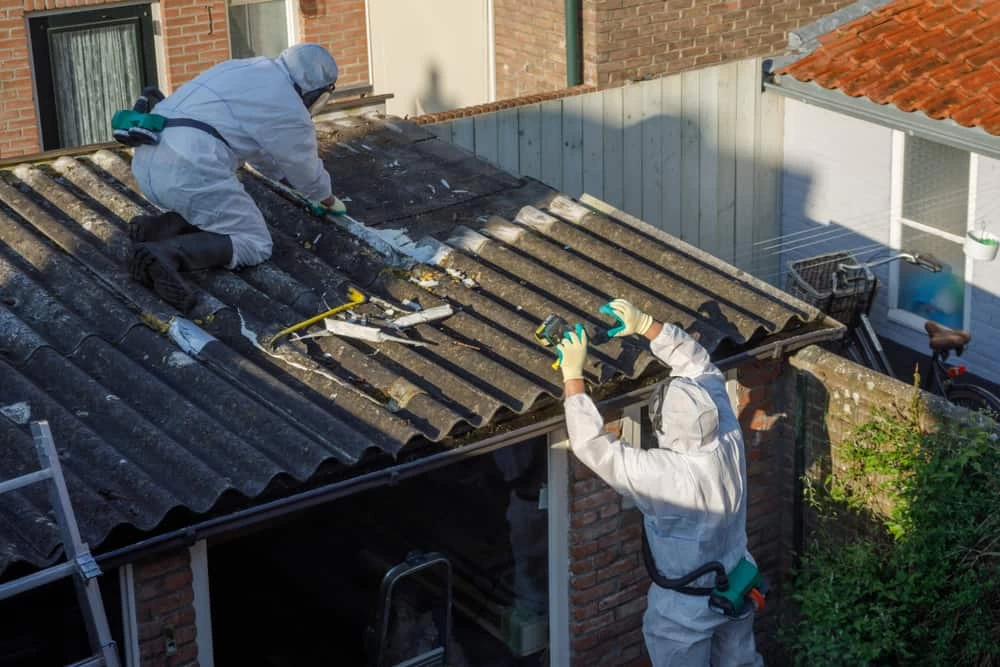
Once the lab confirms what’s present, a certified Project Designer puts together an abatement plan that meets both NYS DOL and Nassau County EHRP requirements. We handle the regulatory notifications and permitting — you don’t have to track down the right agency or figure out what paperwork goes where. The abatement itself is performed under full containment with air monitoring running throughout. Nothing leaves the work area without being properly sealed and manifested for disposal at an approved facility.
When the work is done, clearance air testing confirms the space is safe. You receive a complete documentation package — clearance reports, waste manifests, project filings — that protects your home’s value and gives any future buyer, lender, or inspector exactly what they need. If you’re working with a general contractor on a renovation, we coordinate directly with them so the abatement phase doesn’t stall your timeline any longer than necessary.
What's Actually Included When We Work in Your Home
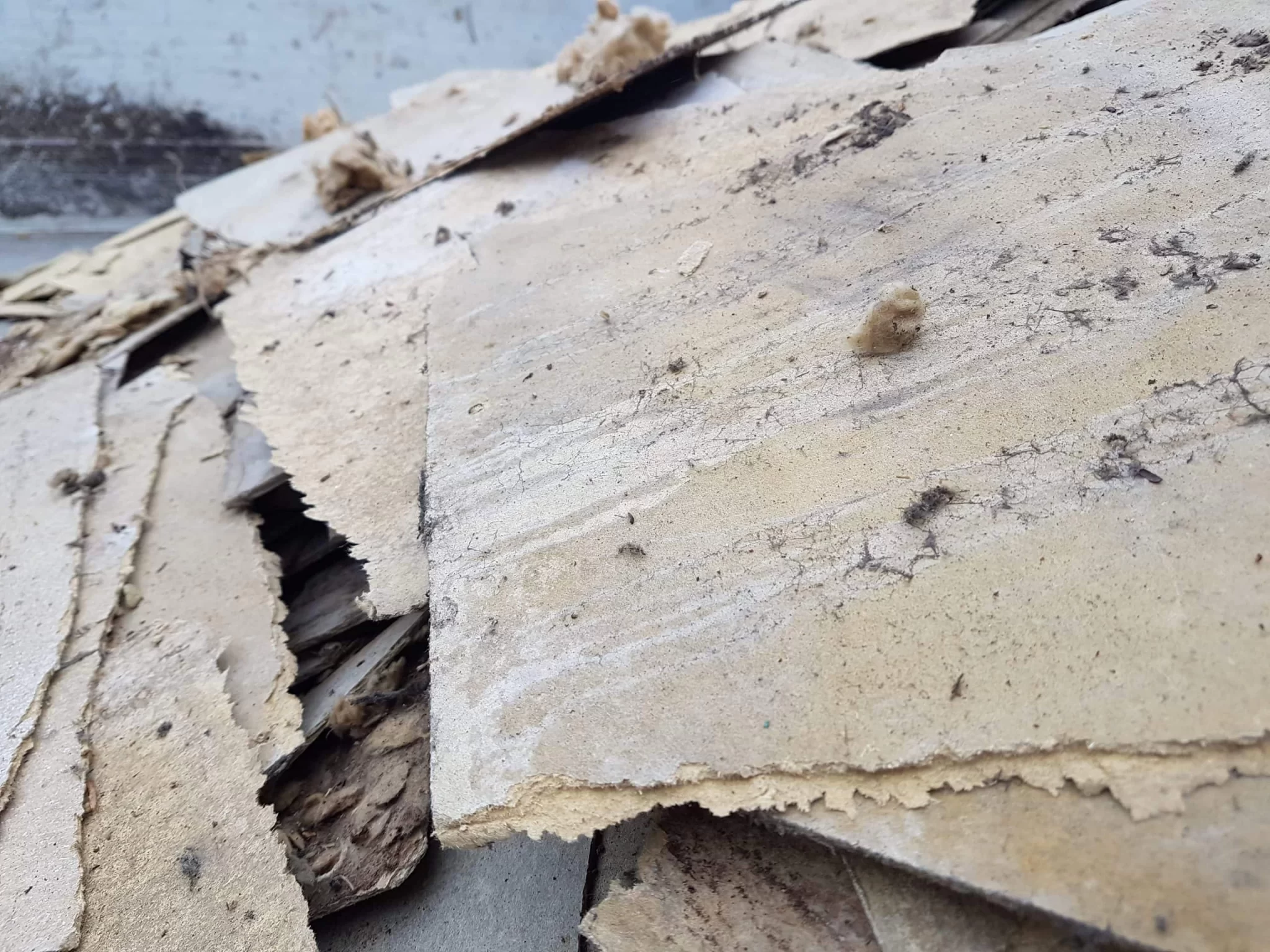
We handle the full scope — asbestos testing, abatement, air monitoring, and final clearance. For East Rockaway homeowners, that typically covers the materials most common in homes built between the 1930s and late 1970s: vinyl floor tiles and the black mastic adhesive beneath them, popcorn and textured ceiling coatings, pipe and boiler insulation, joint compound, and in some cases roofing shingles or exterior siding. If your home was built before 1978, there’s a reasonable chance more than one of these materials is present.
For multi-family properties — including condominium buildings like those along Marina Pointe Drive or mid-century buildings constructed in the early 1960s — the scope expands accordingly, and the regulatory requirements are more involved. We handle those projects the same way: full compliance, full documentation, no shortcuts.
Every project includes all required NYS DOL notifications, Nassau County EHRP compliance, certified waste transport and disposal, and a final clearance report you can keep on file. Whether you’re doing a kitchen gut renovation in Waverly Park, finishing a basement in Acorn Estates, or preparing a home near the Mill River waterfront for sale, the process is the same: complete, compliant, and documented from start to finish.
Do most East Rockaway homes actually contain asbestos-containing materials?
If your home was built before 1978, the honest answer is: probably yes, in at least one location. East Rockaway’s median home construction year is 1949, and roughly half of all homes in the village were built before 1950. During that era, asbestos was a standard component of residential construction — it showed up in floor tiles, ceiling coatings, pipe insulation, joint compound, roofing, and siding. It wasn’t a fringe material; it was the norm.
The important thing to understand is that the presence of asbestos doesn’t automatically mean danger. Asbestos-containing materials that are intact and undisturbed generally don’t pose an immediate health risk. The risk comes when those materials are cut, scraped, sanded, or torn out — which is exactly what happens during a renovation. If you’re planning any work on an East Rockaway home built before 1980, a professional inspection before the project starts is the right call, not an optional one.
What types of asbestos materials are most commonly found in East Rockaway homes?
The most common finds in East Rockaway’s older housing stock are vinyl floor tiles — particularly the 9×9 inch tiles that were standard in homes built from the 1940s through the 1960s — along with the black mastic adhesive used to set them. Both the tile and the adhesive can contain asbestos, and both need to be tested before any flooring work begins. Popcorn and textured ceiling coatings are another frequent source, especially in homes where the ceiling finish was applied before 1978.
Beyond that, pipe and boiler insulation is common in homes with older heating systems, which describes a lot of East Rockaway’s housing stock. Joint compound used in drywall finishing, asbestos cement siding shingles, and certain roofing materials are also worth testing if your home is from that era. In many cases, a single older home will have more than one asbestos-containing material — which is exactly why a thorough inspection matters more than spot-checking one area.
Is asbestos abatement in East Rockaway required to follow Nassau County-specific rules?
Yes, and this is something a lot of homeowners don’t realize until they’re already mid-project. New York State regulates asbestos abatement statewide through Industrial Code Rule 56, administered by the NYS Department of Labor. That’s the baseline. But Nassau County adds its own layer: contractors working in the county must hold an Environmental Hazard Remediation Program license, and individual technicians must carry an EHRT certification. Both credentials are required — not optional.
What this means practically is that a contractor who is only state-licensed is not fully authorized to perform abatement work in East Rockaway. Before hiring anyone, it’s worth asking specifically whether they hold Nassau County EHRP credentials in addition to their NYS DOL license. We carry both. We also handle all required project notifications and regulatory filings, so you’re not left trying to figure out which agency needs to hear from you before work begins.
How long does asbestos abatement typically take for a home renovation in East Rockaway?
The timeline depends on the scope of the work — how many materials are involved, where they’re located, and how much square footage needs to be addressed. A focused job like floor tile removal in a single room can often be completed in one to two days, while a more involved project covering multiple areas of the home will take longer. What adds time on the front end is the inspection and lab testing phase, which typically runs a few days before abatement can begin.
For East Rockaway homeowners who are working within a renovation timeline, the key is getting the inspection done early — before your general contractor is scheduled to start. If asbestos is discovered mid-project, it stops everything until the abatement is complete and clearance air testing confirms the space is safe. Building the inspection into your pre-renovation planning is the single most effective way to avoid that kind of delay. We work directly with contractors when needed to keep the sequence moving as smoothly as possible.
What documentation do I receive after asbestos abatement is completed at my East Rockaway property?
You receive a complete project record that covers everything from start to finish: the pre-abatement inspection and lab results, all regulatory notifications and filings made with the NYS DOL and Nassau County, air monitoring data collected during the abatement, waste transport manifests showing where the material was taken and disposed of, and a final clearance air test report confirming the area is safe.
That documentation package matters more than most homeowners realize at the time. If you sell your home down the road, a buyer’s attorney or inspector may ask for proof that any asbestos removal was performed by a licensed contractor and properly documented. If you refinance, your lender may want the same. In a village where the median home value has crossed $638,000, having a clean paper trail on a completed abatement protects your equity and keeps a future transaction from getting complicated. We provide the full package on every job — not just a receipt that work was done.
Can I stay in my East Rockaway home during the asbestos abatement process?
In most cases, residents vacate the specific area being abated, but whether you need to leave the entire home depends on the scope and location of the work. If the abatement is contained to a basement, a single room, or an attic space, it’s often possible to remain in other parts of the house. If the work covers a large portion of the living space or involves materials in high-traffic areas, temporarily relocating during the active abatement phase is the safer and more practical choice.
The containment setup used during abatement — sealed work zones, negative air pressure, HEPA filtration — is designed specifically to prevent any fibers from migrating into unaffected areas. Air monitoring runs throughout the job to confirm that containment is holding. Once the abatement is complete, clearance air testing is performed before the containment comes down, so you’re not returning to a space that hasn’t been verified. For families with children, which describes a large share of East Rockaway households, we’ll always give you a straightforward read on what the specific project requires so you can plan accordingly.