When Black Dirt Country Homes Hide Dangerous Surprises
Florida’s older farmhouses and mid-century homes were built in a different era one that used asbestos in almost everything. If you’re renovating, buying, or dealing with damage, we handle asbestos abatement in Florida, NY the right way, the first time.
I needed a professional consultation explanation of procedure for safe removal of Asbestos in my apartment complex. Without having an account yet, I was very impressed with the caring, knowledgeable and generous advice offered by Jessica, and will look forward to doing business in the future. Thank you so much! I feel much more informed about a sometimes scary endeavor. Peace. Nancy Silva Mineola, NY.
Mia Munoz
Used this company to clean up some water flood in my house. They were fast and easy to work with.very professional, Would recommend to anyone!
Nini Valle
Great company, had a flood and they responded quickly and efficiently. Billed my insurance company directly. I highly recommend this company!
joe colapietro, jr
I had pipe freeze in my basement right before a snow storm and they made to within an hour to help start the clean up process. They we by our side throughout the entire process and even helped with the insurance company. They did such a great job with the cleanup, repair, remidiation, I contracted them to perform the repairs and finishes in the basement. They came with enough manpower and material to get the job done. Leo and Jessica were nothing but a pleasure to deal with!!
Cristian Arredondo c
I had some water damage in my home and Green Island was able to take care of my issue quickly and effectively. I am very pleased with the work they did. They responded quickly and were very professional.
Michael M
Outstanding service! From the office to the field crew everyone was friendly, helpful and responsive. I highly recommend Green Island Group.
Most Florida homeowners don’t go looking for asbestos. They find it halfway through a kitchen renovation when old floor tiles come up, or a contractor pulls insulation off a pipe in the basement of a 1968 farmhouse. That moment when the work stops and the questions start is exactly where we come in.
Once the abatement is done correctly, you get your project back. The renovation continues. The closing moves forward. You stop wondering whether the air in your home is safe for your kids who walk down the hall to catch the bus to Golden Hill Elementary every morning.
Florida sits in the heart of Orange County’s older housing corridor, where the average home is more than 50 years old. That’s the reality of owning property in a community built during the peak era of asbestos use. The Wallkill River watershed also puts parts of this village at real flood risk, and when water gets into an older home, it doesn’t just cause water damage. It can disturb materials that were previously stable pipe insulation, ceiling tiles, old flooring and turn a manageable situation into something that requires immediate professional attention. Knowing you have a licensed contractor available around the clock changes how that situation feels.
12 Years In, Every License Earned, Nothing Outsourced
We’ve been doing this work for over 12 years as an independently owned company not a franchise, not a call center that dispatches subcontractors. When you hire us, the crew that shows up holds the credentials required to legally perform asbestos abatement in New York State, including the NYS Department of Labor Asbestos Contractor License that most general contractors serving Florida and the surrounding Orange County area simply don’t carry.
We’ve done work for NYS OGS, DASNY, Nassau County, and Suffolk County agencies that vet every contractor before a contract gets signed. That institutional track record matters because it means we’ve already been examined at the government level and found legitimate. We also hold NYS and NYC Minority/Women-Owned Business Enterprise certification, which requires ongoing compliance and financial auditing not a badge you just print out.
If you’re in Florida or anywhere in Orange County and you need someone who knows the regulatory environment, the building stock, and what’s actually inside homes built along the Route 17A corridor, we’re the call that makes sense.
No Guesswork Just a Clear Path From Discovery to Done
It usually starts with a call. You’ve found something during a renovation, a home inspector flagged a concern, or you’ve had water intrusion and you’re not sure what got disturbed. We walk you through what you’re dealing with before anyone sets foot in your home.
From there, we do a thorough inspection and testing of the suspected materials. In Orange County, asbestos abatement falls under New York State’s 12 NYCRR Part 56 regulations, which means the work has to be performed by a licensed contractor and notification requirements apply for projects that meet NESHAP thresholds. We handle all of that. You don’t need to figure out what forms go where or which agency needs to be contacted.
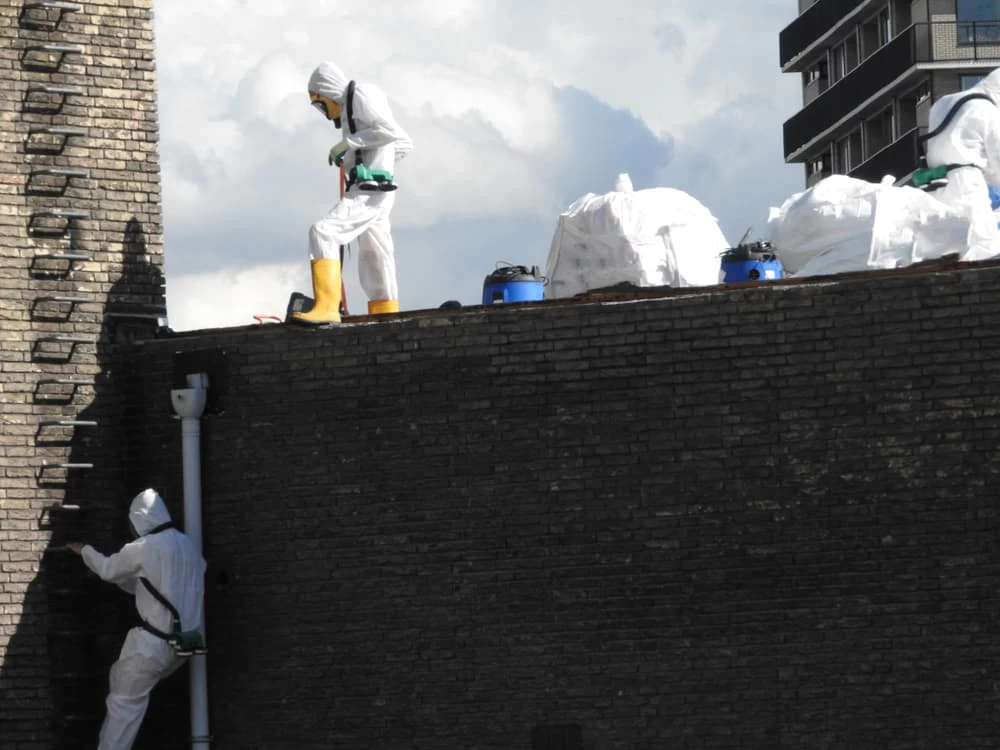
Once the scope is confirmed, we set up proper containment with negative air pressure so that nothing escapes the work area while removal is underway. Florida’s older homes especially the farmhouses and mid-century builds common near the Black Dirt Region often have more than one type of asbestos-containing material present, so we scope carefully and don’t leave anything behind. After removal, an independent industrial hygienist performs post-abatement air monitoring. You get a written clearance certificate before anyone reoccupies the space. That document is what your real estate attorney, lender, or buyer will need and we make sure it’s clean and complete.
What's Actually Included When You Call Green Island Group
Asbestos shows up differently depending on when a home was built and what it’s been through. In Florida, NY, the most common materials we encounter are 9×9 and 12×12 vinyl asbestos floor tiles in older kitchens and basements, pipe and boiler insulation in homes with older heating systems, popcorn ceilings applied through the 1970s, asbestos-cement siding on mid-century exteriors, and joint compound in walls that predate the late 1970s. If your home was built before 1980 and you’re opening walls, pulling floors, or doing anything structural, there’s a real chance at least one of these is present.
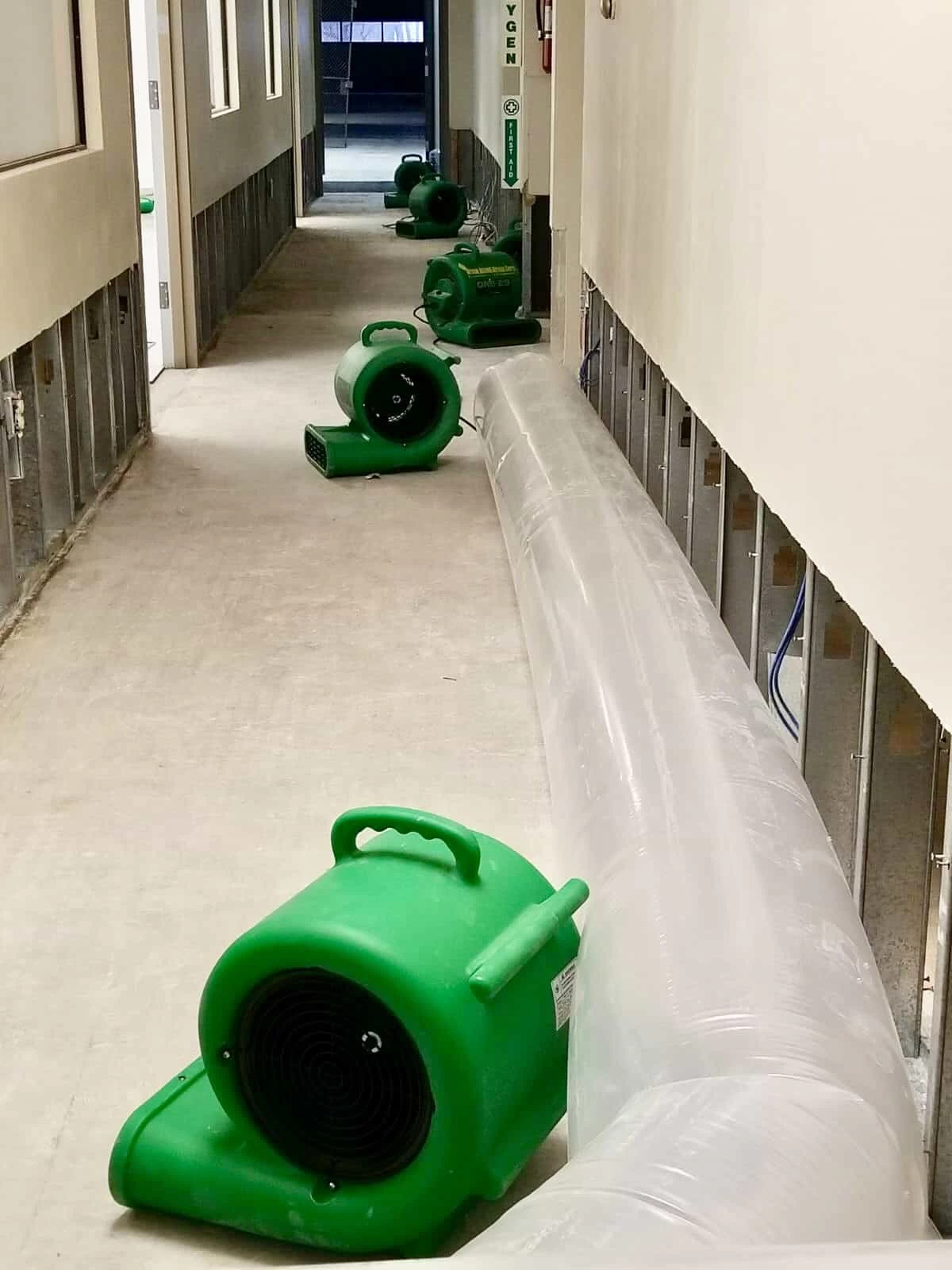
Every project we take on in Orange County includes inspection and testing, full containment setup, licensed removal by state-certified technicians, proper disposal at an approved facility, and post-abatement clearance testing by an independent industrial hygienist. The clearance certificate comes standard not as an add-on. For homeowners dealing with flood-related damage along the Wallkill watershed, we also coordinate asbestos abatement alongside water damage remediation so you’re not managing two separate contractors through an already stressful situation.
If cost is a concern and for most people dealing with an unplanned asbestos discovery, it is we offer 0% APR financing up to $200,000 for qualifying projects. We also bill insurance directly and handle the claims process on your behalf when coverage applies. The goal is to remove every obstacle between you and a safe, documented resolution.
Does my Florida, NY home actually need asbestos testing before renovation?
If your home was built before 1980, testing before any renovation is the right call not a legal formality, but a practical one. Florida’s housing stock skews older, and many of the farmhouses, ranches, and mid-century colonials throughout the village were constructed during the years when asbestos was standard in floor tiles, insulation, ceiling texture, and joint compound. You may not see anything that looks obviously hazardous, but that’s the nature of asbestos it’s not always visible, and disturbing it without knowing it’s there is how exposure happens.
Under New York State law, a licensed contractor must perform abatement on any confirmed asbestos-containing materials before or during renovation. Testing first means you know exactly what you’re dealing with before a contractor accidentally kicks something up. It also protects you legally if you sell the home later and undisclosed asbestos becomes an issue, documented testing and remediation is the protection you want on file.
How much does asbestos removal typically cost for an Orange County home?
Cost depends heavily on what type of material is involved and how much of it there is. As a general range, popcorn ceiling removal typically runs $3 to $8 per square foot. Vinyl floor tile removal is usually $5 to $15 per square foot. Pipe insulation removal tends to fall between $25 and $75 per linear foot.
For a typical Orange County home where one or two materials are involved, total project costs often land somewhere between $1,500 and $8,000. Larger scopes full farmhouse renovations in Florida, multiple material types, or post-flood situations where several systems were affected can run higher. That’s exactly why we offer 0% APR financing up to $200,000 for qualifying projects. An unexpected asbestos discovery mid-renovation shouldn’t derail the whole project, and it doesn’t have to.
What are the most common asbestos-containing materials found in Florida, NY homes?
The materials we find most often in homes along the Route 17A corridor and throughout Orange County’s older housing stock are vinyl floor tiles particularly the 9×9 inch variety that was standard in kitchens and basements from the 1950s through the 1970s along with pipe and boiler insulation, textured popcorn ceilings, asbestos-cement siding, and drywall joint compound used before the late 1970s. Roofing felt is also common in older agricultural structures, which matters in a community like Florida where farmhouse conversions and barn renovations are part of the local real estate landscape.
The tricky part is that none of these materials look dangerous. They’re just old building materials doing what they were designed to do until someone sands, cuts, or disturbs them. If your home was built before 1980 and you’re planning any work that involves opening walls, replacing flooring, or touching insulation, it’s worth knowing what’s there before the work starts rather than finding out in the middle of it.
Can asbestos abatement be done while my family stays in the house?
In most cases, no and we’re straightforward about that. During active abatement, the work area is sealed with negative air pressure containment to prevent any fibers from migrating into the rest of the home. That containment is effective, but it’s not a reason to have your family present. Most families make arrangements to stay elsewhere for the duration of the removal, which depending on the scope can range from a single day to several days for larger projects.
Before anyone returns to the home, an independent industrial hygienist performs post-abatement air monitoring. That’s not something we do ourselves it’s a third-party test specifically designed to confirm that fiber levels have returned to normal and the space is safe to reoccupy. You get a written clearance certificate documenting those results. For families with children attending S.S. Seward Institute or Golden Hill Elementary, that certificate is the confirmation that the home is genuinely safe not just our word for it.
Does a home sale in Florida, NY require asbestos remediation before closing?
Not always by law, but practically speaking, it often becomes a condition of the sale. Orange County’s housing market is active, and homes in Florida average about 77 days on market which means buyers have time to negotiate, and inspection findings carry real weight. When a home inspector flags suspected asbestos-containing materials, most buyers will either request remediation before closing or ask for a price reduction to cover it. Lenders may also require documented abatement before approving financing on a home with known ACMs.
If you’re selling a home in Florida and asbestos comes up during inspection, the cleanest path forward is remediation with full documentation. A written clearance certificate from a licensed contractor gives your buyer, their lender, and their attorney exactly what they need to move forward without further negotiation. We’ve handled this scenario many times in Orange County, and we know how to work within real estate timelines. If closing is approaching, call us we’re available 24 hours a day and can often start within days of the initial contact.
What happens if flood damage in my home disturbs asbestos-containing materials?
This is a situation that comes up in Florida more than most people expect. The Wallkill River watershed creates real flood risk within the village the Orange County Multi-Hazard Mitigation Plan specifically identifies Florida as a community with FEMA-designated high-risk flood zones. When water gets into an older home, it doesn’t just damage drywall and flooring. It can saturate pipe insulation, compromise ceiling materials, and loosen floor tiles all of which may contain asbestos that was previously stable and undisturbed.
When that happens, you’re dealing with two problems at once: water damage and a potential asbestos exposure risk. The mistake people make is calling a water damage company that isn’t licensed for asbestos abatement, or an asbestos contractor who can’t handle the water remediation side. We do both. Green Island Group handles asbestos abatement and water damage restoration under one roof, which means one point of contact, one project timeline, and no gap between the two scopes of work. We also bill insurance directly and manage the claims process, so you’re not navigating that on top of everything else.