Fresh Pond's Pre-War Buildings Deserve More Than a Guess
Most buildings along the Fresh Pond Road corridor were built before 1940 and that means asbestos abatement isn’t a maybe, it’s a conversation you need to have before you touch a wall, pull up a floor, or start any renovation.
I needed a professional consultation explanation of procedure for safe removal of Asbestos in my apartment complex. Without having an account yet, I was very impressed with the caring, knowledgeable and generous advice offered by Jessica, and will look forward to doing business in the future. Thank you so much! I feel much more informed about a sometimes scary endeavor. Peace. Nancy Silva Mineola, NY.
Mia Munoz
Used this company to clean up some water flood in my house. They were fast and easy to work with.very professional, Would recommend to anyone!
Nini Valle
Great company, had a flood and they responded quickly and efficiently. Billed my insurance company directly. I highly recommend this company!
joe colapietro, jr
I had pipe freeze in my basement right before a snow storm and they made to within an hour to help start the clean up process. They we by our side throughout the entire process and even helped with the insurance company. They did such a great job with the cleanup, repair, remidiation, I contracted them to perform the repairs and finishes in the basement. They came with enough manpower and material to get the job done. Leo and Jessica were nothing but a pleasure to deal with!!
Cristian Arredondo c
I had some water damage in my home and Green Island was able to take care of my issue quickly and effectively. I am very pleased with the work they did. They responded quickly and were very professional.
Michael M
Outstanding service! From the office to the field crew everyone was friendly, helpful and responsive. I highly recommend Green Island Group.
When you’re dealing with a pre-war building on or near Fresh Pond Road, the asbestos question isn’t hypothetical. Over 64% of residential real estate in Fresh Pond was built no later than 1939 a concentration of historic building stock that exceeds 97% of all neighborhoods in the country. That means floor tiles, pipe insulation, boiler wrap, ceiling texture, and plaster in these structures were almost certainly installed during the peak era of asbestos use. You don’t have to assume the worst, but you do have to know what you’re working with before anything gets disturbed.
Once the material is properly identified, contained, and removed by a licensed crew, you get something most people don’t expect: clarity. Your renovation can move forward. Your DOB permit gets issued. Your tenants aren’t at risk. And if you’re selling, the clearance documentation protects the transaction from falling apart at the finish line.
Fresh Pond’s building stock is also where asbestos and lead paint tend to show up together because both were standard in pre-1940 construction. Getting one handled without the other leaves you halfway there. We hold both NYS DOL Asbestos certification and USEPA Lead/RRP certification, so both hazards can be addressed in one project, one mobilization, and one set of documentation. For a small landlord managing a 2- or 3-unit building on a tight timeline, that matters more than most people realize.
We’re a full-service environmental remediation contractor based in New York, serving all five boroughs including every block of Queens County. Fresh Pond is on our service list not because it fills a map, but because the building stock here generates real, consistent demand for licensed asbestos work. The pre-war row houses and small apartment buildings between Eliot Avenue, 61st Street, and Metropolitan Avenue are exactly the kind of structures our crews work in regularly.
What separates us from most contractors in this market is the credential stack. NYS DOL Asbestos license. NYC BIC certification. NYC General Contractor license. USEPA Lead/RRP. IICRC. NYC MWBE. These aren’t decorative they’re what allow us to legally perform asbestos abatement inside New York City, handle NYC DEP filings correctly, manage reconstruction after removal, and bill insurance directly when applicable. Most competitors in the Queens market hold one or two of these. We hold all of them, which means fewer handoffs, fewer delays, and one contractor accountable from start to finish.
No Surprises Here's Exactly What the Process Looks Like
It starts with an assessment. A NYC DEP Certified Asbestos Investigator evaluates the areas of your building that will be affected by renovation, demolition, or repair work. In Fresh Pond’s pre-1939 buildings, that typically means checking floor tiles, pipe and boiler insulation in basement mechanical rooms, ceiling texture, plaster walls, and roofing materials all common locations for asbestos-containing materials in this building type. Samples are collected and sent to an accredited lab.
From there, the regulatory piece gets handled. In New York City, you can’t disturb asbestos-containing material without DEP approval and you can’t pull a DOB renovation or demolition permit without demonstrating that asbestos requirements have been satisfied. We manage the ACP-5 or ACP-7 form submission, the DEP notification, and the permit coordination so you’re not navigating that process alone. This step alone stops a lot of Fresh Pond landlords and homeowners from getting stuck.
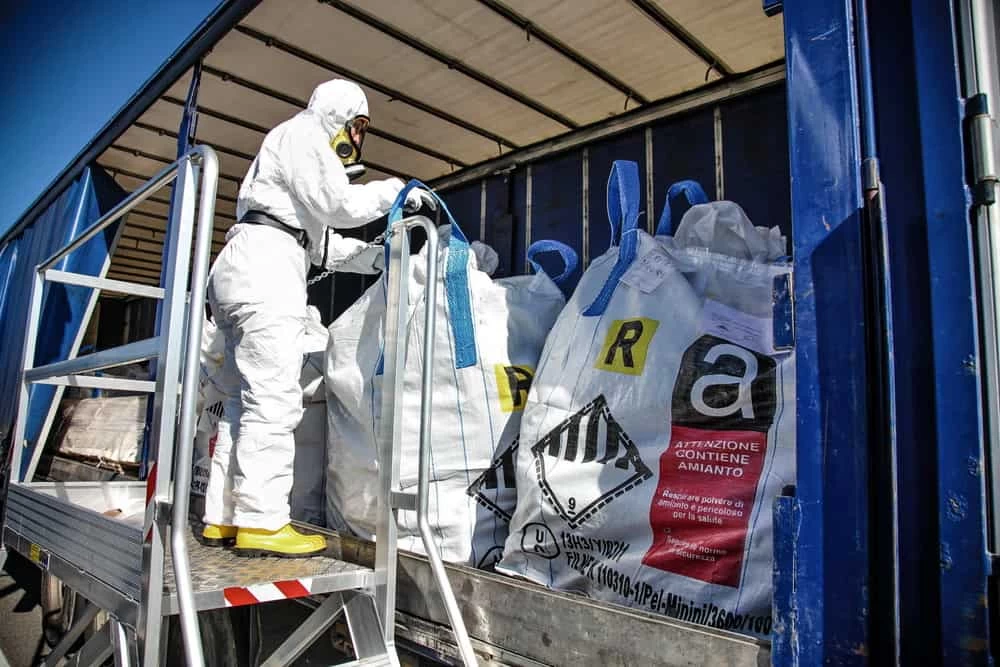
Once approvals are in place, our licensed removal crew sets up proper containment negative air pressure, Microtrap air scrubbers, full enclosure of the work area and performs the abatement. After removal, an independent air monitoring firm conducts post-clearance testing before the space is re-opened. That clearance certificate is your documentation: for your tenants, for your lender, for your buyer, and for any future permit application on the property.
The asbestos abatement work we perform in the Fresh Pond area covers the full range of what pre-war Queens buildings actually contain. Asbestos tile removal from original kitchen and bathroom floors is one of the most common project types in Fresh Pond vinyl asbestos tile was standard in pre-1940 construction and shows up in nearly every gut renovation on this corridor. Asbestos popcorn ceiling removal is another frequent request, particularly in buildings where mid-century cosmetic updates were applied over original plaster. Pipe and boiler insulation in basement mechanical rooms is a third high-frequency scenario, especially when a burst pipe or water damage event forces access to areas that haven’t been touched in decades.
For landlords managing small multifamily buildings which make up the majority of Fresh Pond’s residential real estate our scope goes beyond removal. Because we hold an NYC General Contractor license alongside our NYS DOL Asbestos certification, we can handle reconstruction after abatement: restoring floors, ceilings, and walls to rentable condition under the same contract. That’s not something most abatement-only contractors can offer, and it’s the difference between a project that finishes in two weeks and one that drags on for two months while you wait for a second contractor to mobilize.
We also handle the scenarios that don’t fit a clean timeline emergency calls when a renovation crew has already disturbed suspected material, pre-demolition surveys for development projects on Fresh Pond Road, and water damage situations where asbestos remediation and moisture remediation need to happen simultaneously. Whatever the trigger, the process ends the same way: independent air clearance testing, proper documentation, and a property that’s ready for whatever comes next.
Does my Fresh Pond apartment building actually need asbestos testing before renovation?
If your building was constructed before 1980 and the vast majority of buildings in Fresh Pond were built before 1940 then yes, testing is required before you disturb any material that could contain asbestos. New York City’s DEP regulations are clear on this: before renovation or demolition work begins in a covered building, a Certified Asbestos Investigator must assess the affected areas and submit the appropriate documentation to the DEP. You cannot legally pull a DOB renovation permit in NYC without satisfying that requirement first.
The practical reality in Fresh Pond is that the building stock here is old enough that asbestos-containing materials are the norm, not the exception. Floor tiles, pipe insulation, ceiling texture, plaster, and joint compound in pre-war buildings were routinely manufactured with asbestos. Testing isn’t about assuming the worst it’s about knowing what you’re dealing with before a contractor opens a wall and creates a much larger problem. The cost of testing is a fraction of what emergency abatement and re-inspection costs if material gets disturbed without proper protocols in place.
What is an ACP-5 form and do I need one for my Fresh Pond renovation project?
An ACP-5 is an Asbestos Assessment Report submitted to the NYC DEP through their online ARTS system. It’s completed by a DEP-certified asbestos investigator after they’ve assessed the areas of your building that will be affected by the planned work. If the investigator determines that no asbestos-containing materials are present in the scope of work or that the work qualifies for a specific exemption the ACP-5 documents that finding and allows your DOB permit application to move forward.
If asbestos-containing materials are present and the scope of removal meets the threshold for a regulated “Asbestos Project,” an ACP-7 notification is required instead which involves additional DEP oversight, licensed contractor requirements, and air monitoring during the work. For most renovation projects in Fresh Pond’s pre-1939 buildings, you’ll encounter one of these two pathways. We manage both filing types and coordinate directly with the DEP so the permit process doesn’t stall your project. If you’ve already started a renovation and realized mid-project that you may have a problem, the first call is to stop work and get an assessment not to keep going and hope for the best.
A pipe burst in my basement and the insulation looks old what should I do?
Stop work and don’t disturb the insulation further. Pipe and boiler insulation in pre-war basements which is exactly what you’ll find in most buildings along Fresh Pond Road is one of the most common locations for asbestos-containing materials in this type of building stock. When a pipe fails and you suddenly have access to insulation that hasn’t been touched in 50 or 80 years, the safest assumption is that it needs to be tested before anyone handles it.
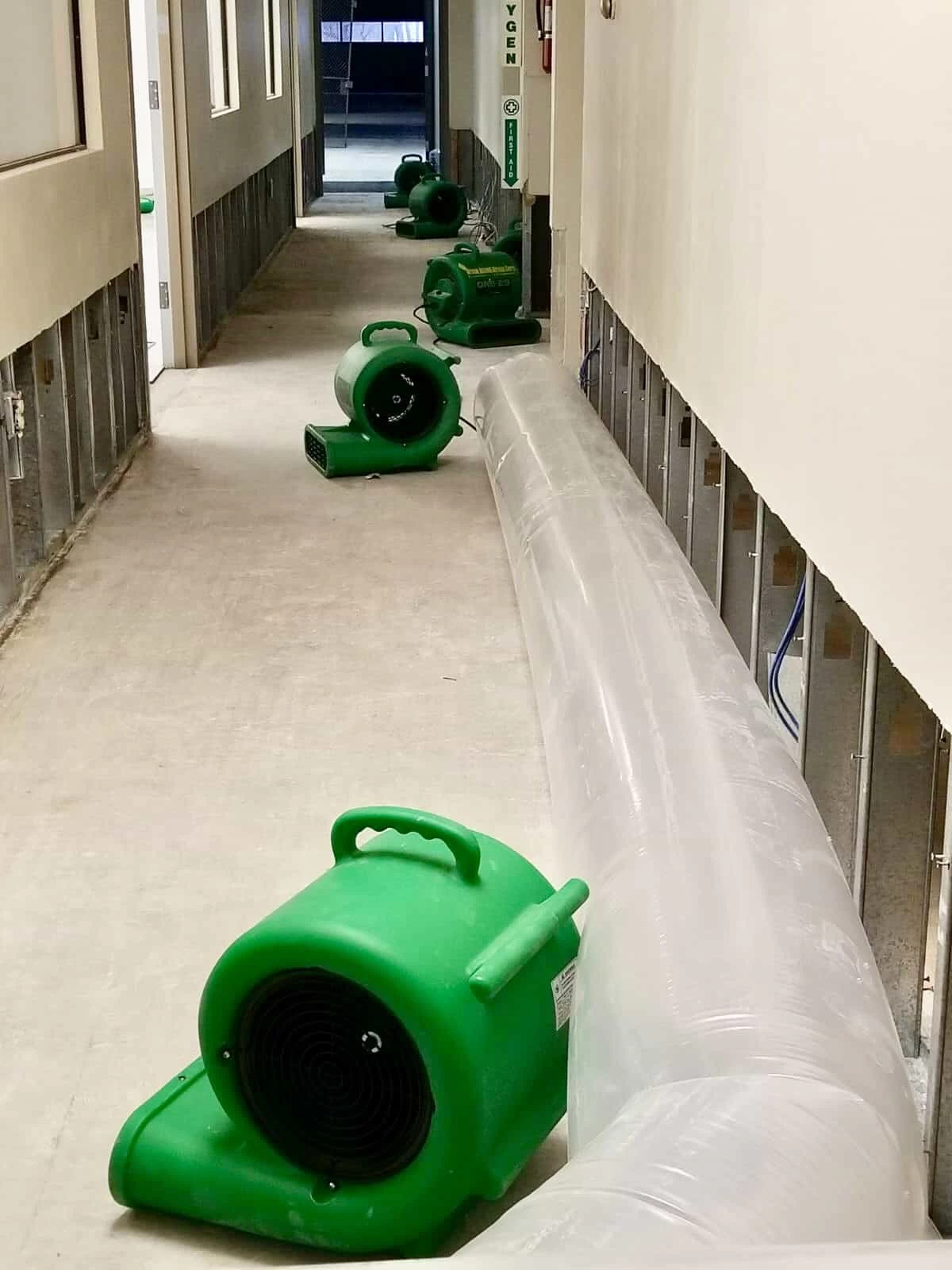
We’re IICRC-certified for water damage restoration and NYS DOL-licensed for asbestos abatement. That combination matters here because a burst pipe creates two problems at once water damage and potential asbestos exposure and both need to be handled under proper protocols simultaneously. We can respond to emergency situations, assess the insulation, manage the DEP notification process, and coordinate the water remediation and abatement work as a single project. You don’t have to find two separate licensed contractors and try to schedule them around each other while your basement sits wet.
How much does asbestos removal typically cost for a small Fresh Pond apartment building?
The honest answer is that it depends on what’s there and how much of it needs to come out. As a general benchmark, asbestos removal runs roughly $5 to $20 per square foot for interior work with asbestos popcorn ceiling removal typically landing in the $9 to $20 per square foot range. A full project for a small 2- or 3-unit building in Fresh Pond might average around $2,000 to $5,000 depending on scope, though larger jobs full gut renovations, pre-demolition abatement, or buildings with multiple material types can run higher. NYC labor costs also tend to run above national averages.
What’s worth understanding is what the cost actually covers: certified labor, proper containment setup, licensed disposal of hazardous material, DEP filing, and post-clearance air testing. Skipping any of those steps doesn’t save money it creates liability. An unlicensed contractor who does the removal without proper clearance documentation leaves you with a property that can’t pass a future inspection, a permit that won’t get issued, and potential tenant liability if the work is ever challenged. The upfront cost of doing it right is almost always less than the cost of doing it twice.
Can a landlord be held liable for asbestos in a rental unit in New York City?
Yes and the exposure is significant. Under New York City law, landlords have a duty to maintain rental units in a safe and habitable condition. Asbestos-containing materials that are deteriorating, friable, or disturbed during renovation work can create direct tenant liability if proper abatement protocols weren’t followed. If a tenant can demonstrate that they were exposed to asbestos due to negligence in how materials were handled during renovation or repair work, the legal and financial consequences for the property owner can be substantial.
The practical risk for Fresh Pond landlords is that the building stock here is old enough that asbestos-containing materials are widespread and small multifamily buildings often get renovated quickly between tenants, sometimes without the proper assessment and DEP filing steps being completed first. The safest position is to have any affected areas assessed before renovation work begins, use a licensed abatement contractor for removal, and retain the clearance documentation. That paper trail is your defense in any future tenant dispute, insurance claim, or regulatory inquiry. We provide full documentation as a standard part of every project not as an add-on.
Is asbestos abatement required before selling a pre-war building in Fresh Pond?
Not always required outright but it often becomes a practical necessity during the transaction. Buyers’ attorneys, lenders, and home inspectors in the New York City market are increasingly flagging asbestos-containing materials in pre-war buildings as a condition of closing. If an inspection reveals suspected ACMs and the seller hasn’t had a formal assessment done, the deal can stall while the parties negotiate who handles it and at what cost usually at the worst possible moment in the transaction timeline.
For Fresh Pond specifically, where the majority of buildings date to before 1940 and the real estate market sees regular turnover of small multifamily properties, having a current asbestos assessment and where needed a clearance certificate in hand before listing gives you a cleaner transaction. It removes a common negotiating point, satisfies lender requirements faster, and signals to buyers that the property has been maintained responsibly. We can perform the assessment, handle any required abatement, and provide the documentation you need to move through closing without that particular complication slowing things down.