Garden City Park's Older Homes Deserve More Than a Generic Crew
Most homes in the 11040 ZIP code were built in the 1940s — and that means asbestos is more common here than most homeowners realize. We handle asbestos abatement in Garden City Park with full Nassau County licensing, not just state credentials.
I needed a professional consultation explanation of procedure for safe removal of Asbestos in my apartment complex. Without having an account yet, I was very impressed with the caring, knowledgeable and generous advice offered by Jessica, and will look forward to doing business in the future. Thank you so much! I feel much more informed about a sometimes scary endeavor. Peace. Nancy Silva Mineola, NY.
Mia Munoz
Used this company to clean up some water flood in my house. They were fast and easy to work with.very professional, Would recommend to anyone!
Nini Valle
Great company, had a flood and they responded quickly and efficiently. Billed my insurance company directly. I highly recommend this company!
joe colapietro, jr
I had pipe freeze in my basement right before a snow storm and they made to within an hour to help start the clean up process. They we by our side throughout the entire process and even helped with the insurance company. They did such a great job with the cleanup, repair, remidiation, I contracted them to perform the repairs and finishes in the basement. They came with enough manpower and material to get the job done. Leo and Jessica were nothing but a pleasure to deal with!!
Cristian Arredondo c
I had some water damage in my home and Green Island was able to take care of my issue quickly and effectively. I am very pleased with the work they did. They responded quickly and were very professional.
Michael M
Outstanding service! From the office to the field crew everyone was friendly, helpful and responsive. I highly recommend Green Island Group.
Your renovation moves forward. Your contractor can get back on-site. Your permit doesn’t stall at the building department. That’s the practical reality of getting asbestos abatement done right — and done fast — by a company that already knows how North Hempstead’s permitting process works.
The housing stock in Garden City Park is almost entirely mid-century construction. The 1940s and 1950s homes lining the streets off Jericho Turnpike and New Hyde Park Road were built when asbestos was standard — in floor tiles, pipe insulation, ceiling texture, joint compound, and roofing materials. It’s not a maybe. If your home is from that era and you’re opening walls, pulling up floors, or touching the ceiling, there’s a real chance you’re dealing with it.
What most homeowners in Garden City Park don’t realize is that Nassau County has its own licensing layer on top of New York State’s requirements. A contractor who’s only certified at the state level isn’t fully compliant here. That gap creates legal exposure for you as the property owner. When we complete a job in Garden City Park, you get full documentation — post-abatement air clearance testing included — so there’s nothing left open when it’s done.
Licensed Asbestos Abatement Company in Garden City Park
Nassau County Compliance Isn't a Checkbox Here — It's the Baseline
We’re a Nassau County-based asbestos abatement company. That distinction matters more than it might seem. Nassau County requires contractors to hold both NYS Department of Labor certification and county-specific EHRP and EHRT licenses. Many companies operating on Long Island only carry state credentials. In Garden City Park, that’s not enough — and if something goes wrong with an under-licensed crew, the liability doesn’t land on them.
Our team has worked throughout the Greater New Hyde Park corridor — including homes in Garden City Park, Mineola, Herricks, and Albertson — which means the housing stock here isn’t unfamiliar territory. These are post-war homes with layered renovation histories, and knowing where asbestos typically hides in a 1940s Cape Cod or split-level isn’t something you learn from a training manual. It comes from doing this work in these exact homes, repeatedly.
Asbestos Remediation Process for Garden City Park Homes
No Surprises — Here's Exactly How the Job Gets Done
It starts with an assessment. Before any work begins, the affected materials are identified and evaluated. If testing is needed, samples are collected and sent to a certified lab. You’ll know what you’re dealing with before any decisions are made about scope or cost.
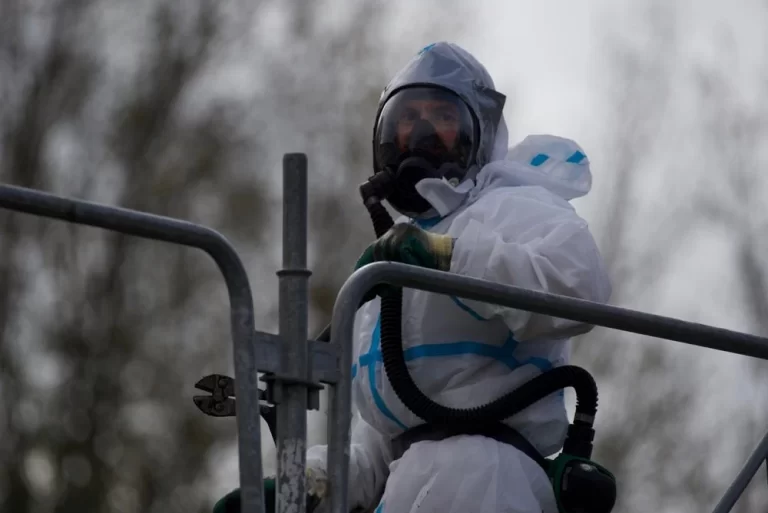
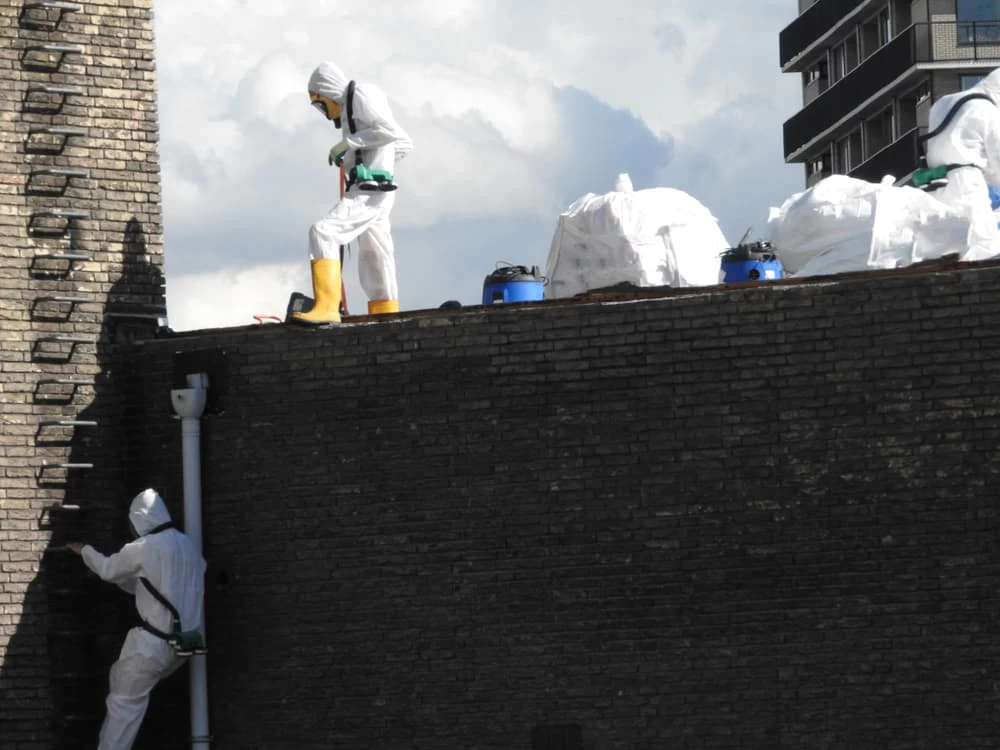
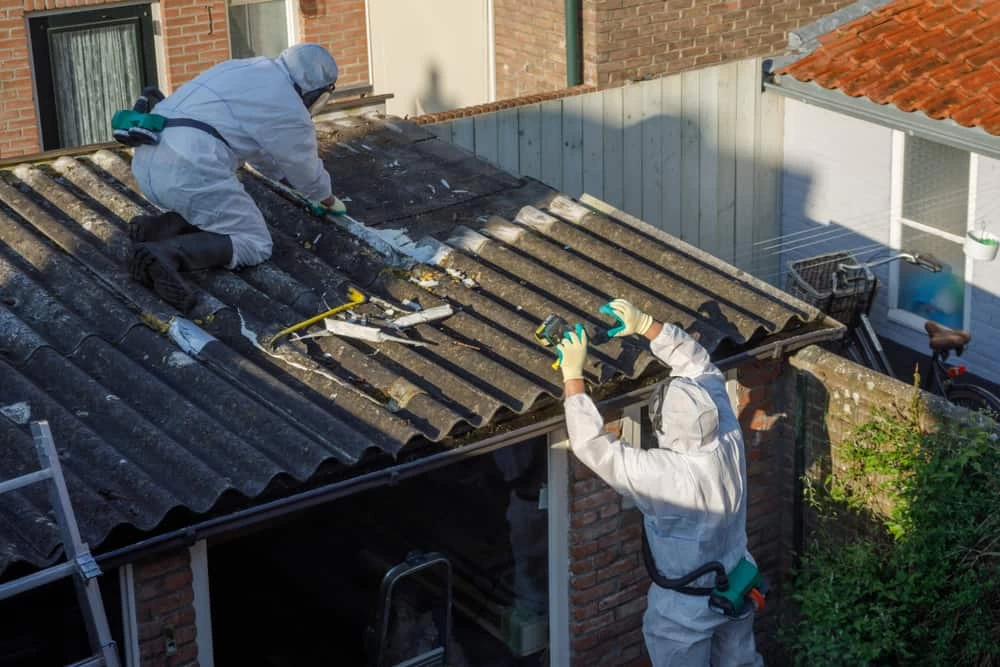
Once the scope is confirmed, the work area is fully contained using negative air pressure and sealed barriers — standard protocol under New York State Industrial Code Rule 56. We remove materials using wet methods to keep fibers from becoming airborne. All asbestos-containing waste is bagged, labeled, and transported to an approved disposal facility in compliance with NYS DEC requirements. Every step is documented, because in Nassau County, that paper trail matters — for your permit sign-off, your real estate transaction, or simply your own records.
After removal, post-abatement air clearance testing is conducted by a certified industrial hygienist. That test confirms fiber levels are below regulatory thresholds before containment is removed. You get written documentation of the results. For homeowners in Garden City Park who are navigating a sale, a renovation permit through the Town of North Hempstead, or a buyer’s attorney asking for proof — that clearance report is what closes the loop.
Asbestos Removal and Tile Removal in Garden City Park
The Materials Most Common in 11040 — and How We Handle Them
The most frequently encountered asbestos-containing materials in Garden City Park homes are 9×9 vinyl floor tiles, pipe and boiler insulation, popcorn ceiling texture, and joint compound in walls and ceilings. These aren’t rare findings — they’re what you’d expect in almost any home built in this ZIP code before 1978, and they show up constantly during kitchen remodels, basement finishing projects, and bathroom gut-outs.
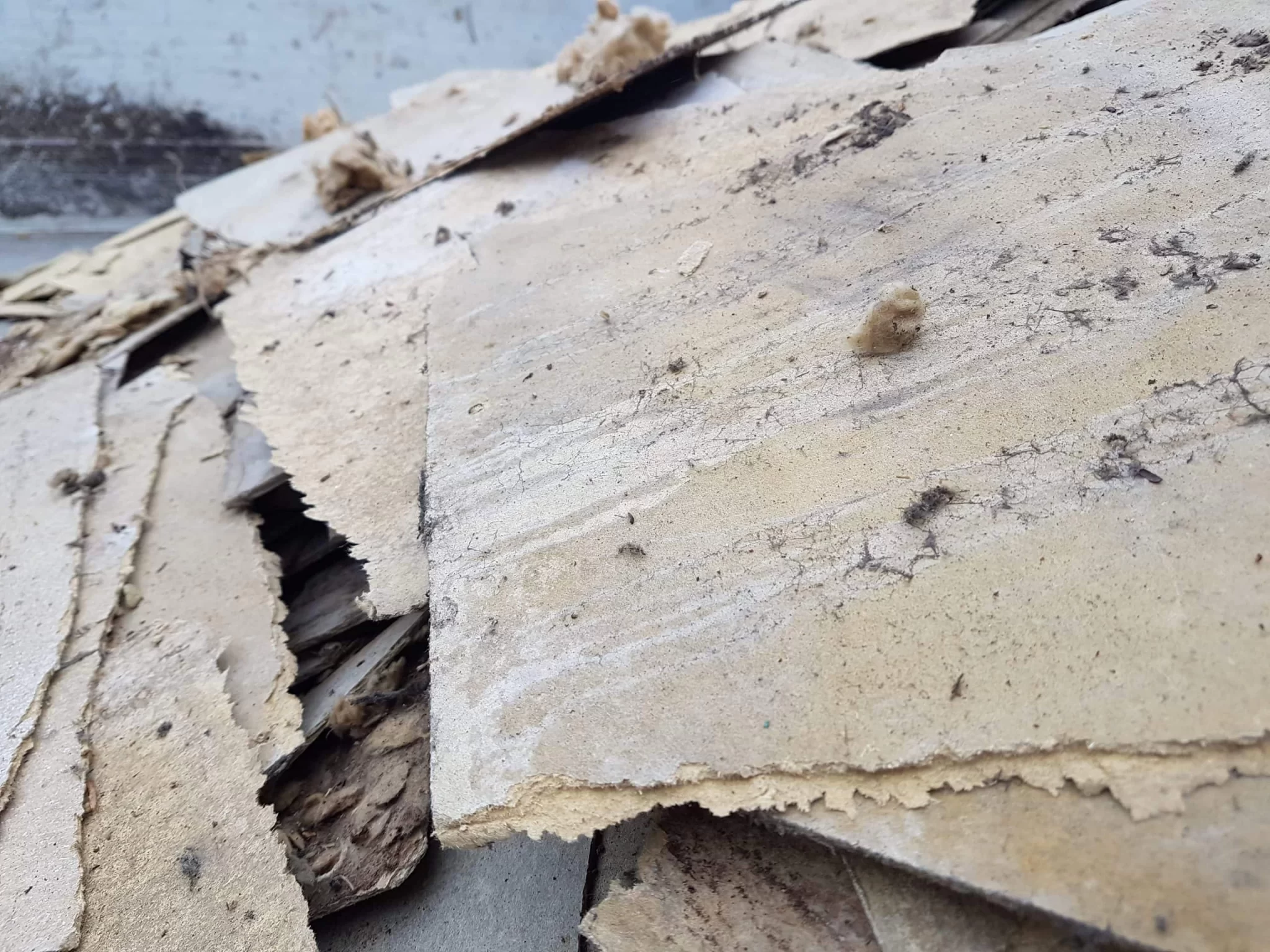
Asbestos tile removal is one of the more common requests in this area. Those original 9×9 tiles — often found under newer flooring layers — are brittle and can release fibers if broken incorrectly. Proper removal means wet methods, full containment, and certified disposal. Asbestos popcorn ceiling removal follows the same protocol: containment first, wet application to the surface to minimize fiber release, careful removal, and air clearance testing after. These aren’t jobs where shortcuts are safe or legal.
For homeowners along the Jericho Turnpike corridor or in the residential blocks near Herricks Road who are mid-renovation and just discovered something that doesn’t look right — the process doesn’t have to derail your entire project. We work around active renovation timelines and communicate directly with your general contractor when needed, so the job moves forward without unnecessary delays.
Does asbestos abatement in Garden City Park require a Nassau County license?
Yes — and this is one of the most important things to verify before hiring anyone. New York State requires all asbestos abatement contractors to be certified under Industrial Code Rule 56 through the NYS Department of Labor. But Nassau County adds its own layer: contractors must also hold an Environmental Hazard Remediation Provider (EHRP) license, and individual technicians must carry an Environmental Hazard Remediation Technician (EHRT) credential. These are Nassau County-specific requirements that don’t exist in Suffolk County or New York City.
If you hire a contractor who only holds state certification but not the Nassau County credentials, that work is not fully compliant — and as the property owner, you carry legal exposure if something goes wrong or if a code inspector flags the issue. Always ask any contractor you’re considering to provide both their NYS DOL certification number and their Nassau County EHRP license before work begins. We hold both.
How do I know if my 1940s Garden City Park home actually has asbestos?
The honest answer is: you don’t know for certain until testing is done. But if your home was built in the 1940s or 1950s — which describes most of the housing stock in the 11040 ZIP code — the probability is high that at least some asbestos-containing materials are present somewhere in the structure. The most common locations are vinyl floor tiles (especially 9×9 inch tiles in kitchens, bathrooms, and basements), pipe and boiler insulation, textured ceiling coatings, and the joint compound used in walls and ceilings.
The key distinction is whether those materials are intact or disturbed. Asbestos that’s in good condition and left undisturbed generally doesn’t pose an immediate risk. The danger comes when materials are cut, sanded, drilled, or demolished — which is exactly what happens during a renovation. If you’re planning any work that involves opening walls, pulling up floors, or touching the ceiling in a home from this era, have the materials tested first. It’s a straightforward process and far less disruptive than discovering the issue mid-project.
What does asbestos abatement actually cost for a typical home in this area?
Cost varies based on what materials are present, how much square footage is affected, and the complexity of the containment setup required. For a single room or localized area — say, asbestos floor tile removal in a kitchen or a bathroom — you’re typically looking at a few hundred to several thousand dollars depending on scope. A larger project involving multiple materials or multiple rooms will run higher. Post-abatement air clearance testing, which is required under Nassau County and NYS protocols, is typically included or quoted as a separate line item.
What affects cost most in Garden City Park specifically is the age and condition of the materials. Homes from the 1940s often have multiple layers of renovation on top of original materials, which can complicate access and add time to the job. A detailed written quote after an on-site assessment is the only reliable way to know what you’re looking at. Be cautious of any contractor who quotes a firm price without seeing the space first — that’s usually a sign the scope isn’t being taken seriously.
Can I renovate my Garden City Park home while asbestos abatement is happening?
Generally, no — not in the same area where abatement is actively taking place. During asbestos removal, the work zone is under negative air pressure with sealed containment barriers. No other contractors should be in that space while it’s active. However, if the abatement is confined to a specific room or section of the home, work in other unaffected areas can often continue at the same time.
The practical approach for most Garden City Park renovation projects is to sequence the work correctly: complete the asbestos assessment first, schedule abatement before your general contractor mobilizes in that area, and get the post-clearance air test done before demo or construction begins. This sequencing also matters for your Town of North Hempstead building permit — some renovation permits require documented proof of asbestos clearance before the permit can be fully executed. Getting abatement done early in the project timeline prevents the kind of stop-work situations that are frustrating and expensive to unwind.
Does asbestos abatement need to happen before I sell my home in Garden City Park?
Not always — but it depends on what was found and how the transaction is structured. If a home inspection flags suspected asbestos-containing materials, the buyer’s attorney or lender may require remediation as a condition of closing. In some cases, sellers choose to address it proactively before listing to avoid negotiation delays or price reductions during escrow. Given that median home values in the 11040 ZIP code are now above $795,000, the cost of professional abatement is relatively small compared to the risk of a deal falling apart or a price concession at closing.
The other scenario worth knowing: if any renovation work was done on the property without proper asbestos clearance documentation, that can become a disclosure issue during the sale. Buyers’ attorneys in Nassau County are increasingly asking for abatement records, especially for homes from the 1940s and 1950s. Having a clean clearance report on file — from a contractor who holds both NYS DOL and Nassau County EHRP credentials — is the kind of documentation that moves a transaction forward cleanly.
How long does asbestos abatement take for a typical Garden City Park project?
For a contained, single-area project — like asbestos tile removal in one room or popcorn ceiling removal in a bedroom — the abatement work itself often takes one to two days. The post-abatement air clearance test adds time, since samples need to be processed by a certified lab before results are returned and the area can be cleared for re-entry. In practice, most straightforward residential projects in Garden City Park are completed within two to four days from start to clearance.
Larger projects — multiple rooms, multiple material types, or homes where materials have deteriorated significantly — take longer and require more detailed planning. The freeze-thaw cycles that hit Nassau County every winter can accelerate the deterioration of older pipe insulation and floor tiles, so homes that have gone through many winters without inspection sometimes present more complex conditions than expected. A thorough on-site assessment before work begins is the best way to set realistic expectations on timeline, so your renovation schedule — or your closing date — doesn’t get caught off guard.