Most homes in Garrison were built in the 1950s, 60s, and 70s right in the window when asbestos was standard. If you’re renovating, selling, or just found something that doesn’t look right, licensed asbestos abatement is the only safe next step.
I needed a professional consultation explanation of procedure for safe removal of Asbestos in my apartment complex. Without having an account yet, I was very impressed with the caring, knowledgeable and generous advice offered by Jessica, and will look forward to doing business in the future. Thank you so much! I feel much more informed about a sometimes scary endeavor. Peace. Nancy Silva Mineola, NY.
Mia Munoz
Used this company to clean up some water flood in my house. They were fast and easy to work with.very professional, Would recommend to anyone!
Nini Valle
Great company, had a flood and they responded quickly and efficiently. Billed my insurance company directly. I highly recommend this company!
joe colapietro, jr
I had pipe freeze in my basement right before a snow storm and they made to within an hour to help start the clean up process. They we by our side throughout the entire process and even helped with the insurance company. They did such a great job with the cleanup, repair, remidiation, I contracted them to perform the repairs and finishes in the basement. They came with enough manpower and material to get the job done. Leo and Jessica were nothing but a pleasure to deal with!!
Cristian Arredondo c
I had some water damage in my home and Green Island was able to take care of my issue quickly and effectively. I am very pleased with the work they did. They responded quickly and were very professional.
Michael M
Outstanding service! From the office to the field crew everyone was friendly, helpful and responsive. I highly recommend Green Island Group.
When asbestos is properly removed and cleared by an independent air test, you’re not just checking a box. You’re protecting the people in your home, your ability to sell the property, and your legal standing as a homeowner. That documentation the air clearance results, the disposal records, the compliance certificate is what your real estate attorney, your buyer’s inspector, and your title company will actually ask for. In Garrison’s market, where buyers coming up from the city do thorough due diligence, that paperwork matters.
The housing stock in Garrison is older than most people realize. The median construction year for homes in the Garrison area sits around 1962, which means floor tiles, pipe insulation, popcorn ceilings, and joint compounds in most of these homes were installed during the heaviest years of asbestos use. Add in the Hudson Highlands winters freeze-thaw cycles, snowmelt, and the occasional flooding near Garrison’s Landing and you’ve got conditions that can disturb materials that were otherwise sitting undisturbed for decades. Water damage doesn’t just cause mold. In a pre-1980 home in Garrison, it can turn a contained asbestos issue into an active exposure risk overnight.
Proper abatement stops that from happening. And when it’s done right, by a contractor who’s licensed by the state and pulls the right permits through the Town of Philipstown, you walk away with something more valuable than a clean space you walk away with proof.
We’ve been doing environmental remediation work across New York State for over 12 years. That includes residential homes, historic institutional buildings, and public-sector projects for agencies like the NYS Office of General Services and the Dormitory Authority of the State of New York. These aren’t clients who hand work to contractors they haven’t vetted and that track record carries directly into every residential job we take on in Putnam County.
We already serve Cold Spring, Garrison’s neighbor within the Town of Philipstown, so this isn’t unfamiliar territory. We know the housing stock along Route 9D. We know what the Town of Philipstown’s building department requires. And we know that homeowners in Garrison whether they’re on the river side near Garrison’s Landing or up in the hills near Graymoor aren’t looking for the cheapest quote. They’re looking for someone who will do the job correctly and leave them with documentation they can actually use.
We hold the NYS DOL Asbestos License, USEPA Lead certification, and NYS DOL Mold License. We carry full liability insurance and worker’s compensation. You can verify the license. You should.
It starts with an assessment. Before anything is touched, we identify where asbestos-containing materials are located, what condition they’re in, and what the scope of work actually looks like. For homes in Garrison built in the 1950s through 1970s, that typically means checking floor tiles and their adhesive backing, pipe and boiler insulation, ceiling texture, roofing materials, and joint compound all common in the era when most of this hamlet’s housing stock was built.
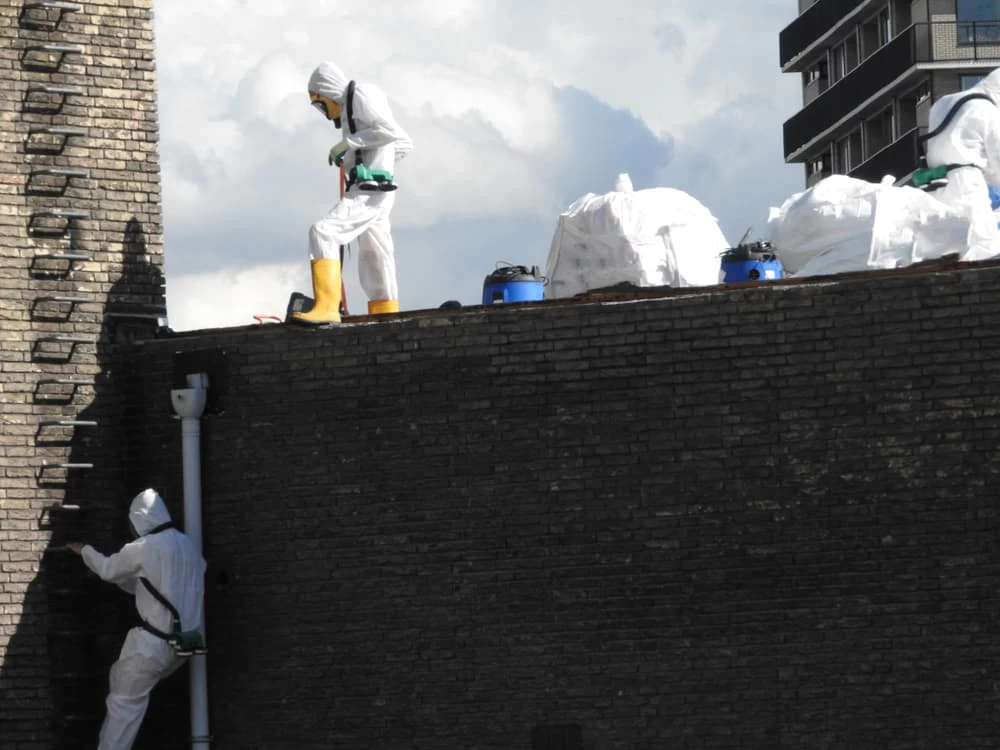
From there, we handle the permit process with the Town of Philipstown and coordinate everything required under NYS Industrial Code Rule 56. That means negative air pressure containment, wet removal methods, decontamination units on-site, and certified handlers throughout the job. You don’t have to manage any of that paperwork we do. Once removal is complete, an independent licensed air monitoring contractor conducts post-abatement clearance testing. That’s not optional under state law, and it’s also the only objective confirmation that the job was done right.
When everything clears, you receive the full documentation package air clearance results, disposal manifests, compliance records. If you’re selling the property, your attorney gets what they need. If you’re staying, you know your home is safe. Either way, the job is finished and documented, not just finished.
Built for Garrison's Homes, Not a Generic Checklist
The materials most commonly found in Garrison’s older homes are the same ones that defined mid-century residential construction across the Hudson Valley: vinyl asbestos floor tiles and their black mastic adhesive, popcorn ceiling texture applied to virtually every surface in homes built before 1978, pipe and boiler insulation in older steam and hot-water heating systems, roofing felt, and drywall joint compound. Each of these requires a different removal approach, and each carries its own disposal requirements under New York State law.
Beyond residential properties, Garrison has a concentration of historic institutional buildings that most asbestos contractors aren’t specifically equipped to handle a 1923 monastery at the Garrison Institute, active facilities at Graymoor, and other structures that require strict compliance in preservation-sensitive environments. Our experience with institutional and government projects means that complexity doesn’t slow the job down.
We also hold the USEPA Lead certification and NYS DOL Mold License, which matters more than most homeowners expect. In pre-1980 Garrison homes, asbestos, lead paint, and mold frequently show up together especially after water intrusion events. Coordinating one contractor across all three hazards means fewer scheduling conflicts, a single point of accountability, and a faster path to a clean, documented result. If your home needs more than one type of remediation, you won’t have to start the search over.
Do most homes in Garrison, NY actually contain asbestos materials?
The honest answer is: if your home was built before 1980, there’s a real chance it does. The median construction year for homes in Garrison sits around 1962, which puts the majority of the hamlet’s housing stock squarely in the window when asbestos was used most heavily in residential construction. That includes vinyl floor tiles and the black adhesive underneath them, pipe and boiler insulation especially common in older Hudson Valley homes with steam or hot-water heat popcorn ceiling texture, roofing felt, and the joint compound used in drywall installation.
None of that means the materials are immediately dangerous. Asbestos that’s intact and undisturbed generally stays that way. The risk comes when those materials are disturbed during a renovation, after water damage, or when aging materials start to deteriorate. If you’re planning any work on a pre-1980 home in Garrison, a professional inspection before you start is the right call. It’s not about creating a problem where there isn’t one. It’s about knowing what you’re dealing with before someone swings a hammer.
What triggers the need for asbestos removal before a renovation or home sale?
Two situations come up most often. The first is renovation: under NYS Industrial Code Rule 56, any renovation or demolition work that may disturb asbestos-containing materials requires a licensed asbestos contractor and, in most cases, a prior asbestos survey. That applies whether you’re pulling up old floor tiles in a 1960s kitchen, replacing pipe insulation, or removing a popcorn ceiling before repainting. The rule exists because disturbing asbestos without proper containment releases fibers into the air and once they’re airborne, they’re invisible and stay suspended for hours.
The second situation is a home sale. Buyers in Garrison’s real estate market many of them coming from New York City with attorneys and inspectors who know exactly what to look for routinely flag asbestos concerns during due diligence. A properly documented abatement, with air clearance test results and disposal records, removes that flag entirely. Without it, you’re either negotiating around the issue or agreeing to a price reduction. Having the work done before you list, with full documentation in hand, puts you in a much cleaner position at the closing table.
How does flooding or water damage create an asbestos risk in older Garrison homes?
This is one of the more overlooked risks in the Hudson Valley, and it’s directly relevant to Garrison’s geography. The lower areas of the hamlet particularly around Garrison’s Landing and the Hudson River corridor are susceptible to seasonal flooding from snowmelt and heavy rain. When water gets into a pre-1980 home and saturates older building materials, it can disturb asbestos that was otherwise sitting undisturbed for decades. Floor tiles can lift and crack. Pipe insulation can become saturated and start to break down. Ceiling materials can absorb moisture and begin to deteriorate.
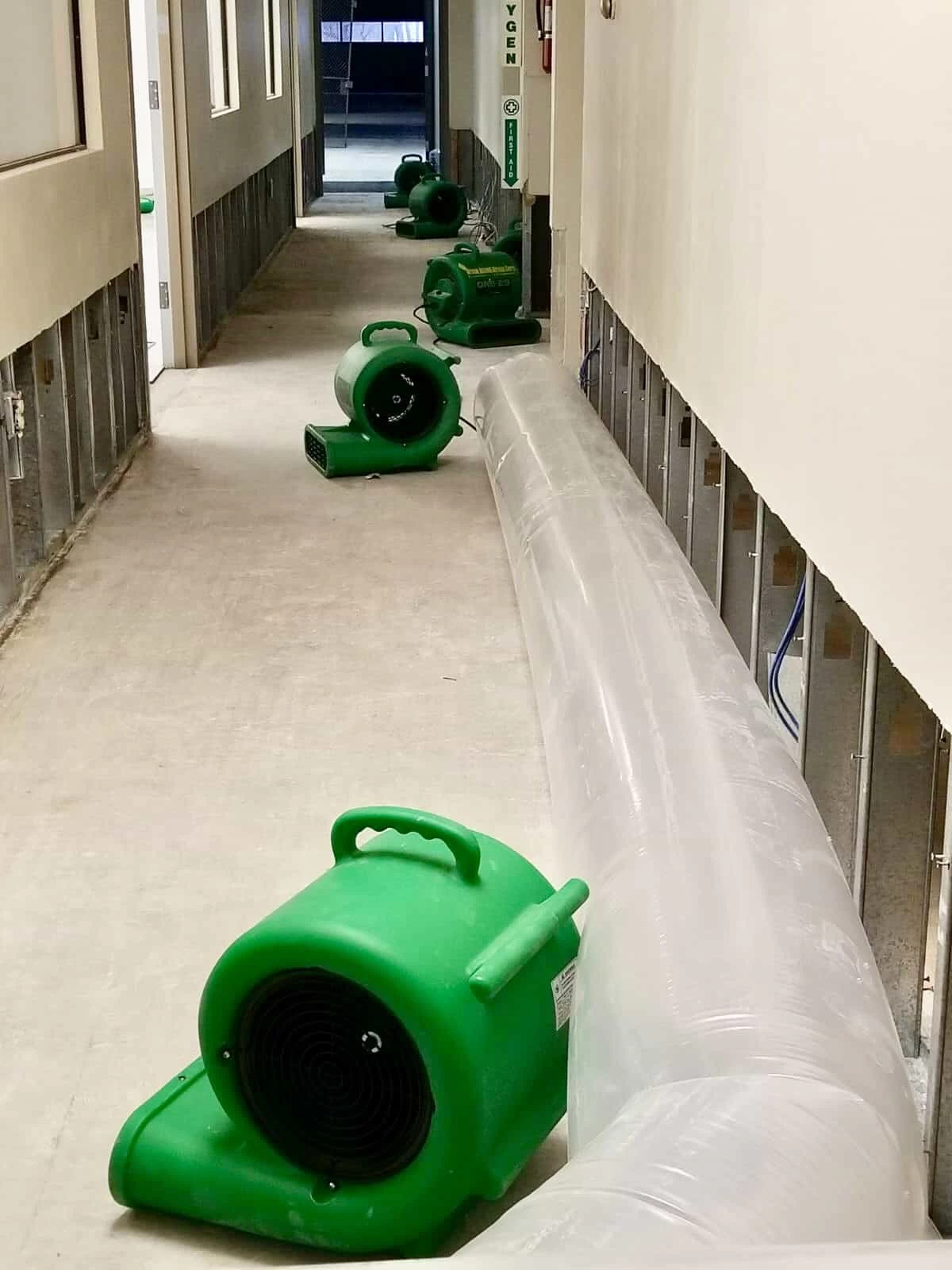
The problem is that most water damage remediation contractors aren’t equipped to handle asbestos. If they start pulling up damaged flooring or cutting into walls without an asbestos assessment first, they can unknowingly release fibers into the air and spread contamination through the HVAC system. We hold both the NYS DOL Asbestos License and the IICRC Water Damage certification, which means we can assess and address both issues under one contractor. That matters when the clock is ticking on water damage and you can’t afford to wait for multiple vendors to coordinate.
How long does asbestos abatement typically take for a Garrison home?
It depends on the scope, but most residential asbestos abatement projects in a Garrison home take anywhere from one to several days for the active removal work, with additional time for post-abatement air clearance testing before the space can be reoccupied. Smaller, contained jobs removing asbestos tile from a single room or addressing a section of pipe insulation can often be completed in a day or two. Larger projects involving multiple materials or multiple areas of the home take longer, and the permit process through the Town of Philipstown adds some lead time at the front end.
The clearance testing is the step that catches people off guard. Once removal is complete, an independent licensed air monitoring contractor has to test the space and confirm that airborne fiber levels meet state standards before you can go back in. That testing typically takes a day, and results come back within 24 to 48 hours depending on the lab. We walk you through the timeline upfront so there are no surprises and we schedule around your situation as much as the process allows.
Is asbestos removal in Garrison, NY something I can legally do myself?
For most situations, no. New York State’s Industrial Code Rule 56 requires that asbestos abatement work be performed by a contractor holding a valid NYS Department of Labor Asbestos License. This applies to any project where the amount of asbestos-containing material being disturbed exceeds regulatory thresholds and in practice, most renovation or removal projects in a pre-1980 Garrison home will cross those thresholds quickly. Floor tiles, ceiling texture, pipe insulation these aren’t small amounts of material.
Beyond the legal requirement, there’s a practical one. Asbestos fibers are invisible, and exposure happens without any warning. Proper abatement requires negative air pressure containment, wet removal methods, sealed decontamination units, and certified handlers trained in safe removal procedures. It also requires post-abatement air clearance testing by an independent contractor something a DIY project can’t produce. If you’re planning to sell the property, that documentation is what buyers, attorneys, and title companies will ask for. A self-performed removal doesn’t give you any of that, and it exposes you to legal liability if the work is later found to be non-compliant.
What does asbestos abatement actually cost for a home in Putnam County?
The range is wide because the scope varies significantly from one property to the next. Nationally, asbestos removal costs average around $2,200, with a typical range running from roughly $500 on the low end for a small, contained job up to $6,000 or more for larger or more complex projects. In Putnam County, where labor costs track with the broader New York metro market, you should expect pricing toward the middle to upper end of that range for most residential work.
What actually drives the cost is the type of material being removed, how much of it there is, and how accessible it is. Removing asbestos floor tiles from a single room is a different job than addressing pipe insulation throughout a basement, popcorn ceiling texture across multiple floors, or multiple material types at once. For Garrison homes which tend to be larger, older, and more architecturally complex than the regional average it’s worth getting a clear scope assessment before assuming a number. We provide transparent, itemized estimates so you know exactly what you’re paying for and why, without discovering surprises mid-project.