If your home was built before 1980 and you’re renovating, selling, or just found something suspicious — asbestos abatement in Glen Cove starts with getting the right people in the door.
I needed a professional consultation explanation of procedure for safe removal of Asbestos in my apartment complex. Without having an account yet, I was very impressed with the caring, knowledgeable and generous advice offered by Jessica, and will look forward to doing business in the future. Thank you so much! I feel much more informed about a sometimes scary endeavor. Peace. Nancy Silva Mineola, NY.
Mia Munoz
Used this company to clean up some water flood in my house. They were fast and easy to work with.very professional, Would recommend to anyone!
Nini Valle
Great company, had a flood and they responded quickly and efficiently. Billed my insurance company directly. I highly recommend this company!
joe colapietro, jr
I had pipe freeze in my basement right before a snow storm and they made to within an hour to help start the clean up process. They we by our side throughout the entire process and even helped with the insurance company. They did such a great job with the cleanup, repair, remidiation, I contracted them to perform the repairs and finishes in the basement. They came with enough manpower and material to get the job done. Leo and Jessica were nothing but a pleasure to deal with!!
Cristian Arredondo c
I had some water damage in my home and Green Island was able to take care of my issue quickly and effectively. I am very pleased with the work they did. They responded quickly and were very professional.
Michael M
Outstanding service! From the office to the field crew everyone was friendly, helpful and responsive. I highly recommend Green Island Group.
When asbestos is properly identified, removed, and documented, you stop carrying a liability you didn’t sign up for. You can move forward with your renovation, close your real estate deal, or simply stop wondering whether the floor tiles in your basement are a problem. That peace of mind is real — and it’s backed by paperwork that actually holds up.
Glen Cove’s housing stock is older than most people realize. The median construction year in this city is 1960, and nearly one in five homes was built before 1940. That means a significant portion of the homes along Glen Street, through The Orchard, and into the quieter residential blocks near Dosoris Lane were built during the era when asbestos was standard in floor tiles, pipe insulation, boiler wrap, roofing felt, and textured ceiling coatings. It wasn’t a mistake — it was just how things were built.
The North Shore climate adds another layer. Freeze-thaw cycles through the winter months accelerate the breakdown of older insulation and exterior materials. If you have a pre-1970 boiler system or original pipe wrap in your basement, that material doesn’t stay stable forever. Moisture intrusion from nor’easters and coastal storms — something Glen Cove sees regularly given its position on Hempstead Harbor — can disturb materials that were otherwise sitting quietly. Getting ahead of it matters.
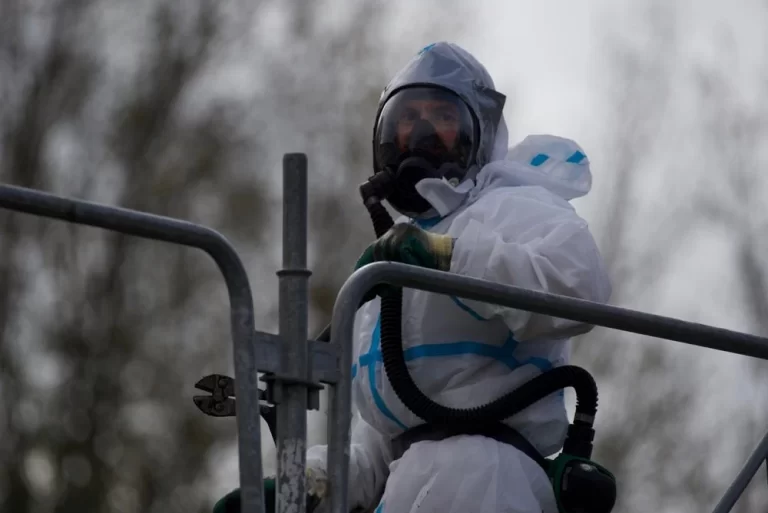
We are a Nassau County-based asbestos abatement contractor serving Glen Cove and the surrounding North Shore communities. Every crew member is certified under New York State Industrial Code Rule 56 — the state regulation that governs all asbestos work in New York. That’s not optional here. It’s the legal standard, and it’s the baseline we hold ourselves to on every job.
Glen Cove is not a typical Long Island suburb. It’s an independent city with its own Building Department, its own permitting process, and a documented environmental history that includes a federal Superfund site along Glen Cove Creek. We understand what that means for property owners here. Whether you’re dealing with a 1950s Cape Cod near the Glen Street station or a historic property closer to the Garvies Point waterfront redevelopment zone, our approach has to be specific to what’s actually in front of us.
We handle the full scope — inspection, containment, removal, certified disposal, and final clearance documentation — so you’re not coordinating between multiple contractors or trying to figure out what the NYS Department of Labor requires on your own.
No Surprises — Here's What the Process Actually Looks Like
It starts with an inspection. A certified NYS asbestos inspector comes to your property, identifies any suspect materials, and takes samples for laboratory analysis. This step is required by New York State before any renovation, demolition, or major repair work begins — and it applies to homes built well into the late 1980s, not just pre-1974 construction as some homeowners assume. If you’re pulling permits through the City of Glen Cove Building Department, having this documentation in hand before you start saves time and prevents work stoppages.
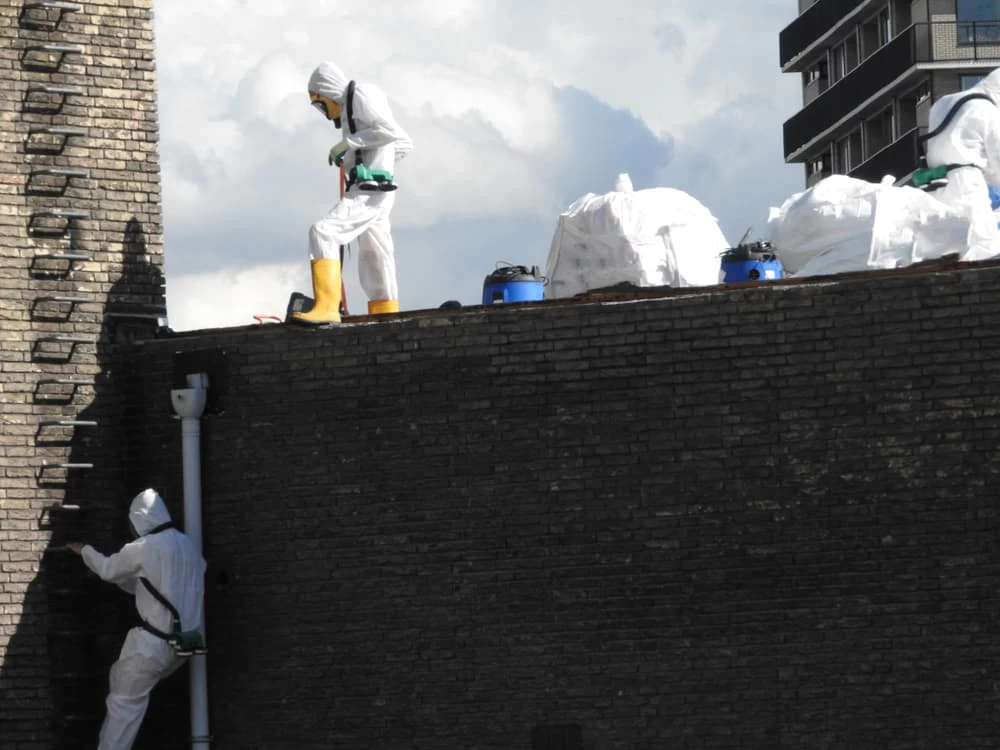
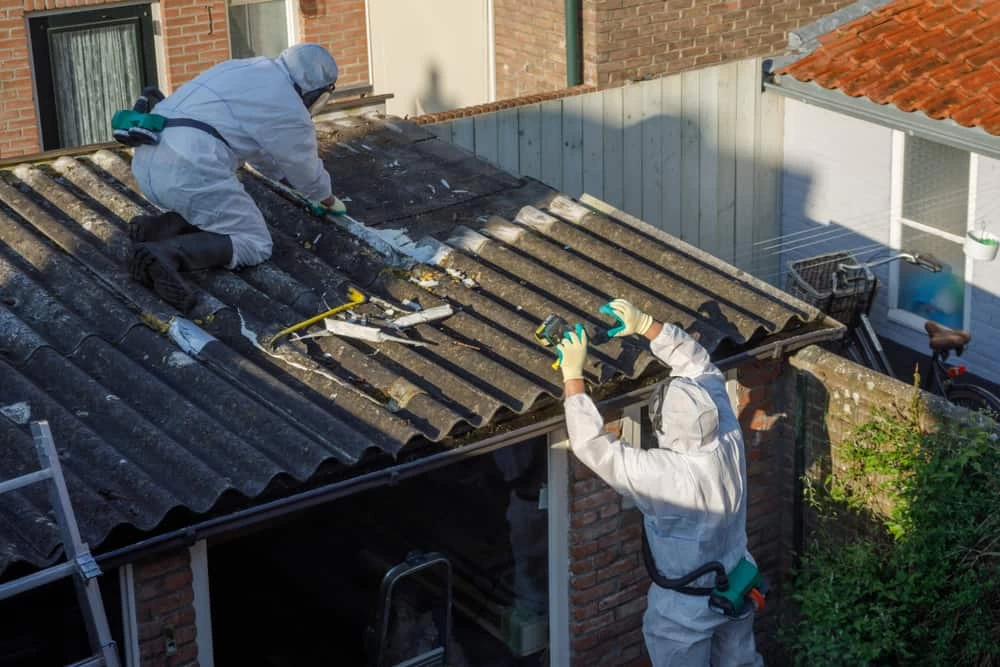
Once the inspection confirms asbestos-containing materials, we file the required project notification with the NYS Department of Labor’s Asbestos Control Bureau before any removal begins. Then the physical work starts: containment of the affected area, removal by certified workers using proper protective equipment, and packaging for transport to a licensed disposal facility. Every step generates documentation — because in a real estate transaction, a building permit review, or an insurance claim, that paper trail is what actually protects you.
After removal, we conduct post-abatement clearance air testing. This confirms the space is safe and produces the written clearance report your contractor, your lender, or the city’s Building Department may require before work continues. In Glen Cove, where the Building Department actively monitors permit compliance, having that clearance documentation ready is not a formality — it’s how you avoid delays that cost real money.
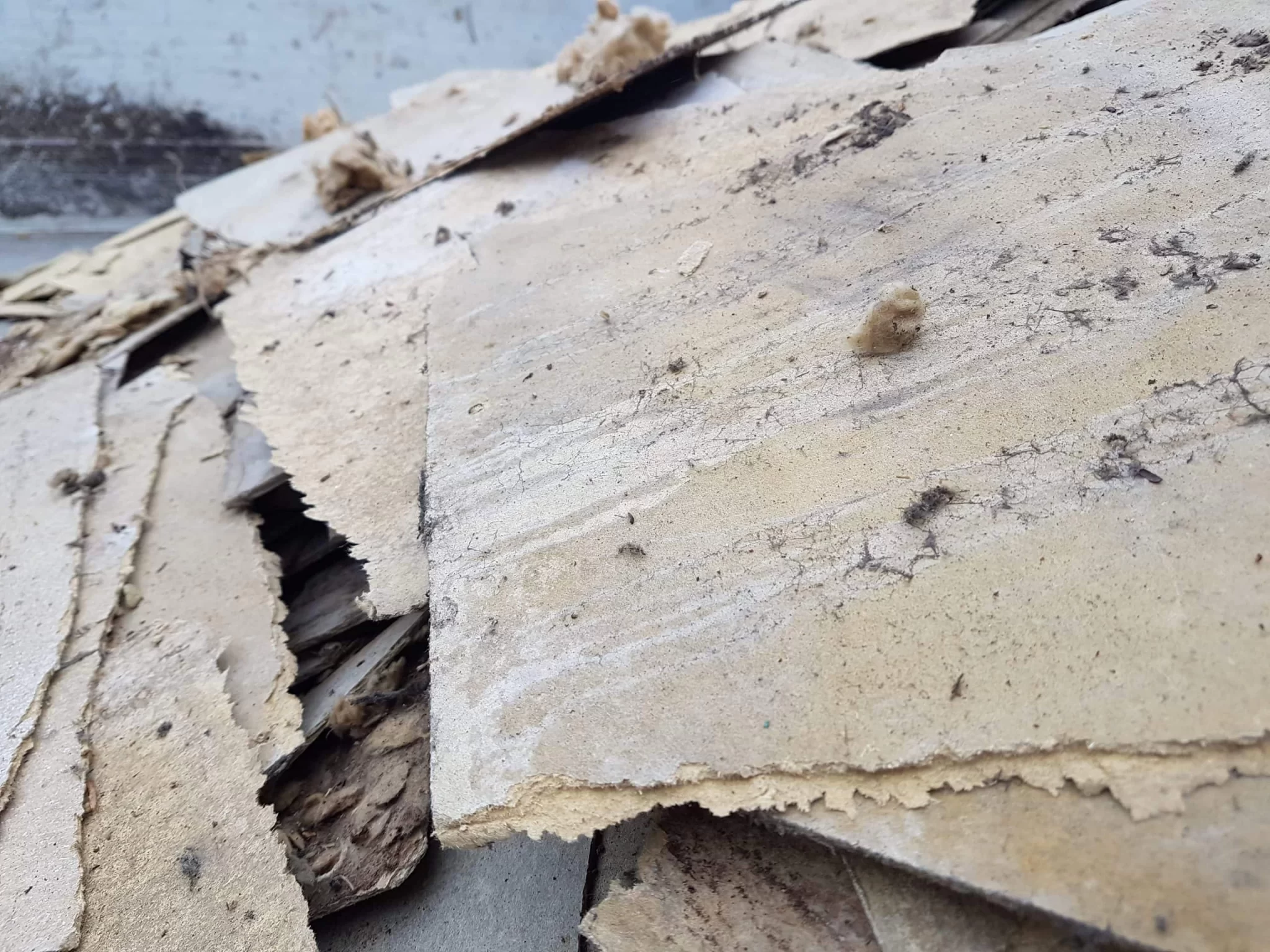
The most common asbestos-containing materials we encounter in Glen Cove are vinyl asbestos floor tiles — VAT — and the adhesive mastic beneath them. These were used extensively in 1950s and 1960s kitchens, bathrooms, basements, and entryways, and they show up constantly in the mid-century homes that make up a large portion of Glen Cove’s housing inventory. The tiles themselves can look completely ordinary. The only way to know is to test.
Popcorn ceiling removal is another frequent request, particularly in homes built or renovated between the 1960s and late 1970s. That textured finish was widely applied as an inexpensive acoustic coating, and it’s considered friable — meaning it can release fibers when scraped, sanded, or disturbed during a renovation. If you’re updating a bedroom, finishing a basement, or prepping a property for sale, this material needs to be tested before any drywall or painting work begins.
We also handle pipe and boiler insulation, roofing materials, exterior transite siding, and HVAC duct wrap — all materials commonly found in Glen Cove’s older building stock, including the estate-era properties and institutional buildings that are part of the city’s Gold Coast architectural history. If you’re working on a property near the Garvies Point waterfront redevelopment area or within The Orchard neighborhood’s Brownfield Opportunity Area, the environmental standards that apply are heightened — and we’re equipped to meet them.
Does my Glen Cove home actually need an asbestos inspection before renovating?
If your home was built before 1980 — which describes a large share of Glen Cove’s housing stock, given the city’s median construction year of 1960 — then yes, a certified asbestos inspection is required under New York State Industrial Code Rule 56 before you begin any renovation, demolition, or significant repair work. This isn’t a recommendation. It’s a legal requirement enforced by the NYS Department of Labor.
A lot of homeowners assume the cutoff is 1974, but that’s a common misread of the regulation. Buildings constructed through the late 1980s can still contain asbestos-containing materials, and the survey requirement applies regardless of when you think the material was installed. If you’re pulling a permit through the City of Glen Cove Building Department — which you should be for any structural or mechanical work — having your inspection documentation in order before you start protects you from work stoppages and retroactive compliance issues.
How long does asbestos abatement typically take for a residential property?
For most residential projects — a single room, a basement floor, or a section of pipe insulation — the abatement work itself typically takes one to three days. The full timeline, from initial inspection through final clearance air testing, usually runs one to two weeks depending on lab turnaround for samples and scheduling.
Where timelines stretch is when the scope is larger than expected. In older Glen Cove homes, it’s not uncommon to open up a wall or pull up a floor and find layered materials — VAT under newer flooring, or pipe insulation that wasn’t visible during the initial walkthrough. That’s why a thorough inspection upfront matters. The more accurately the scope is defined at the start, the fewer surprises there are mid-project, and the less likely your contractor ends up sitting idle waiting on clearance documentation before they can proceed.
What are the most common asbestos-containing materials found in Glen Cove homes?
The materials we encounter most frequently in Glen Cove are vinyl asbestos floor tiles and the mastic adhesive beneath them, pipe and boiler insulation in pre-1970 heating systems, and popcorn or textured ceiling coatings applied during the 1960s and 1970s. Roofing felt, exterior transite siding, and HVAC duct wrap are also common in homes from this era.
Glen Cove’s older housing stock — particularly the mid-century single-family homes near The Orchard, along Cedar Swamp Road, and throughout the city’s residential blocks — was built during the decades when these materials were standard. They’re not a sign that anything was done wrong. They’re just a product of when the home was built. The important thing is knowing what’s there before you disturb it, which is exactly what a certified inspection is designed to tell you.
Is it safe to stay in my home during asbestos abatement?
It depends on the scope and location of the work. For contained projects — a single room, a section of basement floor, or a localized area of pipe insulation — many homeowners can remain in the home as long as the work area is properly sealed and isolated from the living space. For larger projects involving multiple rooms, HVAC systems, or materials that are highly friable, temporary relocation is often the safer and more practical choice.
The containment protocol required under NYS Industrial Code Rule 56 is specifically designed to prevent fiber migration into unaffected areas of the home. That means physical barriers, negative air pressure systems, and decontamination procedures for workers entering and exiting the work zone. When those protocols are followed correctly, the risk of exposure in the rest of the home is minimal. We walk through the scope with you before work begins so you can make an informed decision about whether staying or leaving makes more sense for your specific situation.
How much does asbestos abatement cost for a typical Glen Cove property?
Cost varies based on the type of material, the square footage involved, and the accessibility of the affected area. For a single room of vinyl asbestos tile removal, you’re typically looking at somewhere in the range of $1,500 to $3,500. Pipe and boiler insulation projects vary more widely depending on the linear footage and the complexity of the system. Larger whole-home or multi-room projects can run $5,000 to $15,000 or more.
In Glen Cove’s real estate market — where detached single-family homes are selling well above $900,000 — the cost of abatement is almost always a small fraction of the property’s value. More importantly, it’s a fraction of what an undisclosed or improperly handled asbestos situation can cost you: a failed closing, a price reduction demand from a buyer, or a regulatory fine from the NYS Department of Labor. Getting it done correctly, with full documentation, is what actually protects the investment you have in your property.
Can I remove asbestos-containing materials myself in Glen Cove?
No — and this is one area where the regulation is clear. New York State Industrial Code Rule 56 requires that asbestos abatement be performed by a licensed NYS Department of Labor contractor using certified workers. DIY removal of asbestos-containing materials is not legal for most project types, and it creates serious exposure risk for you, your family, and anyone else in the home. It also creates a documentation problem that can follow the property for years.
Beyond the legal issue, the practical risks are significant. Asbestos fibers are microscopic and don’t settle the way ordinary dust does. Disturbing VAT, pipe insulation, or popcorn ceiling material without proper containment and negative air pressure can spread contamination throughout a home in ways that are expensive to remediate after the fact. Glen Cove’s Building Department requires permitted work to meet code — and work done without the proper abatement documentation can complicate future permits, refinancing, and resale. The licensed route is not just the legal one. It’s the one that actually holds up when it matters.