If your home was built before 1980, asbestos abatement isn’t a maybe — it’s something you need handled right, by a licensed contractor who knows Nassau County’s rules and your neighborhood’s housing stock.
I needed a professional consultation explanation of procedure for safe removal of Asbestos in my apartment complex. Without having an account yet, I was very impressed with the caring, knowledgeable and generous advice offered by Jessica, and will look forward to doing business in the future. Thank you so much! I feel much more informed about a sometimes scary endeavor. Peace. Nancy Silva Mineola, NY.
Mia Munoz
Used this company to clean up some water flood in my house. They were fast and easy to work with.very professional, Would recommend to anyone!
Nini Valle
Great company, had a flood and they responded quickly and efficiently. Billed my insurance company directly. I highly recommend this company!
joe colapietro, jr
I had pipe freeze in my basement right before a snow storm and they made to within an hour to help start the clean up process. They we by our side throughout the entire process and even helped with the insurance company. They did such a great job with the cleanup, repair, remidiation, I contracted them to perform the repairs and finishes in the basement. They came with enough manpower and material to get the job done. Leo and Jessica were nothing but a pleasure to deal with!!
Cristian Arredondo c
I had some water damage in my home and Green Island was able to take care of my issue quickly and effectively. I am very pleased with the work they did. They responded quickly and were very professional.
Michael M
Outstanding service! From the office to the field crew everyone was friendly, helpful and responsive. I highly recommend Green Island Group.
When asbestos is identified and removed properly, your renovation moves forward. Your real estate deal doesn’t fall apart at the inspection table. And you’re not sitting on a liability inside a home you’ve spent years building equity in. That’s the real outcome — not just a cleared space, but a documented, legally compliant result that holds up.
Glen Head’s housing stock spans more than a century of construction. From early 20th-century Colonials in The Promenade subdivision to the Cape Cods and ranch-style homes built throughout the post-war decades, the materials used in these homes reflect exactly the eras when asbestos was standard — floor tiles, pipe insulation, joint compound, popcorn ceilings, boiler wrap. If you’re renovating, selling, or doing anything that touches those original materials, you need to know what you’re dealing with before the first wall comes down.
With median home values in Glen Head approaching $900,000, this isn’t a situation where cutting corners makes financial sense. A properly abated, fully documented project protects your property value, satisfies your buyer’s attorney, and keeps your contractor on schedule. Done right, it’s one less thing standing between you and the project you actually want to complete.
We Know Glen Head's Homes. That's Not an Accident.
We’re a Nassau County environmental remediation contractor with direct experience in the housing stock that defines Glen Head — the older Colonials, the mid-century Capes, the pre-war homes where the original boiler has never been touched. We’re not a national franchise learning your neighborhood from a zip code lookup. We’ve worked in homes like yours, in Glen Head, Glenwood Landing, Sea Cliff, and Glen Cove, and we understand what that work actually involves.
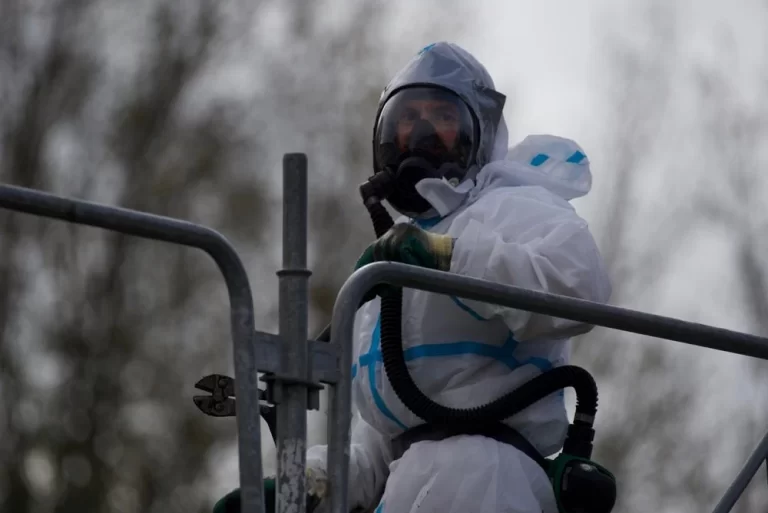
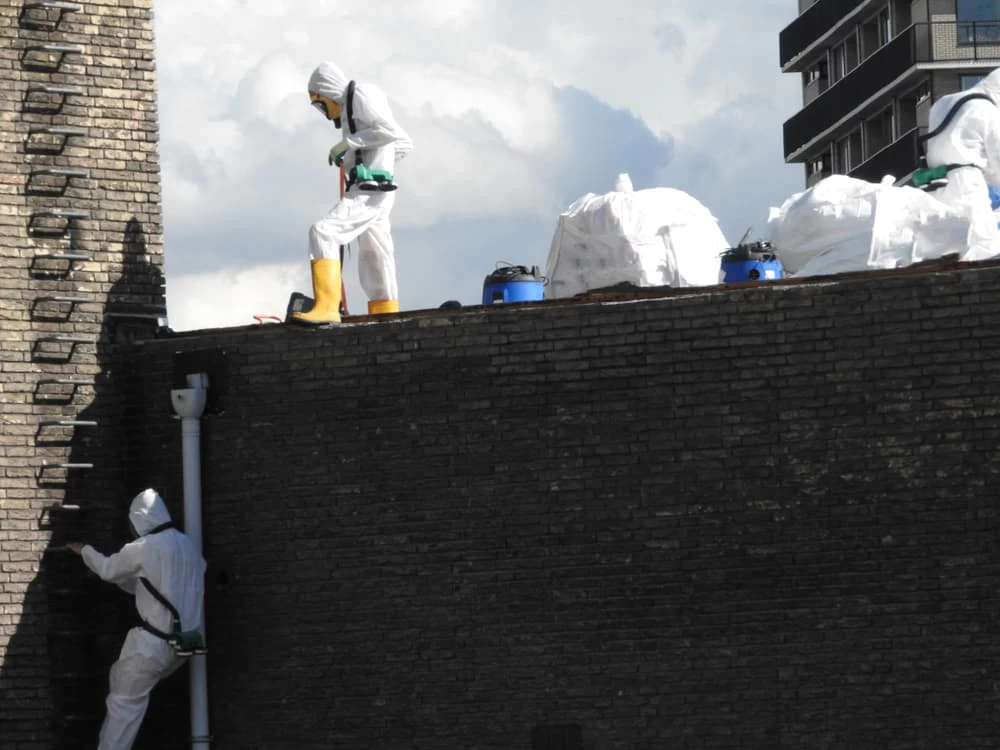
Every project we take on is handled by our licensed, certified technicians operating under New York State Industrial Code Rule 56. That means proper containment, independent air monitoring, compliant waste disposal, and full documentation from start to finish. You get a paper trail that satisfies building departments, real estate attorneys, and lenders — because in Nassau County, that documentation isn’t optional.
It starts with an assessment. Before any work begins, we identify what materials are present, where they are, and whether they’re friable or non-friable — because that determines the scope and the regulatory requirements under Code Rule 56. For most Glen Head homes, that means looking at the obvious places first: floor tiles, pipe insulation around older heating systems, attic insulation, textured ceilings. But it also means knowing where to look in a home that’s been renovated in layers over 60 or 70 years.
Once the scope is confirmed, we handle the NYS Department of Labor project notification, set up proper containment, and begin removal with our certified workers on-site. Independent air monitoring runs throughout — not as an afterthought, but as a required part of the process. This is a step some contractors skip or handle informally. We don’t. Clearance sampling happens after removal is complete, and you receive documentation confirming the space meets regulatory standards before the containment comes down.
From there, your contractor can get back to work. If you’re on a renovation timeline or approaching a real estate closing, we work with your schedule as much as the process allows. Glen Head homeowners dealing with inspection-triggered abatement requirements before a closing have real deadlines — we understand that, and we move accordingly.
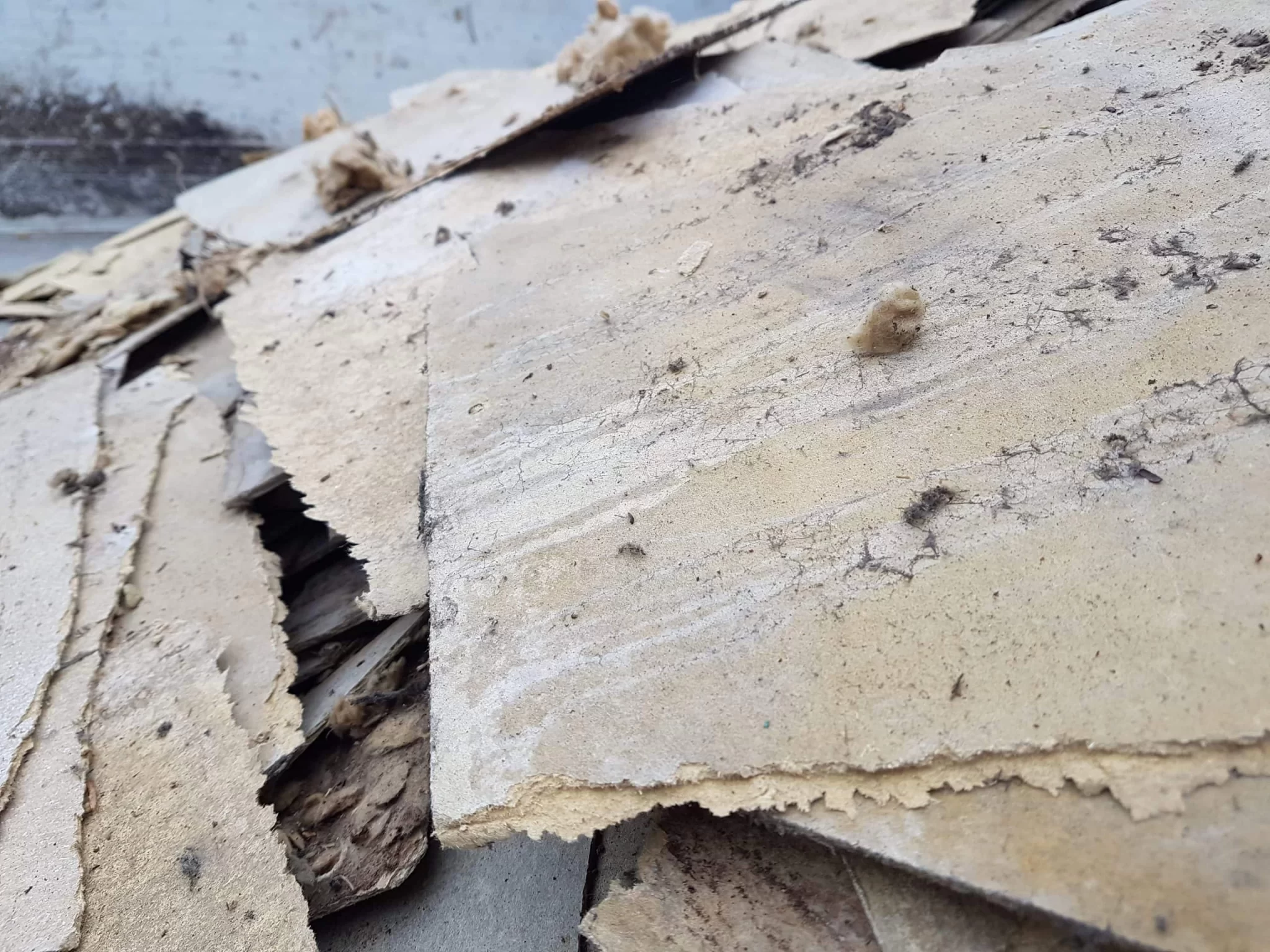
The asbestos-containing materials most commonly found in Glen Head homes fall into a few consistent categories, and each one requires a specific approach. The 9×9 vinyl floor tiles found beneath layers of carpet or hardwood in post-war Cape Cods are one of the most frequent calls we get — those tiles, and the black mastic adhesive underneath them, often contain chrysotile asbestos and can’t be disturbed without licensed abatement. Popcorn ceiling removal is another common project in homes built through the 1960s and 1970s, where acoustic spray was applied as a standard finish. Before any contractor sands, scrapes, or covers that ceiling, it needs to be tested and, if necessary, properly removed.
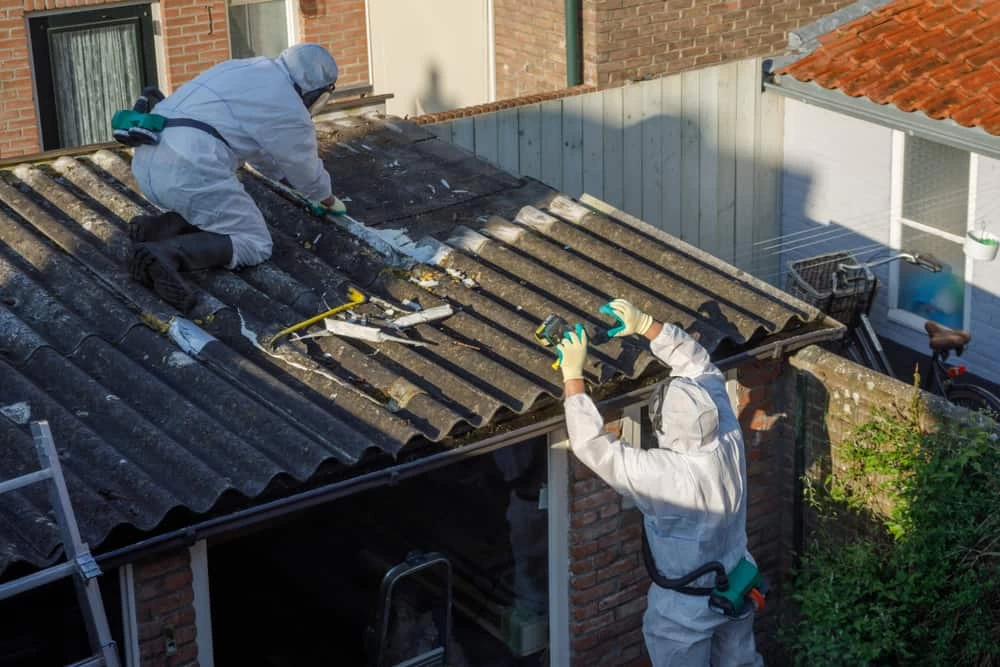
Beyond tiles and ceilings, we handle pipe insulation and boiler wrap in older heating systems — a particularly common issue in Glen Head’s pre-war and early post-war homes where original steam systems are still in place. We also address joint compound, textured wall coatings, roof underlayment, and attic insulation where applicable. Every project includes NYS DOL project notification, certified worker oversight, independent air monitoring, and waste disposal through a licensed transporter to a permitted facility — all of it documented and ready for your records.
Whether you’re renovating a kitchen on Glen Head Road, replacing a boiler in a 1940s basement, or preparing a home for sale in the North Shore School District area, the process is the same: compliant, documented, and done to the standard Nassau County requires.
Do I legally need a licensed contractor for asbestos removal in Glen Head, NY?
Yes — and this isn’t a gray area. New York State Industrial Code Rule 56 requires that all asbestos abatement work be performed by a contractor licensed by the NYS Department of Labor’s Asbestos Control Bureau. Workers on-site must be individually certified, a licensed supervisor must oversee the project, and independent air monitoring must be conducted by someone separate from the contractor doing the removal. This applies to residential properties in Glen Head just as it does to commercial buildings anywhere in Nassau County.
The homeowner exemption that exists under New York State law is narrow and applies only to very limited, minor work in owner-occupied single-family homes. For the vast majority of renovation scenarios — floor tile removal, ceiling work, pipe insulation, anything connected to a sale or permit — the exemption doesn’t apply. If you’re not sure whether your project qualifies, the safest call is to ask before you start, not after a contractor has already opened a wall.
How do I know if my Glen Head home actually contains asbestos?
The most reliable answer is testing — not guessing based on the material’s appearance. Asbestos-containing materials don’t look different from non-asbestos versions. A 9×9 floor tile from 1958 looks the same whether it contains chrysotile or not. The only way to know is a sample collected by a qualified professional and analyzed by an accredited laboratory.
That said, if your home was built before 1980, the probability of encountering asbestos-containing materials somewhere is high. Glen Head’s housing stock includes a significant number of homes from the 1920s through the 1970s — the full range of construction eras when asbestos was legally and routinely used in floor tiles, ceiling spray, pipe insulation, joint compound, and roofing materials. If you’re planning any renovation that touches original finishes, original flooring, or original mechanical systems, testing before demolition is the right starting point. It’s not expensive relative to the cost of handling a contamination event after the fact.
What happens if asbestos is found during a renovation already in progress?
Work stops. That’s not a dramatic response — it’s the legally correct one. If a contractor opens a wall, pulls up flooring, or disturbs any material that may contain asbestos without a prior inspection and clearance, the area needs to be isolated immediately. Continuing to work in a space where asbestos fibers may have been released puts everyone on-site at risk and creates significant legal exposure for both the homeowner and the contractor.
In practice, this happens more often than people expect in Glen Head’s older homes, where renovations sometimes reveal materials that were covered over decades ago rather than removed. The next step is to stop work, limit access to the affected area, and contact a licensed abatement contractor for an emergency assessment. We respond to these situations throughout Nassau County’s North Shore and can assess the scope quickly so your project timeline doesn’t fall apart entirely. The sooner you make the call, the faster the path forward gets clear.
How long does asbestos abatement typically take for a residential project?
It depends on the scope, but most residential abatement projects in Glen Head — a floor tile removal, a popcorn ceiling in one or two rooms, or pipe insulation around a single heating system — are completed within one to three days of active work. Larger projects involving multiple material types or whole-home remediation prior to a major renovation take longer, sometimes a week or more.
What adds time isn’t always the removal itself — it’s the regulatory steps around it. NYS DOL project notification has required lead times for certain project types, and clearance air sampling after removal must meet specific standards before the containment area can be opened. These steps can’t be rushed or skipped. If you’re working toward a real estate closing deadline or a contractor start date, the earlier you bring in an abatement contractor to assess the project, the better your chances of staying on schedule. Waiting until the last week before a closing to address an inspection finding is the most common way a deal gets delayed.
Is asbestos abatement required before selling a home in Nassau County?
There’s no blanket law in Nassau County that requires asbestos abatement before every home sale. But in practice, it frequently becomes a requirement because of what happens during the inspection process. When a home inspector identifies suspected asbestos-containing materials — and in a pre-1980 Glen Head home, that’s a realistic outcome — buyers, their attorneys, and their lenders often require abatement as a condition of closing. At that point, it’s not optional anymore.
Given that Glen Head homes are selling at median prices near $900,000, the financial stakes of a deal falling through over an unresolved asbestos issue are significant. Many sellers in this market choose to address known asbestos-containing materials before listing, so the inspection doesn’t produce a surprise that stalls the transaction. Having a completed abatement with full documentation — clearance certificates, air monitoring results, waste disposal records — gives buyers and their attorneys exactly what they need to move forward without negotiation over remediation credits.
What does asbestos abatement actually cost for a typical Glen Head home?
Costs vary based on the type of material, the quantity, and the accessibility of the work area, but for context: a single-room floor tile removal in a Glen Head home typically runs somewhere in the range of $1,500 to $3,500. Popcorn ceiling removal for a standard room is in a similar range. Pipe insulation around a residential boiler system can run $2,000 to $5,000 or more depending on the extent of the wrap and the complexity of the space. Larger, multi-material projects — whole-floor tile removal, full basement remediation, or pre-renovation clearance of an older home — can reach $8,000 to $15,000 or higher.
In Nassau County and across Long Island, abatement costs run above national averages. That’s a function of New York State’s licensing requirements under Code Rule 56, the cost of compliant hazardous waste disposal, and metro-area labor rates — not contractor markup. What’s worth keeping in mind for Glen Head specifically: at property values near $900,000, the cost of proper abatement is a fraction of what an undisclosed or improperly handled asbestos issue could cost you in a real estate transaction, a stop-work order, or a legal dispute. Getting it done right is the more economical choice in the long run.