If you’re renovating, dealing with water damage, or just finally getting around to that inspection, asbestos abatement in Graham, NY is something you don’t want to guess on. We handle it right licensed, documented, and done.
I needed a professional consultation explanation of procedure for safe removal of Asbestos in my apartment complex. Without having an account yet, I was very impressed with the caring, knowledgeable and generous advice offered by Jessica, and will look forward to doing business in the future. Thank you so much! I feel much more informed about a sometimes scary endeavor. Peace. Nancy Silva Mineola, NY.
Mia Munoz
Used this company to clean up some water flood in my house. They were fast and easy to work with.very professional, Would recommend to anyone!
Nini Valle
Great company, had a flood and they responded quickly and efficiently. Billed my insurance company directly. I highly recommend this company!
joe colapietro, jr
I had pipe freeze in my basement right before a snow storm and they made to within an hour to help start the clean up process. They we by our side throughout the entire process and even helped with the insurance company. They did such a great job with the cleanup, repair, remidiation, I contracted them to perform the repairs and finishes in the basement. They came with enough manpower and material to get the job done. Leo and Jessica were nothing but a pleasure to deal with!!
Cristian Arredondo c
I had some water damage in my home and Green Island was able to take care of my issue quickly and effectively. I am very pleased with the work they did. They responded quickly and were very professional.
Michael M
Outstanding service! From the office to the field crew everyone was friendly, helpful and responsive. I highly recommend Green Island Group.
You stop wondering. That’s the biggest thing. Whether it’s floor tiles in a farmhouse off Route 42, pipe insulation in a basement that flooded last winter, or ceiling texture in a room you’ve been avoiding once it’s properly abated and cleared, you have documentation that says the job was done right. No guessing, no liability hanging over the property.
The older housing stock in and around Graham carries real risk. Many of these homes were built or renovated during the decades when asbestos was standard in building materials and they’ve never been assessed. If you’ve purchased one of these properties to renovate or relocate to, there’s a good chance you’re dealing with more than one material type. Vinyl floor tiles, duct wrap, pipe insulation, acoustic ceiling texture sometimes all in the same house. A contractor with real experience handles that without turning your renovation into a months-long ordeal.
Living near the Rondout Reservoir also means environmental responsibility isn’t optional. Disposal has to be documented and compliant with NYS DEC requirements not just bagged and hauled off. When we finish a project in Graham, you get a full waste manifest and post-abatement air clearance documentation. That protects you, your property, and the watershed you’re living next to.
We’re a fully licensed asbestos abatement and environmental remediation contractor serving New York State. We hold the NYS Department of Labor Asbestos Handling License, EPA certification, and maintain full NYS DEC compliance for waste disposal every credential required to legally perform this work anywhere in the state, including Sullivan County.
With more than 5,000 completed projects, we’ve worked through the full range of residential scenarios: multi-material abatement in older rural homes around Graham, post-water-damage emergency work, pre-sale clearance for properties changing hands, and renovation-triggered discoveries in homes that hadn’t been touched in decades. The kind of situations common in the Catskills region don’t come as a surprise to us.
We also hold M/WBE certification from the NYS Office of General Services a formal state-issued credential that required actual documentation and vetting, not a self-designation. Every license number is a public record. You’re welcome to look them up before you call.
No Surprises Here's Exactly What the Process Looks Like
It starts with a free on-site inspection. One of our licensed professionals comes to your property in Graham, walks through the areas of concern, identifies which materials need testing or abatement, and explains your options in plain language. There’s no charge for this, and no obligation attached to it. For a lot of homeowners in the Graham area, this is the step that finally answers the question they’ve been sitting on for months.
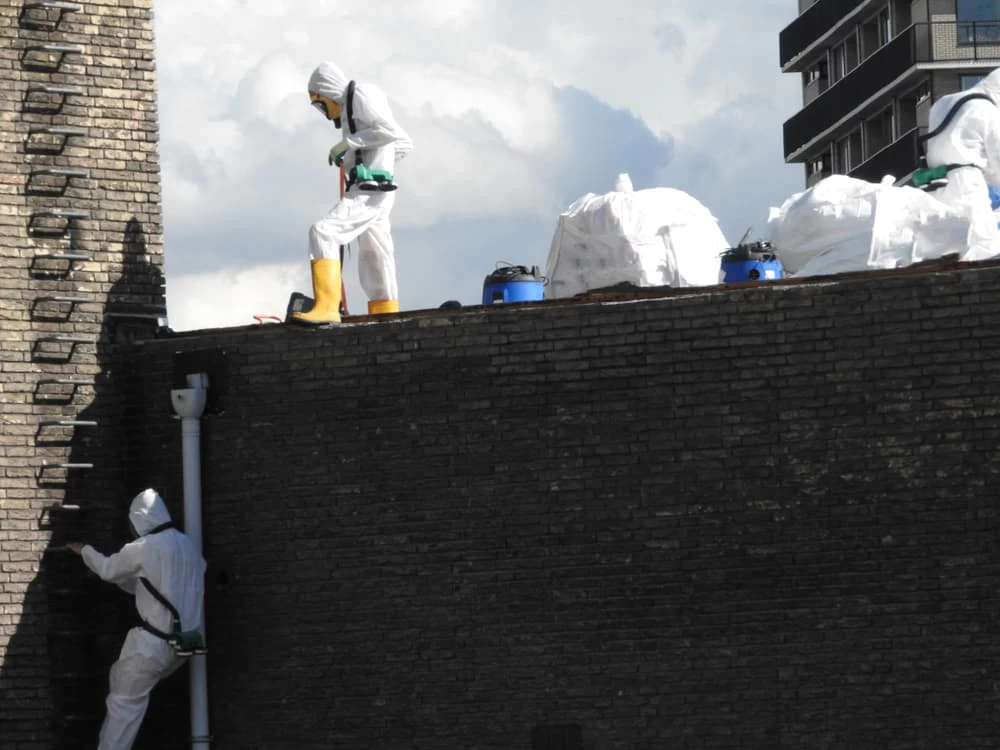
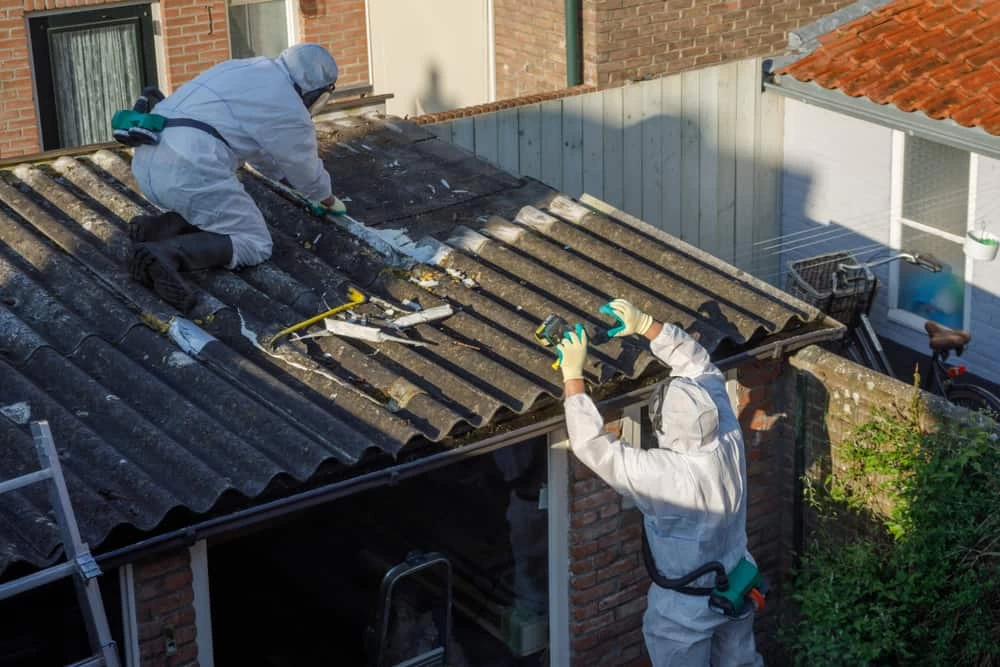
If testing confirms asbestos-containing materials, the next step is containment and removal. The work area is sealed off using negative air pressure containment to prevent fiber migration into the rest of your home. Workers are individually NYS DOL-certified not just our company, but every person on the job. Materials are removed following NYS Industrial Code Rule 56 protocols, bagged, labeled, and transported to an approved disposal facility with a complete waste manifest.
After removal, air clearance testing is conducted by an independent hygienist to confirm that fiber levels meet the required clearance standards. You receive that documentation when the job is done. For properties near the Rondout Reservoir or within the Catskill Park boundary, this disposal documentation matters it’s your proof that everything was handled in compliance with the environmental protections that apply to this area. If your abatement is insurance-related, we work directly with your carrier and handle the billing on your behalf.
Asbestos shows up differently in every home, and the older rural properties in and around Graham tend to present more variety than most. Vinyl asbestos floor tile often the 9×9 inch variety found in kitchens, bathrooms, and basements of homes built in the 1950s and 60s is one of the most common finds. Asbestos popcorn ceiling removal is another frequent request, particularly in homes that were updated during the 1970s. Pipe insulation and duct wrap are common in basements and crawlspaces, especially in homes that have had repeated freeze-thaw cycles and deferred maintenance over the years.
Not every material requires full removal. For intact, non-friable materials in areas that won’t be disturbed, encapsulation is an EPA-approved option that eliminates the fiber release risk without the cost of full abatement. We assess each material individually and recommend the appropriate method not the most expensive one. That distinction matters when you’re looking at an older home with multiple suspect materials throughout.
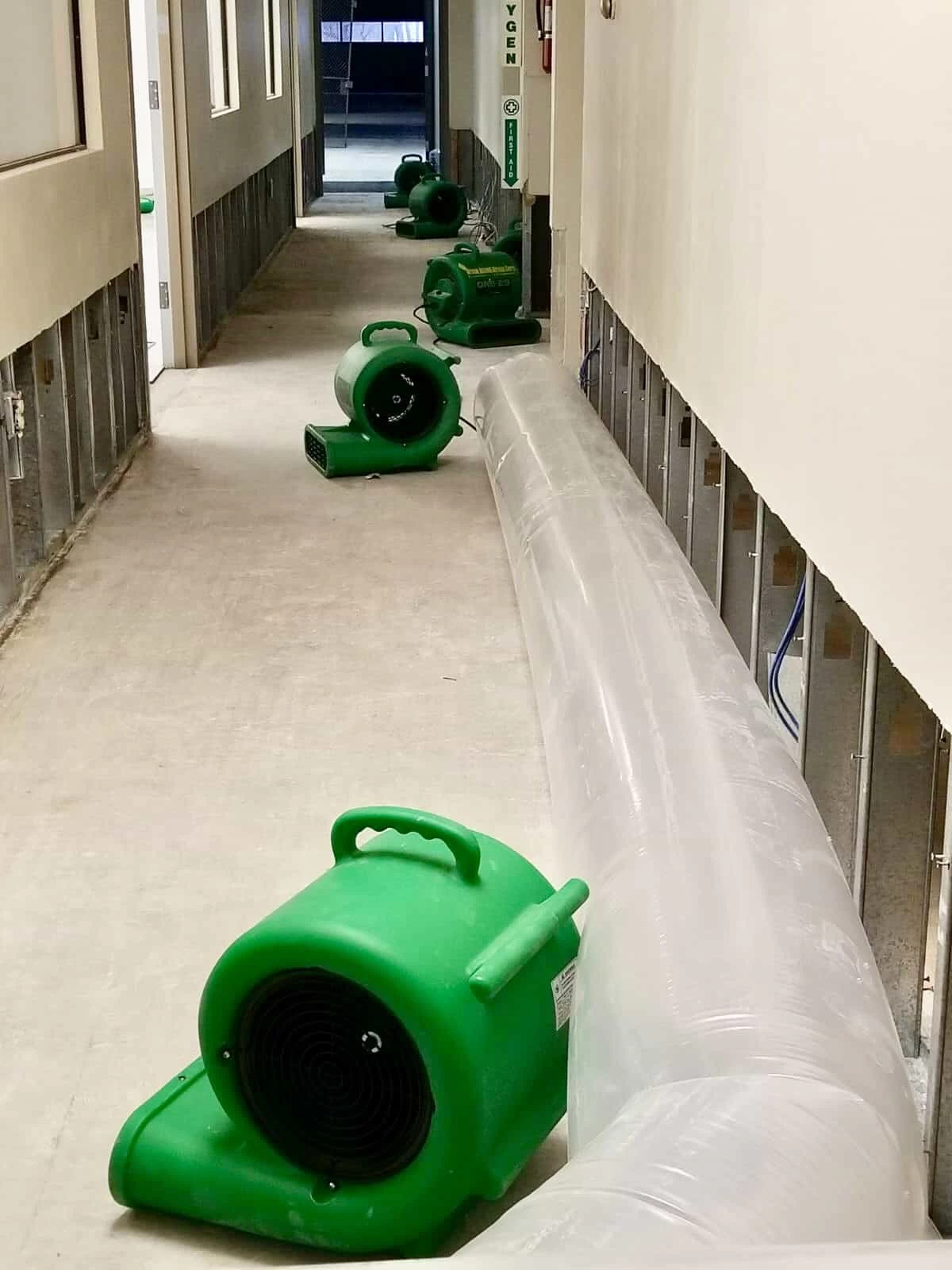
For properties in Sullivan County where water damage has disturbed asbestos-containing materials a scenario that happens regularly in this region given the harsh winters and aging housing stock abatement is required before any restoration work can begin. We handle both, and work directly with homeowner’s insurance carriers to manage billing when the damage is covered. Every project, regardless of scope, ends with post-abatement air clearance documentation and a complete disposal record.
Does my older farmhouse in Graham, NY likely contain asbestos?
If your home was built or significantly renovated before 1980, there’s a real chance it contains asbestos-containing materials somewhere. In Graham and throughout Sullivan County, a large portion of the housing stock dates to the 1940s through 1970s the peak decades for asbestos use in residential construction. Floor tiles, pipe insulation, ceiling texture, duct wrap, and even some roofing and siding materials from this era commonly tested positive for asbestos.
The only way to know for certain is to have suspect materials tested by a licensed professional. Visual inspection alone isn’t enough asbestos fibers are microscopic and can’t be identified by appearance. If you’re planning any renovation work, even something as routine as pulling up old flooring or opening a wall, getting a professional assessment first is the right move. We offer a free on-site inspection for Graham-area properties, so there’s no cost to finding out what you’re actually dealing with before work begins.
Is asbestos removal in New York State something I can do myself?
No. In New York State, it is illegal for any unlicensed person to remove asbestos-containing materials. This is governed by NYS Industrial Code Rule 56, which applies statewide including Sullivan County. The regulation exists because improper removal without containment, respiratory protection, and certified disposal creates a genuine health exposure event, not just for you but for anyone else in or near the property.
Beyond the legal issue, DIY removal creates a documented contamination record that follows the property. If you ever sell, refinance, or file an insurance claim, an undocumented asbestos disturbance becomes a serious liability. The cost of professional abatement which varies depending on the scope and materials involved is modest compared to the consequences of a botched removal: potential health exposure, legal liability, and a real estate disclosure problem that doesn’t go away. If you’ve already disturbed a material you suspect contains asbestos, stop work immediately and call a licensed contractor to assess the situation.
A pipe burst this winter and now I think it disturbed asbestos insulation what do I do?
This is one of the most common scenarios in Graham and throughout the Catskills. Older homes in this region often have pipe insulation from the 1950s through 1970s that contains asbestos, and harsh winters bring freeze-and-burst events that disturb that insulation before anyone realizes what they’re dealing with. If you suspect the damaged insulation contains asbestos, the first step is to stop any cleanup or restoration work immediately and keep the area as undisturbed as possible.
A licensed contractor needs to assess the material and, if confirmed, contain and abate the affected area before any water damage restoration can proceed. This sequence matters restoration contractors cannot legally work in an area with disturbed ACMs until abatement and air clearance are complete. The good news is that if the pipe burst is a covered event under your homeowner’s insurance, the abatement may be covered as part of the claim. We work directly with insurance carriers and handle billing on your behalf, so you’re not navigating that process alone while also managing a damaged home.
What's the difference between asbestos removal and encapsulation, and which one do I need?
Removal means the material is physically taken out, bagged, and transported to a certified disposal facility. Encapsulation means the material is sealed with a penetrating or bridging encapsulant that prevents fiber release without removing the material itself. Both are EPA-recognized methods, and both are legal under NYS regulations when performed by a licensed contractor.
Which one is appropriate depends on the condition of the material, its location, and whether the area will be disturbed in the future. Intact floor tiles in a basement that won’t be renovated are often good candidates for encapsulation. Deteriorating pipe insulation, damaged ceiling texture, or any material in an area scheduled for renovation typically requires full removal. For older properties in Graham and the surrounding Sullivan County area where you might be looking at multiple material types in varying conditions a licensed professional needs to assess each one individually. We walk through this decision with you during the free inspection, so you understand exactly what’s being recommended and why before any work begins.
How long does asbestos abatement take for a typical home in the Graham area?
Scope drives timeline more than anything else. A targeted single-room abatement removing vinyl floor tile in one bathroom, for example can typically be completed in one to two days. A larger project involving multiple material types across several areas of an older rural home, which is common in the Sullivan County housing stock, may take three to five days or longer depending on the square footage and complexity of the containment setup required.
Weather and access can also be factors in this region. Rural properties in and around Graham sometimes present access challenges tight crawlspaces, aging structural conditions, or seasonal site access issues that affect how quickly containment can be set up and work can proceed. The free inspection gives you a realistic timeline estimate before you commit to anything. We’ll walk through the scope, the sequencing, and the expected duration so you can plan your renovation or restoration work around the abatement schedule, not the other way around.
I'm selling my house in Graham do I need asbestos abatement before listing?
You’re not legally required to abate before selling, but the practical reality in today’s market is that known asbestos-containing materials complicate transactions. Buyers, lenders, and home inspectors are more informed about asbestos than they were even five years ago, and the Catskills real estate market has attracted a significant number of buyers from the NYC area who are accustomed to thorough due diligence. An unresolved asbestos issue especially in an older Sullivan County farmhouse or rural home can trigger renegotiation, price reductions, or a deal falling apart at the inspection stage.
Pre-sale abatement, paired with post-abatement air clearance documentation, removes that uncertainty entirely. You go to closing with a clean record: documented proof that the work was done by a licensed contractor, that air testing was conducted and passed, and that disposal was handled in full compliance with NYS DEC requirements. For properties near the Rondout Reservoir or within environmentally sensitive areas of Sullivan County, that disposal documentation carries additional weight. It’s a straightforward way to protect your sale price and avoid last-minute complications that cost more to resolve under pressure than they would have before listing.