If your home was built before 1985, there’s a real chance asbestos is somewhere inside it and in Green Haven and the surrounding Beekman area, that’s not a rare situation. We handle licensed asbestos abatement in Green Haven, NY so you know exactly what you’re dealing with and exactly how it gets resolved.
I needed a professional consultation explanation of procedure for safe removal of Asbestos in my apartment complex. Without having an account yet, I was very impressed with the caring, knowledgeable and generous advice offered by Jessica, and will look forward to doing business in the future. Thank you so much! I feel much more informed about a sometimes scary endeavor. Peace. Nancy Silva Mineola, NY.
Mia Munoz
Used this company to clean up some water flood in my house. They were fast and easy to work with.very professional, Would recommend to anyone!
Nini Valle
Great company, had a flood and they responded quickly and efficiently. Billed my insurance company directly. I highly recommend this company!
joe colapietro, jr
I had pipe freeze in my basement right before a snow storm and they made to within an hour to help start the clean up process. They we by our side throughout the entire process and even helped with the insurance company. They did such a great job with the cleanup, repair, remidiation, I contracted them to perform the repairs and finishes in the basement. They came with enough manpower and material to get the job done. Leo and Jessica were nothing but a pleasure to deal with!!
Cristian Arredondo c
I had some water damage in my home and Green Island was able to take care of my issue quickly and effectively. I am very pleased with the work they did. They responded quickly and were very professional.
Michael M
Outstanding service! From the office to the field crew everyone was friendly, helpful and responsive. I highly recommend Green Island Group.
The moment asbestos is confirmed in your home, everything stops. The renovation you were planning, the flooring project you started, the basement you wanted to finish all of it goes on hold until the problem is handled properly. That pause doesn’t have to drag on for weeks.
The housing stock in Green Haven and the surrounding Beekman area was built heavily through the 1960s, 70s, and 80s right in the window when asbestos-containing materials were standard. Floor tiles, pipe insulation, popcorn ceilings, plaster, roofing it showed up everywhere. A licensed inspection tells you what’s actually there, and proper removal means your project can move forward without the liability hanging over it.
What you get on the other side of this isn’t just a cleaner house. It’s documentation that your home is safe, air clearance results that prove it, and the ability to sell, renovate, or rent without an unresolved hazard sitting in the disclosure. In a rural Dutchess County market where buyers from Westchester and the city are increasingly looking at properties along the I-84 corridor, that paperwork matters more than most homeowners realize until they’re sitting at a closing table.
12 Years In, 5,000 Projects Deep Across Dutchess County
We’ve been doing this work across New York State for over 12 years. More than 5,000 completed projects. NYS Department of Labor licensed under Industrial Code Rule 56. MWBE certified. Approved for New York State agency contracts which means the state has already vetted our company to a standard most contractors never meet.
The Dutchess County market is part of the territory we actively serve, and that means familiarity with the housing stock in Green Haven, the older homes scattered through the Town of Beekman, and the regulatory environment enforced by the NYS DOL Albany District Office. We’re not a company driving three hours to reach you.
When asbestos shows up whether it’s floor tiles in a basement, insulation around old pipes, or a popcorn ceiling that’s been there since the Carter administration you want someone who has handled that exact situation before. Not someone learning on your project.
No Surprises Here's What the Process Actually Looks Like
It starts with an inspection. A certified inspector comes to your home, identifies any materials that are suspected to contain asbestos, and collects samples for laboratory analysis. You get a clear report not vague language, not a sales pitch just the facts about what’s in your home and where it is.
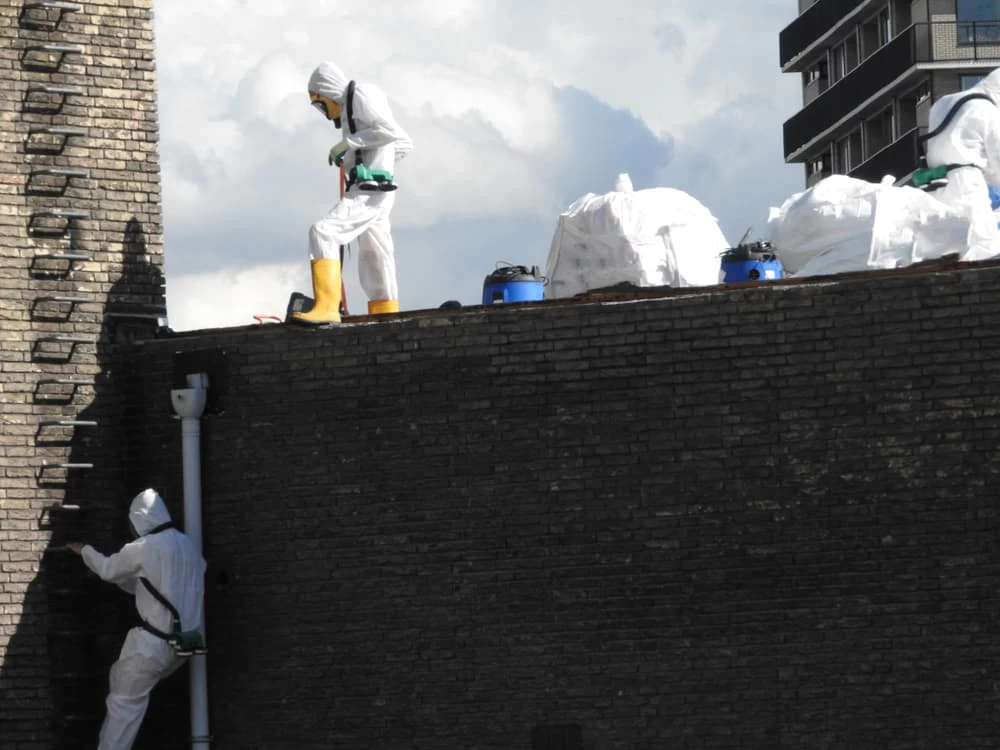
If removal is needed, we handle the required state notifications before work begins. Under NYS Industrial Code Rule 56, larger abatement projects require advance notification to the NYS Department of Labor that filing is our responsibility, and it gets done. The work area is sealed and contained, negative air pressure is established, and all materials are removed by licensed handlers using proper protective equipment. Nothing is rushed.
Once the removal is complete, post-abatement air clearance testing confirms that fiber levels are back within safe limits before anyone re-enters the space. You receive documentation of that result. All asbestos waste is transported and disposed of by licensed haulers at approved NYS DEC facilities the paperwork trail is complete and clean. In a rural area like Green Haven where older homes often haven’t been touched in decades, that thoroughness is exactly what protects you.
We handle the full range of asbestos-containing materials found in residential and commercial properties across Dutchess County. Asbestos floor tile removal including the 9×9 vinyl tiles that were standard in homes and basements built through the 1970s is one of the most common jobs in this area. So is pipe and boiler insulation, attic insulation, asbestos popcorn ceiling removal, plaster, roofing shingles, and siding. If it was built before the mid-1980s, it may have asbestos in it somewhere.
Beyond removal, we also provide asbestos inspection and testing, asbestos remediation and cleanup, and post-abatement air clearance testing. For property managers and landlords and given that most residential real estate in the Green Haven area is renter-occupied, this applies directly here documentation of compliant removal is not optional. It’s a legal requirement before renovation work begins on a rental property.
What also sets our work apart is that we don’t stop at asbestos. If a water damage situation disturbed your pipe insulation, or a renovation uncovered both asbestos tile and mold behind the walls, the same team handles all of it. One call, one contractor, one completed project. That matters when you’re managing an older home in Green Haven and don’t have time to coordinate three separate companies.
How do I know if my older Green Haven home actually contains asbestos?
The only way to know for certain is to have a certified inspector collect samples and send them to an accredited laboratory for analysis. Visual identification alone isn’t reliable asbestos-containing materials often look identical to non-asbestos materials. A popcorn ceiling, a vinyl floor tile, or pipe wrap from the 1970s could contain asbestos or it might not. You won’t know without a test.
For homes in Green Haven and the Beekman area built between the 1950s and the mid-1980s, the risk is real enough that an inspection before any renovation makes sense. The most common locations to check are basement floor tiles, pipe and boiler insulation, attic insulation, textured ceilings, and older plaster walls. If you’re planning to open walls, replace flooring, or do any kind of structural work, get the inspection done first. Stopping mid-renovation because asbestos was discovered is far more disruptive and expensive than knowing upfront.
What does asbestos abatement actually cost for a Dutchess County home?
Most residential asbestos removal projects in New York run somewhere between $1,300 and $3,100, with the average landing around $2,200. That range shifts depending on how much material needs to come out, what type of material it is, where it’s located in the home, and what post-abatement testing confirms.
The cost reflects real requirements not markup. In New York State, licensed abatement contractors must file state notifications, use certified workers and supervisors, contain and seal the work area, and dispose of all waste at approved NYS DEC facilities using licensed haulers. Post-abatement air clearance testing is part of a complete job. When you add all of that up, the price makes sense. What doesn’t make sense is hiring someone cheaper who skips these steps because if asbestos waste is improperly disposed of or the work isn’t done to code, the liability lands on the property owner, not the contractor.
Does asbestos abatement in Green Haven require permits or state notifications?
Yes, for projects above a certain threshold, New York State requires advance notification to the NYS Department of Labor’s Asbestos Control Bureau before abatement work begins. Green Haven and the surrounding Dutchess County area fall under the Albany District Office for enforcement of Industrial Code Rule 56, which is the primary regulatory framework governing all asbestos abatement work in the state.
That notification is the contractor’s responsibility to file not yours. When you hire us, that paperwork gets handled as part of the job. What you should know as a homeowner is that this requirement exists, and any contractor who doesn’t mention it or who starts work without filing is cutting corners in a way that creates legal exposure for you. A licensed contractor handles the regulatory side so you don’t have to navigate it yourself, but you should always ask whether notifications have been filed before work begins on your property.
Can a burst pipe or water damage disturb asbestos in my home?
It can, and in older homes throughout Green Haven and the Town of Beekman, this is a scenario that comes up more than people expect. Asbestos-containing pipe insulation that has been stable for decades can become friable meaning it crumbles and releases fibers when it gets wet, physically disturbed, or damaged by freezing and thawing. The same goes for asbestos floor tiles that have been soaked by a basement flood or plaster walls that have absorbed moisture over time.
The concern is that what was a non-hazardous, intact material can become an active air quality issue once it’s damaged. If you’ve had a water damage event in an older home and you’re not sure what the insulation or flooring is made of, don’t start pulling things apart to assess the damage. Get an inspection first. We handle both the asbestos abatement and the water damage restoration, so if both problems are present which they often are in this situation you’re not managing two separate contractors on the same job.
How long does asbestos removal take, and do I have to leave my home?
For most residential projects, the removal work itself takes one to three days depending on scope. Smaller jobs like a section of asbestos floor tile in a basement or a single room with a popcorn ceiling can often be completed in a day. Larger projects involving multiple areas or materials throughout the home will take longer.
Whether you need to vacate depends on the size of the project and where the work is being done. For contained work in a basement or a single room, you may be able to stay in unaffected parts of the house. For larger projects or work in central living areas, leaving for the duration is the safer and more practical choice. Your contractor should walk you through this before work starts so you can make arrangements. What you should not do is re-enter the work area until post-abatement air clearance testing confirms the space is safe that result is the actual green light, not just the completion of the physical removal.
Does Green Island Group handle asbestos abatement for rental properties in Beekman?
Yes, and for property managers and landlords in Green Haven and the Beekman area, this is worth understanding clearly. New York State law requires that asbestos-containing materials be properly abated before any renovation work begins on a rental property. If you’re managing renter-occupied housing and a significant portion of residential real estate in this area is renter-occupied you have a legal obligation to address known asbestos hazards before disturbing them, not after.
We work with landlords and property managers on the full scope of this: inspection and testing, removal, documentation, and post-abatement air clearance results. That paper trail is what protects you if a tenant or a state inspector ever asks questions. Beyond compliance, it’s also practical a property with documented, completed abatement is easier to renovate, easier to sell, and carries less liability than one with a known hazard that’s been deferred. If you’re managing multiple units or planning a renovation on an older property anywhere in Dutchess County, getting ahead of this is the right move.