Most homes in Greenvale were built when asbestos was standard. If you’re renovating, buying, or just not sure what’s behind your walls — get a licensed answer before someone starts swinging a hammer.
I needed a professional consultation explanation of procedure for safe removal of Asbestos in my apartment complex. Without having an account yet, I was very impressed with the caring, knowledgeable and generous advice offered by Jessica, and will look forward to doing business in the future. Thank you so much! I feel much more informed about a sometimes scary endeavor. Peace. Nancy Silva Mineola, NY.
Mia Munoz
Used this company to clean up some water flood in my house. They were fast and easy to work with.very professional, Would recommend to anyone!
Nini Valle
Great company, had a flood and they responded quickly and efficiently. Billed my insurance company directly. I highly recommend this company!
joe colapietro, jr
I had pipe freeze in my basement right before a snow storm and they made to within an hour to help start the clean up process. They we by our side throughout the entire process and even helped with the insurance company. They did such a great job with the cleanup, repair, remidiation, I contracted them to perform the repairs and finishes in the basement. They came with enough manpower and material to get the job done. Leo and Jessica were nothing but a pleasure to deal with!!
Cristian Arredondo c
I had some water damage in my home and Green Island was able to take care of my issue quickly and effectively. I am very pleased with the work they did. They responded quickly and were very professional.
Michael M
Outstanding service! From the office to the field crew everyone was friendly, helpful and responsive. I highly recommend Green Island Group.
You stop guessing. That’s the first thing. When a licensed inspection confirms what’s in your home and a proper abatement is done, you’re not sitting on a liability anymore — you have documentation, clearance results, and a clean record that holds up when it matters most.
For Greenvale homeowners, that matters more than most people realize. The majority of homes here were built between 1940 and 1969, which means asbestos-containing materials aren’t a maybe — they’re a near-certainty in basements, under floors, inside walls, and on ceilings. The 9×9 floor tiles in your kitchen, the pipe insulation wrapping your boiler, the popcorn texture on your bedroom ceiling — all of it was standard issue for the era your home was built in.
And because Greenvale straddles both the Town of North Hempstead and the Town of Oyster Bay, there’s a permit and compliance layer here that trips up homeowners who don’t know which building department applies to their property. When abatement is handled correctly — licensed contractor, proper filings, air clearance testing — you walk away with a complete paper trail. That’s not just peace of mind. With homes in this area selling north of $700,000, it’s protection for one of your biggest financial assets.
We Know Greenvale's Dual-Town Jurisdiction Like Our Own Backyard
We’re a Nassau County-based asbestos abatement company. Not a franchise. Not a national chain dispatching crews from out of state. We work specifically on Long Island, and we’ve built our reputation in the North Shore communities — places like Greenvale, Roslyn Harbor, Old Brookville, and East Hills — where the housing stock is older, the homes are higher-value, and the regulatory environment is more layered than most contractors are prepared for.
We hold the NYS Code Rule 56 contractor license required by the New York State Department of Labor — and that’s verifiable. Every project we complete includes a full compliance package: inspection reports, project notification records, air clearance results, and waste disposal documentation.
Greenvale’s dual-town jurisdiction — split between North Hempstead and Oyster Bay — isn’t a complication we hand back to you. We know both permit offices and handle the filings. That’s part of the job.
No Surprises — Here's Exactly How the Work Gets Done
It starts with an inspection. A certified asbestos inspector assesses your home, collects samples from suspected materials, and sends them to an accredited lab. You get a clear report: what’s there, where it is, and what condition it’s in. Not every material that contains asbestos needs to come out immediately — sometimes encapsulation is the right call. You’ll know which situation you’re in before any decisions are made.
If abatement is the right move, we handle the regulatory side first. In Greenvale, that means filing the required project notification with the NYS Department of Labor’s Asbestos Control Bureau and confirming which town’s building department — North Hempstead or Oyster Bay — governs your property. That step alone is something a lot of homeowners don’t know they need, and skipping it creates real problems down the road.
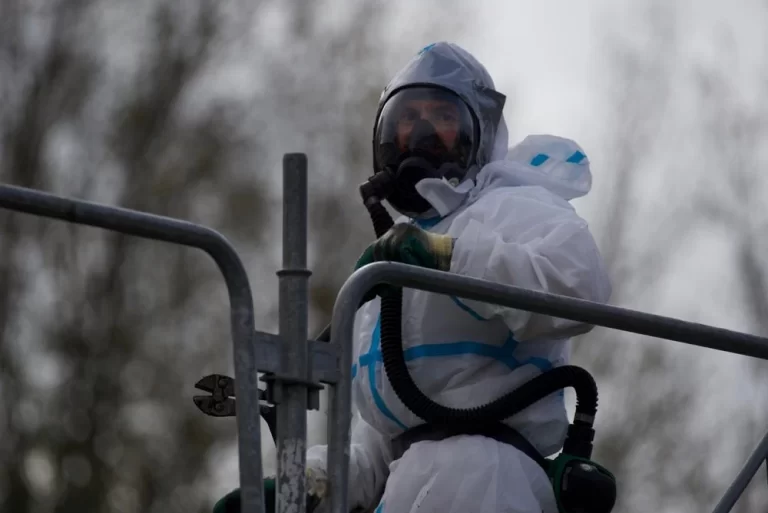
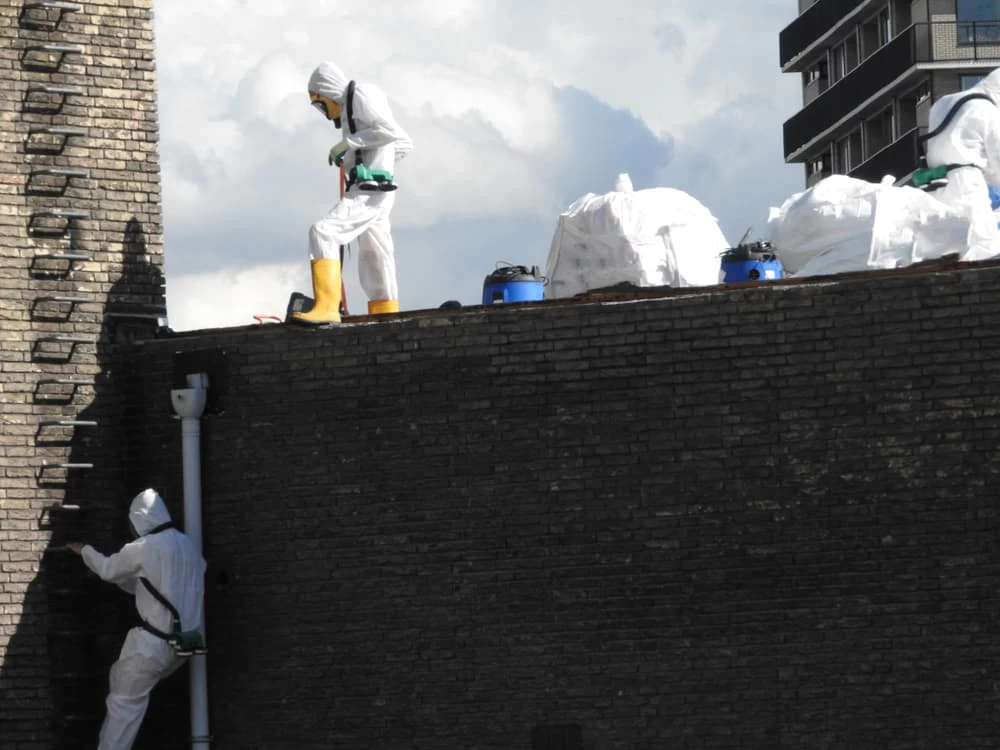
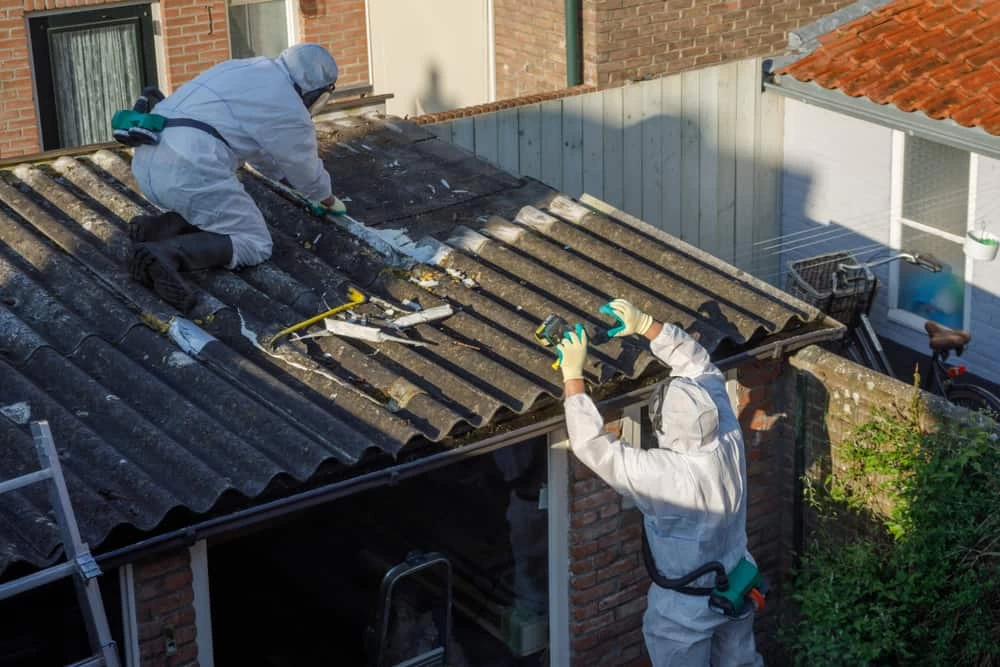
Once permits and notifications are in order, our abatement crew sets up full containment around the work area, removes the materials under negative air pressure, and packages everything for disposal at an approved NYS DEC facility. After the work is done, an independent air clearance test confirms fiber levels are below regulatory thresholds before containment comes down. You get a complete documentation package when it’s over — not just a handshake and an invoice.
Every Common ACM in Greenvale Homes — We Handle It
Greenvale’s housing stock is architecturally varied — ranch homes from the 1950s, Dutch Colonials from the 1940s, larger Colonial Revivals, and some estate-era properties that predate the mid-century suburban boom entirely. Each building type has its own pattern of where asbestos-containing materials show up, and we know what to look for in each one.
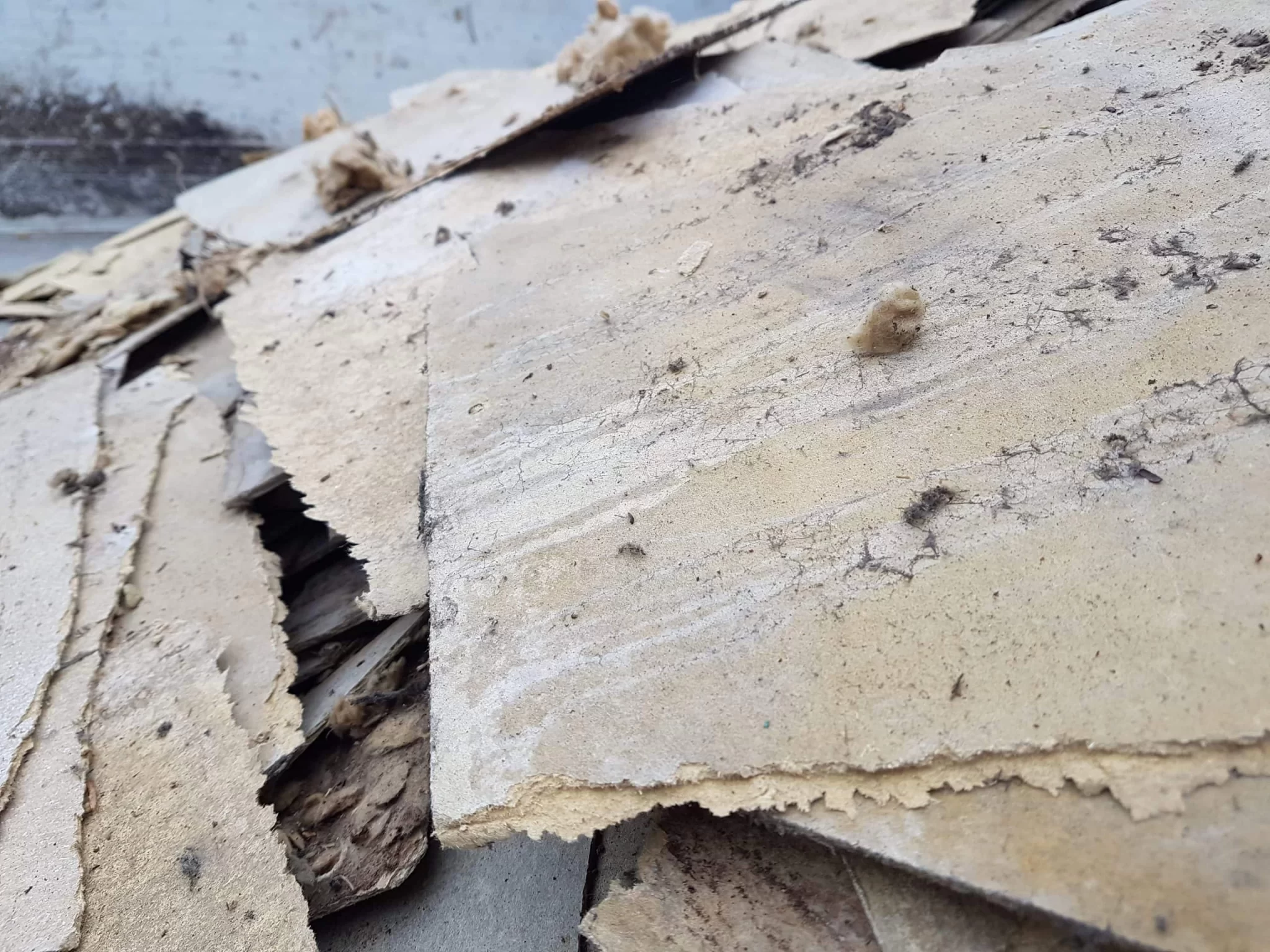
The most common materials we remove in this area include vinyl floor tiles and their black mastic adhesive — nearly universal in mid-century Nassau County homes — along with pipe and boiler insulation in basement mechanical rooms, popcorn ceiling texture applied before 1978, joint compound in plaster walls, cement board siding, and roofing underlayment. For the older estate-era properties in and around Greenvale, there’s also the possibility of early pipe lagging and specialty insulation materials that predate the 1945-1980 construction boom.
Asbestos popcorn ceiling removal is one of the more common requests we get from Greenvale homeowners who are updating interiors before listing or after buying. It requires full containment and licensed removal — not a general contractor with a scraper. Same goes for asbestos tile removal in kitchens and basements, where disturbing the material without proper protocol releases fibers into living spaces. Whatever the material, the process is the same: contain, remove, test, document, and give you a clean record that stands up to scrutiny.
Does my Greenvale home built in the 1950s likely contain asbestos?
Almost certainly, yes — at least in some form. Homes built in Greenvale between roughly 1940 and 1975 were constructed during the peak era of asbestos use in residential building materials. That means it’s not a question of whether asbestos-containing materials were used, but where they are and what condition they’re in.
The most common locations in mid-century Greenvale homes are the basement mechanical room — pipe insulation, boiler wrap, and duct insulation — and the floors, where 9×9 vinyl tiles and their adhesive mastic almost always contain asbestos. Popcorn ceiling texture applied before 1978 is another near-universal finding. The only way to know for certain is to have a certified asbestos inspector collect samples and have them analyzed by an accredited lab. A visual inspection alone isn’t enough, and neither is assuming it’s fine because the materials look intact.
What happens if asbestos is found during a renovation in my home?
Work stops. That’s the short answer. If a contractor discovers suspected asbestos-containing material mid-renovation — a common scenario when pulling up old kitchen flooring or opening walls — the responsible move is to halt work, limit access to the area, and call a licensed asbestos contractor for assessment. Continuing to disturb the material without abatement is a violation of NYS Code Rule 56 and creates real health and legal exposure.
The good news is that this situation is manageable. A licensed inspector can assess the material quickly, confirm whether it contains asbestos, and if it does, we can mobilize to contain and remove it on an accelerated timeline. The key is not panicking and not trying to push through. Greenvale homeowners undertaking renovations on older homes should ideally have an asbestos inspection completed before demolition begins — it’s far less disruptive than stopping a project mid-stream.
Do I need a permit for asbestos removal in Greenvale, NY?
For most qualifying projects, yes — and in Greenvale specifically, the permit question is more layered than in most Nassau County communities. Because Greenvale sits on the boundary of both the Town of North Hempstead and the Town of Oyster Bay, which building department applies to your property depends on which side of the town line your home is on. That’s not always obvious to homeowners, and getting it wrong means filing with the wrong office.
Beyond the local building department, the NYS Department of Labor requires project notification to the Asbestos Control Bureau for abatement projects that meet certain size thresholds. The federal EPA NESHAP regulations also apply to larger renovation and demolition projects. When you work with us, all of these filings are handled as part of the project — you don’t need to figure out the regulatory landscape yourself. But if you’re working with someone who doesn’t mention permits at all, that’s a red flag worth paying attention to.
How much does asbestos abatement cost for a Nassau County home?
It depends on what materials are involved, how much of them there are, and where they’re located in the home. A single small area — like a section of pipe insulation in a basement — will cost significantly less than a whole-floor vinyl tile removal or a full popcorn ceiling abatement across multiple rooms. In general, residential asbestos abatement projects in Nassau County range from a few hundred dollars for limited-scope work to several thousand for larger or more complex jobs.
What affects the price most is the scope of containment required, the volume of material being removed, and the disposal costs — asbestos waste must be transported and disposed of at approved NYS DEC facilities, which adds to the total. Getting a detailed written estimate with a clear scope of work before agreeing to anything is essential. If a quote comes back unusually low with no explanation of how the regulatory requirements are being met, that’s worth questioning. Cutting corners on asbestos abatement isn’t just a quality issue — it’s a legal one.
Is asbestos popcorn ceiling removal something I can do myself in New York?
No — and in New York State, it’s not a gray area. Under NYS Code Rule 56, asbestos abatement work must be performed by a licensed contractor using trained workers following specific containment and disposal protocols. Attempting to scrape or remove a popcorn ceiling that contains asbestos without those protections doesn’t just put you at risk — it can contaminate your living space with airborne fibers that are invisible, odorless, and dangerous over time.
Popcorn ceiling texture applied before 1978 commonly contained chrysotile asbestos, and it was used extensively in Nassau County homes built during the post-war suburban development era. Many Greenvale homes from the 1950s and 1960s still have this texture in bedrooms, living rooms, and hallways. If you’re planning to update your ceilings — whether for a sale, a renovation, or just a refresh — the right first step is testing, not scraping. A certified inspector can confirm whether the material contains asbestos before any work begins.
Will asbestos abatement affect my home's value when I sell in Greenvale?
Done correctly and documented properly, asbestos abatement is a genuine asset in a real estate transaction — not a liability. Buyers, their attorneys, and title companies increasingly ask for asbestos disclosure and remediation records, especially in Nassau County’s older housing markets. A home in Greenvale that has a clean abatement record — with air clearance results, licensed contractor credentials, and waste disposal documentation — is in a stronger position than one where the question is left unanswered.
The risk runs the other way when abatement isn’t done or isn’t documented. Undisclosed asbestos issues can derail a sale, trigger renegotiation, or expose a seller to legal liability after closing. With Greenvale homes regularly selling in the $700,000 to over $1 million range, that’s not a risk worth taking to avoid the cost of proper abatement. Buyers in this price range are represented by experienced attorneys and inspectors who know what to look for — and they will look.