If your home was built before 1980 and a lot of them out here on Gretna Road were there’s a real chance asbestos is somewhere in it. We give you a straight answer and a clear path forward.
I needed a professional consultation explanation of procedure for safe removal of Asbestos in my apartment complex. Without having an account yet, I was very impressed with the caring, knowledgeable and generous advice offered by Jessica, and will look forward to doing business in the future. Thank you so much! I feel much more informed about a sometimes scary endeavor. Peace. Nancy Silva Mineola, NY.
Mia Munoz
Used this company to clean up some water flood in my house. They were fast and easy to work with.very professional, Would recommend to anyone!
Nini Valle
Great company, had a flood and they responded quickly and efficiently. Billed my insurance company directly. I highly recommend this company!
joe colapietro, jr
I had pipe freeze in my basement right before a snow storm and they made to within an hour to help start the clean up process. They we by our side throughout the entire process and even helped with the insurance company. They did such a great job with the cleanup, repair, remidiation, I contracted them to perform the repairs and finishes in the basement. They came with enough manpower and material to get the job done. Leo and Jessica were nothing but a pleasure to deal with!!
Cristian Arredondo c
I had some water damage in my home and Green Island was able to take care of my issue quickly and effectively. I am very pleased with the work they did. They responded quickly and were very professional.
Michael M
Outstanding service! From the office to the field crew everyone was friendly, helpful and responsive. I highly recommend Green Island Group.
Renovating a farmhouse off Gretna Road or updating an older ranch home near Gretna Woods shouldn’t turn into a health scare. But when asbestos-containing materials get disturbed old floor tiles, pipe insulation, popcorn ceilings the risk becomes real and immediate. The work stops. The stress starts. And suddenly you’re trying to figure out who’s actually licensed to handle this in Dutchess County.
When it’s handled correctly, you get your project back. You get your home back. No more second-guessing whether the air is safe, no more stalled renovation timelines, and no more uncertainty hanging over a real estate deal that needs to close. That clarity is what proper asbestos remediation actually delivers.
Gretna’s housing stock is older than most people realize. The western end of Pleasant Valley has farmhouses, outbuildings, and mid-century homes that have been through decades of Dutchess County winters freeze-thaw cycles that crack pipe insulation, moisture that degrades ceiling materials, and aging infrastructure that wasn’t built with today’s safety standards in mind. When those materials start to break down, the asbestos risk doesn’t stay contained. Getting ahead of it isn’t overcautious. It’s just smart ownership.
We’ve been doing asbestos abatement work across New York State for over 12 years. More than 5,000 completed projects. Not a side service this is the work. Inspection, removal, disposal, and post-abatement air clearance testing, all handled under one roof by a team that’s NYS DOL licensed and has been vetted as an approved contractor for New York State agencies.
Dutchess County is part of our established service territory not a stretch. We know the housing stock out here in Gretna and Pleasant Valley, from the older farmhouses in the agricultural corridor near Gretna Road to the mid-century homes along the Route 44 commuter corridor. We also hold MWBE certification, which means we meet the standards required for government and institutional projects the same credentials that give homeowners confidence we’re not cutting corners.
If your insurance is involved, we bill them directly. That’s not a small thing when you’re already managing a stressful situation. You focus on your property. We handle the paperwork.
It starts with a free assessment. You describe what you’re seeing discolored floor tiles, old pipe wrap in the basement, a popcorn ceiling you want removed before a renovation and we give you an honest read on what’s likely going on and what the next step should be. No pressure, no obligation.
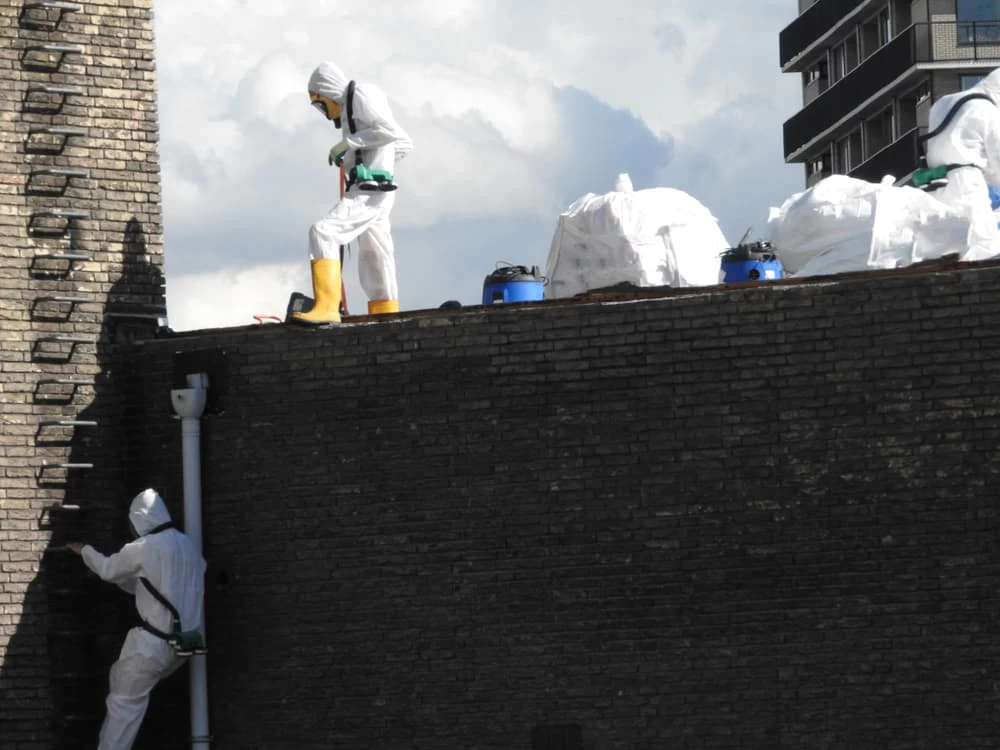
If testing confirms asbestos-containing materials, we move into containment and removal. The affected area gets properly sealed off before anything is touched. That’s not optional it’s required under New York State’s Industrial Code Rule 56, which governs all asbestos abatement work statewide. Every handler on our team has completed the NYS DOL-required training. Every project gets handled by people who are actually licensed to do it.
Once removal is complete, we don’t just pack up and leave. Post-abatement air clearance testing is the last step it’s how you get documented proof, not just a contractor’s word, that the space is safe. For Gretna properties that often include barns, detached garages, or outbuildings alongside the main residence, that thoroughness matters even more. Dutchess County winters and years of freeze-thaw stress mean asbestos concerns sometimes show up in places you wouldn’t expect. We check. We clear. Then we’re done.
The most common asbestos discoveries in Gretna-area homes fall into a few categories: 9×9 vinyl floor tiles from the 1950s and 60s, popcorn ceiling texture applied through the 1970s, pipe and duct insulation in older heating systems, and asbestos cement siding on outbuildings and barns. Each one requires a different handling approach, and each one carries real regulatory requirements under NYS DOL and EPA guidelines.
Asbestos tile removal and asbestos popcorn ceiling removal are two of the most frequent jobs we handle in pre-1980 homes throughout Dutchess County. These materials were everywhere during peak construction decades and they’re still in a lot of homes along the Taconic Parkway corridor. The work isn’t complicated when it’s done by people who do it every day. It becomes complicated when someone without proper licensing tries to cut corners, or when a homeowner tries to handle it themselves without knowing what NYS disposal requirements actually look like.
Our full scope covers inspection and testing, containment, removal, licensed waste transport to approved disposal facilities, and post-abatement clearance. We also handle asbestos remediation alongside mold remediation, water damage restoration, and fire damage restoration when those issues overlap which they often do in older properties. One call, one contractor, no coordination headaches. And if you’re mid-renovation and need a fast response, we’re available 24/7, including for emergency situations.
How do I know if my older Gretna home actually contains asbestos?
The honest answer is: you can’t know for certain without testing. Asbestos-containing materials don’t look different from non-asbestos materials you can’t identify them visually. What you can do is look at the age and construction history of your home. If it was built or significantly renovated before 1980, there’s a meaningful chance asbestos is present somewhere floor tiles, ceiling texture, pipe insulation, roofing, or siding are the most common locations.
For homes in the western Pleasant Valley area, including those on and near Gretna Road, the housing stock skews older. Farmhouses, mid-century ranches, and properties with outbuildings are common, and many of them were built or updated during peak asbestos-use decades. The safest move before any renovation work is to have a licensed professional assess the materials in question. That’s exactly what our free assessment is for you get a real answer before any work begins, and before any risk is created by disturbing materials that should be left alone until they’re properly handled.
What does asbestos abatement actually cost for a home in Dutchess County?
For a typical residential project in New York, asbestos removal runs somewhere between $1,300 and $3,100, with the average landing around $2,200. The range depends on how much material is involved, where it’s located, how accessible it is, and what disposal requirements apply to that specific type of asbestos-containing material.
Costs in the New York market have risen noticeably over the past few years updated NYS DOL licensing requirements, stricter disposal regulations, and mandatory post-abatement air clearance testing have all added to the baseline. That’s not a contractor upsell. It’s the regulatory reality of doing this work legally in New York State. What you want to avoid is the low quote from someone who skips the clearance testing, doesn’t file the required project notification with the NYS DOL Asbestos Control Bureau, or disposes of waste improperly. That creates liability that follows the property not just the contractor. A proper job costs more upfront and costs far less in the long run.
Can I stay in my home while asbestos removal is happening?
It depends on the scope and location of the work. For small, contained projects like removing asbestos floor tiles in a single room it’s sometimes possible to remain in the home if the affected area is properly sealed off and the rest of the living space is unaffected. For larger projects, or work involving HVAC systems, attic insulation, or materials that affect airflow throughout the home, temporary relocation is usually the safer and more practical choice.
We walk through this with every homeowner before work begins. The containment setup required under New York’s Industrial Code Rule 56 is designed specifically to prevent fiber migration into unaffected areas, but the level of disruption varies by job. For Gretna properties with multiple structures a main house plus a barn or detached garage there’s often more flexibility, since work on outbuildings doesn’t affect the primary living space at all. The short version: we’ll tell you honestly what the job requires, and you make the call from there.
What happens if asbestos is found during a home inspection in Gretna, NY?
This is one of the most time-sensitive situations we deal with. When asbestos shows up during a pre-sale inspection in the Pleasant Valley area, it typically puts the transaction on hold until the issue is addressed. Buyers want it resolved before closing. Sellers want it done fast. Both parties are watching the clock.
The good news is that a straightforward asbestos abatement job removing identified materials, clearing the air, and producing the documentation to show the work was done by a licensed contractor can often be completed without derailing a deal entirely. What matters is moving quickly and using a contractor who can produce the paperwork that satisfies both the buyer’s agent and any lender requirements. We’ve handled this scenario across Dutchess County enough times to know what’s needed and how to move efficiently. If you’re in this situation right now, the first call should happen today not after the weekend.
Does storm damage to an older Gretna home create an asbestos risk?
Yes, and it’s more common than most people expect. Dutchess County winters are hard on older buildings. Freeze-thaw cycles crack pipe insulation. Ice storms damage roofing materials. Heavy snow loads stress ceilings. When those materials contain asbestos and they get physically disturbed by weather damage, previously stable fibers can become airborne which is exactly when the risk goes from manageable to urgent.
For Gretna homeowners dealing with storm damage to an older property, the question isn’t just “what broke” it’s “what broke and what was it made of.” If the damaged area involves pre-1980 materials, an asbestos assessment should happen before any repair or cleanup work begins. Disturbing asbestos-containing materials during a repair job without proper containment can spread contamination through the home and create a much larger remediation project than the original storm damage would have required. We’re available 24/7 for exactly these situations emergency response is part of what we do.
Do I need a permit or notification filed before asbestos removal in Pleasant Valley?
Under New York State’s Industrial Code Rule 56, certain asbestos abatement projects require a project notification to be filed with the NYS Department of Labor’s Asbestos Control Bureau before work can begin. This isn’t a local Pleasant Valley requirement it’s a statewide regulatory obligation that applies based on the scope and type of project, not the municipality. The Town of Pleasant Valley doesn’t have a separate asbestos ordinance layered on top of the state framework, but the state requirements are real and enforceable.
What this means practically is that your contractor needs to know when notification is required and handle that filing before touching anything. An unlicensed operator or someone who doesn’t regularly work in New York may not know the thresholds or may skip the step entirely to move faster. That’s a problem that lands on the property owner if it’s ever audited or if the work becomes part of a future real estate transaction. Every project we handle is done in full compliance with NYS DOL requirements, including any required notifications. That documentation travels with your property and protects you long after the job is done.