If your Harbor Isle home was built before 1980, asbestos isn’t a maybe — it’s a near-certainty. We handle the inspection, removal, and clearance so you can renovate, sell, or restore with confidence.
I needed a professional consultation explanation of procedure for safe removal of Asbestos in my apartment complex. Without having an account yet, I was very impressed with the caring, knowledgeable and generous advice offered by Jessica, and will look forward to doing business in the future. Thank you so much! I feel much more informed about a sometimes scary endeavor. Peace. Nancy Silva Mineola, NY.
Mia Munoz
Used this company to clean up some water flood in my house. They were fast and easy to work with.very professional, Would recommend to anyone!
Nini Valle
Great company, had a flood and they responded quickly and efficiently. Billed my insurance company directly. I highly recommend this company!
joe colapietro, jr
I had pipe freeze in my basement right before a snow storm and they made to within an hour to help start the clean up process. They we by our side throughout the entire process and even helped with the insurance company. They did such a great job with the cleanup, repair, remidiation, I contracted them to perform the repairs and finishes in the basement. They came with enough manpower and material to get the job done. Leo and Jessica were nothing but a pleasure to deal with!!
Cristian Arredondo c
I had some water damage in my home and Green Island was able to take care of my issue quickly and effectively. I am very pleased with the work they did. They responded quickly and were very professional.
Michael M
Outstanding service! From the office to the field crew everyone was friendly, helpful and responsive. I highly recommend Green Island Group.
The renovation you’ve been putting off can finally move forward. The sale doesn’t stall at the inspection. The contractor you hired can actually start work without stopping to tell you there’s a problem. That’s what proper asbestos abatement does — it removes the thing that’s quietly holding everything else up.
Harbor Isle’s housing stock is almost entirely mid-century. Ranch homes, split-levels, high ranches — most of them built between the 1940s and 1970s, which means floor tiles, pipe insulation, popcorn ceilings, and joint compound that very likely contain asbestos. These aren’t hypothetical risks. They’re standard materials from that era, and they show up in nearly every pre-1980 home on this island.
The flood exposure here adds another layer. After Sandy, Nassau County’s own storm recovery office flagged Harbor Isle and Barnum Island specifically for drainage intervention — because this community floods. When water gets into the walls and floors of an older home, it can disturb materials that were otherwise stable. If your Harbor Isle home has had any water intrusion or post-storm work done, an asbestos assessment before the next phase of renovation isn’t optional — it’s the responsible move.
We Know Harbor Isle's Housing Stock. We Know This Shore.
Green Island Group is a Nassau County-based asbestos abatement company, fully licensed under New York State Department of Labor Industrial Code Rule 56. That’s the state license that actually matters — the one your real estate attorney will ask about, the one your lender requires, and the one that separates a compliant project from a liability.
We’ve worked throughout Nassau County’s south shore — Island Park, Long Beach, Atlantic Beach, Baldwin Harbor, and Harbor Isle — and we understand what these homes are made of. The mid-century construction common throughout Harbor Isle isn’t a surprise to us. We know where asbestos tends to hide in these floor plans, and we know how to assess and remove it without turning your home into a bigger project than it needs to be.
When you call us, you get a straight answer about what’s there, what needs to happen, and what it costs. No upsells, no scare tactics — just a licensed team that handles the work correctly from inspection through clearance.
It starts with an inspection. One of our certified inspectors comes to your Harbor Isle home, walks the property, and collects samples from any suspected materials — floor tiles, ceiling texture, pipe insulation, joint compound, roofing, siding. Those samples go to an accredited lab. You get a written report that tells you exactly what’s present, where it is, and what category of risk it falls into.
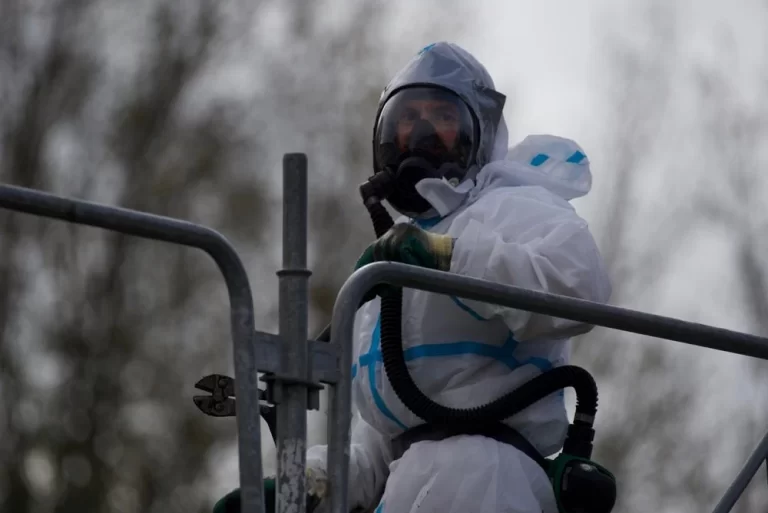
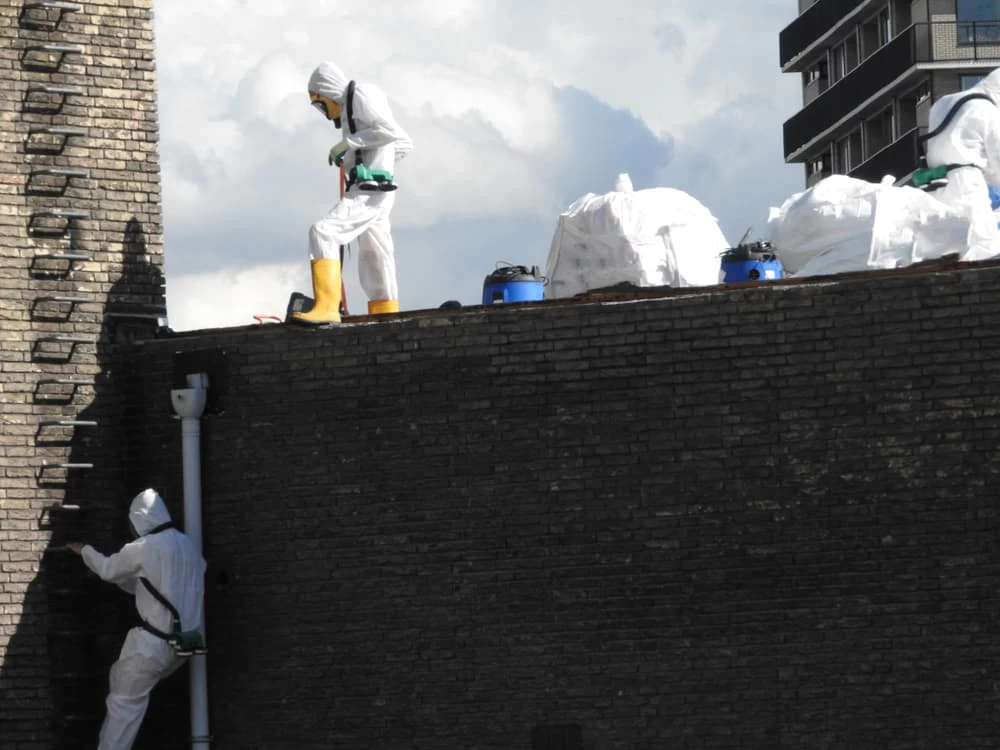
If abatement is needed, we handle the NYSDOL notification required under Industrial Code Rule 56 before any work begins. The work area gets fully contained — plastic sheeting, negative air pressure with HEPA filtration, sealed entry points. Removal is done wet to keep fibers from becoming airborne. Everything that comes out of your home is bagged, labeled, and transported by a licensed hauler to an approved disposal facility, with a chain-of-custody manifest that documents every step.
After removal, we conduct post-abatement air clearance testing. You get documentation — the inspection report, the abatement records, the waste manifests, and the clearance certification. That paperwork matters whether you’re renovating, selling, or simply closing the loop on a flood-damaged home. For Harbor Isle homeowners navigating the Nassau County real estate market or working through post-storm repairs, having a complete, compliant paper trail protects you well beyond the day the job is done.
Asbestos abatement in Harbor Isle covers a lot of ground, because the homes here were built during the decades when asbestos was used in almost everything. Popcorn ceiling removal is one of the most common requests — that textured finish was standard in the late 1950s through the 1970s, and a significant portion of those ceilings contain chrysotile asbestos. Disturbing them without proper containment spreads fibers through the entire home. We handle the full process: containment, wet-method removal, HEPA air filtration, and clearance testing before the ceiling gets refinished.
Asbestos tile removal is another frequent need in these homes. The 9×9 and 12×12 inch vinyl and asphalt floor tiles found in Harbor Isle kitchens, bathrooms, and basements were routinely manufactured with asbestos through the early 1970s. If you’re replacing flooring in an older home, those tiles — and the mastic adhesive beneath them — need to be tested and potentially abated before any new flooring goes down.
Pipe and boiler insulation is where the risk level goes up significantly. Many Harbor Isle homes built in the 1940s and 1950s were originally heated by steam or hot-water radiator systems, and the pipe wrap on those systems frequently contains 15 to 30 percent chrysotile by weight. If you’re replacing a boiler, finishing a basement, or doing any HVAC work in a home of that age, this is the first thing that needs to be assessed. We also handle asbestos remediation in homes that have sustained water damage or storm intrusion — a recurring reality on this particular stretch of Nassau County’s south shore.
Does my Harbor Isle home actually need asbestos testing before I renovate?
If your home was built before 1980, New York State essentially answers that question for you. Under Industrial Code Rule 56, any renovation that disturbs suspected asbestos-containing materials requires those materials to be assessed before work begins. Harbor Isle’s housing stock skews heavily toward the 1940s through 1970s — the exact era when asbestos was used in floor tiles, pipe insulation, ceiling texture, joint compound, roofing, and cement board siding. The presence of asbestos in these materials isn’t rare. It’s expected.
The practical consequence is that if you hire a contractor to gut a kitchen, replace a boiler, or finish a basement in a pre-1980 Harbor Isle home without first testing for asbestos, that contractor may stop work the moment they encounter suspect materials — leaving you with an open project, a regulatory issue, and a harder conversation than if you’d tested first. Getting an inspection done upfront is faster, cheaper, and far less disruptive than discovering the problem mid-renovation.
How much does asbestos abatement typically cost for a home in Harbor Isle?
The honest answer is that it depends on what’s there and how much of it needs to come out. For a focused scope — like asbestos tile removal in a single room or popcorn ceiling abatement in one area — projects on Long Island typically start around $2,000 to $3,500. A broader scope involving pipe insulation, multiple rooms, or materials throughout the home can run anywhere from $5,000 to $15,000 or more depending on the volume and type of materials involved.
What drives cost in Harbor Isle specifically is that many of these homes have multiple asbestos-containing systems — floor tiles, pipe wrap, ceiling texture, and joint compound all in the same structure. A thorough inspection upfront gives you a clear picture of the full scope before you commit to anything. We provide written estimates before any work begins, with line-item detail so you understand exactly what you’re paying for. There are no surprises added after the fact.
My Harbor Isle home had flood damage after Sandy — does that change the asbestos risk?
Yes, and it’s an important distinction. Asbestos-containing materials that are intact and undisturbed generally don’t pose an active airborne risk. But when floodwaters penetrate walls, saturate floors, and damage mechanical systems in a pre-1980 home, materials that were previously stable can become compromised. Wet asbestos floor tiles can crack and delaminate. Damaged pipe insulation can begin to deteriorate. Ceiling materials softened by moisture can release fibers during subsequent demo or drywall work.
Harbor Isle’s flood vulnerability is well-documented — Nassau County’s storm recovery office specifically identified this community for post-Sandy drainage intervention. If your home sustained water intrusion during Sandy or any subsequent storm event, and you’ve done renovation or restoration work since then, it’s worth having an assessment done to confirm that the abatement side was handled correctly. If you’re planning future work on a flood-affected home, an asbestos inspection should happen before any contractor touches the structure.
What asbestos materials are most common in Harbor Isle's older homes?
The most frequently encountered materials in Harbor Isle’s mid-century housing stock fall into a few consistent categories. Floor tiles are at the top of the list — the 9×9 and 12×12 inch vinyl and asphalt tiles found in kitchens, bathrooms, entryways, and basements were standard products through the early 1970s, and most of them contain asbestos. The mastic adhesive beneath those tiles is often just as significant as the tile itself.
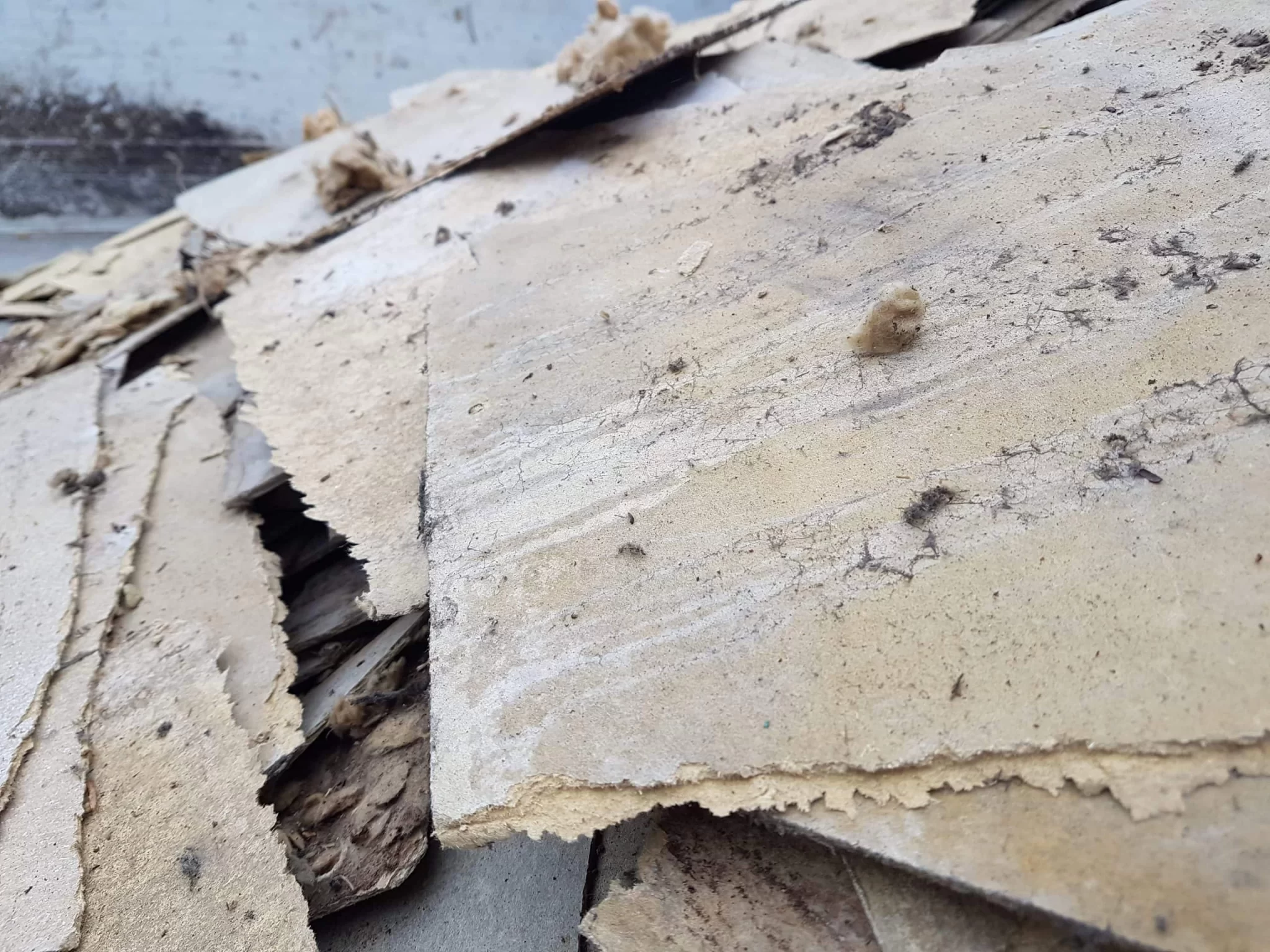
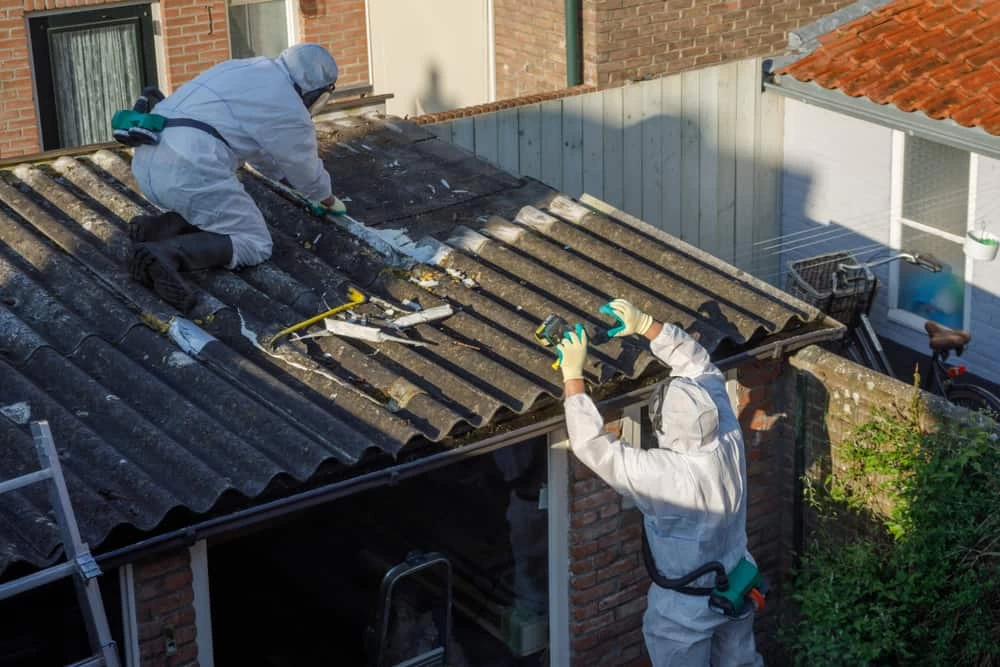
Pipe insulation is the other major one, particularly in homes with original steam or hot-water heating systems. That corrugated wrap around the pipes — often white or gray, sometimes crumbling at the joints — is among the highest-concentration asbestos applications in residential construction. Popcorn ceilings and textured ceiling finishes are common throughout the split-levels and ranch homes that define this neighborhood. Joint compound used in drywall finishing through the mid-1970s also frequently contained asbestos. And some homes in this area have asbestos cement board siding or roofing shingles that need to be addressed before any exterior work begins.
How long does the asbestos abatement process take for a typical Harbor Isle home?
For a focused project — one room, one material type — the actual abatement work typically takes one to two days once the inspection is complete and the NYSDOL notification period has cleared. The inspection and lab results usually take a few days to a week depending on the lab turnaround. New York State requires advance notification to the Department of Labor before most regulated abatement projects begin, so there’s a built-in lead time between the inspection and the start of work that homeowners should factor into their renovation timeline.
For larger scopes — multiple rooms, pipe insulation throughout a basement, or whole-home surveys prior to a major renovation — the timeline extends accordingly. Post-abatement air clearance testing adds a step at the end, but it’s a necessary one: that clearance certification is what your contractor, your real estate attorney, and your lender will want to see before the project moves forward. Most Harbor Isle homeowners find that planning the inspection four to six weeks ahead of a planned renovation start date gives enough buffer for the full process to run without delaying the rest of the project.
Do I need asbestos abatement completed before listing my Harbor Isle home for sale?
Not always required by law, but practically speaking, it often comes up. In Nassau County’s real estate market, buyers’ attorneys and home inspectors routinely flag suspected asbestos-containing materials in pre-1980 homes. If a buyer’s inspector identifies suspect materials during the due diligence period, you’re either negotiating a price reduction, agreeing to abatement as a condition of closing, or watching the deal fall apart — none of which is a good position when you’re trying to sell a home in the $500,000 to $900,000+ range that Harbor Isle properties regularly command.
Getting an asbestos inspection done before you list gives you control over the process. If abatement is needed, you can have it completed on your timeline, with our team, at a cost you’ve negotiated — rather than under the pressure of a closing deadline. And if the inspection comes back clean, that documentation becomes a selling point. Either way, having a certified inspection report and, where applicable, a clearance certificate in hand makes the transaction cleaner and gives buyers one less reason to walk.