If your Haviland Hollow property was built before 1980, asbestos abatement isn’t a maybe it’s a conversation worth having before anyone picks up a hammer.
I needed a professional consultation explanation of procedure for safe removal of Asbestos in my apartment complex. Without having an account yet, I was very impressed with the caring, knowledgeable and generous advice offered by Jessica, and will look forward to doing business in the future. Thank you so much! I feel much more informed about a sometimes scary endeavor. Peace. Nancy Silva Mineola, NY.
Mia Munoz
Used this company to clean up some water flood in my house. They were fast and easy to work with.very professional, Would recommend to anyone!
Nini Valle
Great company, had a flood and they responded quickly and efficiently. Billed my insurance company directly. I highly recommend this company!
joe colapietro, jr
I had pipe freeze in my basement right before a snow storm and they made to within an hour to help start the clean up process. They we by our side throughout the entire process and even helped with the insurance company. They did such a great job with the cleanup, repair, remidiation, I contracted them to perform the repairs and finishes in the basement. They came with enough manpower and material to get the job done. Leo and Jessica were nothing but a pleasure to deal with!!
Cristian Arredondo c
I had some water damage in my home and Green Island was able to take care of my issue quickly and effectively. I am very pleased with the work they did. They responded quickly and were very professional.
Michael M
Outstanding service! From the office to the field crew everyone was friendly, helpful and responsive. I highly recommend Green Island Group.
Your Renovation Moves Forward. Your Family Stays Safe.
Haviland Hollow has been settled since 1731. That kind of history means farmhouses, barns, and rural cottages built across multiple generations and a lot of that construction happened right in the window when asbestos was standard practice. Floor tiles, pipe insulation, ceiling materials, roofing it was everywhere. If you’re planning a renovation, discovering water damage, or just bought an older property off East Branch Road or Haviland Hollow Road, the question isn’t whether asbestos could be present. It’s whether you want to find out the right way.
When asbestos is identified and properly removed, your project doesn’t stop it continues on solid ground. You get air clearance documentation that proves the space is safe, compliance paperwork that protects you legally, and the confidence to move forward without wondering what your contractor might have disturbed. That matters everywhere, but it matters especially in Haviland Hollow, where Haviland Hollow Brook and the East Branch Croton River run close to older properties and where moisture from freeze-thaw cycles accelerates the breakdown of aging building materials.
The difference between doing this right and cutting corners isn’t just health it’s liability, resale value, and whether your renovation project finishes on schedule or gets shut down.
New York State Licensed. No Shortcuts. No Guesswork.
We’ve been doing this work for over 12 years. Not just asbestos lead, mold, water damage, demolition but asbestos abatement is where the stakes are highest, and it’s where the licensing requirement exists for a reason. In New York State, every abatement contractor must hold a valid NYS Department of Labor Asbestos License under Industrial Code Rule 56. We hold that license. It’s verifiable. It’s not a certificate from a weekend course.
Putnam County falls under the NYS DOL Albany District Office for asbestos enforcement a detail that matters when you’re dealing with a pre-1980 farmhouse in a rural hamlet like Haviland Hollow that some contractors won’t even bother to service. We serve the Hudson Valley and Putnam County region, which means Haviland Hollow isn’t an afterthought on a long list of towns. We also hold NYS and NYC M/WBE certification verified credentials that signal accountability to state government, not just marketing language on a website.
With a 4.7-star rating and a client list that includes the NYS Office of General Services and DASNY, our standard of work doesn’t change based on the zip code.
Asbestos Remediation Process in Haviland Hollow, NY
From First Inspection to Final Clearance Here's What to Expect
It starts with an inspection. A licensed inspector assesses your property and collects samples from suspect materials floor tiles, ceiling materials, pipe insulation, roofing, joint compound, whatever applies to your specific structure. In Haviland Hollow, that often means older farmhouses or agricultural buildings where asbestos-containing materials weren’t always obvious or labeled. Samples go to a lab. You get real results, not assumptions.
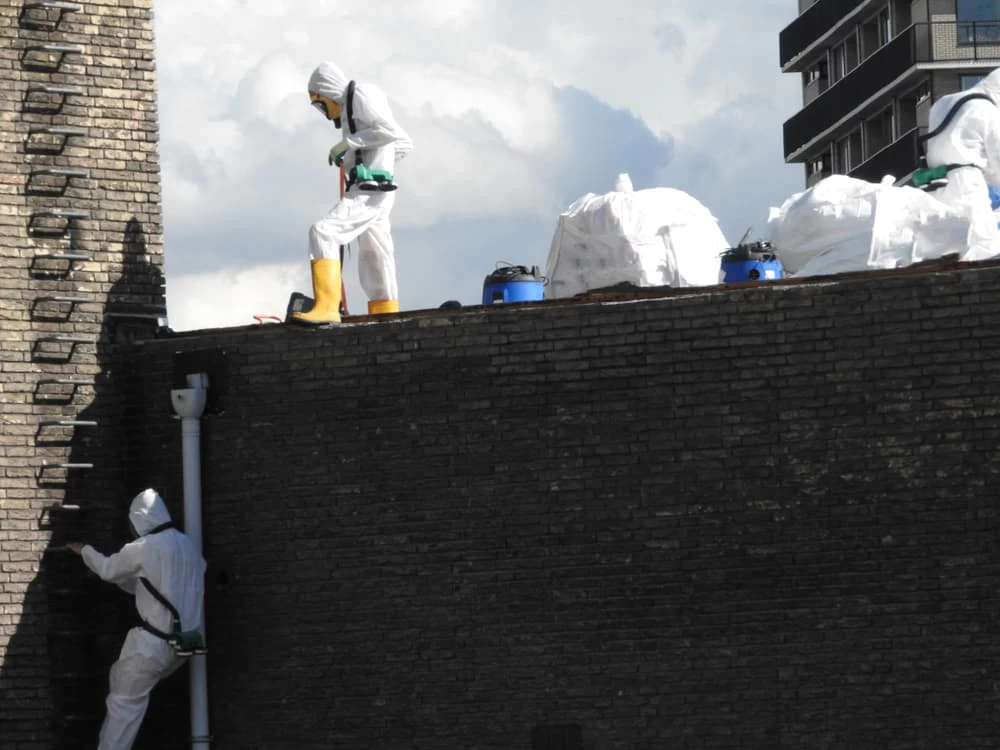
If asbestos is confirmed, the next step is permit handling. New York State requires regulatory notifications and compliance filings before any abatement work begins we manage that paperwork so you don’t have to navigate the NYS DOL process on your own. Once permits are in order, the removal itself follows strict Industrial Code Rule 56 protocols: wet methods, negative air pressure containment, full decontamination procedures, and proper disposal under NYS DEC waste transporter regulations. Asbestos waste doesn’t just disappear it has to be tracked and disposed of correctly, which matters in an area as environmentally sensitive as the Great Swamp watershed.
After removal, post-abatement air clearance testing is conducted by an independent licensed air monitoring contractor. That testing produces the documentation you need for your contractor, your insurance company, a future buyer, or your own peace of mind. The job isn’t done until the air is clean and the paperwork reflects it.
Asbestos shows up in more places than most people expect, especially in the type of building stock common throughout Haviland Hollow and the broader Town of Patterson. Vinyl floor tiles from the 1950s through 1970s were almost universally asbestos-containing. Popcorn ceilings applied before 1980 frequently tested positive. Pipe insulation around older boilers, roofing materials on barns and outbuildings, exterior siding, and joint compound used in drywall finishing all of it falls within the risk window. The 1922 barn at Haviland Hollow Farm is a straightforward example of the kind of agricultural structure where asbestos-cement roofing and boiler insulation were standard.
We handle asbestos tile removal, popcorn ceiling asbestos removal, pipe and insulation abatement, roofing material abatement, and full structural remediation for both residential and commercial properties. Because older Putnam County properties rarely have just one hazard, our NYS DOL Mold License and USEPA Lead/RRP Certification mean that if testing turns up lead paint or mold alongside asbestos which is common in pre-1978 rural construction everything can be addressed under one licensed contractor rather than coordinating three separate companies.
What you receive at the end of the project isn’t just a cleared space. It’s a complete compliance documentation package: inspection reports, lab results, permit filings, removal records, and post-abatement air clearance test results that meet OSHA and NIOSH standards. That package is what satisfies lenders, real estate buyers, building departments, and insurance carriers. In Putnam County’s active rural real estate market, it’s also what closes transactions on older properties.
Does my Haviland Hollow home actually need asbestos testing before I renovate?
In New York State, if your home was built before 1980 and you’re planning renovation work that will disturb building materials demolition, flooring removal, ceiling work, insulation replacement a licensed asbestos inspection is legally required before that work begins. This isn’t a suggestion. Industrial Code Rule 56 governs abatement in Putnam County under the NYS DOL Albany District Office, and the consequences of skipping it fall on the property owner, not just the contractor.
In Haviland Hollow specifically, the age and character of the housing stock makes this especially relevant. Whether you’re working on a mid-century farmhouse, an older cottage, or an agricultural outbuilding, the materials that were standard during construction floor tiles, insulation, roofing, joint compound are the same ones that show up positive in testing. Getting an inspection done upfront costs far less than discovering asbestos mid-project and having to stop work, bring in abatement contractors, and restart the permit process from scratch.
How much does asbestos removal typically cost for a property in Putnam County?
The honest answer is that it depends heavily on scope how much material is affected, what type it is, and how accessible it is. Nationally, asbestos removal averages around $2,239, with a range from roughly $462 on the low end for a small, contained area up to $6,000 or more for larger projects involving multiple material types or complex structural work. Agricultural properties and older farmhouses the kind common throughout Haviland Hollow can fall anywhere in that range depending on what the inspection turns up.
What drives cost up isn’t the removal itself it’s surprises. A property that goes into abatement with a clear inspection report and a defined scope moves through the process efficiently. A property where asbestos is discovered mid-renovation, without prior testing, typically costs significantly more because of emergency mobilization, additional permit filings, and project delays. Getting the inspection done before your renovation budget is committed is the most cost-effective decision you can make on an older Putnam County property.
Can I legally remove asbestos myself in New York State?
For most situations, no. New York State Industrial Code Rule 56 requires that asbestos abatement work be performed by contractors holding a valid NYS DOL Asbestos License. There are very narrow exemptions for homeowners performing certain limited work on their own single-family residence, but those exemptions do not apply to commercial properties, multi-family buildings, or any project involving significant quantities of asbestos-containing material. And even in cases where a homeowner exemption technically applies, the disposal requirements NYS DEC waste transporter permits and asbestos tracking still apply.
Beyond the legal question, there’s a practical one. Asbestos fibers become dangerous when they’re airborne, and improper removal without wet methods, negative air pressure containment, and proper protective equipment is how exposure happens. The health consequences of asbestos exposure are serious and long-latency, meaning the damage may not show up for decades. In a rural hamlet like Haviland Hollow, where unlicensed contractors occasionally operate with less oversight than in urban markets, the risk of hiring someone who isn’t properly licensed is real. Verify the NYS DOL license before anyone touches suspect materials on your property.
What happens if asbestos is found during a real estate transaction in Patterson, NY?
It’s more common than people expect, and it doesn’t automatically kill a deal but it does require a clear plan. When asbestos is discovered during a pre-purchase inspection on an older property in Patterson or Haviland Hollow, the typical outcome is a negotiation over who handles abatement and when. Buyers increasingly expect asbestos clearance documentation as part of due diligence on pre-1980 rural properties in Putnam County, and lenders may require it before issuing financing on certain property types.
The key is moving quickly and having a licensed contractor who can produce the documentation the transaction requires. We provide the full compliance package inspection reports, lab results, removal records, and post-abatement air clearance test results that satisfies buyers, lenders, and real estate attorneys. If you’re a seller who wants to get ahead of this before listing, an inspection and abatement completed before the property hits the market eliminates the negotiating leverage a buyer gets when they discover it during due diligence. In Putnam County’s active rural market, that preparation translates directly to a cleaner transaction.
Does water damage in an older home increase the asbestos risk in Haviland Hollow?
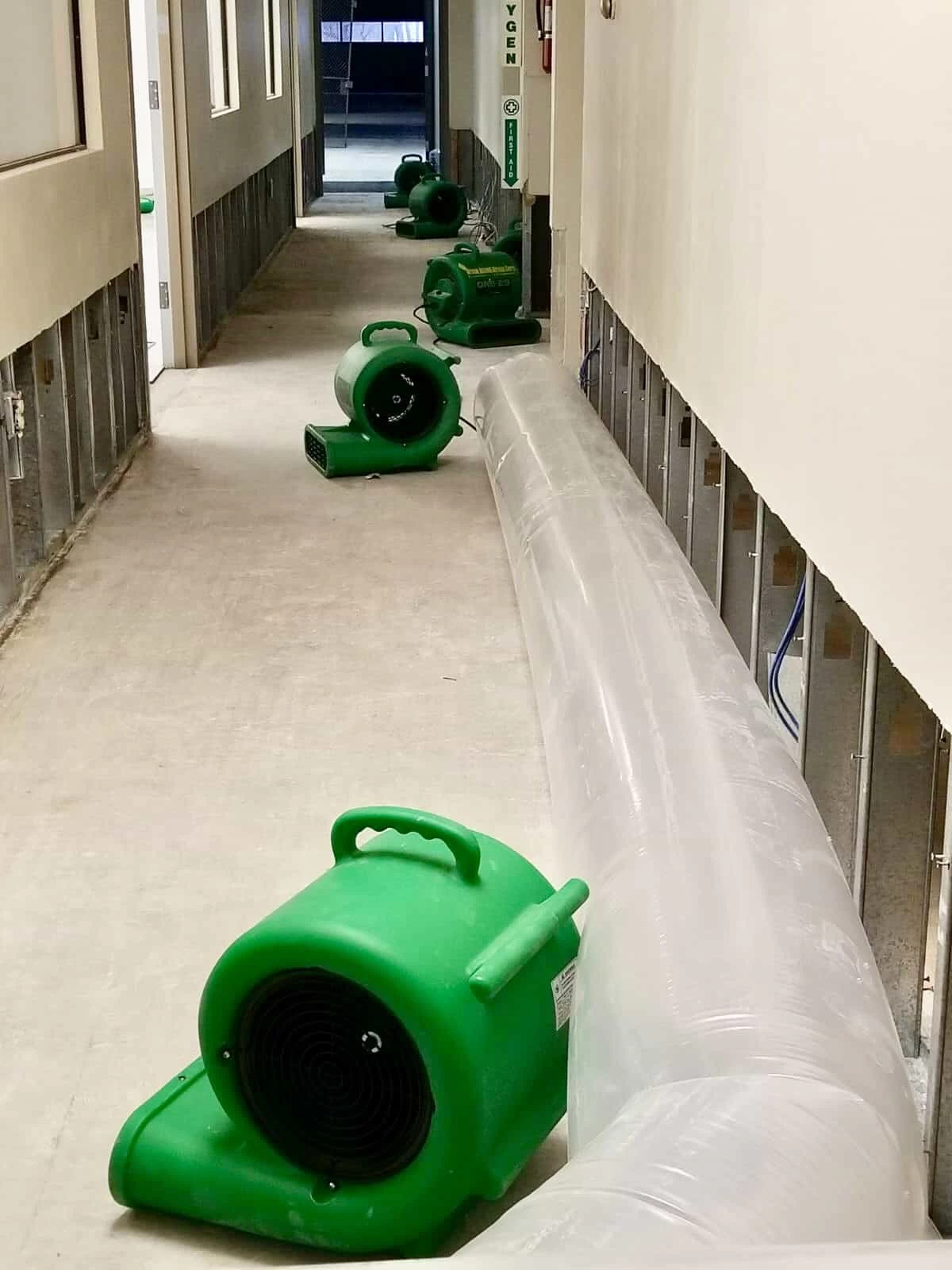
Yes, and it’s a connection that doesn’t get talked about enough. Asbestos-containing materials that are intact and undisturbed what the industry calls non-friable are generally stable. The danger comes when those materials are damaged, deteriorated, or disturbed. Water damage accelerates that deterioration significantly. Moisture intrusion causes materials to break down, swell, crack, and crumble turning previously stable asbestos into friable material that releases fibers into the air.
In Haviland Hollow, this is a real concern. The area sits within the Haviland Hollow Brook and East Branch Croton River watershed, and the freeze-thaw cycles typical of Putnam County winters put consistent stress on older building materials. A basement that floods, a roof that leaks into insulated spaces, or a crawlspace with persistent moisture can all accelerate the breakdown of asbestos-containing materials in ways that aren’t visible until someone disturbs them during repair work. If your Haviland Hollow property has experienced water damage recent or historic and it was built before 1980, an asbestos inspection before any remediation or repair work begins is the right call.
How long does the asbestos abatement process take from inspection to clearance?
For a standard residential project a single material type in a defined area the process from initial inspection to post-abatement air clearance typically runs one to two weeks when everything moves efficiently. The inspection and lab results usually take a few days. Permit filing with the NYS DOL adds time depending on the scope and the regulatory notification window required under Industrial Code Rule 56. The removal itself, for a contained project, is often completed in one to two days. Post-abatement air clearance testing follows immediately after removal and typically produces results within 24 to 48 hours.
Larger projects full floor tile removal across multiple rooms, insulation abatement in a barn or agricultural structure, or properties with multiple material types take longer, and the permit timeline reflects the increased scope. For Haviland Hollow property owners working against a renovation schedule or a real estate closing deadline, the most important thing you can do is start the inspection early. The permit and notification requirements have fixed timelines that can’t be compressed but they also don’t have to be a surprise if you plan ahead.