If your Head of the Harbor home was built before 1980, asbestos is likely somewhere inside it and the only way to know for sure is a certified inspection before anything gets disturbed.
I needed a professional consultation explanation of procedure for safe removal of Asbestos in my apartment complex. Without having an account yet, I was very impressed with the caring, knowledgeable and generous advice offered by Jessica, and will look forward to doing business in the future. Thank you so much! I feel much more informed about a sometimes scary endeavor. Peace. Nancy Silva Mineola, NY.
Mia Munoz
Used this company to clean up some water flood in my house. They were fast and easy to work with.very professional, Would recommend to anyone!
Nini Valle
Great company, had a flood and they responded quickly and efficiently. Billed my insurance company directly. I highly recommend this company!
joe colapietro, jr
I had pipe freeze in my basement right before a snow storm and they made to within an hour to help start the clean up process. They we by our side throughout the entire process and even helped with the insurance company. They did such a great job with the cleanup, repair, remidiation, I contracted them to perform the repairs and finishes in the basement. They came with enough manpower and material to get the job done. Leo and Jessica were nothing but a pleasure to deal with!!
Cristian Arredondo c
I had some water damage in my home and Green Island was able to take care of my issue quickly and effectively. I am very pleased with the work they did. They responded quickly and were very professional.
Michael M
Outstanding service! From the office to the field crew everyone was friendly, helpful and responsive. I highly recommend Green Island Group.
Most homeowners in Head of the Harbor aren’t thinking about asbestos until something forces the conversation a contractor who won’t touch the floor tiles, a home inspector who flags the ceiling texture, or a buyer’s attorney asking questions before closing. At that point, you don’t want to be scrambling. You want a licensed contractor who already knows what to do and can move quickly without cutting corners.
The homes in Head of the Harbor are older by design. That’s part of what makes this village what it is estate-character properties on large lots, many of them built during the exact decades when asbestos was standard in residential construction. Vinyl floor tiles, pipe insulation, textured ceilings, roofing materials these were all common ACM locations in homes built between the 1940s and late 1970s. The larger the home, the more surface area there is, and the more places asbestos can quietly exist until something disturbs it.
Once abatement is done correctly with proper containment, certified removal, and post-clearance air testing you get something most homeowners in this situation genuinely didn’t expect: clarity. Your renovation can move forward. Your sale can close. Your family isn’t breathing in fibers that were disturbed by a contractor who didn’t know what they were dealing with. That’s the real outcome here. Not just compliance actual peace of mind backed by documentation.
Licensed Asbestos Contractor Serving Head of the Harbor
Local Knowledge That Actually Changes the Job
We are a NYS DOL licensed asbestos abatement contractor serving Long Island homeowners and property owners throughout Suffolk County. We handle the full scope inspection, testing, licensed removal, air monitoring, and clearance documentation so you’re not coordinating between three different vendors while your renovation sits on hold.
One thing that matters specifically in Head of the Harbor: the village operates its own independent building department. Permits for abatement work here don’t go through the Town of Smithtown they go through the Village of Head of the Harbor directly. If your contractor doesn’t know that, you’ll find out the hard way when paperwork gets rejected or a Certificate of Occupancy gets delayed. We know how this village works, and we handle the permitting side accordingly.
We’ve worked throughout the North Shore in Smithtown, Stony Brook, St. James, and Nissequogue and we bring that same level of care and local familiarity to every project in Head of the Harbor.
It starts with an inspection. A NYS-certified asbestos inspector walks your property, identifies any materials suspected of containing asbestos, and collects samples for laboratory analysis. This isn’t a visual guess it’s a certified process with documented results. Under New York State Industrial Code Rule 56, this step is legally required before any renovation or demolition that could disturb potential ACMs. That applies to kitchen remodels, bathroom renovations, basement finishing, HVAC work, and full gut renovations all common projects in homes like yours.
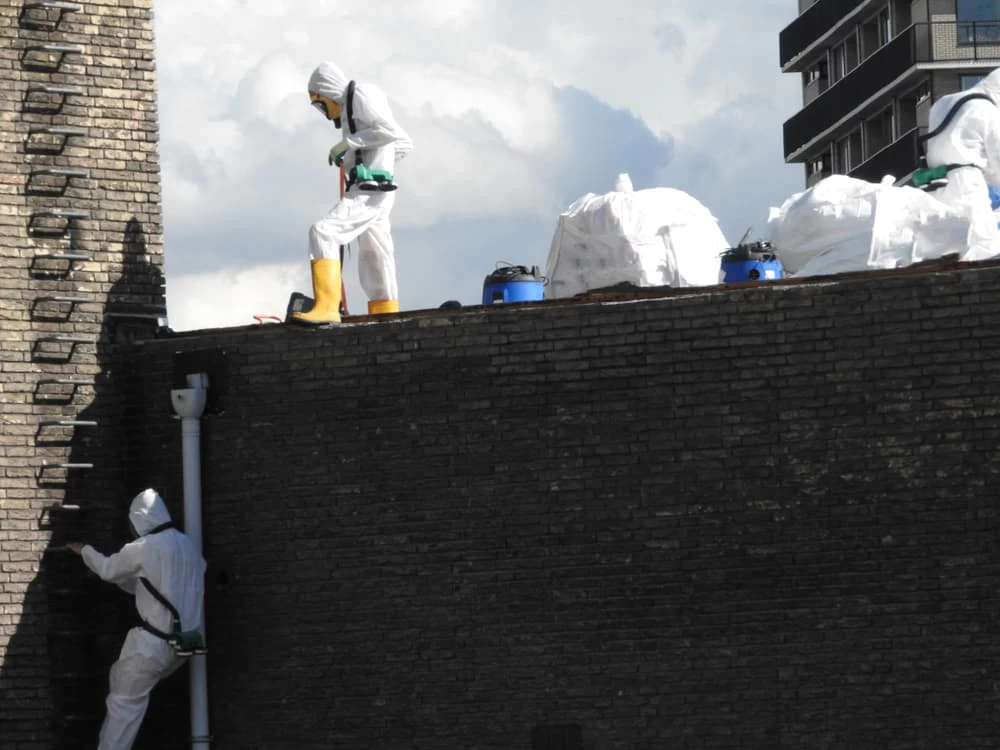
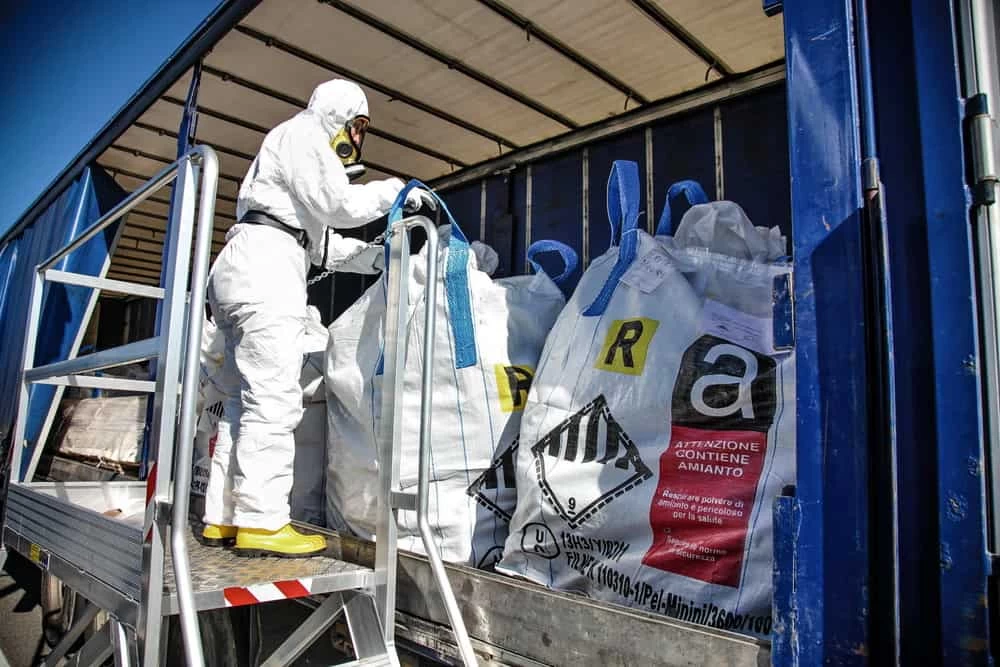
Once lab results confirm what’s present, we put together a clear scope of work. You’ll know exactly what needs to come out, how it will be removed, and what the timeline looks like. During abatement, we establish proper containment negative air pressure, HEPA filtration, and full isolation of the work area from the rest of your home. For a larger estate-style property, this containment setup is especially important because there’s more living space to protect. Nothing leaves that containment zone without being properly packaged and labeled for disposal at a licensed facility.
After removal, we conduct post-abatement air clearance testing. That clearance report is your documentation for your contractor, your real estate attorney, your buyer, or your own records. It confirms the area is safe, the work is done, and the project can move forward.
Every Common ACM in North Shore Homes, Handled Right
The most frequent calls we get from Head of the Harbor homeowners involve a few specific materials. Asbestos floor tile particularly the original 9×9 vinyl tiles found in mid-century kitchens, basements, and utility rooms is extremely common in homes of this era. The tile itself often contains asbestos, and so does the black mastic adhesive underneath it. Both require certified removal using wet methods and proper containment. You can’t just pull these up and bag them yourself and any contractor who tells you otherwise isn’t someone you want working in your home.
Popcorn ceiling removal is the other call we get regularly. Textured ceiling coatings applied through the 1970s and into the early 1980s frequently contain chrysotile asbestos. Sanding or scraping them without testing first is one of the most common DIY mistakes homeowners make and one of the most dangerous. We test first, always. If asbestos is present, we remove it under full containment with certified disposal. If it’s not, we tell you that too.
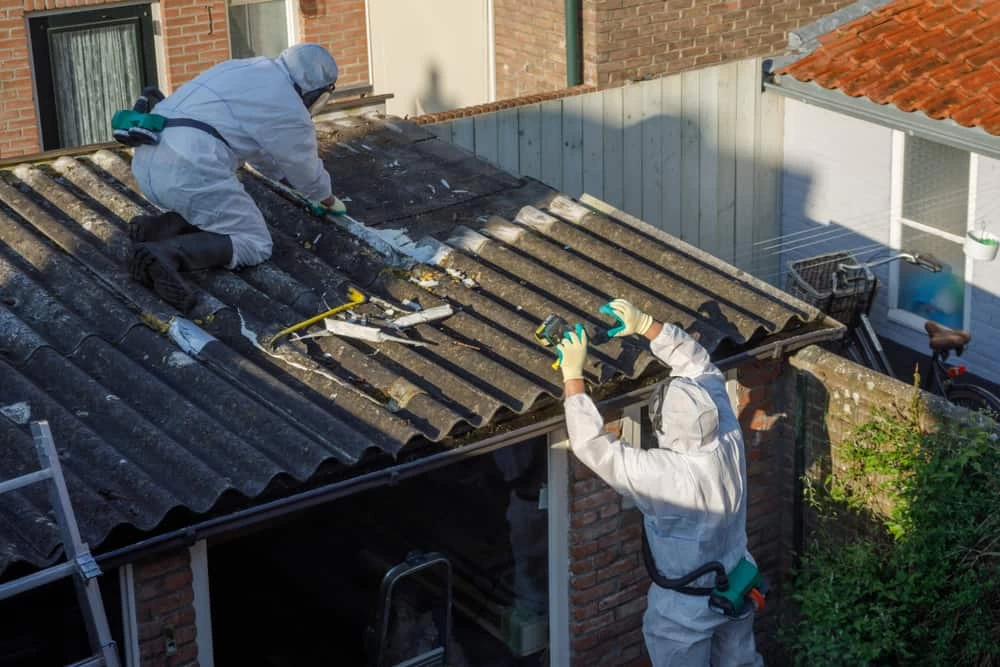
Beyond tile and ceilings, we handle pipe and duct insulation removal, joint compound abatement, roofing and siding material removal, and full abatement scopes for whole-home renovations. Whatever the project requires, we assess it fully and give you a clear picture before any work begins. Head of the Harbor’s village building department requires proper documentation throughout this process, and we make sure every permit and compliance record is in order from start to finish.
Does Head of the Harbor require a separate permit for asbestos abatement work?
Yes and this is one of the most important things to understand before hiring any contractor for abatement work in Head of the Harbor. The village operates its own independent building department, completely separate from the Town of Smithtown. The Town of Smithtown Building Department explicitly does not accept permit applications for projects located within Head of the Harbor. Any contractor who submits to the wrong department or skips the permit process entirely is creating a problem that will surface when you try to get a Certificate of Occupancy or sell the property.
All permit applications for abatement work in Head of the Harbor must go through the Village of Head of the Harbor Building Department directly. We handle this process as part of the job. We know the village’s requirements, we submit the correct documentation, and we make sure the permit is in order before abatement begins. It’s one less thing you have to manage during an already stressful project.
My contractor found suspicious floor tiles in my home what should I do next?
Don’t let anyone disturb those tiles until they’ve been tested by a certified inspector. This is the most important step, and it’s also a legal requirement under New York State Industrial Code Rule 56. If your general contractor, plumber, or HVAC technician flagged the tiles and stopped work, they did the right thing. The next call is to a licensed asbestos inspector who can collect a sample and send it to an accredited lab for analysis.
In homes built before 1980 which describes a significant portion of Head of the Harbor’s housing stock 9×9 vinyl floor tiles are among the most commonly found asbestos-containing materials. The tile itself and the black adhesive mastic beneath it can both contain asbestos. If the lab confirms asbestos is present, a licensed abatement contractor removes the material under proper containment, disposes of it at a certified facility, and provides you with clearance documentation. Your renovation can then legally and safely proceed.
How long does the asbestos abatement process typically take from inspection to clearance?
The timeline varies depending on the scope of what needs to be removed, but for a typical residential project a floor tile removal, a popcorn ceiling in one or two rooms, or pipe insulation around a boiler the inspection and lab results usually take a few days, abatement itself can often be completed in one to three days, and post-clearance air testing results follow shortly after. For larger whole-home scopes, the timeline extends accordingly.
One thing that affects timing in Head of the Harbor specifically is the permit process through the village’s own building department. Because the village operates independently from the Town of Smithtown, permit applications go through a separate channel, and it’s important to factor that into your project schedule. If you’re working against a renovation deadline or a real estate closing date, let us know upfront. We’ll assess what’s realistic and give you an honest timeline not one designed to get you to sign and figure it out later.
Is asbestos testing required before I sell my home in Head of the Harbor, NY?
There’s no law that specifically requires a seller to test for asbestos before listing a home in New York. However, if a home inspection flags suspected ACMs during the buyer’s due diligence process, it almost always triggers a negotiation and in a market where Head of the Harbor homes are listed at or above $1,000,000, an unresolved asbestos concern can lead to significant price reductions, delayed closings, or deals falling apart entirely.
The smarter move for most sellers is to get the inspection done proactively, before listing. If asbestos is present, you address it on your timeline not under pressure from a buyer’s attorney with a closing date looming. If it’s not present, you have documentation that removes the question entirely. Either way, you’re in a better position. Buyers in this market are sophisticated, and their attorneys will ask. Having a certified clearance report ready is a straightforward way to protect the value of the transaction.
What types of materials in older homes commonly contain asbestos?
In homes built between the 1940s and late 1970s the era that covers a large portion of Head of the Harbor’s housing stock asbestos was used in a wide range of building materials. The most common ones we find in residential abatement work on the North Shore include vinyl floor tiles and the black mastic adhesive beneath them, textured popcorn ceiling coatings, pipe and duct insulation (especially around older boiler systems), joint compound used on drywall seams, exterior roofing shingles, and certain types of siding.
Just because a material contains asbestos doesn’t automatically mean it needs to be removed. Asbestos that is in good condition and not being disturbed is generally considered non-friable meaning it’s not releasing fibers into the air. The risk increases when materials are damaged, deteriorating, or about to be disturbed by renovation work. That’s why the inspection step matters: it tells you what’s present, what condition it’s in, and what actually needs to be addressed versus what can be safely left alone.
How much does asbestos abatement typically cost for a home in Head of the Harbor?
Costs vary based on what materials are present, how much needs to be removed, and the complexity of the containment setup required. For a straightforward asbestos tile removal in a single room, you’re generally looking at a few hundred dollars on the lower end. A popcorn ceiling abatement covering multiple rooms, or pipe insulation removal around a full heating system, typically runs in the range of $1,500 to $4,000 or more depending on scope. Larger whole-home abatement projects the kind that come up during full gut renovations can run significantly higher.
For Head of the Harbor homeowners, the cost of abatement needs to be weighed against what’s at stake. These are high-value properties, and improper removal or skipping the process entirely creates real liability. A contaminated HVAC system, a failed clearance test, or an open permit at the time of sale can cost far more than the abatement itself. We provide clear, itemized estimates before any work begins, so you know exactly what you’re paying for and why.