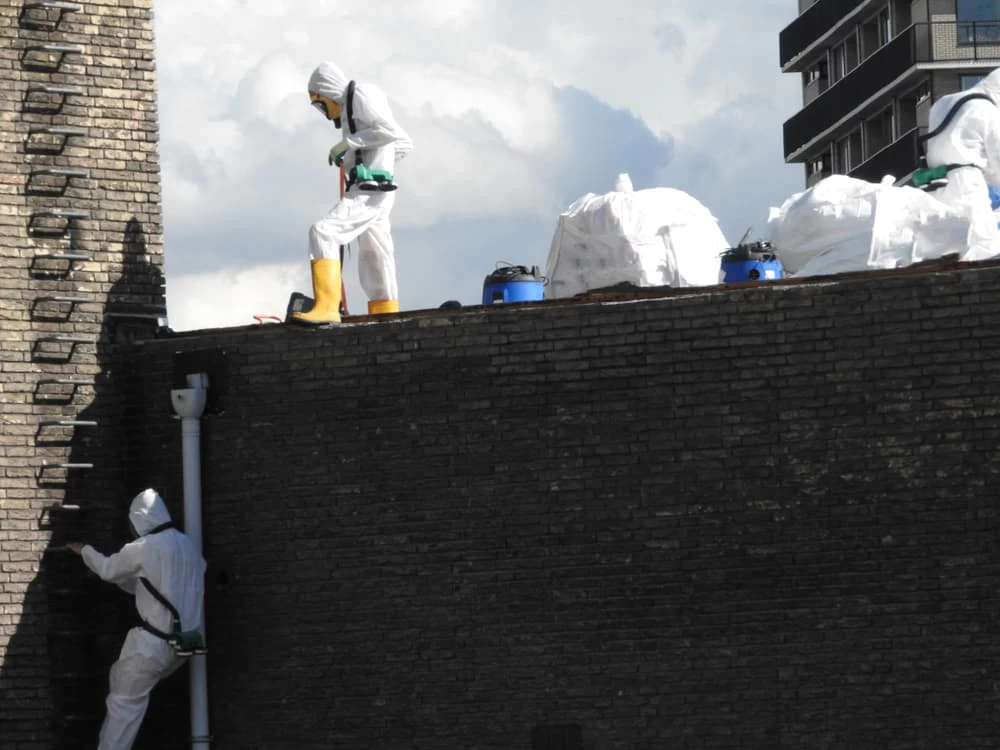
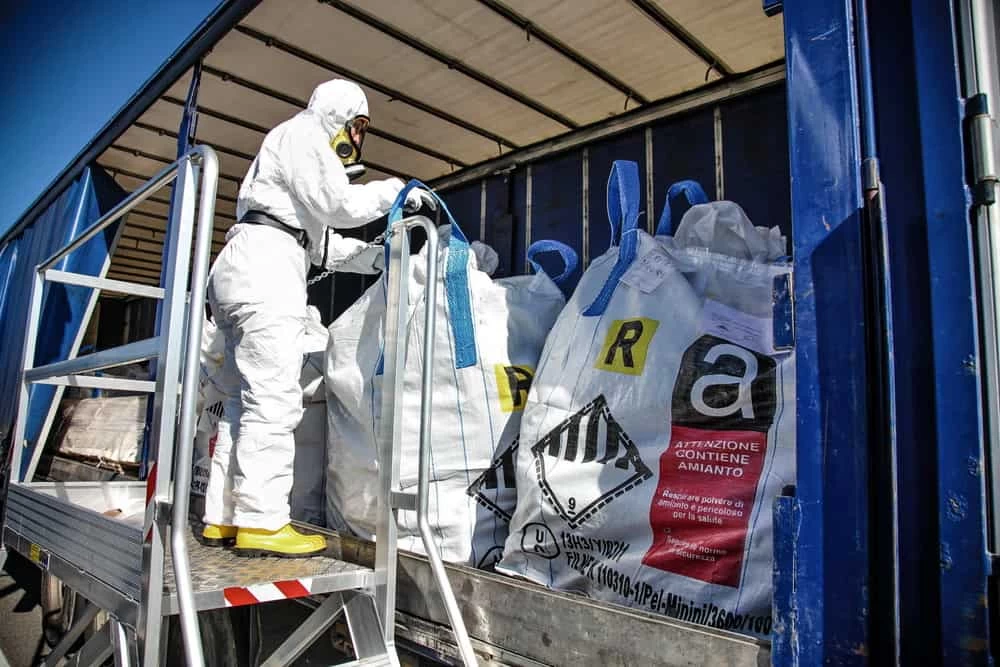
Most homes along the Horace Harding corridor were built when asbestos was standard. If yours is one of them, we handle asbestos abatement the right way licensed, NYC DEP compliant, and start to finish.
I needed a professional consultation explanation of procedure for safe removal of Asbestos in my apartment complex. Without having an account yet, I was very impressed with the caring, knowledgeable and generous advice offered by Jessica, and will look forward to doing business in the future. Thank you so much! I feel much more informed about a sometimes scary endeavor. Peace. Nancy Silva Mineola, NY.
Mia Munoz
Used this company to clean up some water flood in my house. They were fast and easy to work with.very professional, Would recommend to anyone!
Nini Valle
Great company, had a flood and they responded quickly and efficiently. Billed my insurance company directly. I highly recommend this company!
joe colapietro, jr
I had pipe freeze in my basement right before a snow storm and they made to within an hour to help start the clean up process. They we by our side throughout the entire process and even helped with the insurance company. They did such a great job with the cleanup, repair, remidiation, I contracted them to perform the repairs and finishes in the basement. They came with enough manpower and material to get the job done. Leo and Jessica were nothing but a pleasure to deal with!!
Cristian Arredondo c
I had some water damage in my home and Green Island was able to take care of my issue quickly and effectively. I am very pleased with the work they did. They responded quickly and were very professional.
Michael M
Outstanding service! From the office to the field crew everyone was friendly, helpful and responsive. I highly recommend Green Island Group.
When asbestos is handled correctly, you stop worrying about whether your renovation is legal, whether your family is breathing something they shouldn’t be, and whether a buyer is going to walk because an inspection flagged something you didn’t know how to address. That’s the actual outcome not just cleared air, but cleared headspace.
The Horace Harding corridor runs through some of the oldest residential stock in Queens. The Fresh Meadows Housing Development was built starting in 1947. The post-war single-family homes in Little Neck and Douglaston went up through the 1950s and 60s. Buildings like LeFrak City at 98-25 Horace Harding Expressway were completed in 1965. Every one of those builds used asbestos-containing materials as a matter of course floor tiles, pipe insulation, ceiling texture, joint compound. Age alone doesn’t make it dangerous, but disturbance does. And once you start a renovation in a home like that, you’ve crossed the line.
In a ZIP code where median home values sit around $530,000, a botched abatement or worse, an unpermitted one doesn’t just create a health problem. It creates a legal problem, a real estate problem, and a timeline problem. Getting it done right, with the right paperwork, means your renovation moves forward, your sale closes, and you’re not fielding calls from the NYC DEP after the fact.
We’re a licensed environmental remediation contractor serving all five boroughs, including the full stretch of Queens from Rego Park to Little Neck and the Horace Harding corridor. We hold the NYS DOL Asbestos License, NYC BIC registration, USEPA Lead and RRP certifications, and NYC MWBE status the full credential stack that co-op boards, property managers, and Queens homeowners actually need to see before work begins.
That matters here more than most places. The NYC DEP offices sit at 96-05 Horace Harding Expressway in Flushing the same road this community is named for. Enforcement in this corridor isn’t abstract. We operate inside that regulatory framework every day, which means we know what the DEP requires, what the DOB expects before issuing a renovation permit, and what documentation you’ll need when the job is done.
We’re available 24 hours a day, 7 days a week, and we bill insurance directly when the situation calls for it. One company, one call, no coordination required.
Asbestos Remediation Process in Horace Harding, NY
No Guesswork Here's Exactly What the Process Looks Like
It starts with an inspection. Before anything is touched, we assess the property to identify what materials are present and whether they contain asbestos. In Queens, any pre-1987 building requiring a construction permit must go through this step before the NYC DOB will issue that permit it’s not optional, and skipping it creates problems that are expensive to undo. If asbestos is found, the appropriate NYC DEP forms are filed either an ACP-5 if the scope is clear, or an ACP-7 if abatement is required before renovation or demolition can proceed.
Once the regulatory groundwork is laid, the abatement itself begins. The affected area is contained, materials are removed according to NYS DOL and NYC DEP standards, and Microtrap air scrubbers run throughout the process to keep the surrounding space clean. This isn’t a step that gets skipped to save time it’s what separates a compliant abatement from one that creates liability.
After removal, post-abatement air clearance testing is conducted. This is the part that actually proves the work was done correctly not just removed, but verified safe. You receive the clearance documentation, which is what your contractor, your buyer’s attorney, or your co-op board will ask to see. If reconstruction is needed after abatement, we hold general contractor licenses in NYC, so that phase doesn’t require a second company.
Every Material Type, Every Scenario Along This Corridor
Asbestos doesn’t show up in just one place. In the mid-century homes and apartment buildings that define the Horace Harding corridor, it tends to appear in vinyl floor tiles, popcorn ceiling texture, pipe and boiler insulation, drywall joint compound, roofing shingles, and HVAC duct insulation. We handle asbestos removal across all of these material types residential and commercial, single-family homes and large apartment complexes alike.
For homeowners in Little Neck or Douglaston dealing with a pre-sale inspection that flagged suspicious materials, the timeline is tight and the documentation requirements are real. We provide the complete paperwork trail inspection results, abatement records, post-clearance air monitoring, and a formal clearance certificate everything needed to satisfy a buyer, a buyer’s attorney, or a title company. For property managers overseeing larger buildings along the denser sections of the corridor, we bring the commercial-scale capability and NYC BIC registration that building management requires.
We also hold USEPA Lead certification, which matters in this corridor because homes built before 1978 and there are many frequently contain both lead paint and asbestos. Both hazards can be assessed and addressed under one contract, which saves time and eliminates the coordination headache of managing two separate remediation contractors. If water or fire damage is part of the picture, our IICRC certifications cover that too.
Do I need an asbestos test before renovating my home in Horace Harding, NY?
If your home was built before 1987, yes and in New York City, this isn’t just a recommendation, it’s a regulatory requirement. The NYC Department of Buildings will not issue a renovation permit for a pre-1987 building without an asbestos assessment on file. That assessment determines whether asbestos-containing materials are present and whether they’ll be disturbed by the planned work. If they will be, abatement has to happen before the renovation can proceed.
This applies across the Horace Harding corridor, where the vast majority of residential and commercial buildings were constructed between the 1940s and 1970s. Skipping the assessment doesn’t just create a health risk it creates a permit problem that can result in stop-work orders, fines, and delays that cost far more than the test itself would have. Getting it done upfront is the faster path, not the slower one.
What does asbestos abatement actually cost for a home in this area?
For a typical residential project in the Horace Harding area, asbestos removal generally runs between $1,200 and $3,200 depending on the scope how many rooms are affected, what materials are involved, and how much prep and containment the job requires. Larger or more complex projects, like multi-room abatements or whole-building work in an older apartment complex, can reach $6,000 or more.
In the NYC market specifically, labor rates and regulatory compliance costs DEP permits, post-clearance air monitoring, documentation push the numbers toward the higher end of national averages. That’s the reality of working in a city with one of the most stringent asbestos regulatory frameworks in the country. For homeowners in Little Neck or Douglaston where median home values are around $530,000, the cost of proper abatement is a fraction of what a failed inspection, a delayed closing, or a DEP violation would cost. It’s worth doing correctly.
What are ACP-5 and ACP-7 forms, and do I need them for my renovation?
These are NYC DEP-specific forms that most abatement contractors outside the five boroughs have never dealt with which is exactly why hiring someone familiar with the city’s regulatory process matters. An ACP-5 is filed when an asbestos survey has been completed and the work scope won’t disturb any asbestos-containing materials. An ACP-7 is required when abatement is necessary before demolition or renovation can proceed. Both need to be filed correctly with the DEP before work begins.
Errors in this paperwork wrong scope description, missing survey documentation, incorrect filing sequence can trigger stop-work orders on your project. For a homeowner mid-renovation or a contractor on a tight schedule, that kind of delay is expensive and avoidable. We file these forms as part of every qualifying project. It’s not an add-on it’s part of what a compliant abatement in New York City actually looks like.
Is asbestos common in homes built along the Horace Harding Expressway corridor?
It’s more common than most homeowners expect. The entire Horace Harding corridor from the post-war garden apartments of Fresh Meadows to the single-family neighborhoods of Little Neck and Douglaston was built primarily between the 1940s and the late 1970s. That window overlaps almost exactly with the peak era of asbestos use in residential construction. Vinyl asbestos floor tiles were standard in mid-century kitchens and basements. Pipe insulation wrapped in asbestos was the norm. Popcorn ceiling texture, drywall joint compound, and roofing materials from that era frequently tested positive.
Age alone doesn’t make these materials dangerous asbestos that’s intact and undisturbed generally stays that way. The risk comes when materials are cut, sanded, drilled, or demolished. If you’re planning any renovation in a home built before 1980 along Horace Harding, an inspection before you start is the right call. It takes the guesswork out of the equation.
A pipe burst in my home and exposed old insulation is that an emergency situation?
It can be. When a pipe fails in an older home which happens regularly in the aging plumbing systems common throughout the Horace Harding corridor the resulting water damage often disturbs pipe insulation that was never meant to be touched. If that insulation contains asbestos, the disturbance can release fibers into the air. The same applies to water-damaged ceiling tiles or floor tiles that have been saturated and begin to deteriorate.
In a situation like that, the right move is to stop work, limit access to the affected area, and call a contractor who can handle both the water damage and the asbestos assessment simultaneously. We hold IICRC water damage certification alongside our NYS DOL Asbestos license, so both problems get addressed under one response. We’re available 24 hours a day and respond to emergency calls you don’t have to wait until Monday morning to get the situation assessed.
How does asbestos abatement work if I'm trying to sell my home in Little Neck or Douglaston?
Pre-sale abatement in this part of Queens tends to be deadline-driven. A buyer’s inspector flags something, the buyer’s attorney puts it in writing, and suddenly you have a closing date and an unresolved environmental issue. The most important thing to understand is that the documentation matters as much as the work itself. A buyer’s attorney or title company isn’t going to take your word for it they need the inspection results, the abatement records, the post-clearance air monitoring data, and a formal clearance certificate.
We provide that complete documentation package as a standard part of every abatement project. In a market where homes are selling in the $500,000 range, having that paperwork in hand is what allows a deal to move forward cleanly. If the abatement is triggered by a water or fire event that’s covered under your homeowner’s policy, we also bill insurance directly which removes one more thing from your plate during an already stressful transaction.