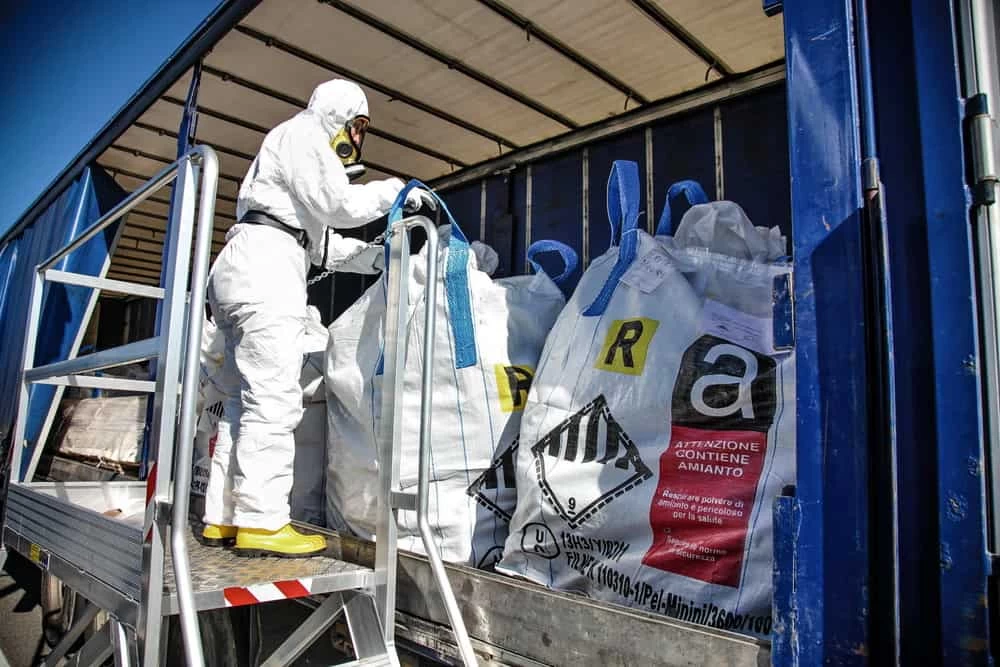
Howard Beach homes hide decades of risk behind old floors and ceilings. We remove it safely, legally, and completely. Most homes in this neighborhood were built between the 1940s and 1960s nearly all with asbestos-containing materials as standard construction. The floor tiles in your basement, the insulation wrapped around your steam pipes, the popcorn ceiling in the back bedroom these are the materials we see on every job we run in this ZIP code.
I needed a professional consultation explanation of procedure for safe removal of Asbestos in my apartment complex. Without having an account yet, I was very impressed with the caring, knowledgeable and generous advice offered by Jessica, and will look forward to doing business in the future. Thank you so much! I feel much more informed about a sometimes scary endeavor. Peace. Nancy Silva Mineola, NY.
Mia Munoz
Used this company to clean up some water flood in my house. They were fast and easy to work with.very professional, Would recommend to anyone!
Nini Valle
Great company, had a flood and they responded quickly and efficiently. Billed my insurance company directly. I highly recommend this company!
joe colapietro, jr
I had pipe freeze in my basement right before a snow storm and they made to within an hour to help start the clean up process. They we by our side throughout the entire process and even helped with the insurance company. They did such a great job with the cleanup, repair, remidiation, I contracted them to perform the repairs and finishes in the basement. They came with enough manpower and material to get the job done. Leo and Jessica were nothing but a pleasure to deal with!!
Cristian Arredondo c
I had some water damage in my home and Green Island was able to take care of my issue quickly and effectively. I am very pleased with the work they did. They responded quickly and were very professional.
Michael M
Outstanding service! From the office to the field crew everyone was friendly, helpful and responsive. I highly recommend Green Island Group.
When asbestos-containing materials are properly identified, contained, and removed, something shifts. Your renovation can move forward without a stop-work order. Your home sale doesn’t stall at the inspection table. Your contractor isn’t calling you mid-demo with a problem that shuts everything down. That’s what proper asbestos abatement actually delivers not just a clean air reading, but the ability to move forward without the thing hanging over you.
Howard Beach has a flood exposure problem that most of Queens doesn’t. When Jamaica Bay pushes water into your basement during a nor’easter or a high-tide event, it doesn’t just damage your floors it can disturb asbestos-containing materials that were sitting undisturbed for fifty years. That combination of water damage and hazardous material disturbance is something we handle together, under one contract, without sending you to find a second company to finish what the first one started.
Howard Beach sits inside New York City limits, which means asbestos abatement here runs through NYC DEP not just NYS DOL. That distinction matters more than most homeowners realize. Before a single tile comes up or a pipe gets touched, NYC DEP requires a certified asbestos investigator, an ACP-7 notification filed through their ARTS system, and an A-TRU permit. We hold NYS DOL Asbestos certification, operate within the NYC DEP Asbestos Control Program daily, and filed under the 2025 DEP rule amendments that took effect in February of this year.
We’ve run jobs throughout Queens Community District 10 from Old Howard Beach bungalows near Shellbank Basin to Lindenwood co-op buildings that haven’t touched their original pipe insulation since the Eisenhower administration. We know the housing stock here. We know the flood history. And we know what it takes to get a clearance certificate that actually holds up when your buyer’s attorney or your insurance adjuster looks at it.
It starts with an assessment. A certified asbestos investigator comes to your property, identifies the materials in the areas affected by your renovation or damage, and determines what needs to be tested. In Howard Beach, that typically means looking at 9×9 vinyl floor tiles and their black mastic adhesive, pipe insulation on steam heating systems, acoustic spray ceilings, and in some cases boiler insulation or HVAC duct wrap. If samples come back positive, we file the required NYC DEP notifications the ACP-7 through ARTS and obtain the A-TRU permit before any abatement work begins. That sequencing isn’t optional, and it’s one of the places where working with a contractor who knows the NYC DEP system saves you real time.
Once permits are in place, we set up full containment around the work area. Microtrap air scrubbers run continuously throughout the project, maintaining negative air pressure so fibers stay inside the containment zone and out of the rest of your home. The abatement itself is methodical materials are wetted, carefully removed, double-bagged in labeled disposal containers, and transported to a licensed facility. Nothing gets rushed.
When the removal is complete, we conduct post-removal air clearance verification a documented test that confirms the air in your home meets the standards required by NYC DEP and your insurance company. That clearance certificate is what lets your contractor pull the DOB permit, what satisfies your buyer’s attorney, and what gives you actual proof that the job was done right. If your project involves water damage alongside the asbestos which happens regularly in Howard Beach given the flood exposure along Jamaica Bay we handle the restoration work under the same contract, and we bill your insurance company directly.
Asbestos abatement in Howard Beach isn’t a single task it’s a sequence of steps that have to happen in the right order, documented correctly, and executed by a team that holds every credential the city requires. What you get from us is the full sequence: initial assessment by a certified investigator, laboratory testing, NYC DEP permit filing, full containment setup with Microtrap air scrubbers, licensed removal of asbestos-containing materials, proper disposal, and post-clearance air verification with documentation you can actually use.
The materials we most commonly handle in Howard Beach homes include vinyl floor tiles and black mastic adhesive the 9×9 tiles found in nearly every pre-1980 Cape Cod and high-ranch basement in this neighborhood along with pipe insulation on steam and hot water heating systems, popcorn and acoustic spray ceilings common in homes built through the early 1970s, boiler insulation, and joint compound in walls and ceilings. For Lindenwood co-op and condo buildings undergoing capital improvements, we handle building-wide asbestos assessments and abatement that comply with NYC DEP commercial project requirements, and our NYS MBE, WBE, and NYC MWBE certifications make us an eligible contractor for projects with diversity spend requirements.
We also hold a New York City General Contractor license, which means reconstruction after abatement replacing the floor, repairing the ceiling, restoring the basement is part of what we can do without handing you off to someone else. One company, one contract, one clearance certificate at the end.
Does flood damage in my Howard Beach home create an asbestos risk?
It can, and in Howard Beach specifically, this is a real and recurring scenario. When floodwater enters an older home whether from a Jamaica Bay storm surge, a nor’easter, or a pipe freeze in the middle of winter it can physically disturb asbestos-containing materials that were previously intact and posing no immediate risk. The most common culprits are basement floor tiles and their adhesive, pipe insulation in mechanical rooms, and ceiling tiles in finished lower levels. Once those materials are disturbed and fibers become airborne, you have a hazardous materials situation on top of a water damage situation.
The right move is to stop work and have the area assessed by a certified asbestos investigator before any cleanup or demo continues. We handle both the asbestos abatement and the water damage restoration, so you’re not coordinating between two separate companies while your basement sits wet. We respond to Howard Beach addresses within one hour and can assess the situation the same day. If asbestos abatement is part of a covered insurance event, we handle the billing directly.
Do I need NYC DEP approval before removing asbestos in my Queens home?
Yes and this is one of the most important things to understand before you start any renovation in Howard Beach. Because the neighborhood sits within New York City limits, asbestos abatement here is governed by NYC DEP, not just NYS DOL. Before any asbestos-containing material is disturbed, you need a survey completed by a DEP-certified asbestos investigator, an ACP-7 notification filed through NYC DEP’s ARTS online system, and an A-TRU permit issued before work begins. The 2025 DEP rule amendments that took effect in February also added new requirements around on-site presence and variance applications that not every contractor is up to speed on.
Skipping these steps doesn’t just create a regulatory problem it can void your insurance coverage, trigger stop-work orders from the NYC Department of Buildings, and create liability issues if you’re selling the property. If your renovation requires a DOB permit, the DOB will want to see documentation that asbestos requirements have been satisfied before that permit is issued. Working with a contractor who handles the filings, knows the ARTS system, and has done this under the current DEP rules is the difference between a smooth project and one that stalls for weeks.
How do I know if my Howard Beach home actually has asbestos?
You can’t tell by looking at it. Asbestos-containing materials look identical to non-asbestos versions the only way to know is to have a sample tested by an accredited laboratory. If your home was built before 1980 and you’re in Howard Beach, the odds are significant. The neighborhood’s housing stock is concentrated in the 1940–1969 construction era, and asbestos was a standard building material throughout that entire period. The most common locations are 9×9 vinyl floor tiles and the black adhesive beneath them, pipe insulation on steam heating systems, acoustic spray or popcorn ceilings applied through the early 1970s, boiler wrap, and textured wall and ceiling plaster.
The trigger for testing is usually a planned renovation you’re replacing the kitchen floor, finishing the basement, or updating the bathroom and your contractor flags the tiles or ceiling material as suspect. It can also be triggered by a home inspection during a sale, or by damage from flooding or a pipe failure. In any of those cases, the right first step is a certified asbestos investigator, not a general contractor making a judgment call on-site. The test itself is not expensive, and it tells you exactly what you’re dealing with before anything gets disturbed.
How long does asbestos abatement take in a typical Howard Beach house?
It depends on the scope, but for a typical single-family home in Howard Beach a Cape Cod or high-ranch with asbestos floor tiles in the basement or a popcorn ceiling in one or two rooms the abatement work itself usually takes one to three days once permits are in place. The permitting process with NYC DEP adds time on the front end, which is why starting the assessment and notification process as early as possible matters, especially if you’re working against a renovation timeline or a real estate closing date.
Larger projects full basement abatement, pipe insulation removal throughout a multi-story home, or a Lindenwood co-op building with building-wide asbestos take longer, and the permit and air monitoring requirements scale accordingly. Post-removal air clearance testing adds time at the end, but it’s not optional and it’s not something you want to skip. That clearance documentation is what your insurance company, your real estate attorney, and the NYC DOB need to see before anything moves forward. We’ll give you a realistic timeline during the initial assessment so you’re not guessing.
What happens to my home sale in Howard Beach if asbestos is discovered during inspection?
It doesn’t have to kill the deal, but it does create a deadline. In Howard Beach’s current real estate market where homes are moving in under 25 days and median values are approaching $885,000 a pre-sale asbestos finding is a high-stakes, time-sensitive situation. Buyers’ attorneys and title companies want documentation that the issue was assessed, abated by a licensed contractor, and cleared by post-removal air testing before they’ll proceed. Without that paperwork, the transaction stalls.
The practical path forward is to move quickly. Get a certified investigator on-site, get the NYC DEP notifications filed, and get the abatement scheduled as fast as permits allow. We’ve handled pre-sale abatement projects in Howard Beach where the timeline was tight and the documentation requirements were specific we know what the clearance certificate needs to say and how to get it in your hands in a format that satisfies the other side of the transaction. If you’re mid-deal and just got a call from your real estate agent about a flagged material, reach out immediately. The sooner the assessment starts, the more options you have.
Does homeowners insurance cover asbestos abatement after storm or water damage in Howard Beach?
Sometimes and the answer depends heavily on how the asbestos was disturbed and what your policy covers. If flooding, a pipe failure, or storm damage caused the disturbance of asbestos-containing materials, and your policy covers the underlying damage event, there’s a reasonable basis to include the asbestos abatement as part of the claim. Howard Beach homeowners know better than most how complicated insurance claims can get after a major event the post-Sandy experience left a lot of families fighting for coverage that should have been straightforward.
The key is documentation. Insurers need to see that the asbestos disturbance was directly tied to the covered event, that abatement was performed by a licensed contractor, and that post-clearance air testing was completed. We handle insurance billing directly we document the work in the format adjusters require, communicate with your insurer on your behalf, and reduce the back-and-forth that turns a legitimate claim into a months-long negotiation. If you’re dealing with flood damage in an older Howard Beach home and you’re not sure whether asbestos is part of the picture, the safest move is to get an assessment before any cleanup work continues.