Huntington's Older Homes Deserve More Than a Guess
If your home was built before 1980, asbestos abatement in Huntington, NY isn’t a maybe it’s something worth knowing for certain. We give you that certainty.
I needed a professional consultation explanation of procedure for safe removal of Asbestos in my apartment complex. Without having an account yet, I was very impressed with the caring, knowledgeable and generous advice offered by Jessica, and will look forward to doing business in the future. Thank you so much! I feel much more informed about a sometimes scary endeavor. Peace. Nancy Silva Mineola, NY.
Mia Munoz
Used this company to clean up some water flood in my house. They were fast and easy to work with.very professional, Would recommend to anyone!
Nini Valle
Great company, had a flood and they responded quickly and efficiently. Billed my insurance company directly. I highly recommend this company!
joe colapietro, jr
I had pipe freeze in my basement right before a snow storm and they made to within an hour to help start the clean up process. They we by our side throughout the entire process and even helped with the insurance company. They did such a great job with the cleanup, repair, remidiation, I contracted them to perform the repairs and finishes in the basement. They came with enough manpower and material to get the job done. Leo and Jessica were nothing but a pleasure to deal with!!
Cristian Arredondo c
I had some water damage in my home and Green Island was able to take care of my issue quickly and effectively. I am very pleased with the work they did. They responded quickly and were very professional.
Michael M
Outstanding service! From the office to the field crew everyone was friendly, helpful and responsive. I highly recommend Green Island Group.
Huntington’s postwar housing boom left behind a lot of great neighborhoods and a lot of mid-century building materials that weren’t exactly built with your health in mind. The Cape Cods and split-levels throughout Huntington Station, Commack, and Dix Hills were constructed during the height of asbestos use. Popcorn ceilings, vinyl floor tiles, pipe insulation, and duct wrap from that era commonly contain asbestos, and most of it has never been touched.
Once it’s properly removed and cleared, you stop managing a liability and start moving forward. Whether that means your renovation can finally proceed, your home sale doesn’t get derailed at inspection, or you simply stop wondering what’s in the ceiling above your kids’ bedroom the outcome is the same. The problem is gone, documented, and done right.
In a market where Huntington homes are selling at a median of over $950,000, unresolved asbestos issues don’t just create health risk. They create real financial exposure. Buyers at this price point will not overlook it, and neither will their attorneys. Getting ahead of it with a licensed contractor and proper clearance paperwork is the only move that protects both your family and your investment.
We Know Huntington's Building Stock. That Matters Here.
We’re a Long Island-based asbestos abatement company serving residential and commercial properties across Suffolk County, including the full scope of the Town of Huntington from Huntington Village and Halesite to Cold Spring Harbor, Centerport, Melville, and everywhere in between.
This isn’t a national chain dispatching a crew that’s never been to Long Island. The people who show up to your home understand the specific construction patterns of Huntington what materials were used in a 1962 Huntington Station ranch, what to expect in a Dix Hills split-level from 1968, and what a pre-sale abatement job needs to look like when a buyer’s attorney is waiting on clearance documentation.
We hold all required New York State licenses and certifications under NYSDOL’s Industrial Code Rule 56. Every project is handled with the full compliance framework that New York demands from pre-project notification through final air clearance testing.
It starts with an assessment. Before anything is touched, the suspected materials are identified and tested. In older Huntington homes, that often means checking multiple areas popcorn ceilings, floor tiles, pipe insulation around the boiler, and duct wrap in the basement. You’ll know exactly what’s there and what needs to be addressed before any work begins.
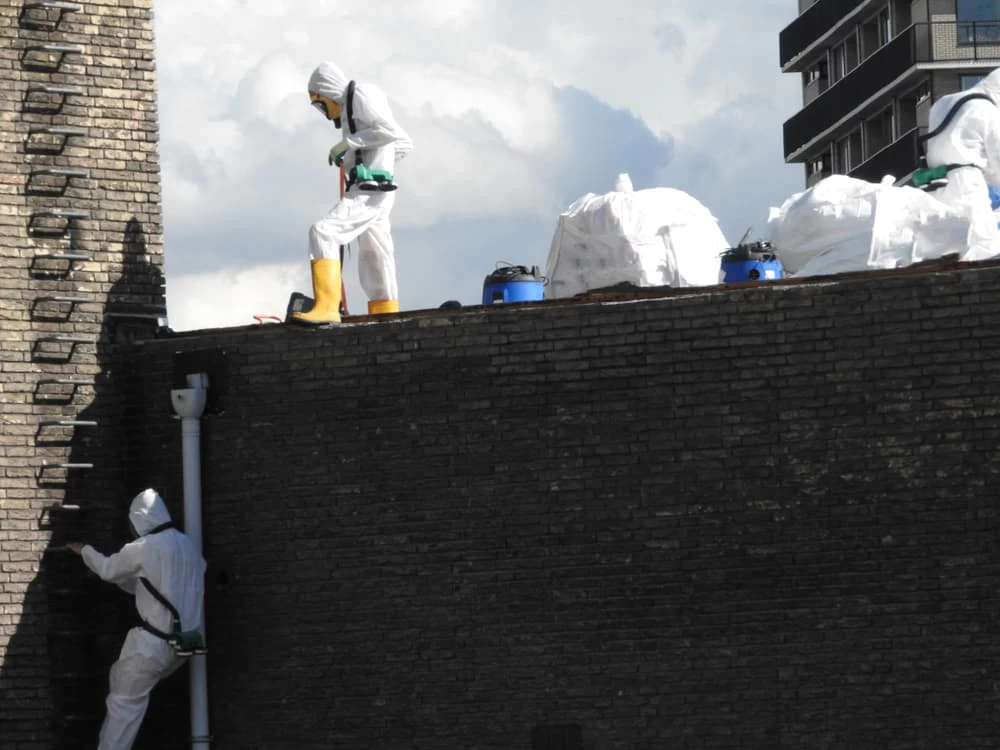
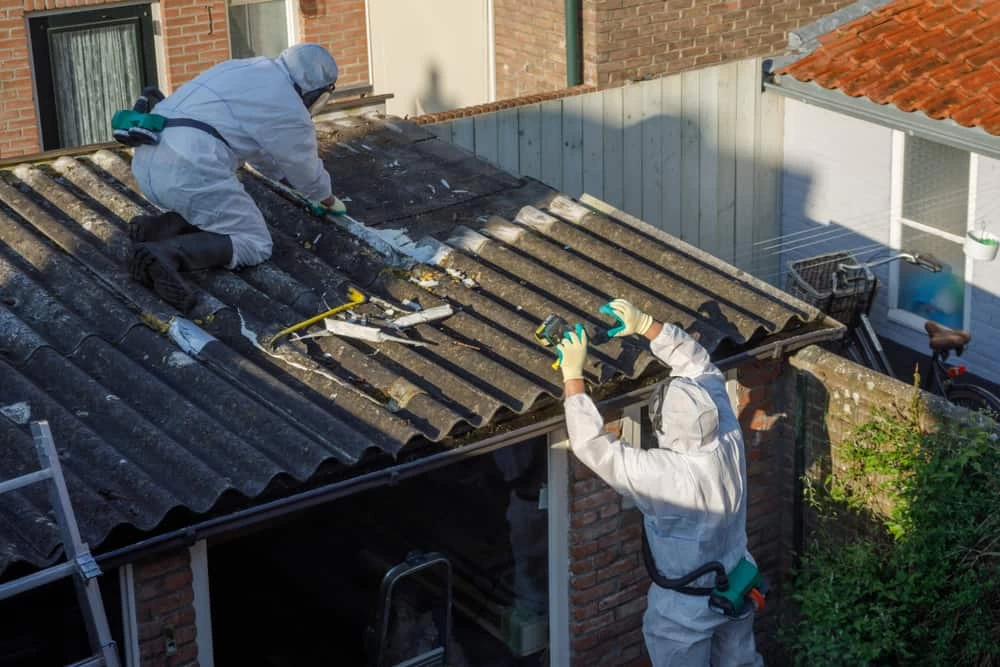
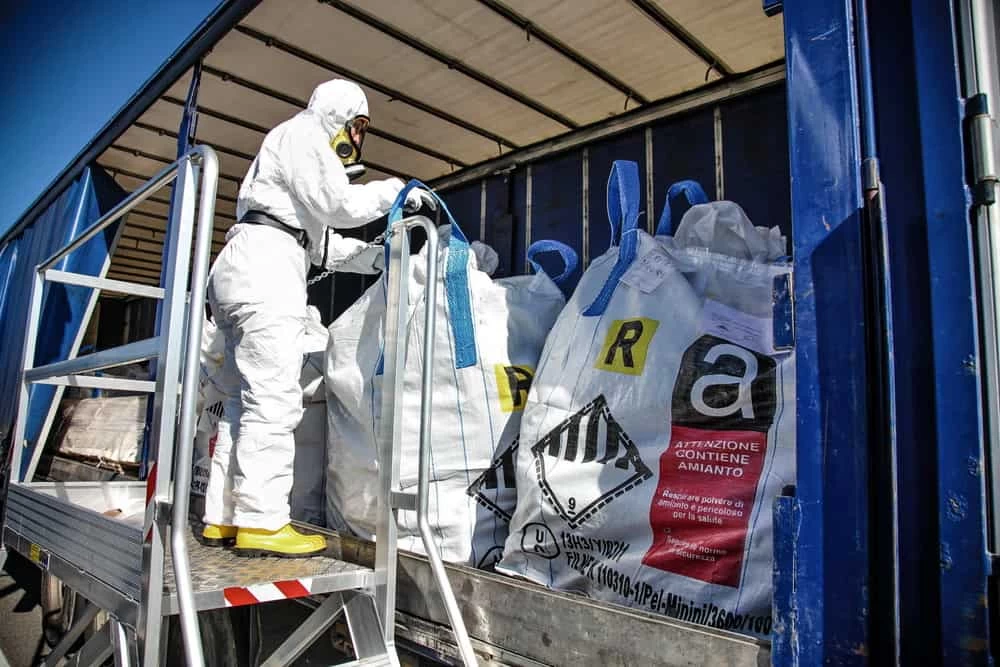
From there, the work area is properly contained. This isn’t just plastic sheeting it’s a regulated containment setup that follows NYSDOL requirements, designed to prevent fiber migration into the rest of the home during removal. Air monitoring runs throughout the job. Once the material is removed, we package it and transport it as regulated asbestos-containing waste under NYSDEC guidelines not tossed in a dumpster, not handled casually.
The final step is post-abatement air clearance testing. This is what produces the documentation you’ll actually need whether that’s for your own peace of mind, for a contractor who needs to proceed with your renovation, or for a buyer’s attorney reviewing the property before closing. In Huntington’s competitive real estate market, that clearance certificate isn’t a formality. It’s what closes deals.
Asbestos Tile and Popcorn Ceiling Removal Huntington, NY
What's Included When You Call Us
Asbestos abatement isn’t one-size-fits-all, and the specific materials involved in a Huntington home vary depending on when it was built and what’s been done to it since. The most common issues we see across Huntington are asbestos popcorn ceiling removal in homes built between the 1950s and late 1970s, asbestos tile removal involving 9×9 or 12×12 vinyl floor tiles and their black mastic adhesive, and pipe and boiler insulation in older homes with original steam heating systems which are common throughout Huntington Village, Halesite, and Cold Spring Harbor.
Every project we handle includes the full scope: initial assessment and material identification, regulated containment setup, licensed removal, compliant waste packaging and transport under NYSDEC requirements, and final post-abatement air clearance testing with written documentation. There are no handoffs to subcontractors, no steps left to the homeowner to coordinate separately.
For commercial properties particularly in Melville’s corporate corridor, where office renovations and building updates are ongoing we handle the scale and documentation requirements that commercial projects demand. If you’re a property manager, building owner, or contractor who needs a licensed abatement partner for a larger job, the same full-service process applies. The compliance requirements don’t change based on the size of the project, and neither does our standard of work.
Does my Huntington home built in the 1960s likely have asbestos in it?
The honest answer is: probably yes, in at least one material. Homes built during Huntington’s postwar suburban boom which covers most of the housing stock in Huntington Station, Commack, Dix Hills, and Elwood were constructed during the peak years of asbestos use in residential building materials. The most common places it shows up are acoustic spray (popcorn) ceilings, 9×9 vinyl floor tiles and their adhesive backing, pipe insulation on steam heating systems, and insulation around ductwork and HVAC components in the basement.
That doesn’t mean every material in your home is a problem. Asbestos-containing materials that are in good condition and not being disturbed are generally considered stable. The risk comes when those materials are damaged, deteriorating, or about to be disturbed by renovation work. If you’re planning any kind of renovation, or if you’ve noticed crumbling ceiling texture or cracked floor tiles, having the materials tested before anything is touched is the right first step and in New York, it’s the legally required one before renovation or demolition work begins.
Do I legally need a licensed contractor for asbestos removal in New York State?
For most situations, yes and the exceptions are narrower than people expect. New York State’s Industrial Code Rule 56, enforced by the NYSDOL’s Asbestos Control Bureau, requires that asbestos abatement work be performed by a licensed and certified contractor. There is a homeowner exemption that applies to owner-occupied single-family residences, but it comes with significant limitations on scope and doesn’t apply to rental properties, commercial buildings, or projects that exceed the exemption thresholds.
In practical terms, if you’re selling your Huntington home, the exemption doesn’t help you because you need documented, licensed abatement to satisfy a buyer’s due diligence. If you’re doing a renovation that requires a building permit, the permit process will trigger the state-level asbestos review requirements automatically. And if you’re dealing with a commercial property anywhere in Suffolk County, there’s no exemption at all. The safer and smarter path legally and financially is working with a licensed contractor from the start.
How does asbestos abatement affect a home sale in Huntington's real estate market?
In Huntington’s market, where median sale prices are pushing past $950,000 and buyers are doing thorough due diligence, asbestos issues that surface during inspection can stall or kill a transaction. Buyers at this price point typically have experienced real estate attorneys reviewing environmental disclosures, and a positive asbestos test without documented remediation gives them significant leverage either to renegotiate the price or walk away entirely.
What protects you as a seller is proper abatement with complete documentation: a pre-abatement survey, air monitoring records during the job, and a post-abatement clearance certificate from a licensed contractor. That paperwork is what satisfies a buyer’s attorney and keeps the deal moving. Getting the abatement done before you list rather than scrambling to address it under contract pressure puts you in a much stronger negotiating position and avoids the delays that can cost you a buyer in a fast-moving market.
What does asbestos abatement actually cost for a typical Long Island home?
Cost varies depending on what materials are involved, how much of it there is, and where it’s located in the home. A single contained area like asbestos tile removal in one room, or popcorn ceiling removal in a basement is generally a more straightforward project. A whole-house assessment that uncovers multiple affected materials across several areas will take more time, more containment setup, and more air monitoring, which affects the total cost.
What’s worth keeping in mind for Huntington homeowners specifically is the context: you’re dealing with a property that likely has significant equity, in a market where buyers are paying close to or above asking price. The cost of licensed abatement which typically runs in the range of a few hundred dollars for limited scope work up to several thousand for more extensive projects is almost always a fraction of what an unresolved asbestos issue could cost you in a failed sale or price reduction. Getting a site assessment is the right first step, because there’s no accurate number without knowing exactly what’s there.
Can my renovation contractor just work around the asbestos instead of removing it?
In some cases, encapsulation sealing the material rather than removing it is a recognized approach under New York State regulations. But it’s not a blanket solution, and it doesn’t work in every situation. Whether encapsulation is appropriate depends on the condition of the material, where it’s located, and what work is being done around it. If your contractor needs to cut into, disturb, or remove the material as part of the renovation scope, encapsulation isn’t an option the material has to come out first.
There’s also a practical consideration: if you’re planning to sell the home at any point, encapsulation requires its own documentation, and some buyers and their attorneys will push for full removal regardless. In Huntington’s market, where homes are selling quickly and buyers have options, presenting a property with encapsulated asbestos rather than fully abated and cleared materials can still create friction at the negotiating table. It’s worth having a licensed contractor assess the specific situation and give you an honest read on which approach actually makes sense for your project.
How long does an asbestos abatement job typically take in a residential home?
Most residential asbestos abatement projects in a Huntington home take anywhere from one day to several days, depending on the scope. A single-room popcorn ceiling removal or a contained floor tile project in a basement is often completable in a day. A larger scope multiple rooms, pipe insulation throughout the basement, or a combination of materials takes longer, and the post-abatement air clearance testing adds time before the space can be reopened.
One thing that affects timing in New York specifically is the pre-project notification requirement. For certain project types and scales, NYSDOL requires advance notice before abatement work begins which means the scheduling process needs to account for that lead time. We handle this as part of the project coordination, so you’re not left figuring out the regulatory calendar on your own. If you’re working against a real estate closing deadline or a contractor’s start date, the earlier you call to get the assessment scheduled, the better your chances of keeping the timeline on track.