If your home was built before 1985 and you’re planning a renovation, there’s a real chance asbestos is involved and in New York State, that’s not something you handle without a licensed contractor.
I needed a professional consultation explanation of procedure for safe removal of Asbestos in my apartment complex. Without having an account yet, I was very impressed with the caring, knowledgeable and generous advice offered by Jessica, and will look forward to doing business in the future. Thank you so much! I feel much more informed about a sometimes scary endeavor. Peace. Nancy Silva Mineola, NY.
Mia Munoz
Used this company to clean up some water flood in my house. They were fast and easy to work with.very professional, Would recommend to anyone!
Nini Valle
Great company, had a flood and they responded quickly and efficiently. Billed my insurance company directly. I highly recommend this company!
joe colapietro, jr
I had pipe freeze in my basement right before a snow storm and they made to within an hour to help start the clean up process. They we by our side throughout the entire process and even helped with the insurance company. They did such a great job with the cleanup, repair, remidiation, I contracted them to perform the repairs and finishes in the basement. They came with enough manpower and material to get the job done. Leo and Jessica were nothing but a pleasure to deal with!!
Cristian Arredondo c
I had some water damage in my home and Green Island was able to take care of my issue quickly and effectively. I am very pleased with the work they did. They responded quickly and were very professional.
Michael M
Outstanding service! From the office to the field crew everyone was friendly, helpful and responsive. I highly recommend Green Island Group.
Your renovation doesn’t have to stay on hold. Once asbestos is properly identified, removed, and cleared by a licensed contractor, the work you planned can move forward legally, safely, and without the liability hanging over your head. That matters whether you’re finishing a basement, updating a kitchen, or prepping a property for sale.
A lot of Islandia’s residential neighborhoods were developed in the 1960s and 1970s, right when asbestos use in construction was at its peak. Floor tiles, pipe insulation, popcorn ceilings, joint compound these were standard materials in homes built during that era. If you’re in an Islandia home from that period, you’re not dealing with a rare situation. You’re dealing with a common one that just needs to be handled correctly.
The freeze-thaw cycles in central Suffolk County do real damage to older building materials over time. What was once a stable, non-friable tile or ceiling texture can crack and become a genuine air quality hazard after years of seasonal expansion and contraction. Getting ahead of that before demo begins is exactly what asbestos abatement is designed to do.
We’re a Long Island-based asbestos abatement contractor serving homeowners and commercial property owners throughout Suffolk County. The 631 area code isn’t just a number it means we know Islandia, we know the Town of Islip permitting environment, and we’re not routing your call through a national dispatch center.
Every project we take on is performed under New York State Industrial Code Rule 56 the state law that governs all asbestos abatement work in New York. That means licensed workers, proper containment, documented disposal, and clearance air testing when the job is done. Not shortcuts. Not approximations.
Islandia sits right at the center of Long Island, straddling the LIE between Hauppauge, Ronkonkoma, and Central Islip. We serve the entire area, and our team is familiar with the building stock, the local contractors, and what it takes to keep a project moving in this part of Suffolk County.
Asbestos Remediation Process for Islandia Homeowners
No Surprises Here's Exactly What the Process Looks Like
It starts with an asbestos inspection. We send a certified inspector to the property to identify materials that may contain asbestos and collect samples for laboratory analysis. In Islandia homes built before 1985 which covers a significant portion of the village’s residential stock that typically means checking floor tiles, pipe and boiler insulation, ceiling textures, joint compound, and roofing materials. You get a clear report of what was found and where.
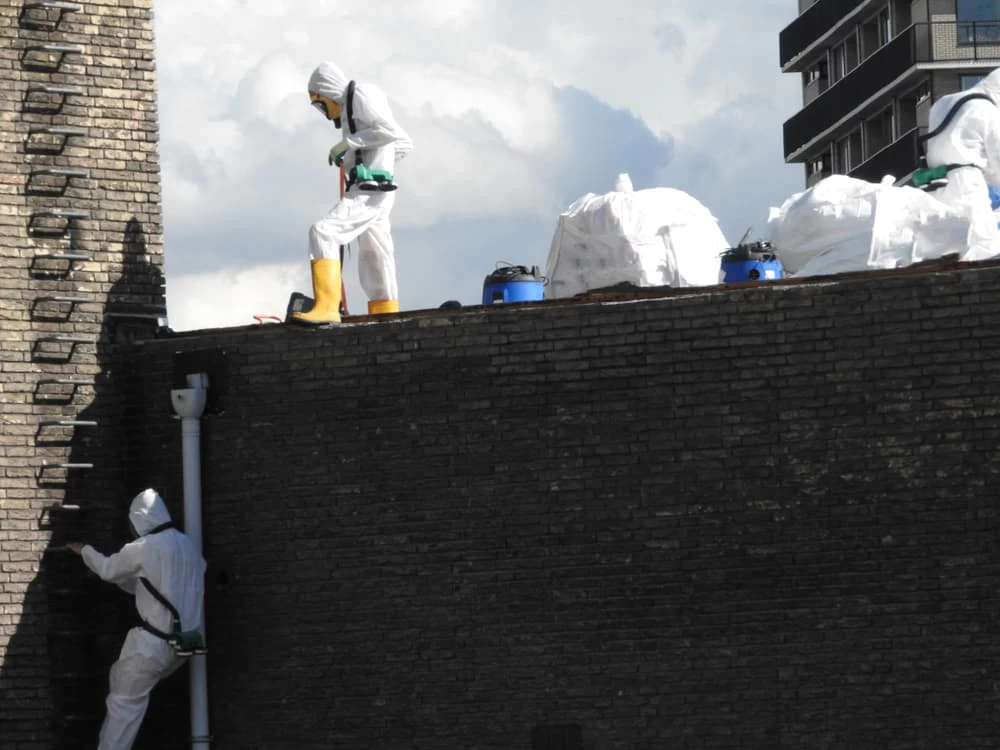
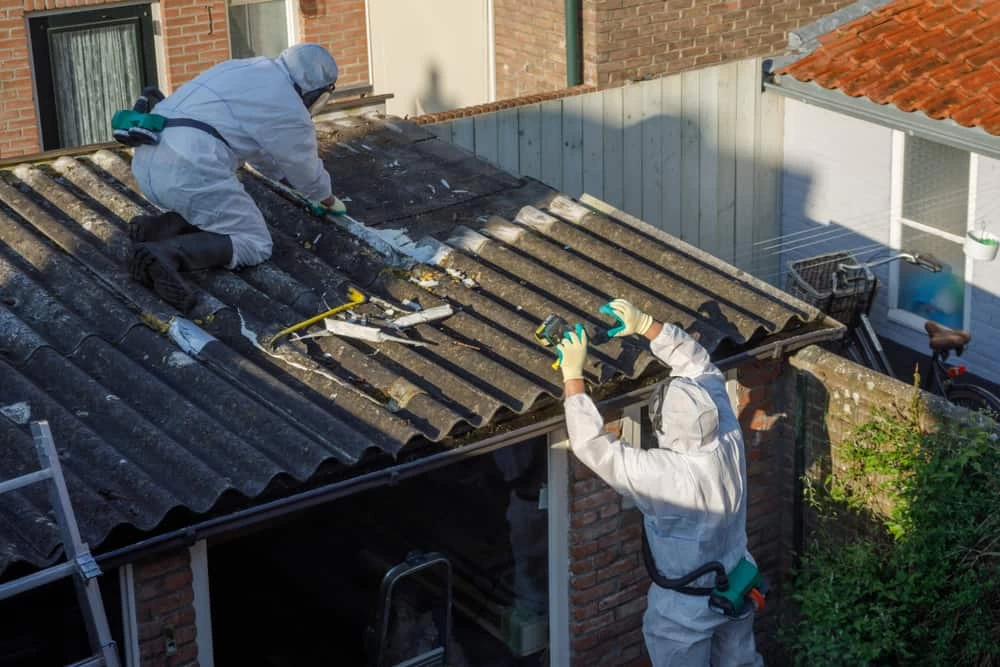
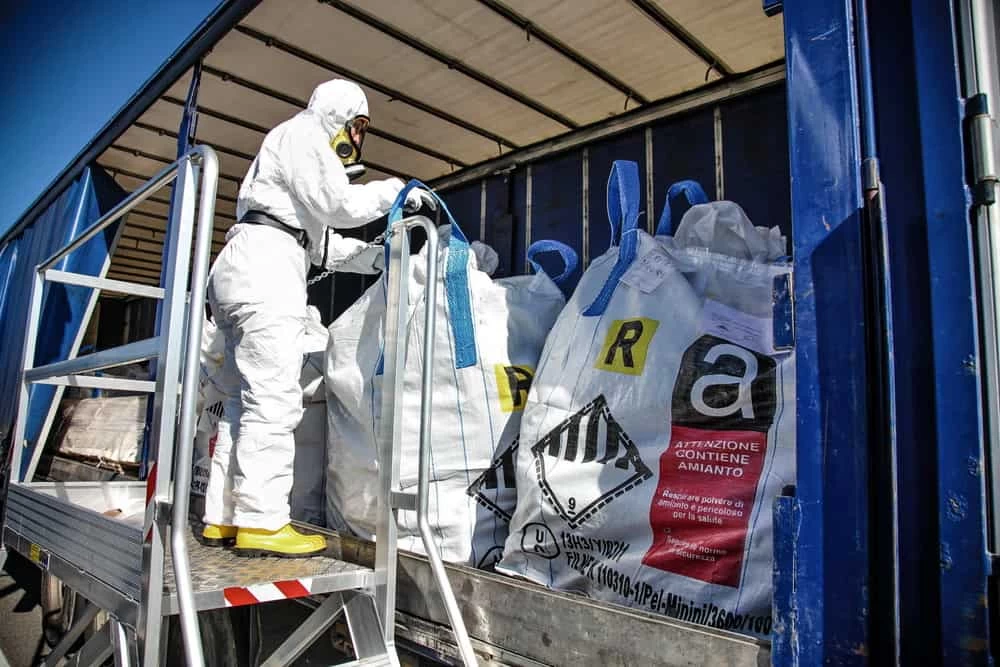
If asbestos-containing materials are confirmed, the abatement phase begins. We seal off the work area with containment barriers and place it under negative air pressure to prevent fiber migration. Our workers in full protective equipment remove the materials using wet methods to suppress dust, then package everything for disposal at a NYS DEC-approved facility. This isn’t a process you can safely shortcut and under ICR 56, it’s also not a legal option to try.
Once removal is complete, the space goes through post-abatement clearance air testing. An independent analysis confirms that fiber levels are within safe limits before containment comes down and your contractor can return. We document the full project from start to finish which matters when you’re pulling permits through the Village of Islandia’s building department or closing on a sale.
Asbestos Tile and Popcorn Ceiling Removal in Islandia
What We Handle for Islandia Homeowners and Businesses
The most common asbestos abatement requests we receive in Islandia involve three things: floor tile removal, pipe and boiler insulation, and textured ceiling materials. Vinyl asbestos floor tiles typically the 9×9 inch variety in beige, brown, or speckled patterns were standard in kitchens, bathrooms, and basements throughout the 1960s and 1970s. If you’re finishing a basement or pulling up old flooring in an Islandia home from that era, there’s a real chance those tiles need to be tested before anyone touches them. We handle asbestos tile removal with full containment and compliant disposal, so your renovation timeline doesn’t get derailed by a misstep.
Popcorn ceiling removal is another frequent call. Textured acoustic spray ceilings were applied in homes across central Suffolk County through the mid-1980s, and many of them contain asbestos. You can’t sand them, scrape them, or paint over them without professional abatement if testing confirms asbestos is present. The same applies to pipe insulation in older mechanical rooms and basements disturbing that material without proper containment is a health risk and a legal violation.
Beyond residential work, we also serve commercial property owners in Islandia’s growing industrial corridor. With the former Computer Associates campus on Old Nichols Road now being redeveloped into nearly a million square feet of industrial space, there’s active demolition and construction happening in the village right now and that work requires licensed asbestos abatement at every stage.
Does my Islandia home actually need an asbestos test before renovating?
If your home was built before 1985 and you’re planning any work that could disturb existing materials flooring, ceilings, walls, insulation, roofing then yes, a pre-renovation asbestos survey is legally required under New York State Industrial Code Rule 56. This applies to both homeowners and contractors. It’s not optional, and it’s not something that gets waived based on the size of the project.
Islandia’s residential neighborhoods were largely developed in the 1960s and 1970s, which means a large portion of the village’s housing stock falls squarely within the high-probability asbestos era. The materials most commonly found to contain asbestos in homes from this period include vinyl floor tiles, joint compound, pipe and boiler insulation, popcorn ceiling texture, and certain roofing products. A certified inspection tells you exactly what you’re dealing with before anyone picks up a tool.
What happens if a contractor disturbs asbestos before it's been tested?
If a contractor disturbs suspected asbestos-containing material without a prior survey and licensed abatement, work has to stop immediately. The area needs to be sealed off, and a licensed abatement contractor has to be brought in to assess the situation and remediate it properly. That’s an emergency abatement scenario and it almost always costs significantly more than if the survey had been done upfront.
Beyond the cost, there’s a real health concern. Once asbestos fibers are airborne, they don’t settle quickly. They can remain suspended for hours and spread through HVAC systems or open doorways. If this happens in an occupied home, that’s a serious problem. Getting the survey done before renovation begins isn’t just about compliance it’s about protecting everyone on the job site and everyone living in the house.
How long does asbestos abatement typically take for a residential project?
For most residential jobs a floor tile removal, a section of pipe insulation, or a popcorn ceiling in one or two rooms the abatement itself usually takes one to three days. The full timeline from initial inspection to clearance air testing is typically one to two weeks, depending on lab turnaround times and project scope.
Larger projects, or situations where multiple material types are involved across different areas of the home, can take longer. If you’re coordinating with the Village of Islandia’s building department for a renovation permit, it’s worth factoring in the abatement timeline before you schedule your general contractor. Starting the inspection process early gives you the most flexibility and prevents the kind of last-minute delays that push renovation timelines out by weeks.
Is asbestos abatement required before selling a home in Islandia, NY?
There’s no automatic legal requirement to abate asbestos before listing a home in New York State, but disclosure is required. If you know asbestos-containing materials are present, that information has to be shared with potential buyers. What often happens in practice is that a home inspector flags suspected ACMs during the buyer’s inspection, and the buyer’s attorney or lender requires professional abatement before the transaction can close.
In Islandia’s real estate market, where many homes are from the 1960s and 1970s, this situation comes up regularly. Having the abatement done proactively and having the documentation to prove it removes a major negotiating obstacle and keeps the closing on track. We provide the full project record, clearance air testing results, and licensed contractor certification that attorneys and lenders typically ask for.
What does asbestos abatement cost for a typical Islandia home project?
Cost depends on what materials are involved, how much area needs to be addressed, and the complexity of the containment required. For a straightforward residential job like asbestos tile removal in a basement or popcorn ceiling abatement in a single room you’re typically looking at a range of $1,500 to $4,000. Larger or more involved projects, such as whole-home pipe insulation removal or multi-room ceiling abatement, can run higher.
The honest framing here is that the cost of professional abatement is almost always less than the cost of the alternative. A work stoppage mid-renovation, an emergency abatement call, or a failed home inspection because of undisclosed asbestos all carry financial consequences that dwarf a straightforward upfront removal. For Islandia homeowners in older housing stock who are planning renovations or approaching a sale, getting the survey done early is the financially smarter move.
Can the asbestos abatement work affect getting my renovation permits in Islandia?
Yes, and it’s worth understanding how the two connect. The Village of Islandia has its own building department and issues permits independently as an incorporated municipality within the Town of Islip. For renovation projects that require a building permit, the village may ask for documentation confirming that any asbestos-containing materials in the affected area have been properly surveyed and abated before construction work begins.
Having your abatement completed by a NYS DOL-licensed contractor with the full project record and clearance air testing in hand is what satisfies that requirement. If you go into the permit process without it, you may face delays or conditions that hold up your approval. We provide all the documentation you need, and our team is familiar with how this plays out in Islandia specifically, including the coordination that sometimes happens between the village building department and the Town of Islip depending on the scope of the project.