If your home was built before 1980, asbestos abatement in Islip isn’t a maybe it’s a real possibility that needs a real answer before your renovation moves forward.
I needed a professional consultation explanation of procedure for safe removal of Asbestos in my apartment complex. Without having an account yet, I was very impressed with the caring, knowledgeable and generous advice offered by Jessica, and will look forward to doing business in the future. Thank you so much! I feel much more informed about a sometimes scary endeavor. Peace. Nancy Silva Mineola, NY.
Mia Munoz
Used this company to clean up some water flood in my house. They were fast and easy to work with.very professional, Would recommend to anyone!
Nini Valle
Great company, had a flood and they responded quickly and efficiently. Billed my insurance company directly. I highly recommend this company!
joe colapietro, jr
I had pipe freeze in my basement right before a snow storm and they made to within an hour to help start the clean up process. They we by our side throughout the entire process and even helped with the insurance company. They did such a great job with the cleanup, repair, remidiation, I contracted them to perform the repairs and finishes in the basement. They came with enough manpower and material to get the job done. Leo and Jessica were nothing but a pleasure to deal with!!
Cristian Arredondo c
I had some water damage in my home and Green Island was able to take care of my issue quickly and effectively. I am very pleased with the work they did. They responded quickly and were very professional.
Michael M
Outstanding service! From the office to the field crew everyone was friendly, helpful and responsive. I highly recommend Green Island Group.
You stop guessing. That’s the first thing. When you know the materials in your home have been tested, removed by a licensed crew, and cleared by air monitoring, you can move forward on the renovation, on the sale, on the permit without that thing sitting in the back of your mind.
For homeowners in Islip, that peace of mind matters more than it might somewhere else. A lot of the homes here were built during the post-war boom, when the Town of Islip’s population jumped from 71,000 in 1950 to over 280,000 by 1970. That era of construction is exactly when asbestos use peaked floor tiles, pipe insulation, ceiling texture, roofing felt. And because so many of these homes sit close to the Great South Bay, the coastal humidity and salt air accelerate deterioration. Materials that might stay stable inland can become friable faster here, which means the risk of airborne fiber release is higher than people expect.
Once the work is done right, you have documentation. A clearance report. Lab results. A remediation record that satisfies the Town of Islip Building Division and holds up in any future real estate transaction. That paper trail isn’t just bureaucratic it’s what protects you.
We’re a Suffolk County-based asbestos abatement and environmental remediation company. We work across Islip the hamlet itself, East Islip, West Islip, Bay Shore, Great River, Islip Terrace and we’ve been doing it long enough to know exactly what we’re walking into when we step inside a pre-1980 home south of Montauk Highway.
We’re not a national franchise. We’re a local crew that knows the difference between a 1920s Colonial with original steam heat pipes and a 1965 Cape Cod with 9×9 vinyl floor tiles. We know what the Town of Islip Building Division requires for a demolition permit, and we deliver the documentation in the format they actually accept. No back-and-forth, no permit holds, no surprises.
When you call us, you get a straight answer about what’s in your home, what needs to happen, and what it’s going to take to get there.
From First Call to Clearance Certificate No Guesswork
It starts with an assessment. We come out, walk the property, and identify any suspect materials floor tiles, pipe insulation, ceiling texture, roofing materials, duct wrap, whatever’s relevant to your project. We collect samples and send them to an accredited laboratory. You get actual results, not assumptions.
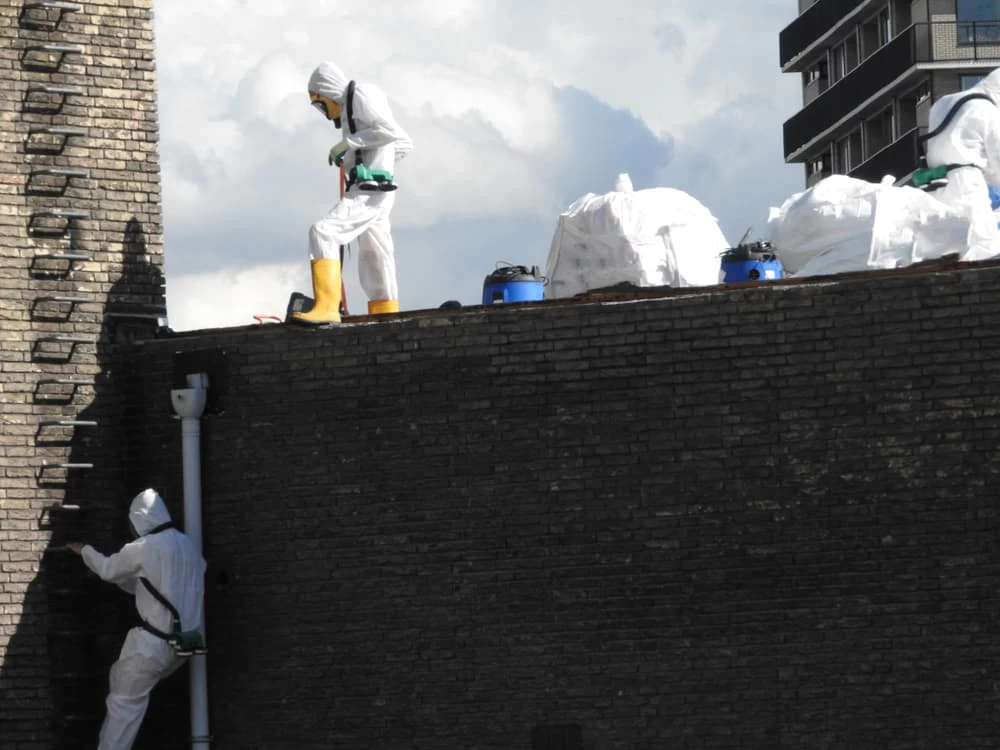
If asbestos is present, we build a scope of work and schedule the abatement. The work is done under New York State Industrial Code Rule 56 full containment, negative air pressure, licensed supervisors and handlers on-site. For Islip homeowners going through the Town of Islip permit process, this matters: the Building Division requires either a remediation report with lab results or a written certification of no asbestos before a demolition permit is issued. We know exactly what that documentation needs to look like, and we prepare it correctly the first time.
After abatement is complete, a licensed Air Monitoring Technician performs post-clearance testing to confirm the space is safe for re-occupancy. You receive a written clearance certificate you can keep on file, present to the building department, or hand over to a buyer’s attorney at closing. That’s the whole chain nothing left open.
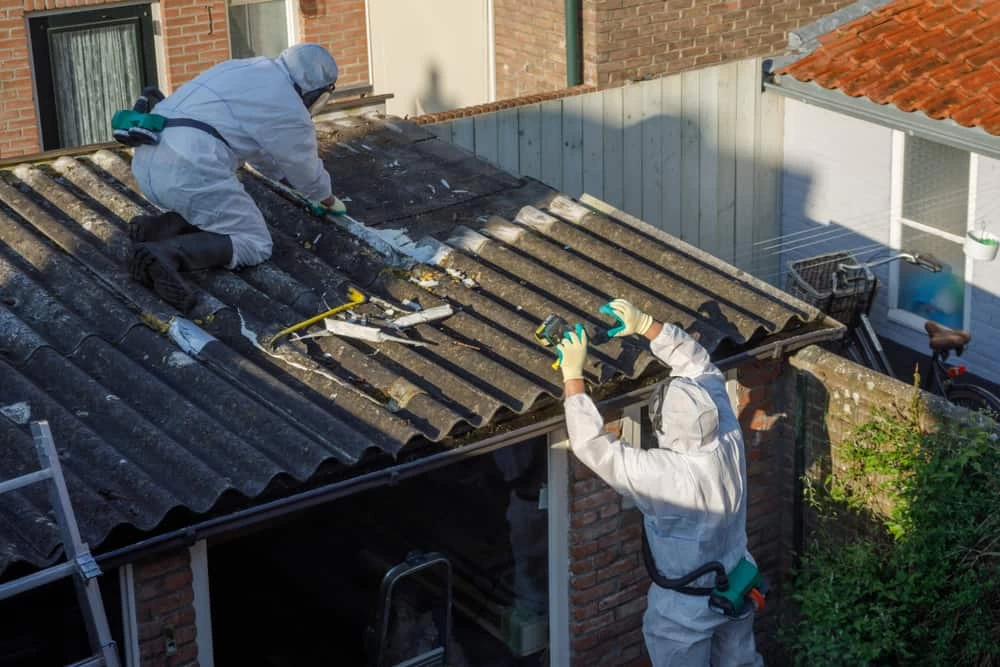
The homes in Islip aren’t all the same, and neither are the materials inside them. The older Victorians and Colonials closer to the bay often have asbestos-wrapped steam pipes and boiler insulation heating systems that were standard for their era and are still running in plenty of homes today. The mid-century stock the Capes and split-levels built during the post-war boom north of Sunrise Highway is where you find the 9×9 vinyl floor tiles with asbestos-containing mastic underneath, the acoustic popcorn ceiling texture, and the exterior asbestos cement shingles that were common through the 1970s.
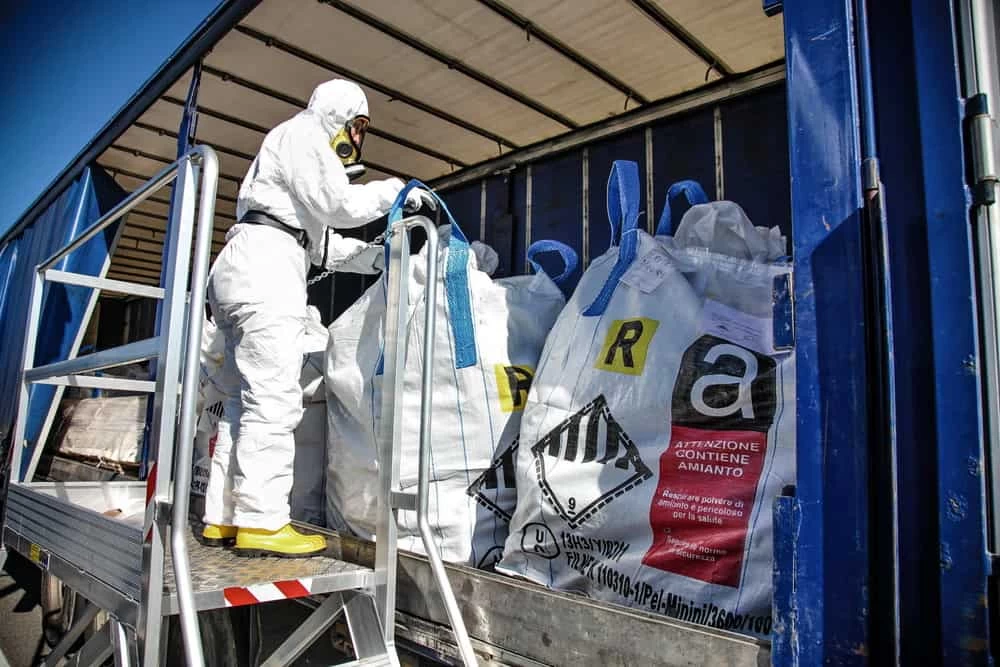
Asbestos tile removal means removing both the tile and the mastic beneath it. We don’t skip the mastic it’s still a regulated asbestos-containing material, and leaving it behind doesn’t satisfy the Town of Islip’s permit requirements or protect your family. Asbestos popcorn ceiling removal is done wet, under full containment, not dry-scraped into the air. Every project includes proper waste transport and disposal under NYS DEC requirements critical in a community as environmentally sensitive as Islip, with the Seatuck National Wildlife Refuge sitting at the hamlet’s southeastern edge.
Whether it’s a single bathroom floor, a full basement gut, or a whole-house pre-demolition survey, the scope is built around what your specific property actually has not a one-size-fits-all package.
Does the Town of Islip require asbestos testing before a demolition permit?
Yes and it’s a hard requirement, not a suggestion. The Town of Islip Building Division’s demolition permit application explicitly requires either a remediation report with lab results confirming asbestos was present and removed, or a written certification that no asbestos is present. You cannot get a demolition permit issued without addressing this first. A lot of homeowners find this out after they’ve already scheduled a contractor, which creates a delay they weren’t expecting.
The practical implication is that if you’re planning any demolition work even a partial gut renovation that requires a permit you need an asbestos assessment before that permit application goes in. For older homes in Islip, particularly anything built before 1980, the odds of finding at least one asbestos-containing material are high enough that it’s worth assuming you’ll need abatement and building that into your project timeline from the start. Getting ahead of it is always faster than reacting to a permit hold.
How do I know if my Islip home actually has asbestos in it?
You can’t tell by looking. Asbestos-containing materials don’t look different from non-asbestos versions the only way to know is to have a sample collected and tested by an accredited laboratory. That said, if your home was built or significantly renovated between 1945 and 1980, the probability is real. The post-war construction boom that shaped most of Islip’s residential neighborhoods used asbestos routinely in floor tiles, pipe and boiler insulation, ceiling texture, roofing felt, and exterior siding.
The materials we most commonly find in Islip-area homes of that era are 9×9 vinyl floor tiles (and the black mastic adhesive underneath them), acoustic popcorn ceiling texture in living rooms and hallways, and pipe wrap insulation on steam heating systems which are still common in Islip’s older Colonials closer to the bay. If you’re planning a renovation and your home falls in that construction window, the right move is to have it assessed before any demo work starts, not after.
What does asbestos abatement actually cost in Islip, NY?
It depends on the scope, and the scope depends on what’s actually in your home. A single-room floor tile removal in a smaller project might run in the range of a few hundred to a couple thousand dollars. A larger project full basement abatement, pipe insulation removal throughout an older Colonial, or a whole-house pre-demolition clearance can run significantly higher depending on the volume of material, the number of rooms involved, and whether the materials are friable or intact.
What’s worth understanding is that in Islip’s current real estate market, where median home values are approaching $587,000, the cost of abatement is almost always a fraction of what’s at stake in a renovation budget or a real estate transaction. Buyers’ attorneys are increasingly flagging asbestos findings as closing conditions, and a project that stalls because of a permit hold or an unresolved abatement issue costs far more in time and stress than the abatement itself. We give you a clear scope and a straight number before any work starts no surprises mid-project.
How long does the asbestos abatement process take from start to finish?
For most residential projects in Islip, the full timeline from initial assessment to final clearance documentation runs between one and two weeks, depending on the scope of work and lab turnaround times. The assessment and sample collection typically happen within a few days of your call. Lab results generally come back within two to five business days. Once we have confirmed findings and a scope of work, abatement scheduling depends on the size of the job a single-room project can often be completed in a day, while a larger whole-house scope takes longer.
Post-abatement air clearance testing is done after the containment is in place and the work is complete. That testing needs to pass before the space is re-occupied or opened up. If you’re working against a specific deadline a closing date, a renovation start date, or a permit submission window tell us that upfront. We build the schedule around your timeline where we can, and we’re direct with you when something isn’t realistic.
Is asbestos removal in Islip required even if the materials aren't damaged?
Not always but it depends on what you’re doing with the property. Intact, non-friable asbestos-containing materials that are not being disturbed can sometimes be left in place under a management plan rather than removed immediately. However, if you’re renovating, demolishing, or doing any work that will disturb those materials, removal is required before that work begins. New York State Industrial Code Rule 56 is clear on this: any renovation or demolition activity that will disturb asbestos-containing materials requires licensed abatement first.
For Islip homeowners specifically, the coastal environment adds a consideration that doesn’t apply everywhere. The humidity and salt air along the Great South Bay accelerate the deterioration of older building materials. Pipe insulation, ceiling texture, or floor tile adhesive that might stay stable in a drier inland environment can become friable faster in a bay-adjacent home. Even if a material looks intact today, it’s worth having it assessed if you’re in an older home near the water because the condition can change, and friable asbestos is a different situation than intact asbestos.
Can I sell my Islip home if asbestos was found during the inspection?
Yes but you need to handle it correctly, and the sooner you start, the better. When a home inspection identifies suspected asbestos-containing materials, buyers’ attorneys in Suffolk County routinely make remediation a condition of closing. That puts you on a clock, typically 30 to 60 days depending on the contract terms. The good news is that abatement can almost always be completed within that window if you move quickly and work with a contractor who understands the Town of Islip’s documentation requirements.
What matters to the buyer’s side isn’t just that the work was done it’s that the work was done by a licensed NYS contractor, with proper air monitoring, and with a written clearance certificate that confirms the space tested clean. That documentation is what satisfies the buyer’s attorney and the building department. We’ve worked with Islip homeowners in exactly this situation tight timelines, real estate transactions on the line and the key is getting the assessment scheduled immediately so you know the full scope before the negotiation gets complicated. Call us early, not after the closing date is already at risk.