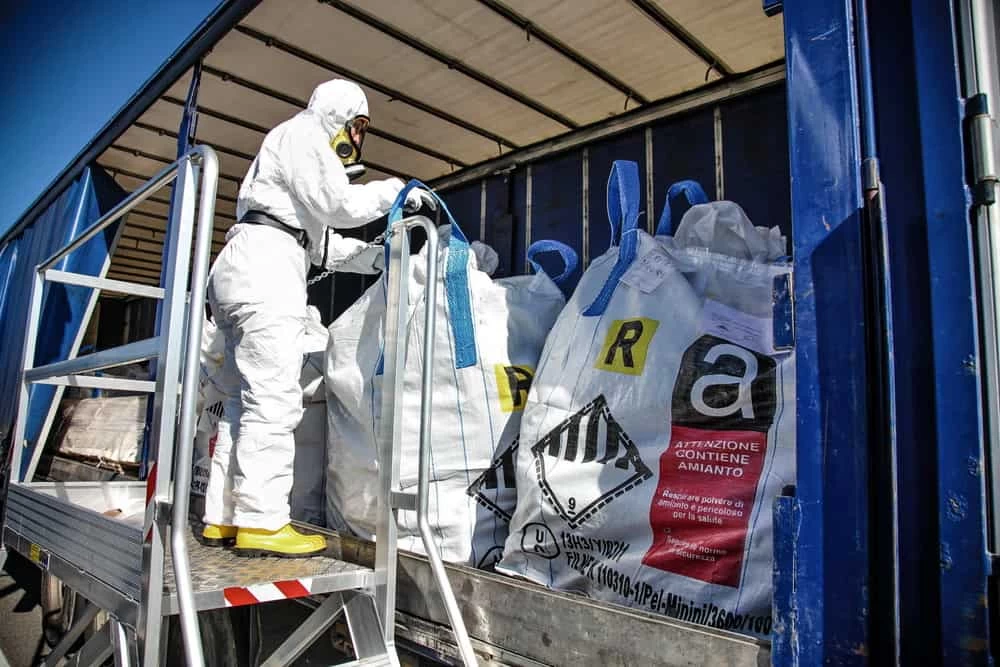
Pre-War Jackson Heights Buildings Need Answers Before Renovation
Most buildings in Jackson Heights were constructed before asbestos was regulated and if you’re renovating, your DOB permit depends on knowing what’s inside yours. We handle asbestos abatement in Jackson Heights from the first inspection to the final clearance certificate.
I needed a professional consultation explanation of procedure for safe removal of Asbestos in my apartment complex. Without having an account yet, I was very impressed with the caring, knowledgeable and generous advice offered by Jessica, and will look forward to doing business in the future. Thank you so much! I feel much more informed about a sometimes scary endeavor. Peace. Nancy Silva Mineola, NY.
Mia Munoz
Used this company to clean up some water flood in my house. They were fast and easy to work with.very professional, Would recommend to anyone!
Nini Valle
Great company, had a flood and they responded quickly and efficiently. Billed my insurance company directly. I highly recommend this company!
joe colapietro, jr
I had pipe freeze in my basement right before a snow storm and they made to within an hour to help start the clean up process. They we by our side throughout the entire process and even helped with the insurance company. They did such a great job with the cleanup, repair, remidiation, I contracted them to perform the repairs and finishes in the basement. They came with enough manpower and material to get the job done. Leo and Jessica were nothing but a pleasure to deal with!!
Cristian Arredondo c
I had some water damage in my home and Green Island was able to take care of my issue quickly and effectively. I am very pleased with the work they did. They responded quickly and were very professional.
Michael M
Outstanding service! From the office to the field crew everyone was friendly, helpful and responsive. I highly recommend Green Island Group.
When you’re dealing with a co-op renovation in Jackson Heights whether it’s a kitchen gut, a bathroom update, or a boiler replacement everything stops the moment asbestos comes up. The permit gets held. The contractor waits. The co-op board starts asking questions. What you actually need is someone who can move the whole thing forward, not just hand you a report and walk away.
Jackson Heights is one of the most architecturally intact pre-war neighborhoods in Queens. Buildings like Linden Court, The Chateau, and Dunolly Gardens were constructed in the 1920s and 1930s, when asbestos was standard in floor tile adhesive, pipe insulation, boiler wrap, and ceiling texture. Knowing that upfront means you can plan around it instead of getting blindsided mid-project.
Once abatement is complete and air clearance is confirmed, your renovation moves forward, your DOB permit clears, and your co-op board has the documentation it needs. No loose ends, no second contractor, no regulatory gaps.
We are a full-service environmental remediation contractor serving all five boroughs, including Jackson Heights and the surrounding Queens neighborhoods of Elmhurst, Woodside, and Corona. Our credentials NYS DOL Asbestos license, NYC DEP compliance authorization, NYC BIC certification, and NYC General Contractor license are all current and verifiable.
That combination matters in Jackson Heights because you’re not dealing with a simple single-family market. You’re managing co-op boards, shared building infrastructure, NYC DEP filing requirements, and in many cases, buildings that sit within the Jackson Heights Historic District which adds its own layer of scrutiny. A contractor who only does asbestos removal and hands the rest back to you isn’t enough for that environment.
We handle the full process: DEP-certified inspection, ACP-5 or ACP-7 filing, abatement, post-removal air testing, and reconstruction if needed. One team, one point of contact, and documentation that holds up to whatever your co-op board or the DOB asks for.
From Inspection to Clearance No Gaps, No Guesswork
It starts with a DEP-certified asbestos inspection. A licensed investigator assesses the materials in your space floor tiles, pipe insulation, ceiling texture, drywall compound, roofing and documents exactly what’s present. In a pre-war Jackson Heights building, this step is required before the NYC Department of Buildings will issue a permit for any renovation or alteration work.
If asbestos-containing materials are found, the results go to the NYC DEP through the ARTS system via an ACP-5 or ACP-7 form, depending on what the inspection turned up. We handle that filing directly. You don’t need to navigate the DEP’s system on your own or figure out which form applies to your situation.
Abatement follows with full containment, HEPA filtration, and proper disposal in accordance with NYC and NYS requirements. When the physical work is done, air quality is tested and verified before containment comes down. You receive a clearance certificate the document your co-op board, your insurance carrier, and the DOB need to confirm the job was done correctly. If reconstruction is needed after removal, that’s handled under the same contract.
Built for the Buildings Jackson Heights Actually Has
Asbestos shows up differently depending on the building, and Jackson Heights has a very specific building profile. The pre-war cooperatives along 82nd Street, 34th Avenue, and throughout the Historic District were built with vinyl asbestos tile on floors, asbestos-containing mastic underneath, pipe and boiler insulation throughout mechanical spaces, and in many cases, textured ceilings applied through the early 1970s. Post-war additions to the neighborhood the mid-century apartment buildings that filled in the blocks between Roosevelt Avenue and Northern Boulevard brought their own asbestos materials through the late 1970s.
Our asbestos removal services in Jackson Heights cover all of it: floor tile and mastic removal, pipe and boiler insulation abatement, popcorn ceiling and texture removal, drywall joint compound assessment, and roofing material remediation. For co-op boards managing building-wide infrastructure projects, the scope often extends into basement mechanical rooms, pipe chases, and shared hallways spaces that affect multiple units and require careful containment planning so residents aren’t displaced unnecessarily.
Every project includes post-removal air clearance testing using Microtrap air scrubbers, proper DEP documentation, and a clearance certificate. For properties within the Jackson Heights Historic District, work is conducted with awareness of LPC considerations that may apply to shared or exterior building elements. Whether you’re a unit owner planning a renovation, a co-op board replacing aging infrastructure, or a property manager handling a turnover project, the process is the same: thorough, documented, and compliant.
Do I need an asbestos inspection before renovating my Jackson Heights co-op apartment?
Yes and this isn’t optional. Under NYC Department of Buildings rules, any building constructed before 1987 requires an asbestos assessment before a permit can be issued for renovation or alteration work. Virtually every residential building in Jackson Heights falls into that category, including the pre-war cooperatives in the Historic District and the mid-century apartment buildings throughout the neighborhood.
The inspection needs to be conducted by a DEP-certified asbestos investigator. Once complete, results are filed with the NYC DEP through the ARTS system using either an ACP-5 form (if no regulated asbestos is present or the project qualifies for an exemption) or an ACP-7 form (if abatement is required). Your DOB permit won’t move forward until that filing is in place. If you’re working with a co-op board that requires its own documentation on top of the city’s requirements, the clearance certificate from a completed abatement project covers that as well.
What materials in a pre-war Jackson Heights apartment building typically contain asbestos?
The most common sources in Jackson Heights’s pre-war building stock are vinyl asbestos floor tiles and the black mastic adhesive underneath them, pipe and boiler insulation in mechanical rooms and pipe chases, textured or “popcorn” ceilings applied through the early 1980s, drywall joint compound in walls and ceilings, and roofing materials on flat-roof sections of the building.
Floor tile is probably the most frequently encountered material in individual unit renovations it was standard in kitchens and bathrooms throughout the 1920s, 1930s, and beyond. Pipe insulation is the most common issue in building-wide infrastructure projects, particularly boiler replacements and plumbing repairs in basement mechanical rooms. In buildings like those in the Dunolly Gardens or Hampton Gardens complexes, multiple material types often exist in the same space, which is why a thorough inspection rather than a visual-only assessment is always the right starting point.
How long does asbestos abatement typically take in a Queens apartment building?
It depends on the scope, but for a single residential unit in Jackson Heights a kitchen or bathroom renovation that turns up asbestos tile and mastic abatement typically runs one to three days once work begins. Building-wide projects involving pipe insulation, boiler rooms, or shared hallways take longer, often one to two weeks depending on the square footage, the number of material types involved, and the containment requirements.
The timeline also includes the DEP filing process before work starts and post-removal air testing after. Air clearance testing adds at least a day to the back end of any project, because the clearance has to be confirmed before containment comes down and the space is released. For co-op boards in Jackson Heights working around a building full of residents, that sequencing matters and it’s worth discussing during the initial inspection so the project schedule can be planned realistically from the start.
Who is responsible for asbestos abatement costs in a Jackson Heights co-op building?
This depends on where the asbestos is located and what your co-op’s proprietary lease says. Generally speaking, asbestos in a unit owner’s exclusive space floors, walls, ceilings within the apartment is the unit owner’s responsibility when that owner initiates a renovation. Asbestos in shared building infrastructure boiler rooms, pipe chases, common hallways, the roof is typically the co-op corporation’s responsibility, meaning the cost is handled at the building level, often through the operating budget or a special assessment.
In practice, many Jackson Heights co-op boards require unit owners to conduct an asbestos inspection as part of the alteration agreement process before any renovation begins. If abatement is required, the board may have specific contractor requirements or documentation standards. It’s worth reviewing your alteration agreement before starting any work, and it’s worth having a licensed contractor who can provide the documentation your board requires.
Is asbestos tile removal in Jackson Heights different from other types of asbestos abatement?
Asbestos tile removal specifically vinyl asbestos tile, or VAT is one of the most common abatement jobs in Jackson Heights, and it has its own set of considerations. The tile itself is often in manageable condition, but the black mastic adhesive underneath frequently contains asbestos as well, and it’s the mastic that requires the most careful handling. Scraping or grinding mastic without proper containment and HEPA filtration releases fibers into the air, which is why this work has to be done by a licensed abatement contractor, not a general flooring crew.
In a co-op setting, tile removal also needs to account for the unit below floor penetrations and the condition of the subfloor can affect how containment is set up and how long the work takes. A licensed contractor will assess all of that during the inspection phase so there are no surprises once abatement begins. Post-removal air testing applies to tile and mastic jobs the same as any other abatement scope, and the clearance certificate is required before new flooring goes in.
Does the Jackson Heights Historic District affect how asbestos abatement is handled?
The Historic District designation affects renovation work that touches the exterior or significant architectural features of designated buildings things like facades, windows, rooflines, and shared interior elements in landmark-designated structures. For most individual unit renovations, the NYC Landmarks Preservation Commission isn’t directly involved in the asbestos abatement process itself. But for building-wide projects that involve exterior elements or common areas of a designated building, LPC approval may be required alongside the standard NYC DEP asbestos filing.
Where this matters most in Jackson Heights is in boiler replacement projects, roof work, and facade repairs in the named complexes within the Historic District Linden Court, The Chateau, The Towers, and others. These projects often involve asbestos-containing materials in close proximity to protected architectural elements, which requires careful coordination between the abatement scope and any LPC requirements. A contractor familiar with both the DEP process and the general regulatory environment in landmark-adjacent work is better positioned to flag those intersections early, before they become delays.