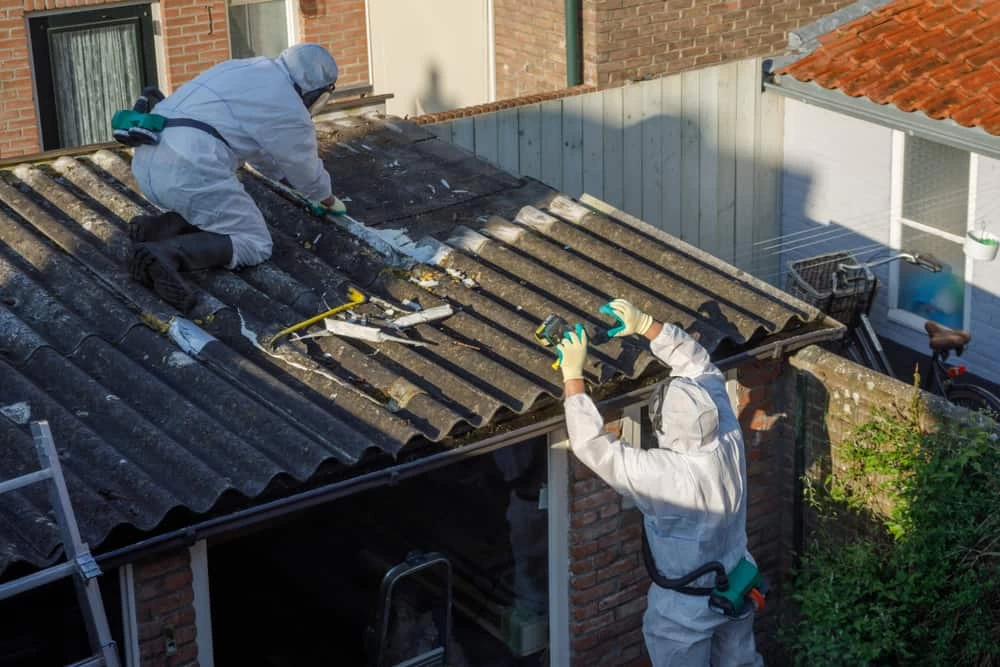
If your Katonah home was built before 1980, asbestos abatement isn’t a maybe it’s a real possibility worth knowing about before you renovate, list, or restore.
I needed a professional consultation explanation of procedure for safe removal of Asbestos in my apartment complex. Without having an account yet, I was very impressed with the caring, knowledgeable and generous advice offered by Jessica, and will look forward to doing business in the future. Thank you so much! I feel much more informed about a sometimes scary endeavor. Peace. Nancy Silva Mineola, NY.
Mia Munoz
Used this company to clean up some water flood in my house. They were fast and easy to work with.very professional, Would recommend to anyone!
Nini Valle
Great company, had a flood and they responded quickly and efficiently. Billed my insurance company directly. I highly recommend this company!
joe colapietro, jr
I had pipe freeze in my basement right before a snow storm and they made to within an hour to help start the clean up process. They we by our side throughout the entire process and even helped with the insurance company. They did such a great job with the cleanup, repair, remidiation, I contracted them to perform the repairs and finishes in the basement. They came with enough manpower and material to get the job done. Leo and Jessica were nothing but a pleasure to deal with!!
Cristian Arredondo c
I had some water damage in my home and Green Island was able to take care of my issue quickly and effectively. I am very pleased with the work they did. They responded quickly and were very professional.
Michael M
Outstanding service! From the office to the field crew everyone was friendly, helpful and responsive. I highly recommend Green Island Group.
Renovating a pre-1980 home in Katonah without knowing what’s inside the walls isn’t just risky it’s the kind of mistake that stalls projects, complicates closings, and puts your family in a situation nobody wants to be in. Once the asbestos is properly removed and cleared, you get your timeline back. Your contractor can move forward. Your home is documented.
Katonah’s housing stock is genuinely old. The historic core of the hamlet includes buildings that were physically moved here in the late 1890s structures that are now well over a century old. Pipe insulation, floor tiles, boiler room materials, popcorn ceilings these aren’t theoretical concerns in homes like these. They’re common findings, and they show up in layers because many of these homes have been renovated multiple times across different decades.
In a market where homes regularly sell above $1 million, the clearance documentation that comes out of a properly conducted abatement project isn’t just a regulatory formality. It’s a file you keep, a document you hand to the next buyer’s attorney, and proof that the work was done right. That matters here more than it does in most places.
Green Island Group is a New York-based environmental remediation contractor not a referral network, not a lead broker. Every project is handled in-house by our own licensed crews. We hold the NYS Department of Labor Asbestos Handling License that governs all abatement work in Westchester County, along with EPA certification and NYS DEC compliance for disposal. Those aren’t marketing claims. They’re verifiable credentials you can look up on the state’s public database before you ever call us.
We’ve completed more than 5,000 abatement projects across New York, including throughout Westchester County and the Katonah area. That volume of work means we’ve seen the layered construction histories that show up in homes near the Katonah Village Historic District original steam pipe insulation under mid-century tile under 1970s ceiling texture, all in the same house. We’ve been in those basements and those attics. We know what to look for.
Green Island Group also holds a Minority/Women-owned Business Enterprise certification from the NYS Office of General Services a government-issued designation, not a self-applied label.
No Guesswork. Here's Exactly What the Process Looks Like.
It starts with a free on-site inspection. We come to your Katonah home, assess the materials in question, and give you a straight answer about what’s present, where it is, and what needs to happen. No charge for that. No obligation. You just get information you can actually use.
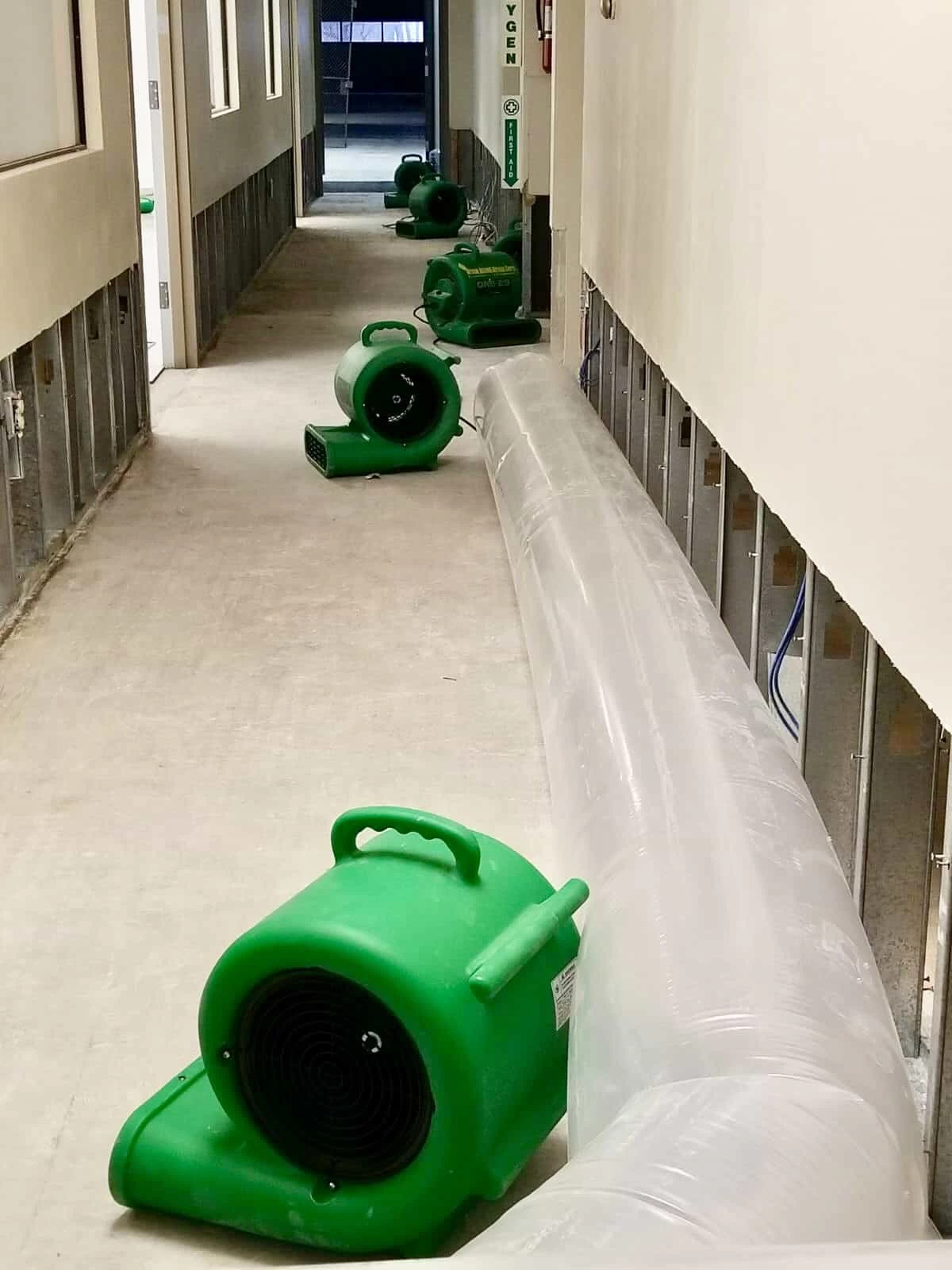
If abatement is needed, we handle the required notifications and documentation before any work begins including compliance with NYS Industrial Code Rule 56, which governs all asbestos work in New York State outside of New York City. For projects in the Town of Bedford, we’re familiar with local permit processes and what’s typically required when renovation work triggers an abatement scope. Once the work area is set up, we establish negative air pressure containment with HEPA filtration meaning air flows into the work zone, not out of it. That’s what keeps fibers from migrating into the rest of your home while the work is happening.
When removal is complete, post-abatement air clearance testing confirms the space is clean. You receive formal clearance documentation as a standard deliverable not something you have to ask for. That document covers you for the renovation ahead, for any insurance purposes, and for every real estate transaction that follows.
Every Material Type Found in Katonah Homes, Handled.
Katonah’s housing stock spans more than a century of construction, which means the asbestos-containing materials in any given home may reflect several different eras of building. We handle all of them. Asbestos tile removal including the 9×9 and 12×12 vinyl asbestos floor tiles common in mid-century kitchens and basements. Asbestos popcorn ceiling removal for the acoustic texture applied widely in the 1960s and 1970s. Pipe and boiler insulation from the steam heat systems that were standard in early 1900s construction. Drywall joint compound, roofing materials, and exterior transite siding where applicable.
For homeowners near the Cross River Reservoir or in the Lake Katonah area where older seasonal cottages have been converted to year-round residences and renovated in layers we frequently encounter multiple material types in a single project. You don’t need to coordinate separate contractors for different materials. We assess everything in one inspection and handle it under one scope of work.
If your abatement is connected to water damage a burst pipe, storm intrusion, or flooding event we work directly with your insurance carrier and handle billing on your behalf. Northern Westchester’s valley geography and the proximity to the Cross River mean water intrusion events are not rare here, and when water disturbs asbestos-containing materials in an older home, the abatement that follows is often a covered loss. We make that process as straightforward as possible.
Does my older Katonah home actually need an asbestos inspection before renovating?
If your home was built before 1980, the honest answer is yes especially in Katonah, where a significant portion of the housing stock predates not just the 1980 cutoff but in some cases the early 1900s. New York State’s Industrial Code Rule 56 requires that asbestos-containing materials be identified and addressed before renovation work that would disturb them. That’s not optional guidance it’s a legal requirement.
The practical reason is just as important. Opening walls, replacing flooring, or removing a ceiling in a pre-1980 home without knowing what’s there can disturb asbestos fibers and create an exposure situation that’s far more complicated and expensive to address after the fact. A pre-renovation inspection costs nothing with us and gives you a clear picture of what’s present before your contractor ever picks up a tool. In a home worth what Katonah homes are worth, that’s not a step you want to skip.
How much does asbestos removal typically cost for a home in Katonah, NY?
The range is wide because scope varies significantly. A single-room asbestos popcorn ceiling removal or a kitchen floor tile removal in a Katonah home typically runs somewhere in the $2,500 to $8,000 range. Larger projects whole-home abatement in a Victorian-era property in the historic district, or a multi-material scope covering pipe insulation, floor tiles, and ceiling texture across several rooms can run $15,000 to $40,000 or more depending on the square footage and material types involved.
What affects cost most is the number of material types present, the size of the affected area, and whether the work requires phased scheduling around an occupied home or an active renovation project. In Katonah’s market, where homes regularly sell above $1 million, the cost of abatement is a modest fraction of the asset being protected and the clearance documentation that comes out of the project has real financial value at resale. We provide free on-site estimates so you know exactly what you’re looking at before committing to anything.
What asbestos-containing materials are most common in Katonah's older homes?
The most frequently encountered materials in northern Westchester homes of this age fall into a few consistent categories. Vinyl asbestos floor tiles particularly the 9×9 inch format common in mid-century kitchens, bathrooms, and basements show up regularly in homes built between the 1940s and 1970s. Acoustic ceiling texture, often called popcorn ceiling, was widely applied in the 1960s and 1970s and is one of the most common findings in homes of that era. Pipe and boiler insulation is especially prevalent in Katonah’s older Victorian and Edwardian-era homes, which were typically built with steam heating systems that used asbestos-wrapped pipes extensively.
Drywall joint compound used through the mid-1970s can also contain asbestos, as can roofing felt and certain exterior siding products. In homes near the Katonah Village Historic District where the core structures date to the late 1800s and early 1900s it’s not unusual to find multiple material types present across different renovation layers. One inspection gives you the full picture.
Can asbestos abatement in Katonah be covered by homeowners insurance?
It depends on the trigger. Asbestos abatement that’s part of a planned renovation is generally not covered by standard homeowners insurance that falls under the property owner’s responsibility as part of the renovation scope. However, when asbestos-containing materials are disturbed by a covered loss a burst pipe, storm-related water intrusion, or flooding event the resulting abatement is frequently covered as part of the water damage or property damage claim.
This is particularly relevant in Katonah, where the hamlet sits in a valley between the Cross River Reservoir and the Muscoot Reservoir, and where major precipitation events and pipe freeze situations in older homes create recurring water damage scenarios. When those events disturb pipe insulation or floor tiles that contain asbestos, the abatement becomes part of the restoration claim. We work directly with insurance carriers and handle billing on your behalf, so you’re not managing the back-and-forth between contractor and insurer during an already stressful situation.
How long does asbestos abatement take in a typical Katonah residential project?
For a contained single-material project one room of floor tile removal or a single ceiling the work itself typically takes one to two days, with post-abatement air clearance testing adding a day before the space is formally cleared for reoccupancy or continued renovation. Larger multi-material projects in older Katonah homes can run three to five days or longer depending on scope and whether the work needs to be phased around an occupied household.
One thing that affects scheduling in this area is coordination with your renovation contractor’s timeline. Katonah homeowners often have general contractors, architects, or kitchen and bath specialists already scheduled, and the abatement needs to happen before those trades can begin their work. We give specific start dates not vague windows so you can coordinate your project timeline accurately. If you’re working toward a listing date or a renovation milestone, that scheduling reliability matters as much as the work itself.
Do I need asbestos abatement documentation when selling a home in Katonah, NY?
New York State requires sellers to disclose known environmental conditions, and asbestos is one of them. If you’re aware of asbestos-containing materials in your home, that disclosure is part of the transaction. What abatement documentation does is change the conversation from a liability to a resolved item instead of disclosing an open issue, you’re presenting a completed abatement with certified air clearance and a waste disposal manifest showing exactly where the material went.
In Katonah’s real estate market, where buyers are typically represented by attorneys who know what to look for in environmental disclosures, a home with documented abatement is in a meaningfully stronger position than one with an open question. Deals in this price range don’t fall apart often, but when they do, undisclosed or unresolved environmental conditions are one of the more common reasons. We provide the complete documentation package inspection report, clearance certificate, and disposal manifest as standard deliverables on every project, so you have everything you need for a clean transaction.