If your home was built before 1980 and most in Kent Hills were there’s a real chance asbestos is somewhere inside it. We handle the full process: testing, removal, permits, and the documentation that actually closes the loop.
I needed a professional consultation explanation of procedure for safe removal of Asbestos in my apartment complex. Without having an account yet, I was very impressed with the caring, knowledgeable and generous advice offered by Jessica, and will look forward to doing business in the future. Thank you so much! I feel much more informed about a sometimes scary endeavor. Peace. Nancy Silva Mineola, NY.
Mia Munoz
Used this company to clean up some water flood in my house. They were fast and easy to work with.very professional, Would recommend to anyone!
Nini Valle
Great company, had a flood and they responded quickly and efficiently. Billed my insurance company directly. I highly recommend this company!
joe colapietro, jr
I had pipe freeze in my basement right before a snow storm and they made to within an hour to help start the clean up process. They we by our side throughout the entire process and even helped with the insurance company. They did such a great job with the cleanup, repair, remidiation, I contracted them to perform the repairs and finishes in the basement. They came with enough manpower and material to get the job done. Leo and Jessica were nothing but a pleasure to deal with!!
Cristian Arredondo c
I had some water damage in my home and Green Island was able to take care of my issue quickly and effectively. I am very pleased with the work they did. They responded quickly and were very professional.
Michael M
Outstanding service! From the office to the field crew everyone was friendly, helpful and responsive. I highly recommend Green Island Group.
Most homeowners in Kent Hills aren’t thinking about asbestos until something forces the issue a renovation quote, a home inspection, a contractor who stops mid-job and tells you the floor tiles need to be tested before anything else gets touched. That moment is jarring. But it’s also the right time to deal with it properly, not patch over it.
The housing stock in Kent Hills tells the story. A lot of what’s standing here started as a summer bungalow built in the 1920s or 1930s, winterized through the 1950s, updated again in the 1960s and 70s. Each of those renovation layers came with the materials that were standard at the time: pipe insulation, floor tiles, textured ceiling products, roofing shingles. The problem isn’t that the house is old. The problem is that old materials don’t always stay stable especially after decades of Hudson Highlands winters, freeze-thaw cycles, and the kind of slow deterioration that turns solid material into something that crumbles when you touch it.
Once asbestos is properly removed and cleared, your renovation can move. Your sale can close. Your home stops being a liability and goes back to being what it’s supposed to be. That’s the outcome not just “asbestos gone,” but everything that was on hold now moving forward with documentation that holds up.
12 Years In, and the License Actually Means Something Here
We’ve been handling asbestos abatement across New York State for over 12 years. That includes residential homes, commercial properties, and government facilities contracts with the NYS Office of General Services, DASNY, and county agencies that hold contractors to a standard most residential operators never face. That track record carries over to every project, including yours.
In Putnam County, where Kent Hills is located, asbestos abatement falls under the NYS DOL Albany District Office and Industrial Code Rule 56. That’s not a technicality it’s the framework that determines whether the work is done legally and whether your documentation will hold up when a buyer’s attorney or building inspector asks for it. We hold the NYS DOL Asbestos License required to operate under that framework. Not a general certification the actual state-issued license.
Kent Hills sits within the NYC Watershed area, which adds a layer of regulatory consideration for properties near watercourses or reservoirs. We know that territory. We’ve worked in it. And we handle the permit process so you don’t have to figure out which agency wants what.
It starts with an inspection. A licensed professional assesses the property, identifies suspect materials, and collects samples for laboratory analysis. In Kent Hills homes particularly the converted bungalows and mid-century builds around the Lake Carmel corridor that often means looking in multiple places: pipe insulation in the basement, floor tiles under newer flooring, textured ceilings that got painted over in the 1980s, roofing or siding materials on the exterior. Asbestos doesn’t always announce itself.
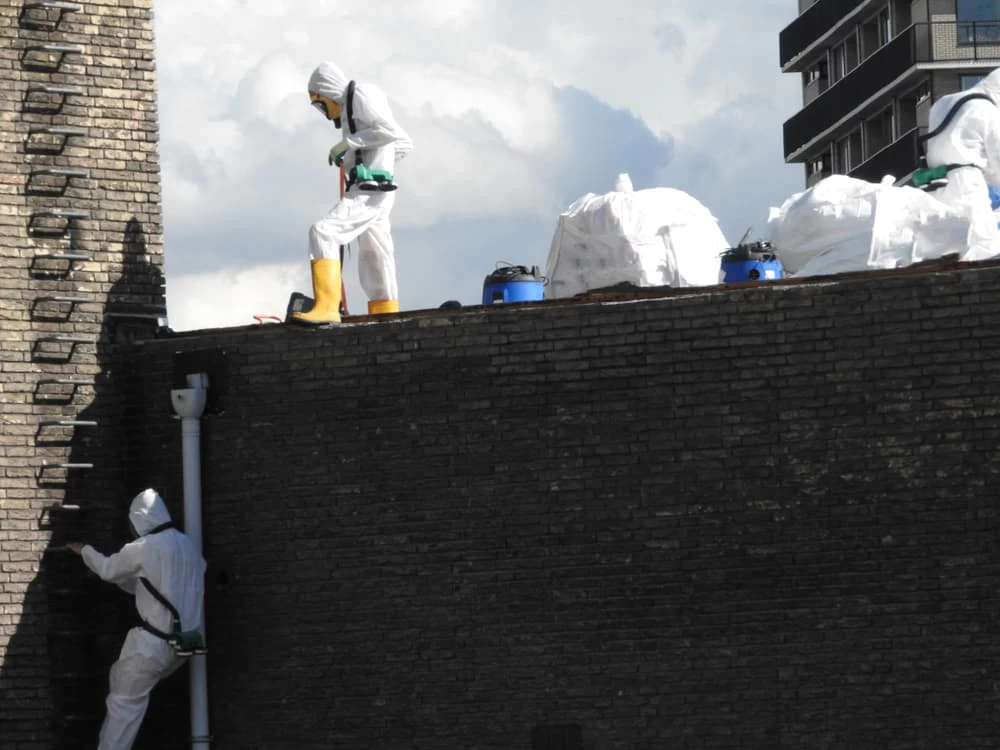
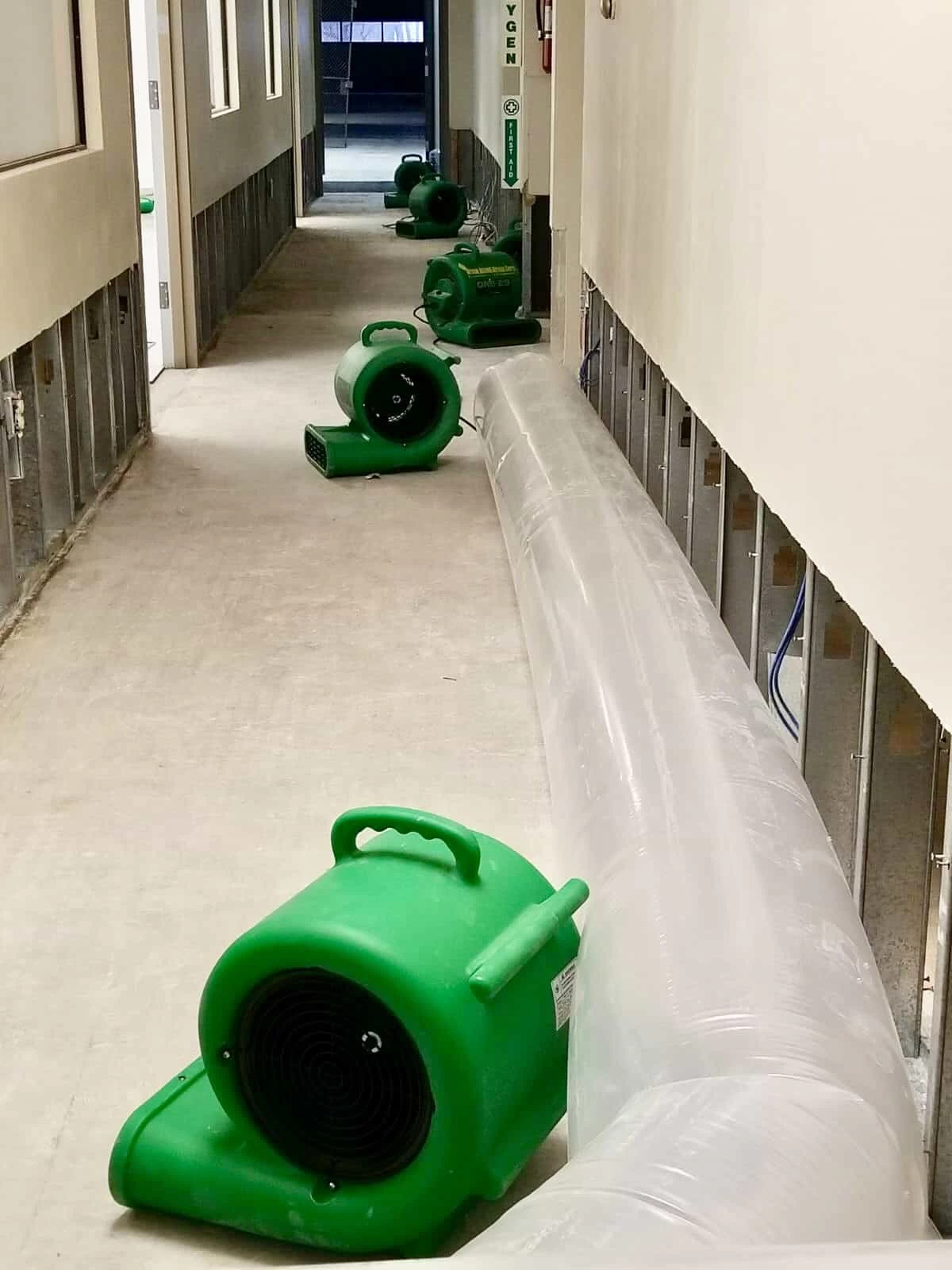
Once results come back, we handle the permit applications and notifications required by the NYS DOL before any abatement work begins. The actual removal is done using wet methods inside a sealed, negative-pressure containment standard under Code Rule 56, and the reason why a licensed contractor is legally required for this work in New York. All material is packaged and disposed of as regulated hazardous waste. Nothing gets bagged and left at the curb.
After removal, an independent licensed air monitoring contractor conducts post-abatement clearance testing. That’s a separate party not us checking our own work. If the air clears, you get the documentation. That certificate is what your contractor, your real estate attorney, and your building inspector will ask to see. We don’t consider the job done until you have it in hand.
Asbestos abatement isn’t one thing it’s a range of materials, locations, and scopes depending on what your home has and what you’re planning to do with it. The most common requests we get from Kent Hills homeowners involve floor tile removal (the vinyl and asphalt tiles common in 1950s and 60s kitchens and bathrooms), popcorn ceiling removal (a textured finish widely used in the 1960s and 70s that frequently contains asbestos), and pipe insulation the wrap around basement pipes and HVAC components that deteriorates over time and becomes a real hazard when disturbed.
We also handle roofing and siding materials, joint compound, and textured plaster all of which appear regularly in the older housing stock throughout the Town of Kent. If you’re not sure what you have, that’s fine. The inspection is where we figure that out together.
Every project includes the full scope: initial assessment, lab testing, permit filing with the NYS DOL, abatement under sealed containment, regulated disposal, and independent post-abatement air clearance. You’re not managing pieces of this across multiple vendors. One call, one point of contact, one set of documentation at the end. For homeowners in Kent Hills navigating a renovation or a sale, that matters more than most people realize until they’re in the middle of it.
Do I need asbestos testing before renovating my Kent Hills home?
In New York State, if you’re renovating a building built before 1980 and the work will disturb suspect materials, an asbestos survey is legally required before demolition or renovation begins. This isn’t a suggestion it’s a requirement under NYS Industrial Code Rule 56, and it applies to homeowners and contractors alike. If a contractor disturbs asbestos-containing material without proper abatement, both parties can face serious liability.
For Kent Hills specifically, this matters more than it might in a newer community. The median construction year for Putnam County homes is 1968, and a significant portion of the housing stock in Kent Hills predates that especially the converted summer bungalows and early-20th-century builds around the Lake Carmel area. If you’re planning a kitchen remodel, a bathroom update, a basement finishing project, or anything that involves opening walls, pulling up floors, or touching ceilings, get the test done first. It’s a straightforward process, and it either clears the way or tells you exactly what needs to happen before work can continue.
How much does asbestos removal typically cost for a home in Kent Hills?
Cost varies depending on the type of material, how much of it there is, and where it’s located. A small, contained job like removing asbestos floor tiles in a single room can run in the range of a few hundred dollars on the low end. A larger scope involving pipe insulation throughout a basement, popcorn ceiling removal across multiple rooms, or exterior siding can reach several thousand dollars. Most residential projects fall somewhere between $1,500 and $6,000 depending on scope.
What affects cost in Kent Hills specifically is the layered nature of the housing stock. Homes that were built as summer bungalows and later converted to year-round residences often have multiple generations of materials original construction, mid-century updates, and 1970s finishes each of which may contain asbestos in a different form and location. That means the scope isn’t always obvious until the inspection is done. We give you a clear, itemized quote before any work starts. No surprise fees added at the end.
What materials in older homes commonly contain asbestos?
The list is longer than most people expect. Floor tiles particularly the 9×9 inch vinyl and asphalt tiles common in homes built between the 1940s and 1970s frequently contain asbestos, and so does the adhesive used to install them. Popcorn ceilings, also called textured or acoustic ceilings, were widely applied through the 1970s and are one of the more common sources we find. Pipe insulation the gray or white wrap around basement pipes and boiler connections is another major one, especially in homes that have gone through multiple winters without being disturbed.
Beyond those, asbestos also appears in roofing shingles, exterior siding panels (particularly a product called transite), joint compound used in drywall finishing, textured plaster on walls and ceilings, and HVAC duct insulation. In Kent Hills homes that started as seasonal cottages and were upgraded over decades, it’s not unusual to find several of these materials in the same house each from a different renovation era. The inspection process is designed to identify all of them, not just the obvious ones.
Will I need to leave my home during asbestos abatement in Kent Hills?
It depends on the scope and location of the work. For a contained job like removing floor tiles in one room or a small section of popcorn ceiling it’s often possible to stay in other parts of the house while work is underway, as long as the containment is properly established and the rest of the home is isolated. For larger projects involving extensive pipe insulation, multiple rooms, or HVAC components, temporary displacement is typically the safer and more practical option.
We talk through this with every homeowner before work begins so there are no surprises. Kent Hills is a year-round residential community these are homes people are living in, not vacant properties. We schedule work in a way that minimizes disruption, and we’re clear about what the realistic timeline looks like before we start. If you have children, pets, or specific scheduling constraints, tell us upfront and we’ll factor that into the plan.
How does asbestos abatement work if my property is near the NYC Watershed?
The towns of Kent, Carmel, Patterson, Putnam Valley, and Southeast in Putnam County all fall within the NYC Watershed area. For most interior asbestos abatement projects removing floor tiles, ceiling texture, or pipe insulation inside the home watershed regulations don’t add significant complications. The NYS DOL permitting process is the primary framework that governs the work.
Where it gets more involved is if your project involves exterior work near a watercourse, wetland, or reservoir, or if soil disturbance is part of the scope. In those cases, NYC DEP Watershed Rules may require additional review or permits before work can begin. This is one of the reasons it matters to work with a contractor who actually knows Putnam County’s regulatory environment not someone who’s familiar with Long Island or New York City rules and assumes they translate directly. We’ve navigated this territory before and can tell you upfront what applies to your specific property and project.
What documentation do I receive after asbestos abatement is completed?
At the end of every project, you receive a post-abatement air clearance certificate issued by an independent licensed air monitoring contractor a separate party from the abatement crew, which is required under New York State regulations. This certificate confirms that airborne asbestos fiber levels in the treated area meet OSHA and NIOSH clearance standards before the containment is broken and the space is reoccupied. It’s not a form we fill out ourselves. It’s a third-party verification.
Beyond the clearance certificate, you also receive the project documentation package: the abatement notification filed with the NYS DOL, waste disposal manifests, and the project completion records. For Kent Hills homeowners who are renovating and need to satisfy a building inspector, or who are selling and need to satisfy a buyer’s attorney or lender, this documentation is what actually closes the loop. A verbal assurance that the asbestos is gone doesn’t hold up in a real estate transaction or a permit review. The paperwork does and we make sure you have all of it before we consider the job finished.