If your home was built before 1980 and most in Kent were asbestos abatement isn’t a maybe. We’re NYS DOL-licensed and handle everything from inspection to air clearance so your renovation or sale doesn’t stall.
I needed a professional consultation explanation of procedure for safe removal of Asbestos in my apartment complex. Without having an account yet, I was very impressed with the caring, knowledgeable and generous advice offered by Jessica, and will look forward to doing business in the future. Thank you so much! I feel much more informed about a sometimes scary endeavor. Peace. Nancy Silva Mineola, NY.
Mia Munoz
Used this company to clean up some water flood in my house. They were fast and easy to work with.very professional, Would recommend to anyone!
Nini Valle
Great company, had a flood and they responded quickly and efficiently. Billed my insurance company directly. I highly recommend this company!
joe colapietro, jr
I had pipe freeze in my basement right before a snow storm and they made to within an hour to help start the clean up process. They we by our side throughout the entire process and even helped with the insurance company. They did such a great job with the cleanup, repair, remidiation, I contracted them to perform the repairs and finishes in the basement. They came with enough manpower and material to get the job done. Leo and Jessica were nothing but a pleasure to deal with!!
Cristian Arredondo c
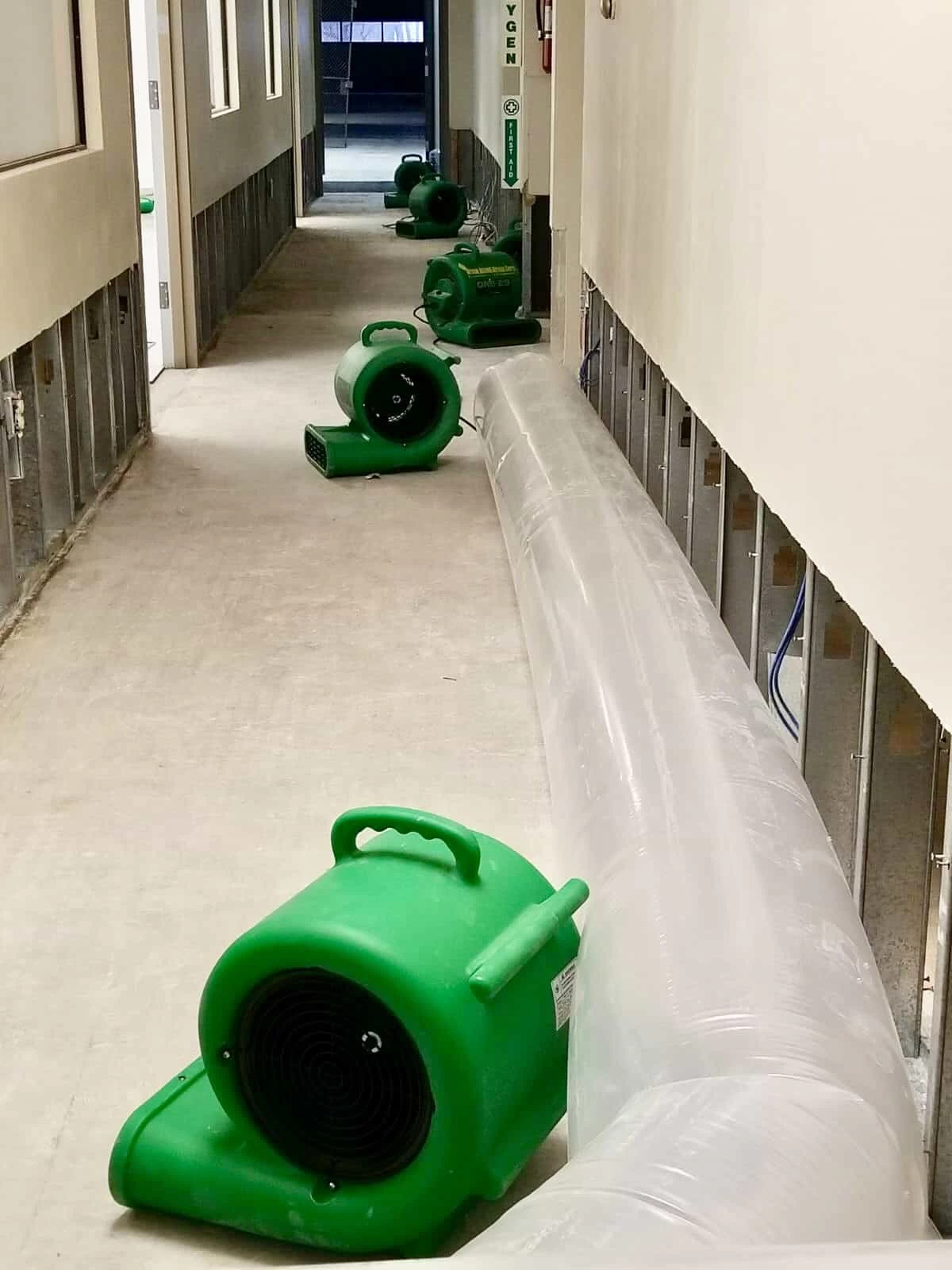
I had some water damage in my home and Green Island was able to take care of my issue quickly and effectively. I am very pleased with the work they did. They responded quickly and were very professional.
Michael M
Outstanding service! From the office to the field crew everyone was friendly, helpful and responsive. I highly recommend Green Island Group.
Most Kent homeowners don’t call about asbestos because they’re panicking. They call because something triggered it a building permit from the Town of Kent, a buyer’s inspector flagging the basement pipe insulation, or a contractor who stopped mid-demo and said they couldn’t keep going. Whatever brought you here, the outcome you need is the same: documented proof that the hazard is gone, the space is safe, and the project can move forward.
Kent’s housing stock makes this more common than people expect. The bulk of the town’s homes especially around Lake Carmel were originally built as seasonal bungalows in the 1930s through 1960s and later converted to year-round residences. That means many of them were built once, renovated once, and updated again each time during a window when asbestos-containing materials were standard. Floor tiles, pipe insulation, popcorn ceiling texture, roofing felt, attic insulation it’s often more than one material type, in more than one location.
When the abatement is done right, you walk away with an air clearance certificate from an independent licensed monitor, a full compliance report, and the ability to hand that documentation to your contractor, your buyer’s attorney, or your own peace of mind. That’s what proper asbestos removal actually looks like not just a crew that shows up and hauls something away.
We’ve been doing this work for over 12 years, holding the NYS DOL Asbestos License required by Industrial Code Rule 56 the state law that governs every abatement project in New York, including right here in Putnam County and throughout Kent. That license isn’t a membership or a certificate of completion. It’s a state-issued credential you can verify yourself on the NYS DOL website. We also carry full general liability and worker’s compensation insurance, so nothing falls on you if something goes wrong on-site.
Our client list includes the NYS Office of General Services, the NYS Office of Mental Health, and the Dormitory Authority State of New York. Those agencies don’t hire contractors on faith they verify everything. That same standard comes with every residential project in Kent, whether it’s a Lake Carmel cottage or a property on Route 52. You get the paperwork, the compliance chain, and a contractor who’s done this at every scale.
No Mystery Here's Exactly What the Process Looks Like
It starts with an inspection. A licensed NYS DOL asbestos inspector surveys the property, collects samples from any suspected materials, and sends them to an accredited lab. You get a written survey report that identifies what’s there, where it is, and what needs to happen before any construction work proceeds. If you’re already in the permit process with the Town of Kent Building Department, this report is what moves things forward the town requires permits for demolition and alteration, and NYS Rule 56 requires abatement before work begins in any affected area.
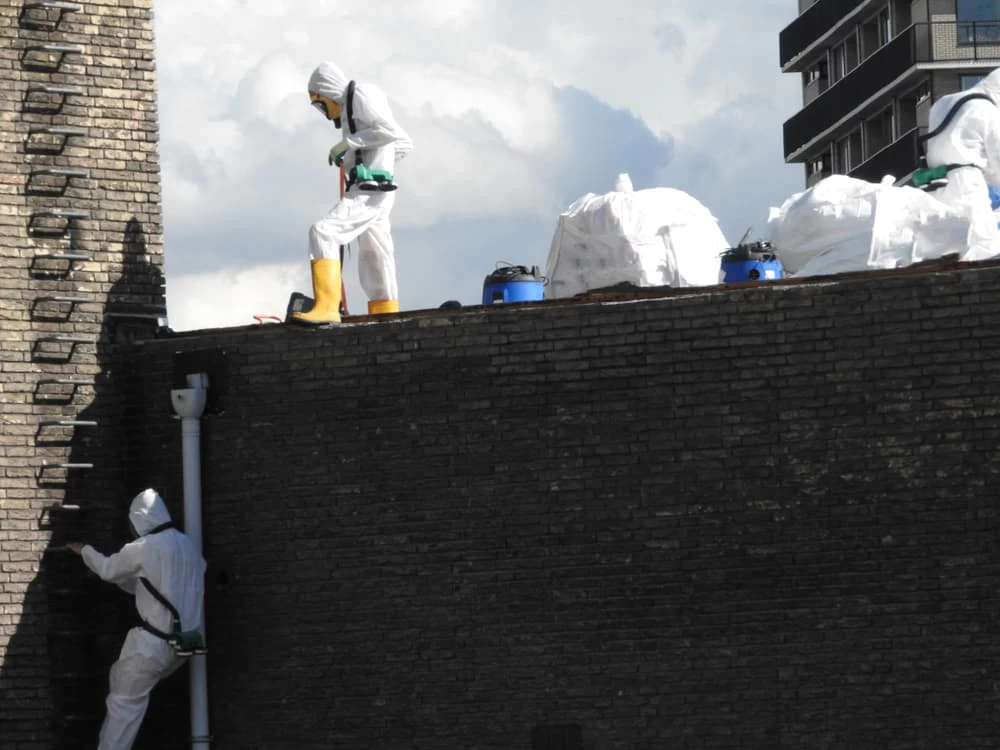
Once the scope is confirmed, the physical removal happens under full containment negative air pressure, HEPA-filtered air handling, wet methods to suppress fibers, and proper disposal through licensed waste channels. The work area stays sealed and controlled throughout. This isn’t a one-day sweep; it’s a regulated process with defined steps, and every one of them gets documented.
After removal, an independent licensed monitoring contractor performs post-abatement air clearance testing. This is the step that matters most for your documentation it’s third-party confirmation, not just our crew saying the job is done. Once clearance is confirmed, you receive the air clearance certificate and the compliance closeout report. Your renovation contractor can get back to work. Your real estate closing can proceed. The process is complete.
Every Material Type. Full Documentation. One Contractor.
Asbestos doesn’t show up in just one place in older Kent homes, and the abatement scope reflects that. The most common materials we find in the town’s mid-century bungalows and converted cottages include vinyl floor tiles and the black mastic adhesive beneath them typically 9×9 or 12×12 inch squares that were standard from the 1940s through the late 1970s. Asbestos tile removal requires full containment and wet methods, and the mastic has to be addressed alongside the tile, not left behind. Popcorn ceiling texture is another frequent find, especially in homes that were updated during the 1960s and 1970s. Scraping or sanding that material without testing first puts fibers directly into your living space asbestos popcorn ceiling removal is one of the most common calls coming from Kent properties.
Beyond those, pipe insulation in basements and crawl spaces is a consistent issue in homes that were originally seasonal and later winterized. Kent’s freeze-thaw winters accelerate the deterioration of older insulation materials, and crumbling pipe wrap in a basement is exactly the kind of friable asbestos that releases fibers into the air without anyone touching it.
We’re also licensed for lead abatement and mold remediation meaning if your Putnam County renovation turns up more than one hazard, which is common in pre-1980 homes, you’re not coordinating three separate contractors. The full scope gets handled under one licensed, insured engagement, with one complete documentation package at the end.
Does the Town of Kent require asbestos testing before a renovation permit is approved?
The Town of Kent Building Department requires permits for demolition, alterations, and any construction that must conform to the NYS Uniform Code and that permit process typically takes 14 to 21 business days. What the town doesn’t always spell out upfront is that NYS Industrial Code Rule 56 runs parallel to that process: if your renovation involves a pre-1980 structure and the work area may contain asbestos, state law requires an asbestos survey before construction begins in that area. The two requirements are connected, even if they come from different agencies.
In practice, this means you can pull your building permit and schedule your contractor, but if asbestos is found in the work area, everything stops until abatement is complete and air clearance is documented. The cleanest way to handle this is to get the inspection done before you’re already in the permit timeline that way the survey results inform your contractor’s scope, not interrupt it. We manage the abatement permit process as part of the engagement, which keeps the sequencing from becoming a problem.
How do I know if my Lake Carmel home actually has asbestos-containing materials?
The honest answer is that you can’t know without testing. Visual identification isn’t reliable asbestos-containing materials look identical to non-asbestos versions of the same product. What you can do is look at the construction era and the material types present. If your home was built or renovated between the 1930s and the late 1970s which covers most of Lake Carmel’s original bungalow stock the probability that at least one asbestos-containing material is present somewhere in the structure is genuinely high. Floor tiles, pipe insulation, popcorn ceiling texture, roofing felt, and attic insulation are the most common locations.
The only way to confirm is through sample collection by a licensed NYS DOL asbestos inspector, followed by lab analysis at an accredited facility. That process gives you a written survey report that identifies exactly what’s present, where it is, and whether it needs to be abated before any work proceeds. If you’re planning a renovation in Kent, doing that survey first is far less disruptive than discovering asbestos mid-project when your contractor is already on-site.
What happens if asbestos is found during a renovation already in progress in Kent?
Work in the affected area has to stop. Under NYS Industrial Code Rule 56, you cannot continue construction in a space where asbestos-containing materials have been identified until a licensed abatement contractor removes them and independent air clearance testing confirms the area is safe. This isn’t optional, and it applies to every property in New York State, including in Kent and throughout Putnam County.
The practical impact depends on how far into the project you are. If asbestos is found early say, during demolition of a floor or ceiling the delay is manageable if you move quickly. If it’s found later, with other trades already scheduled, the disruption compounds. We handle emergency mid-project abatement and coordinate directly with your renovation contractor to minimize the gap between discovery and clearance. The faster the abatement is scoped and permitted, the faster your project gets back on track. That coordination piece is part of what you’re paying for.
We're selling our Kent home does asbestos need to be removed before closing?
Not always, but it depends on what was found, where it is, and what your buyer and their lender require. Asbestos-containing materials that are in good condition and undisturbed intact floor tiles beneath carpet, for example may not require removal before closing. In those cases, encapsulation documentation and a written survey report noting the material’s condition can sometimes satisfy a buyer’s attorney. But if the material is friable, deteriorating, or located in an area that will be disturbed during planned renovations, removal is typically required.
Kent’s real estate market moves quickly, and buyers’ attorneys and lenders are increasingly asking for documentation of asbestos status before they’ll proceed. If a buyer’s inspector flags something during the inspection period, you’re often looking at a choice between negotiating a price reduction or remediating before closing. We’ve handled pre-sale abatement on a closing timeline before the key is moving quickly once the scope is defined. A licensed inspection, clear abatement scope, and post-abatement air clearance certificate gives you the documentation package that closes the loop for all parties.
Is asbestos in popcorn ceilings actually dangerous, or is it only a problem if disturbed?
Both parts of that question are true, and the distinction matters. Asbestos-containing popcorn ceiling texture that is intact, in good condition, and left completely undisturbed poses a lower immediate risk than material that is actively deteriorating or being disturbed. The danger comes from airborne fibers and popcorn texture is particularly easy to disturb. Scraping, sanding, drilling, or even aggressive cleaning can release fibers into the air without anyone realizing it’s happening.
In Kent homes especially those that were updated during the 1960s and 1970s popcorn ceiling texture is one of the most frequently identified asbestos-containing materials. If you’re planning to repaint, renovate, or simply update a room with that texture, testing before you touch it is the right move. And if the material tests positive, asbestos popcorn ceiling removal needs to happen under full containment with negative air pressure and wet methods not a DIY scrape-and-bag situation. After removal, independent air clearance testing confirms the room is safe before it’s reoccupied. That final step is what gives you verifiable confirmation, not just an assumption.
How much does asbestos abatement typically cost for a home in Putnam County?
The range is wide because the scope varies significantly. Nationally, asbestos removal averages around $2,200, with projects ranging from roughly $500 on the low end to $6,000 or more for larger or more complex scopes. In Putnam County, the relevant factors are the number of materials involved, the square footage of the affected area, and whether the project involves a single material type like asbestos tile removal in one room or multiple materials across different locations in the home.
Kent’s housing stock adds a layer of complexity that’s worth knowing about upfront. Because many of the town’s homes were built once, renovated once, and updated again across several decades, it’s not uncommon to find asbestos in more than one location floor tiles in the kitchen, pipe insulation in the basement, and popcorn texture in the bedrooms, all in the same property. That kind of layered scope affects cost, but it also affects what you actually need to document for a permit, a sale, or a renovation. We provide a written estimate after the inspection, so you know the full scope before any work begins no surprises mid-project, and no vague ballpark that shifts once the crew is on-site.