Kerhonkson's Older Homes Deserve More Than a Guess
If your Rondout Valley farmhouse or mid-century ranch is due for a renovation, asbestos abatement in Kerhonkson isn’t optional it’s the law. We handle it all, so you don’t have to figure it out alone.
I needed a professional consultation explanation of procedure for safe removal of Asbestos in my apartment complex. Without having an account yet, I was very impressed with the caring, knowledgeable and generous advice offered by Jessica, and will look forward to doing business in the future. Thank you so much! I feel much more informed about a sometimes scary endeavor. Peace. Nancy Silva Mineola, NY.
Mia Munoz
Used this company to clean up some water flood in my house. They were fast and easy to work with.very professional, Would recommend to anyone!
Nini Valle
Great company, had a flood and they responded quickly and efficiently. Billed my insurance company directly. I highly recommend this company!
joe colapietro, jr
I had pipe freeze in my basement right before a snow storm and they made to within an hour to help start the clean up process. They we by our side throughout the entire process and even helped with the insurance company. They did such a great job with the cleanup, repair, remidiation, I contracted them to perform the repairs and finishes in the basement. They came with enough manpower and material to get the job done. Leo and Jessica were nothing but a pleasure to deal with!!
Cristian Arredondo c
I had some water damage in my home and Green Island was able to take care of my issue quickly and effectively. I am very pleased with the work they did. They responded quickly and were very professional.
Michael M
Outstanding service! From the office to the field crew everyone was friendly, helpful and responsive. I highly recommend Green Island Group.
You stop guessing. That’s the first thing. When asbestos-containing materials in your home have been properly removed, tested, and documented by a licensed contractor, you’re not just safer you have proof that you’re safer. Air clearance testing after every job gives you a written record you can hold onto, show to a buyer, or file with your insurance carrier. That’s not a small thing in a market where Kerhonkson home values have tripled since 2000.
The Rondout Valley’s climate adds a layer most people don’t think about. The freeze-thaw cycles up here real Catskills winters, not the mild stuff closer to the city crack pipe insulation, shift floor tiles, and stress older building materials season after season. In a pre-1980 home along Route 209 or tucked back on a rural parcel near the Shawangunk Ridge, that kind of wear doesn’t just cause maintenance headaches. It can turn stable asbestos-containing materials into something actively dangerous. Catching it early, before a renovation disturbs it, is how you avoid an emergency.
For anyone who bought an older Kerhonkson property with plans to renovate, getting a proper inspection before demo begins isn’t just smart it keeps your permit on track and your contractor legally protected. Skipping it isn’t a shortcut. It’s a liability.
We hold the NYS Department of Labor Asbestos Handling License the specific, state-issued credential that New York law requires for any asbestos abatement project above threshold. Not a general contractor license. Not a self-reported certification from a trade association. The actual license, verifiable through the NYS DOL contractor listing. In a rural market like Kerhonkson, where aggregator platforms list plenty of unverified providers, that distinction matters more than most people realize.
We serve Ulster County as an established part of our territory not as an occasional out-of-area crew passing through. That means familiarity with the local building stock in Kerhonkson, from canal-era farmhouses along Rondout Creek to the mid-century resort structures scattered through the Kerhonkson ZIP code. The 2019 capital improvements project at the Rondout Valley Central School District included a formal asbestos abatement contract at Kerhonkson Elementary School on Academy Street confirming that this is a real, documented local issue, not a hypothetical one.
Beyond asbestos, we also hold NYS DOL Mold, IICRC Water and Fire, and USEPA Lead certifications. When older homes in the Rondout Valley present multiple problems at once and they often do one call covers the full scope.
No Surprises Here's Exactly What the Job Looks Like
It starts with an inspection. Before anything is touched, a qualified inspector identifies suspect materials floor tiles, pipe insulation, joint compound, roofing, acoustic ceilings and collects samples for lab analysis. In Kerhonkson’s older housing stock, that list of suspects is often longer than homeowners expect. Canal-era and mid-century construction used asbestos across nearly every building system, and the materials don’t always look the way people picture them.
Once results are confirmed, the project is scoped and permitted. Because Kerhonkson straddles the Town of Wawarsing and the Town of Rochester, permit applications may need to go to two different municipal offices depending on where your property sits. We handle that coordination. Notification is also filed with the NYS Department of Labor Asbestos Control Bureau before work begins a legal requirement under Industrial Code Rule 56 that some contractors skip and shouldn’t.
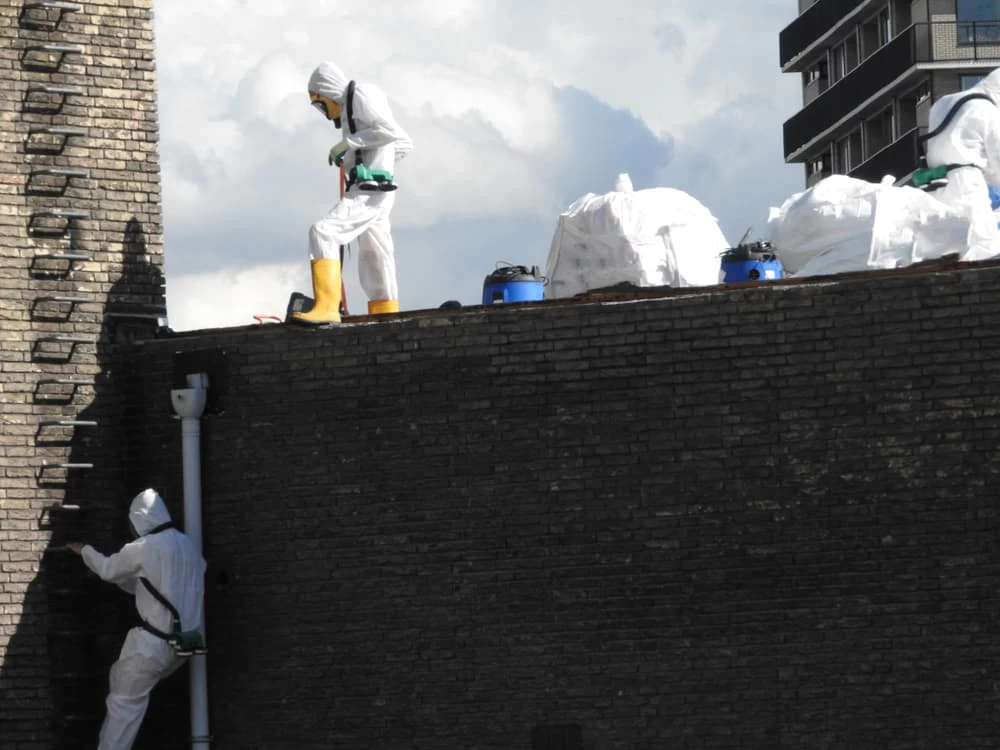
During removal, the work area is fully contained, negative air pressure is maintained, and certified workers handle every phase of the abatement. When the work is done, post-abatement air clearance testing confirms the space is clean. You receive documentation of those results a record that must be retained for 30 years under state law and that becomes a valuable asset if you ever sell the property. From first call to final clearance report, the process is designed to keep you informed and out of the weeds.
Every Material Type, Every Project Size, One Licensed Crew
Asbestos shows up differently depending on when and how a home was built. In Kerhonkson’s mid-century ranch homes and postwar bungalows, the most common materials are 9×9 and 12×12 floor tiles, popcorn ceiling texture, and pipe insulation wrapped around boiler systems in older basements. In the canal-era and railroad-era farmhouses that define the antique character of this area, you’re more likely to find asbestos in roofing shingles, siding, and wall insulation. We handle all of it asbestos tile removal, popcorn ceiling removal, pipe and boiler insulation, roofing materials, joint compound, and more.
For properties in the Kerhonkson area dealing with water damage alongside asbestos a real scenario given the flood history along Rondout Creek our combined asbestos and water damage certifications mean you’re not coordinating two separate contractors through a stressful situation. One crew, one scope, one point of contact.
We also bill insurance directly. If your abatement project is connected to a water damage claim, storm damage, or a renovation that uncovered a problem mid-project, that means less paperwork on your end and faster resolution overall. Every project includes permit handling, air monitoring, and full post-abatement documentation nothing is treated as an add-on.
Does my Kerhonkson farmhouse actually need a licensed asbestos contractor?
Under New York State Industrial Code Rule 56, any asbestos disturbance involving 10 square feet or 25 linear feet of suspect material requires a licensed abatement contractor and certified workers. That threshold is lower than most homeowners expect it covers a lot of common renovation work, including tearing out old floor tiles, cutting into walls with joint compound, or disturbing pipe insulation during a boiler replacement. If your home was built before 1980, and most of Kerhonkson’s residential stock was, you’re almost certainly dealing with materials that fall under this rule.
Hiring an unlicensed contractor to handle asbestos in Kerhonkson isn’t just a regulatory violation it creates a paper trail problem that follows the property. If you sell, the buyer’s inspector or attorney may ask for abatement documentation. If the work was done without a license, there’s nothing to show. Doing it right the first time with a NYS DOL licensed contractor means you have a 30-year project record that protects you at every future transaction.
How much does asbestos removal typically cost in the Ulster County area?
For a standard residential project removing asbestos floor tiles in a kitchen or bathroom, or addressing pipe insulation around a single boiler costs in the Ulster County area typically run between $1,500 and $5,000. Larger projects involving multiple material types, whole-room abatement, or structures with more extensive asbestos use can range from $10,000 to $30,000 or more depending on scope and material volume.
The honest answer is that cost varies enough that a phone estimate isn’t reliable. The square footage involved, the type of material, the accessibility of the work area, and whether the project requires permits through the Town of Wawarsing, the Town of Rochester, or both all of that affects the final number. What doesn’t change is that the cost of doing it wrong re-remediation, failed inspections, legal exposure consistently exceeds the cost of doing it right the first time. A free on-site estimate gives you an accurate number before any commitment is made.
What materials in older Kerhonkson homes most commonly contain asbestos?
The materials that come up most often in Kerhonkson’s pre-1980 housing stock are vinyl floor tiles particularly the 9×9 inch tiles common in homes built between the 1950s and 1970s along with the adhesive mastic beneath them, which often contains asbestos even when the tiles themselves don’t. Popcorn ceiling texture applied before 1978 is another frequent find, especially in the ranch-style and mid-century homes that make up a significant portion of the local inventory. Pipe and boiler insulation is nearly universal in older homes with steam or hot water heating systems.
Beyond those, roofing shingles, exterior siding panels, and joint compound used in drywall finishing are all materials that were commonly manufactured with asbestos during the peak decades of its use. In the older farmhouses and resort-era structures throughout the Kerhonkson ZIP code including properties in Palentown and along the Foordmore Road corridor it’s not unusual to encounter several of these materials in the same building. An inspection that looks at all of them, not just the obvious ones, is the only way to know what you’re actually dealing with.
Can I stay in my home during asbestos abatement in Kerhonkson?
It depends on the scope and location of the work. For small, contained projects removing tiles in a single room or addressing insulation in a basement utility area it’s often possible to remain in the home as long as the work area is fully isolated and the rest of the living space is unaffected. For larger projects involving multiple rooms, whole-floor abatement, or work in central HVAC systems, temporary displacement is usually the safer and more practical approach.
The containment setup we use during abatement sealed barriers, negative air pressure, HEPA filtration is designed specifically to prevent fibers from migrating into unaffected areas. But the decision on whether you stay or go isn’t one-size-fits-all. It’s based on the specific layout of your home, where the work is happening, and how long the project is expected to run. This is one of the first things discussed during a site visit, so you know what to plan for before the crew shows up.
What happens after the asbestos is removed how do I know it's actually safe?
Post-abatement air clearance testing is the answer to that question, and it’s a standard part of every project not something you have to ask for or pay extra to get. After the abatement work is complete and the containment is still in place, air samples are collected and analyzed to confirm that fiber levels meet the clearance standards set by New York State. Only after the results come back clean is the containment removed and the space returned to use.
You receive written documentation of those results. That report isn’t just peace of mind it’s a legal record that must be retained for 30 years under NYS Industrial Code Rule 56, and it’s exactly the kind of documentation that protects you when the property changes hands. In Kerhonkson’s rising real estate market, where older homes are being bought, renovated, and resold at a much higher rate than a decade ago, having that paperwork in order is a real asset.
Do I need to pull a permit for asbestos abatement work in Kerhonkson, NY?
Yes for any project that meets the threshold under NYS Industrial Code Rule 56, a notification must be filed with the NYS Department of Labor Asbestos Control Bureau before work begins. This is a state-level requirement that applies regardless of which town your property sits in. For Kerhonkson specifically, that filing can get more complicated because the hamlet straddles the Town of Wawarsing and the Town of Rochester. Depending on your address, building permits related to the renovation triggering the abatement may need to go through one or both municipal offices.
We handle permit applications and regulatory filings as part of the standard project scope. That means you’re not left trying to figure out which town office to call or whether the right forms were submitted before the crew arrives. For homeowners who are already managing a renovation timeline, an insurance claim, or both, having that administrative piece handled by us removes a real source of friction. The goal is that by the time the work starts, the paperwork is already done.