The mid-century homes in Kipps weren’t built with today’s safety standards and asbestos abatement done right means your family isn’t paying for that later.
I needed a professional consultation explanation of procedure for safe removal of Asbestos in my apartment complex. Without having an account yet, I was very impressed with the caring, knowledgeable and generous advice offered by Jessica, and will look forward to doing business in the future. Thank you so much! I feel much more informed about a sometimes scary endeavor. Peace. Nancy Silva Mineola, NY.
Mia Munoz
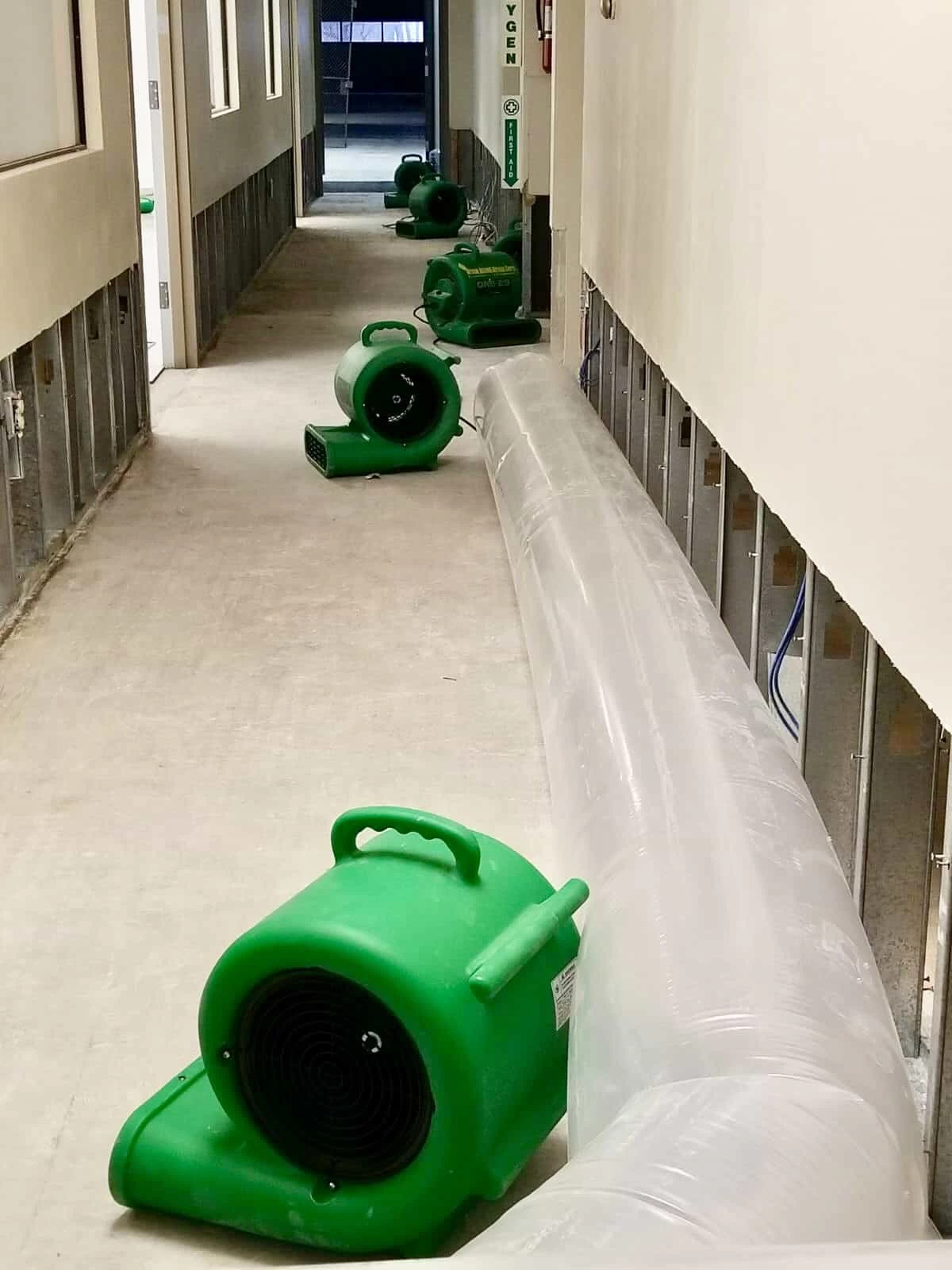
Used this company to clean up some water flood in my house. They were fast and easy to work with.very professional, Would recommend to anyone!
Nini Valle
Great company, had a flood and they responded quickly and efficiently. Billed my insurance company directly. I highly recommend this company!
joe colapietro, jr
I had pipe freeze in my basement right before a snow storm and they made to within an hour to help start the clean up process. They we by our side throughout the entire process and even helped with the insurance company. They did such a great job with the cleanup, repair, remidiation, I contracted them to perform the repairs and finishes in the basement. They came with enough manpower and material to get the job done. Leo and Jessica were nothing but a pleasure to deal with!!
Cristian Arredondo c
I had some water damage in my home and Green Island was able to take care of my issue quickly and effectively. I am very pleased with the work they did. They responded quickly and were very professional.
Michael M
Outstanding service! From the office to the field crew everyone was friendly, helpful and responsive. I highly recommend Green Island Group.
You stop guessing. That’s the first thing. When asbestos-containing materials are identified, contained, and removed by a licensed contractor not just painted over or left alone you get a written clearance certificate from an independent industrial hygienist. That document is your proof. It’s what your real estate attorney needs, what your lender asks for, and what gives you actual peace of mind instead of just a verbal assurance from whoever did the work.
For homeowners in Kipps and the surrounding Hamptonburgh area, this matters more than it might in a newer suburb. The housing stock along NY 207 and the rural roads branching off it includes a significant number of homes built between the 1940s and 1970s the exact window when asbestos was standard in floor tiles, pipe insulation, roofing materials, and textured ceilings. Many of these homes haven’t been heavily renovated since they were built, which means the original materials are still there, often undisturbed, often unknown to the current owner.
Add the seasonal moisture that comes with this part of Orange County the Otter Kill watershed, the freeze-thaw cycles, older basements that take on water and you have conditions that can disturb previously stable asbestos materials without anyone touching them intentionally. Getting ahead of it isn’t overcaution. It’s just smart ownership of an older home in Kipps.
State-Licensed, Locally Owned, and Already Working in Kipps
We’ve been operating in New York for over 12 years as a locally owned, non-franchise environmental contractor. No 1-800 number, no rotating crews from out of state. The same licensed team that has handled asbestos abatement for the NYS Office of General Services, the Dormitory Authority of the State of New York, and NYS Office of Mental Health shows up for residential jobs in Kipps and Hamptonburgh with the same process and the same documentation standards.
Kipps and the surrounding communities along NY 207 including Campbell Hall, Goshen, and the broader Hamptonburgh area are already part of our Orange County service footprint. This isn’t a contractor learning your area on your dime. Our NYS Department of Labor Asbestos Contractor License is publicly verifiable, statewide, and fully applicable to every project in the Town of Hamptonburgh and Kipps. You can look it up. That’s the point.
We also hold dual M/WBE certification from both New York State and New York City a designation that requires financial documentation, operational review, and ongoing compliance. It’s not a badge. It’s proof of accountability.
No Guesswork Here's Exactly What the Process Looks Like
It starts with an assessment. Before any removal happens, the materials in question need to be identified and tested. In older Kipps and Hamptonburgh homes, that often means sampling floor tiles, pipe insulation in the basement, joint compound, or textured ceiling material the materials most commonly found in homes built during the mid-20th century construction era that defines much of the housing stock in this part of Orange County. The assessment tells you what you’re actually dealing with, so nothing gets removed unnecessarily and nothing gets missed.
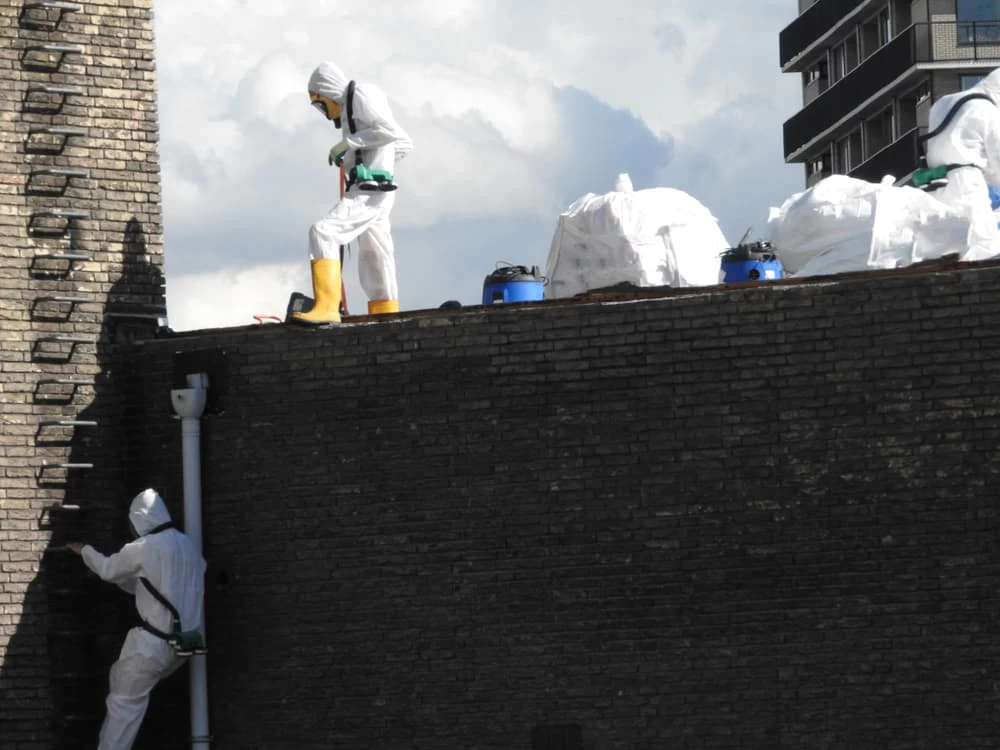
Once the scope is confirmed, the abatement work begins under full containment. The work area is isolated using negative air pressure and poly sheeting so that disturbed fibers can’t migrate into the rest of your home. Every licensed asbestos handler on our crew works under the requirements of New York State’s 12 NYCRR Part 56 the state regulation that governs every asbestos project in New York, including right here in Hamptonburgh. If your project requires notification to the NYS Department of Labor or the DEC under federal NESHAP rules, we handle that before work starts, not after.
When the abatement is complete, an independent industrial hygienist not Green Island Group conducts post-abatement air monitoring and issues a written clearance certificate. That document is your record that the job was done correctly, verified by a third party. For homeowners in the middle of a sale transaction or a renovation that’s been paused, that certificate is often the last thing standing between you and moving forward.
Asbestos abatement in an older Kipps-area home isn’t a single task it’s a sequence of regulated steps, and every one of them matters. We handle the full scope: initial assessment and material sampling, licensed abatement under full containment, proper disposal at a licensed Class II landfill (asbestos waste must be wetted, double-bagged in 6-mil poly, and labeled per OSHA requirements it can’t go in a dumpster), and coordination with an independent industrial hygienist for post-abatement air clearance. You get the clearance certificate at the end. That’s not optional under New York State law, and it’s not something you have to chase down yourself.
The most common materials we remove in homes like those along NY 207 and the surrounding Hamptonburgh roads are 9×9 and 12×12 vinyl asbestos floor tiles, asbestos pipe insulation on older boiler and steam heating systems, popcorn and spray-textured ceilings, and asbestos-containing roofing felt or transite siding on older outbuildings and accessory structures. If you have an older barn or detached garage on your property common in this rural part of Orange County those structures often contain asbestos roofing or siding materials that need to be assessed before any demolition or renovation work touches them.
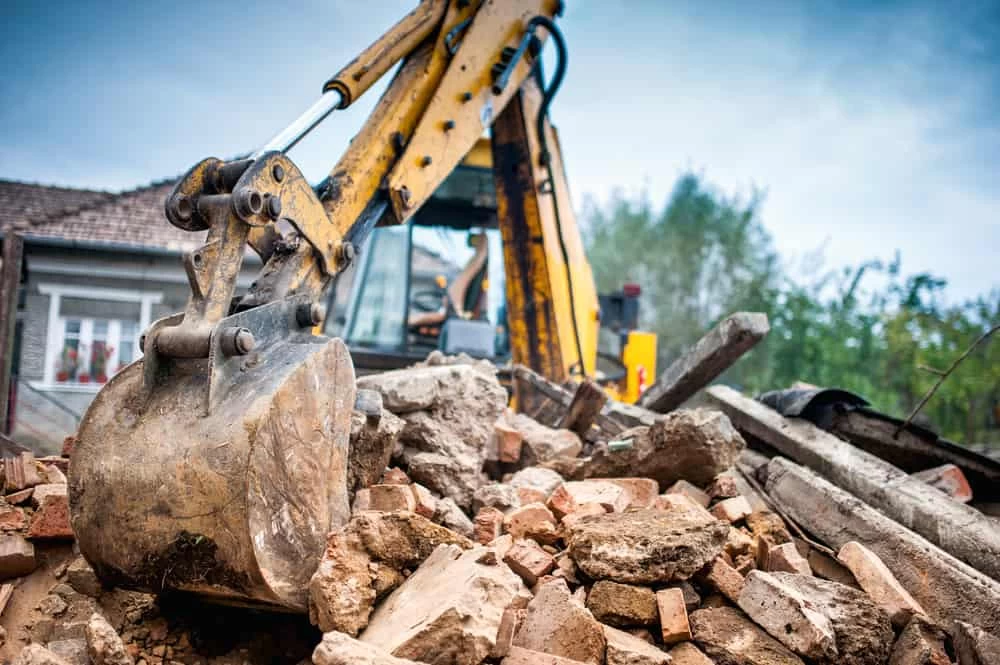
We also handle mold remediation, lead paint removal, water damage restoration, and demolition under the same roof. In a community where older homes in Kipps frequently present more than one hazard at a time, that matters. You don’t have to coordinate four separate contractors while your project sits idle. If your basement has asbestos pipe insulation and a moisture problem, both get addressed. One call, one team, one timeline.
Does my older home in Kipps, NY likely contain asbestos materials?
If your home was built before 1980, there’s a real possibility and in Kipps and the surrounding Hamptonburgh area, a significant portion of the housing stock falls into that window. Homes built between the 1940s and late 1970s commonly contain asbestos in floor tiles, pipe insulation, textured ceilings, roofing materials, and joint compound. Many of these homes along NY 207 and the rural roads of Kipps and Hamptonburgh haven’t undergone major renovations since they were built, which means the original materials are likely still in place.
The only way to know for certain is to have the materials sampled and tested by a licensed professional. Visual identification isn’t reliable asbestos-containing materials often look identical to non-asbestos versions of the same product. If you’re planning a renovation, buying or selling a home in Kipps, or dealing with water damage in an older property, getting an assessment done before work begins is the right move. It protects you legally, keeps your contractor legal, and prevents a situation where disturbed asbestos becomes a much larger and more expensive problem mid-project.
Can my general contractor legally remove asbestos during a renovation in New York?
No. In New York State, asbestos abatement must be performed by a contractor holding a valid NYS Department of Labor Asbestos Contractor License. A general contractor even a highly qualified one cannot legally remove asbestos-containing materials unless they hold that specific license. This applies statewide, including in the Town of Hamptonburgh and Kipps. If your GC pulls up old floor tiles or cuts into pipe insulation without that credential, they’re in violation of 12 NYCRR Part 56, and you as the property owner can be exposed to liability as well.
This comes up frequently in Kipps-area renovations because many homeowners don’t find out they have asbestos until a renovation is already underway. The general contractor discovers the material, the project stops, and now the homeowner needs a licensed abatement contractor before anything can continue. We handle exactly this scenario we can mobilize quickly, complete the abatement under full regulatory compliance, and get your project moving again with the documentation your GC and building department need to proceed.
How long does asbestos abatement take for a typical Hamptonburgh home?
For most residential projects a single room with asbestos floor tiles, a section of pipe insulation in a basement, or a popcorn ceiling in one or two rooms abatement typically takes one to three days of active work. That doesn’t include the post-abatement air monitoring period, which requires the space to remain undisturbed while the industrial hygienist conducts clearance testing. Depending on the scope, the full process from start to clearance certificate can run three to five days for a standard residential job.
Larger projects whole-house tile removal, full basement pipe insulation, or abatement prior to demolition of an older structure take longer and require advance notification to the NYS Department of Labor and potentially the DEC under federal NESHAP rules. If you’re on a renovation timeline or approaching a real estate closing in Kipps, the earlier you get an assessment scheduled, the better. Waiting until the week before closing to address a flagged asbestos issue is one of the most common and avoidable sources of transaction delays in the Orange County real estate market right now.
Do I have to leave my house during asbestos removal in Kipps, NY?
It depends on the location and scope of the work. For contained projects a basement pipe insulation removal, a single-room floor tile abatement, or a ceiling in one area of the house it’s often possible for occupants to remain in unaffected parts of the home while work is underway, as long as the containment barriers are properly established and maintained. We use negative air pressure containment to prevent fiber migration beyond the work area, which is a regulatory requirement under 12 NYCRR Part 56, not just a best practice.
That said, for larger projects or situations where the work area is in a high-traffic part of the home a main living area, a kitchen, or a primary HVAC zone temporary relocation during active abatement is the safer and more practical choice. Your specific situation will be assessed before work begins, and you’ll have a clear answer before anything starts. No one should be walking into asbestos abatement without knowing exactly what to expect in terms of access, timeline, and reoccupancy.
What does asbestos abatement cost for a home in Orange County, NY?
Cost varies based on the type of material, the quantity, the location within the home, and the complexity of the containment required. For a single room of asbestos floor tile removal in an Orange County home, you’re typically looking at a range starting around $1,500 to $3,000. Pipe insulation removal in a basement, popcorn ceiling abatement in multiple rooms, or pre-demolition abatement of an older outbuilding will run higher larger projects can range from $5,000 into the $15,000 to $20,000 range depending on scope.
What changes the number most is what’s actually there and how much of it needs to come out. That’s why a proper assessment before quoting matters you don’t want a number based on assumptions. We provide written estimates after assessment, not ballpark figures over the phone. For projects where the cost is unexpected a mid-renovation discovery that wasn’t in the budget we offer 0% APR financing up to $200,000 for qualifying projects. That option exists specifically because asbestos rarely shows up on schedule, and a renovation shouldn’t have to stop because of it.
Is asbestos abatement required before selling an older home in Hamptonburgh?
There’s no blanket legal requirement in New York State that forces a seller to abate asbestos before listing or closing but the practical reality of the current Orange County real estate market makes it almost unavoidable in many cases. Home inspectors are increasingly flagging suspected asbestos-containing materials, buyers are requesting abatement as a condition of sale, and lenders particularly for FHA and VA loans often require documented clearance before they’ll fund a transaction involving a property with known or suspected ACMs.
The post-abatement clearance certificate that our process produces is exactly the document that resolves these situations. It’s third-party verified, it documents the scope of work, and it confirms that the space meets air quality standards after abatement. For sellers in Kipps and Hamptonburgh dealing with a buyer’s inspection contingency or a lender’s requirement, having that certificate in hand before closing is the difference between a clean transaction and a delayed or collapsed one. Getting ahead of it before the inspection, before the offer, before the pressure of a closing date is almost always the less expensive and less stressful path.