Most homes along Kitchawan Road were built when asbestos was standard. If you’re renovating, selling, or just not sure what’s in your walls get a free on-site inspection from a licensed asbestos abatement contractor who actually knows this area.
I needed a professional consultation explanation of procedure for safe removal of Asbestos in my apartment complex. Without having an account yet, I was very impressed with the caring, knowledgeable and generous advice offered by Jessica, and will look forward to doing business in the future. Thank you so much! I feel much more informed about a sometimes scary endeavor. Peace. Nancy Silva Mineola, NY.
Mia Munoz
Used this company to clean up some water flood in my house. They were fast and easy to work with.very professional, Would recommend to anyone!
Nini Valle
Great company, had a flood and they responded quickly and efficiently. Billed my insurance company directly. I highly recommend this company!
joe colapietro, jr
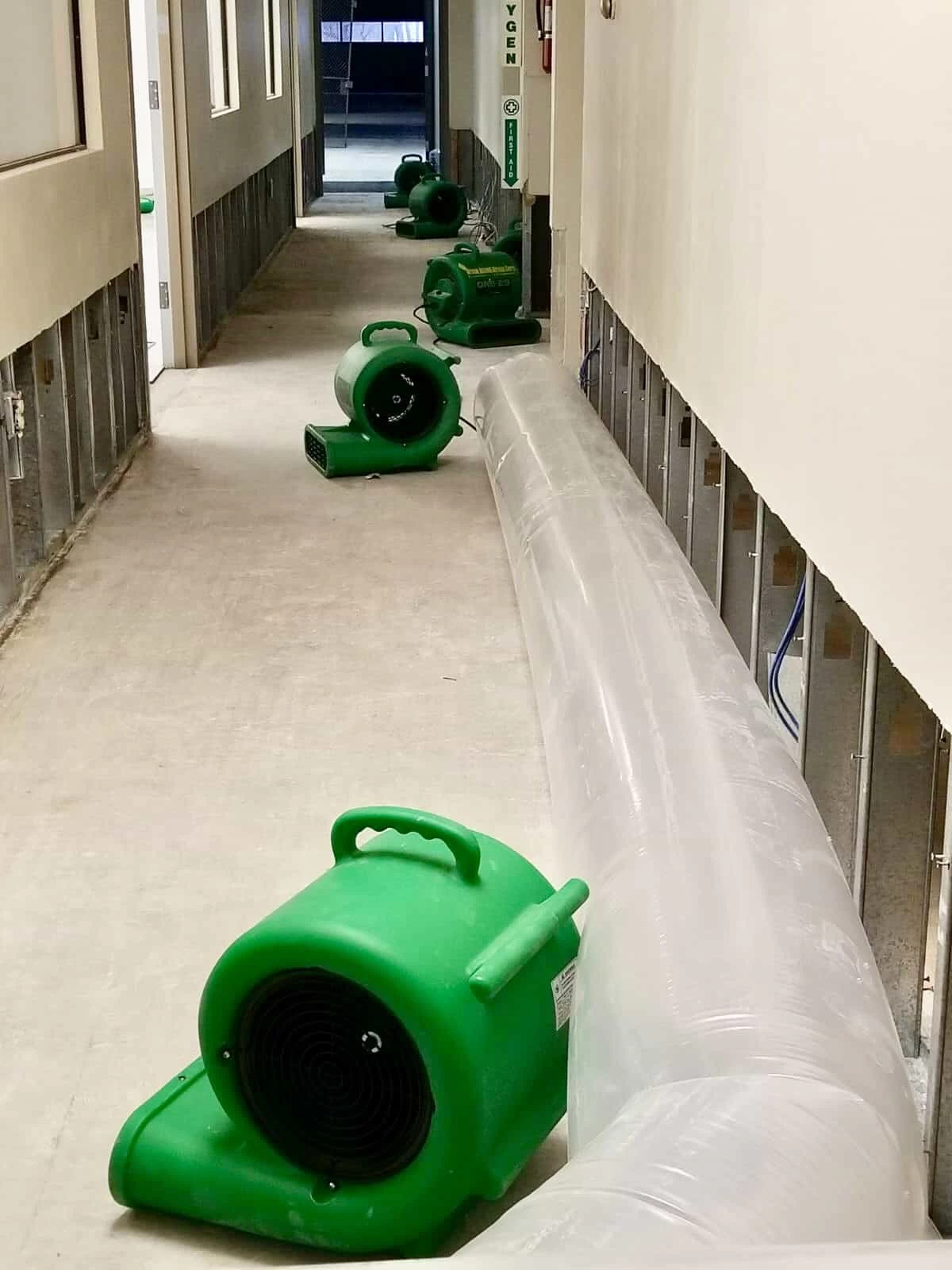
I had pipe freeze in my basement right before a snow storm and they made to within an hour to help start the clean up process. They we by our side throughout the entire process and even helped with the insurance company. They did such a great job with the cleanup, repair, remidiation, I contracted them to perform the repairs and finishes in the basement. They came with enough manpower and material to get the job done. Leo and Jessica were nothing but a pleasure to deal with!!
Cristian Arredondo c
I had some water damage in my home and Green Island was able to take care of my issue quickly and effectively. I am very pleased with the work they did. They responded quickly and were very professional.
Michael M
Outstanding service! From the office to the field crew everyone was friendly, helpful and responsive. I highly recommend Green Island Group.
When you find something that might be asbestos in a floor tile, a ceiling, a pipe wrap the anxiety hits fast. You start wondering if you need to stop the renovation, whether the house is safe, what it means for a sale you’re trying to close. That uncertainty is the real problem, and it’s what proper abatement resolves.
Kitchawan’s housing stock is heavily concentrated in the 1940s through 1960s the exact window when asbestos was used in virtually everything from boiler insulation to drywall joint compound to vinyl floor tiles. If your home in Kitchawan was built in that era, there’s a reasonable chance it contains asbestos-containing materials somewhere. That doesn’t mean your home is dangerous right now, but it does mean you need a licensed professional to assess it before you disturb anything.
Once abatement is complete, you get more than a clean space. You get documentation air clearance records, waste manifests, project completion paperwork that satisfies the Town of Yorktown’s permit process, protects your sale, and gives you a clear record that the work was done correctly. Living adjacent to the New Croton Reservoir watershed means proper disposal isn’t just a regulatory checkbox here. It’s something this community takes seriously, and so do we.
We Know Kitchawan's Homes and the Town's Requirements
We’re based in Yorktown Heights which means Kitchawan isn’t a territory we’re expanding into, it’s a community we already work in. We know the Town of Yorktown’s building department requirements, we understand the housing stock along Kitchawan Road, and we’re familiar with the environmental sensitivities that come with working near the reservoir watershed.
Our license portfolio covers everything required to legally perform asbestos abatement in New York State: NYS Department of Labor Asbestos Handling License, NYC DEP Asbestos Contractor License, EPA certification, and NYS DEC compliance certification for disposal. We also hold a Minority/Women-owned Business Enterprise certification from the NYS Office of General Services a state-issued credential, not a self-designation. With over 5,000 completed projects, we’ve handled the full range of materials found in northern Westchester’s older homes, and we provide every client with post-abatement air clearance documentation as a standard deliverable.
It starts with a free on-site inspection. One of our licensed professionals comes to your Kitchawan property, assesses the materials in question, and gives you a straight answer about what you’re dealing with whether that’s confirmed asbestos-containing material, a suspected material that needs lab testing, or something that doesn’t require action at all. No pressure, no upsell, just information.
If abatement is needed, we handle the NYS DOL notification requirements before work begins a mandatory step under New York State Industrial Code Rule 56 that some contractors skip or mishandle. For renovation projects in Kitchawan, this notification also aligns with the Town of Yorktown Building Department’s permit process, which requires documentation of asbestos assessment before certain work can proceed. We coordinate that paperwork so you’re not navigating it alone.
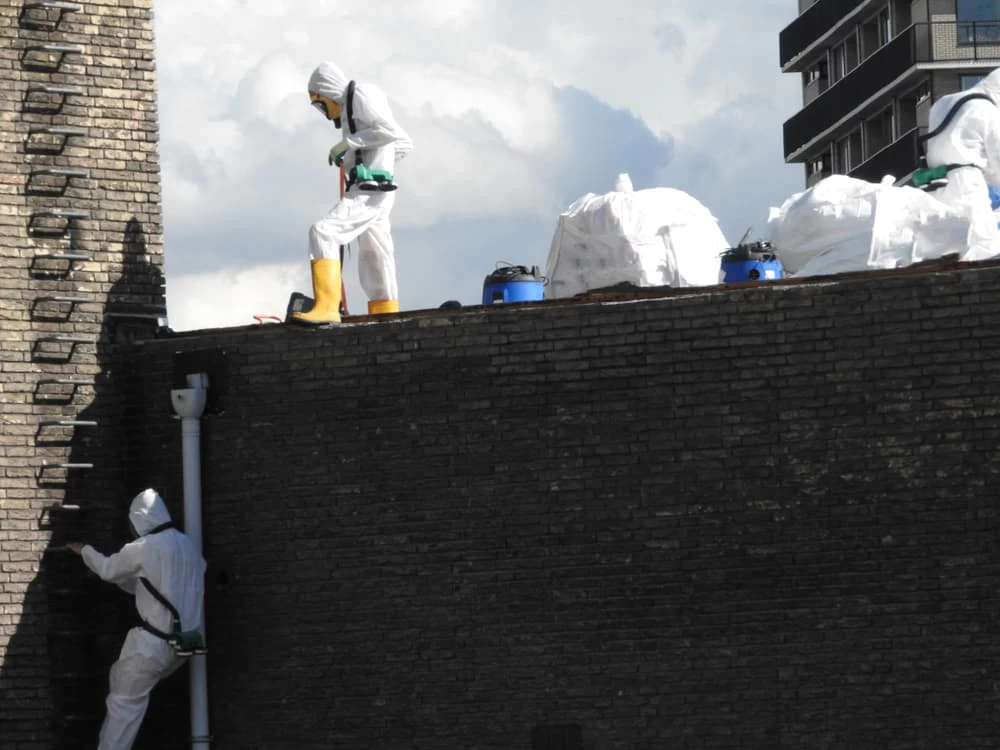
The abatement itself involves full containment of the work area, negative air pressure, HEPA filtration, and licensed removal or encapsulation depending on what the material and situation call for. All asbestos waste leaves the property in sealed, labeled containers with a chain-of-custody manifest tracked from your home to an approved disposal facility. When the work is done, we conduct post-abatement air testing. You receive the clearance documentation in writing, which is what your contractor, your building inspector, or your real estate attorney will ask to see.
Every Material Type. Full Documentation. One Contractor.
Kitchawan homes from the postwar era don’t typically have just one type of asbestos-containing material they have several. A single renovation project might uncover 9×9 vinyl asbestos tile in the basement, acoustic popcorn ceiling texture in the living areas, pipe insulation in the mechanical room, and original joint compound in the walls. We handle all of it under one licensed contractor relationship, which means one scope, one chain of custody, and one set of clearance documents at the end.
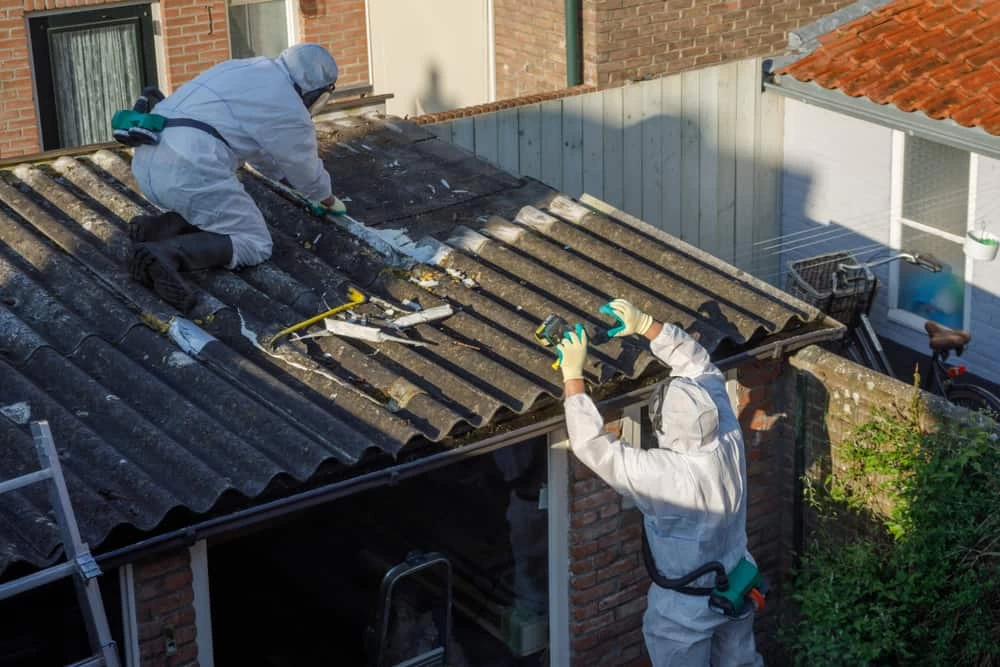
Our asbestos removal services cover floor tile removal, popcorn ceiling removal, pipe and boiler insulation, roofing materials, drywall joint compound, and more. Where removal isn’t necessary intact, non-friable materials in areas that won’t be disturbed we assess whether encapsulation is the appropriate and more cost-effective option. We don’t default to the most expensive approach. We recommend what the material and situation actually require.
For Kitchawan properties near the New Croton Reservoir watershed, our NYS DEC-compliant disposal process includes signed waste manifests and documentation of the approved disposal facility used. If your abatement is connected to a water damage insurance claim common in older northern Westchester homes after winter pipe events we work directly with insurance carriers and handle billing on your behalf. We also offer free inspections and estimates, so you can get accurate information before committing to anything.
Does my Kitchawan home built in the 1950s or 1960s likely contain asbestos?
If your home was built between roughly 1940 and 1979, there’s a realistic chance it contains asbestos-containing materials somewhere. Kitchawan’s housing stock is heavily concentrated in that construction window, and during those decades asbestos was used as a standard building material not an exception. It showed up in floor tiles, ceiling texture, pipe insulation, boiler wrap, roofing shingles, drywall joint compound, and more.
The important distinction is between intact materials and disturbed ones. Asbestos-containing materials that are in good condition and won’t be touched during renovation or daily use don’t necessarily require immediate removal. The risk comes when those materials are cut, sanded, drilled, or otherwise disturbed which releases fibers into the air. If you’re planning any renovation work in a Kitchawan home from that era, or if you’ve noticed damaged insulation or crumbling tile, a professional inspection is the right first step before anything else happens.
Do I need asbestos testing before renovating or pulling a permit in Yorktown?
For most renovation and demolition projects in pre-1980 structures, yes and it’s not just a best practice, it’s a regulatory expectation. New York State Industrial Code Rule 56 governs asbestos abatement statewide and requires that any renovation or demolition work that could disturb asbestos-containing materials be preceded by a proper survey. The Town of Yorktown Building Department enforces this at the local permit level, and contractors working in Kitchawan are familiar with the requirement.
Practically speaking, this means if you’re pulling a permit for a kitchen renovation, a bathroom gut, a basement finishing project, or anything that involves opening walls or removing flooring in a pre-1980 Kitchawan home, you need an asbestos assessment as part of that process. Skipping it doesn’t make the requirement go away it just means you may discover the issue mid-project when your contractor has to stop work. Getting the inspection done before you start keeps your timeline intact and your permit application clean.
What's the difference between asbestos removal and asbestos encapsulation?
Removal means the asbestos-containing material is physically taken out of the structure, sealed, and transported to an approved disposal facility. Encapsulation means the material is treated with a sealant that binds the fibers so they can’t become airborne, and the material is left in place. Both are EPA-recognized approaches, and which one is appropriate depends on the condition of the material, where it’s located, and what you’re planning to do with that space.
For a Kitchawan homeowner who is renovating a space and needs to disturb the material, removal is almost always the right answer you can’t encapsulate something you’re about to cut through. For intact pipe insulation in a mechanical room that won’t be touched, encapsulation may be a legitimate and more cost-effective option. A licensed inspector will assess the specific material and make a recommendation based on what’s actually there, not on what generates the highest invoice. That distinction matters, and it’s worth asking any contractor you speak with to explain their reasoning.
How long does asbestos abatement typically take for a Westchester County home?
Project duration depends on the scope how many material types are involved, how large the affected areas are, and whether the work is part of a larger renovation or a standalone abatement. For a single material type in a contained area, like asbestos floor tile removal in one room or popcorn ceiling removal in a single space, the abatement work itself often takes one to two days. Larger projects involving multiple material types across several areas of a home will take longer.
What adds time in New York State is the mandatory NYS DOL notification period that must be satisfied before abatement work begins this is a state regulatory requirement under Industrial Code Rule 56, not something contractors can waive. Factor that into your project timeline, especially if you have a renovation contractor scheduled to start or a real estate closing approaching. The post-abatement air clearance testing also adds a step at the end, but it’s the documentation that protects you and it’s worth the time. We’ll give you a realistic timeline during the free inspection so you can plan accordingly.
Is asbestos abatement covered by homeowners insurance in New York?
It depends on what triggered the need for abatement. If asbestos-containing materials were disturbed as a result of a covered loss a burst pipe, storm damage, a fire then the abatement associated with that event is typically part of the covered remediation work, and your insurer should be involved. In those situations, we work directly with insurance carriers and handle billing on your behalf, which removes a significant administrative burden when you’re already dealing with a stressful situation.
If the abatement is being done proactively as part of a planned renovation, a pre-sale project, or a routine inspection finding it generally falls outside standard homeowners insurance coverage and is paid out of pocket. That’s the more common scenario for Kitchawan homeowners who are renovating older homes or preparing a property for sale. Either way, the free inspection gives you an accurate scope and cost estimate before you commit to anything, so there are no surprises when the project starts.
How does asbestos waste disposal work near the New Croton Reservoir watershed?
Asbestos waste disposal is regulated at the state level by the NYS DEC regardless of location, but working near a protected watershed like the New Croton Reservoir adds a layer of environmental accountability that licensed contractors in this area take seriously. All asbestos waste must be double-bagged in labeled, sealed containers and transported to a DEC-approved disposal facility it cannot go into standard construction dumpsters or municipal waste streams.
We maintain full chain-of-custody documentation for every project, which means you receive a signed waste manifest that identifies the materials removed, the quantity, the disposal facility used, and the date of disposal. For Kitchawan homeowners who care about what happens to that waste after it leaves their property and many do, given how close this community is to the reservoir and the Teatown Lake Reservation corridor that paper trail is the concrete proof that disposal was handled correctly. It’s also the documentation that regulators, real estate attorneys, and building inspectors may ask to see, so it serves a practical purpose beyond peace of mind.