Your 1970s LaGrange Home Probably Has It Here's What to Do
Most homes in Lagrangeville were built during the decades when asbestos was standard. If you’re renovating, selling, or just found something that doesn’t look right, we handle asbestos abatement the right way licensed, documented, and done.
I needed a professional consultation explanation of procedure for safe removal of Asbestos in my apartment complex. Without having an account yet, I was very impressed with the caring, knowledgeable and generous advice offered by Jessica, and will look forward to doing business in the future. Thank you so much! I feel much more informed about a sometimes scary endeavor. Peace. Nancy Silva Mineola, NY.
Mia Munoz
Used this company to clean up some water flood in my house. They were fast and easy to work with.very professional, Would recommend to anyone!
Nini Valle
Great company, had a flood and they responded quickly and efficiently. Billed my insurance company directly. I highly recommend this company!
joe colapietro, jr
I had pipe freeze in my basement right before a snow storm and they made to within an hour to help start the clean up process. They we by our side throughout the entire process and even helped with the insurance company. They did such a great job with the cleanup, repair, remidiation, I contracted them to perform the repairs and finishes in the basement. They came with enough manpower and material to get the job done. Leo and Jessica were nothing but a pleasure to deal with!!
Cristian Arredondo c
I had some water damage in my home and Green Island was able to take care of my issue quickly and effectively. I am very pleased with the work they did. They responded quickly and were very professional.
Michael M
Outstanding service! From the office to the field crew everyone was friendly, helpful and responsive. I highly recommend Green Island Group.
When asbestos is properly removed and cleared not just covered up your home stops being a liability and goes back to being what it’s supposed to be. Your renovation moves forward. Your family moves back in. And if you’re selling, you’re not walking into a negotiation with an open question hanging over the deal.
For Lagrangeville homeowners, that matters more than most people realize. About 40% of homes in the Town of LaGrange were built between 1960 and 1980 the exact window when asbestos was used in floor tiles, pipe insulation, ceiling texture, and more. These are IBM-era homes: solid, well-built, and aging into the kind of renovation cycle that tends to surface exactly this problem. Knowing it’s there is step one. Having it handled correctly is what actually protects you.
The other thing that changes is documentation. After abatement, you have a paper trail air clearance results, licensed contractor records, disposal documentation. In Dutchess County’s active real estate market, where homes in the 12540 ZIP code average around $344,500, that documentation is worth real money. Buyers ask. Inspectors flag it. Proper abatement turns a deal-killer into a non-issue.
5,000 Projects In. We Know What's Inside These Walls.
We’ve been doing asbestos abatement across New York State for over 12 years, with more than 5,000 completed projects. That’s not a number we throw out to sound impressive it means we’ve seen virtually every type of asbestos-containing material used in residential construction, including the 9×9 vinyl floor tiles, popcorn ceilings, and boiler wrap that show up constantly in the ranch homes and split-levels built along the Route 55 and Taconic corridors during the 1960s and 1970s around Lagrangeville.
We hold NYS Department of Labor licensing, EPA AHERA accreditation, and MWBE certification as a New York State approved contractor. We also bill insurance directly, which matters when your abatement discovery is tied to a water damage or storm claim you’re already managing. We’re not a one-trick shop either asbestos, mold, water damage, and fire restoration are all handled under one roof. For Lagrangeville homeowners dealing with more than one problem at once, that’s a real difference.
Asbestos Remediation Process for Lagrangeville Homes
From the First Call to the Air Clearance Report No Guesswork
It starts with a free assessment. We come out, look at what you’re dealing with, and give you a straight answer about what’s there, what needs to happen, and what it’s going to cost. No pressure, no upsell just information so you can make a decision.
If abatement is needed, we handle the NYS Department of Labor notification requirements before any work begins. New York State requires licensed contractors to follow Industrial Code Rule 56 for all asbestos removal, and Dutchess County falls under active enforcement by the NYS DOL Asbestos Control Bureau. That’s not paperwork you want to navigate yourself, and it’s not something an unlicensed contractor can legally do for you. We manage all of it.
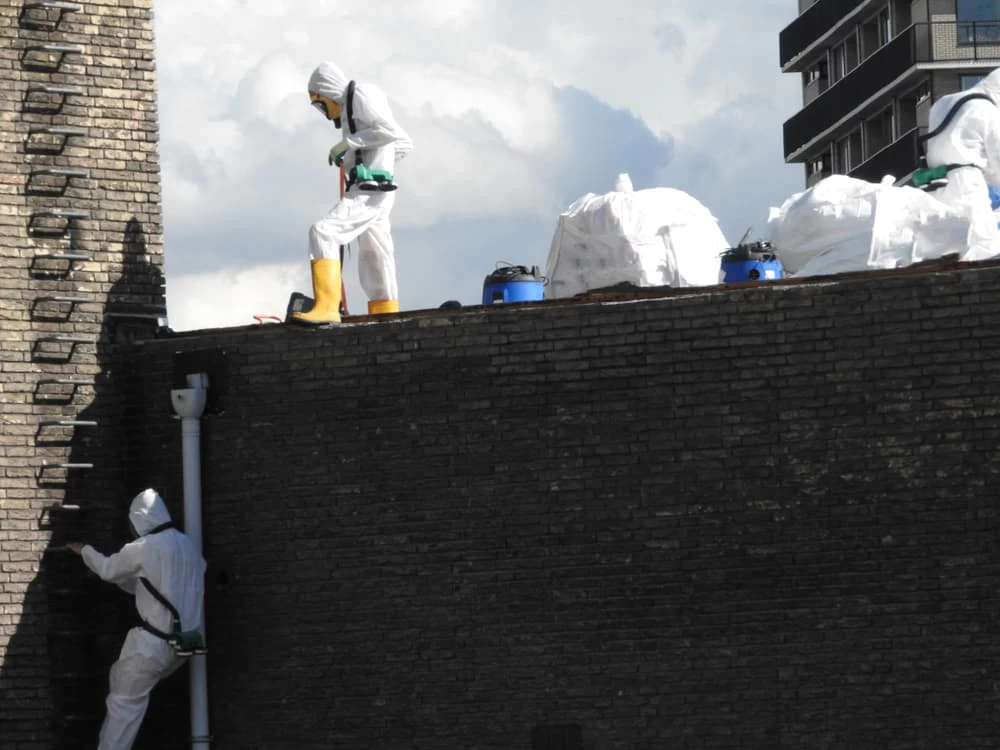
The removal itself is done under full containment negative air pressure, sealed work zones, proper protective equipment. Asbestos waste is packaged, transported by licensed haulers, and disposed of at approved facilities per NYS DEC requirements. Once the work is complete, we conduct post-abatement air clearance testing before the space is reoccupied. You get the results in writing. That’s the documentation that protects you in a future sale, a future inspection, or any future question about what was done and when.
The Materials We See Most in LaGrange and How We Handle Them
The most common asbestos-containing materials we find in Lagrangeville homes are vinyl asbestos floor tiles specifically the 9×9 inch tiles that were standard in kitchens, bathrooms, and basements built during the 1960s and 1970s. Asbestos tile removal is one of the most frequent jobs we do in this area, and the process is methodical: containment, careful removal without grinding or breaking, proper disposal, and clearance testing before the floor gets refinished or replaced.
Popcorn ceiling removal is the other call we get constantly from homeowners renovating IBM-era homes in the 12540 area. Textured ceilings applied before 1980 frequently contain asbestos, and disturbing them without proper abatement even just scraping a section to test a paint color can release fibers. We handle asbestos popcorn ceiling removal under full containment, and we can coordinate directly with your renovation contractor so the project timeline doesn’t stall longer than necessary.
Beyond tiles and ceilings, we regularly handle pipe insulation, boiler wrap, attic insulation, roofing shingles, and exterior siding all materials common in the housing stock built along the Scenic Hills and Freedom Plains neighborhoods of LaGrange. If you’re not sure what you have, the assessment will tell you. If you know what you have, we already know how to remove it.
Do most homes in Lagrangeville actually have asbestos, or is it overstated?
It’s not overstated for Lagrangeville. Approximately 40% of homes in the Town of LaGrange were built between 1960 and 1980 the decades when asbestos was used most extensively in residential construction. That covers floor tiles, ceiling texture, pipe and boiler insulation, roofing materials, and certain types of siding. The residential boom that built most of Lagrangeville happened because IBM expanded into Dutchess County in the late 1950s, which means a large portion of the housing stock here was built right in the middle of peak asbestos use.
That doesn’t mean every home has a problem. Asbestos that’s intact and undisturbed is generally not an immediate health risk. The issue comes when materials are damaged, deteriorating, or about to be disturbed during a renovation. If your home was built before 1980 and you’re planning any significant work, an inspection before you start is the right move and in New York State, it’s essentially required before renovation or demolition on pre-1980 properties.
How much does asbestos removal typically cost in Dutchess County, NY?
Cost depends on what materials are involved, how much of it there is, and the complexity of the space. Nationally, residential asbestos removal averages around $2,170, with most projects falling between $1,300 and $3,050. In New York State, you should expect to be at or above the higher end of that range NYS DOL licensing requirements, mandatory disposal through approved facilities, and post-abatement air clearance testing all add to the cost compared to states with lighter regulations.
For Lagrangeville homeowners, the more useful way to think about cost is in context. A home worth $344,500 with undisclosed or improperly handled asbestos is a legal and financial liability in any future transaction. Proper abatement with documentation is an investment that protects that asset. We offer a free assessment so you know exactly what you’re looking at before committing to anything no estimates that balloon after the work starts.
Can I stay in my house while asbestos abatement is being done in Lagrangeville?
In most cases, no at least not in or near the work area. During abatement, the affected space is sealed under negative air pressure containment, and access is restricted to licensed workers in full protective equipment. Depending on the scope of the project, the rest of the home may remain accessible, but we’ll walk you through exactly what’s feasible during the assessment based on where the materials are located and how the work area needs to be contained.
For families with children in the Arlington Central School District, we understand that timing matters. Many Lagrangeville homeowners coordinate abatement during a planned vacation or over a school break to minimize disruption. We can also work around renovation contractor schedules so you’re not paying a crew to stand by while abatement is completed. The key is that no one re-enters the work area until post-abatement air clearance testing confirms the space is safe that step isn’t optional, and we don’t skip it.
What happens if asbestos is discovered during a home inspection in LaGrange, NY?
It’s one of the more common calls we get from the Lagrangeville area. A buyer’s inspector flags a suspicious material floor tiles, pipe wrap, ceiling texture and suddenly the transaction is on hold. What happens next depends on how the purchase agreement is written, but in most cases the seller is given the option to remediate before closing or negotiate a price adjustment. Buyers in Dutchess County’s competitive market increasingly expect sellers to handle it rather than take a credit.
If you’re the seller, getting proper abatement done quickly with documentation is almost always the better path. It removes the contingency, keeps the deal alive, and gives the buyer confidence. If you’re the buyer, you want to see a licensed contractor’s completion report and air clearance results, not just a verbal assurance. We provide both, and we can move quickly when a transaction timeline is driving the urgency.
Is asbestos floor tile removal required before I renovate my Lagrangeville kitchen or bathroom?
If those tiles contain asbestos which 9×9 vinyl tiles from the 1960s and 1970s very frequently do then yes, they need to be properly abated before any renovation work disturbs them. Under New York State law, renovation or demolition on pre-1980 properties requires a thorough asbestos inspection first, and any identified asbestos-containing materials must be handled by a licensed abatement contractor before other trades can work in that area.
The practical reason matters just as much as the legal one. Cutting, grinding, or breaking asbestos floor tiles releases fibers. A flooring contractor who doesn’t know what they’re pulling up can create a contamination situation that costs far more to remediate than the original tile removal would have. We do asbestos tile removal regularly in Lagrangeville homes it’s contained, methodical work, and it’s typically completed faster than homeowners expect. Getting it handled first keeps your renovation on schedule and keeps your family safe.
Does Green Island Group handle asbestos abatement for real estate transactions in the 12540 ZIP code?
Yes, and it’s a significant part of what we do in the Lagrangeville area. The 12540 ZIP code covers a housing stock that’s heavily concentrated in the 1960–1980 build range, which means asbestos discoveries during real estate transactions are common not rare. We work with sellers who need abatement completed before listing, buyers who’ve made purchase contingent on remediation, and real estate attorneys who need documentation for closing.
What makes this work in a transaction context is speed and paperwork. We can typically assess quickly, give you a clear timeline, and provide the completion documentation licensed contractor records, disposal manifests, and air clearance test results that title companies, attorneys, and buyers need to move forward. If you’re in the middle of a deal and asbestos has come up, the sooner you call, the more options you have for keeping the timeline intact.