Lake Carmel's Cottage History Left More Than Charm Behind
Those 1930s bungalows built around the lake were never meant to last this long and the materials inside them weren’t meant to be disturbed. If you’re renovating, selling, or just found something that doesn’t look right, we handle asbestos abatement in Lake Carmel, NY the right way: licensed, documented, and done.
I needed a professional consultation explanation of procedure for safe removal of Asbestos in my apartment complex. Without having an account yet, I was very impressed with the caring, knowledgeable and generous advice offered by Jessica, and will look forward to doing business in the future. Thank you so much! I feel much more informed about a sometimes scary endeavor. Peace. Nancy Silva Mineola, NY.
Mia Munoz
Used this company to clean up some water flood in my house. They were fast and easy to work with.very professional, Would recommend to anyone!
Nini Valle
Great company, had a flood and they responded quickly and efficiently. Billed my insurance company directly. I highly recommend this company!
joe colapietro, jr
I had pipe freeze in my basement right before a snow storm and they made to within an hour to help start the clean up process. They we by our side throughout the entire process and even helped with the insurance company. They did such a great job with the cleanup, repair, remidiation, I contracted them to perform the repairs and finishes in the basement. They came with enough manpower and material to get the job done. Leo and Jessica were nothing but a pleasure to deal with!!
Cristian Arredondo c
I had some water damage in my home and Green Island was able to take care of my issue quickly and effectively. I am very pleased with the work they did. They responded quickly and were very professional.
Michael M
Outstanding service! From the office to the field crew everyone was friendly, helpful and responsive. I highly recommend Green Island Group.
Most people don’t call about asbestos because they want to they call because something forced the issue. A contractor told them to stop work. A home inspector flagged something. A floor tile cracked open in the basement and now they’re not sure what they’re dealing with. Whatever brought you here, the outcome you need is the same: a clean, documented result that lets you move forward.
For Lake Carmel homeowners, that’s not always simple. The homes here were built in layers. The Smadbeck brothers started developing this community in 1928, selling modest cottages as weekend getaways for city families. Over the following decades, those same cottages got winterized, expanded, re-floored, re-insulated, and renovated often multiple times. The median construction year for homes in this area is 1972, which means most of them were touched during the peak decades of asbestos use. You might have original materials from the 1940s sitting underneath a 1960s floor tile sitting underneath a 1970s adhesive. Each layer is its own question.
When we complete an abatement job in Lake Carmel, you walk away with independent air clearance documentation not just our word that the work is done, but verified test results showing the space meets OSHA and NIOSH clearance standards. That paperwork matters for your insurance carrier, your mortgage lender, and anyone who buys this home after you. It’s the difference between a job that’s finished and a job that’s proven.
12 Years In. Every Credential Earned, Not Claimed.
We’ve been doing this work for over 12 years, serving residential, commercial, and government clients across New York State including all of Putnam County, where Lake Carmel sits. We hold the NYS Department of Labor Asbestos License required under Industrial Code Rule 56, which is the only credential that actually matters under New York law. You can verify it on the NYS DOL contractor listing before you ever pick up the phone.
We’ve completed asbestos abatement projects for the NYS Office of General Services, the NYS Office of Mental Health, DASNY, and Nassau and Suffolk County. That’s not name-dropping it means the same licensed team and documented process we use for state agencies is what shows up at your Lake Carmel home. We also hold NYS DOL Mold licensure, USEPA Lead certification, and IICRC Water/Fire Damage certification, which matters in a community where aging homes near the water often carry more than one hazard at a time.
No Surprises Here's Exactly What the Process Looks Like
It starts with an assessment. Before anything is removed, the materials in question need to be identified and tested. In Lake Carmel, where a single home might contain construction materials from three or four different decades, a thorough assessment isn’t optional it’s what tells you what you’re actually dealing with and what the scope of work will be.
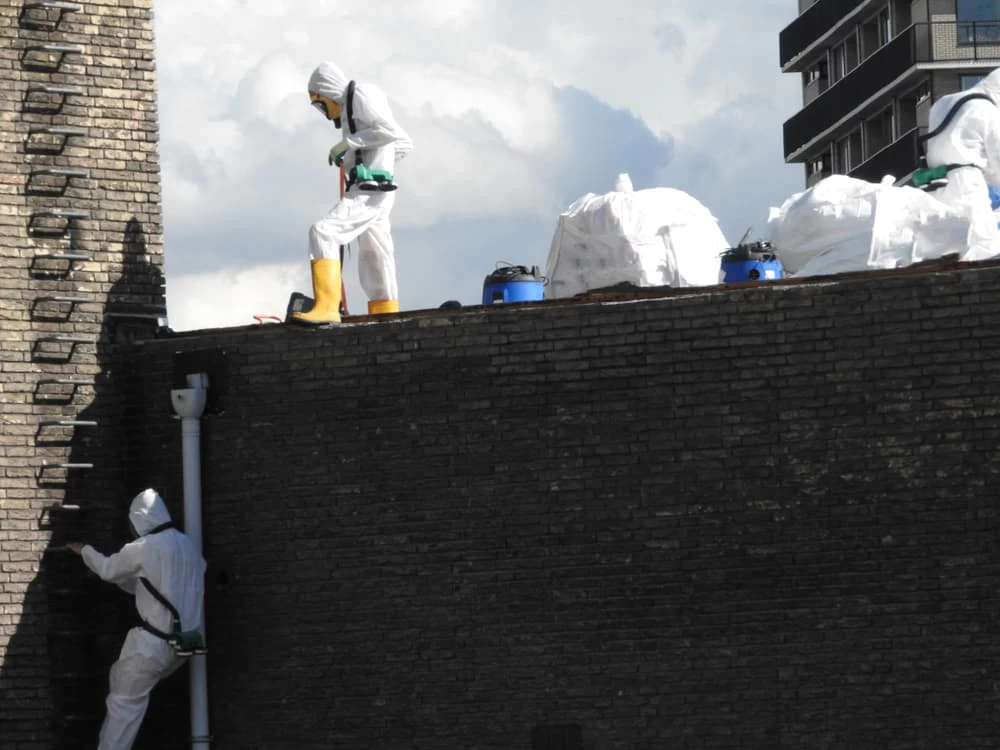
Once the assessment is complete and asbestos-containing materials are confirmed, we handle the permit and notification filings required under NYS Industrial Code Rule 56 and coordinate with the Town of Kent’s building permit process. You don’t have to figure out which office to call or what forms to file that’s managed for you. The abatement itself uses wet removal methods and negative air pressure containment to keep fibers from spreading to the rest of the structure. Workers go through a decontamination unit on the way out. Nothing leaves the containment zone until it’s properly sealed and packaged for disposal under NYS DEC regulations.
After the work is done, an independent licensed air monitoring contractor separate from us conducts post-abatement clearance testing. That independence matters. The results have to meet OSHA and NIOSH clearance standards before the containment is broken and the space is cleared for reoccupancy. When you get the documentation at the end, it reflects a process that was done by the book because in Putnam County, that’s the only way it should be done.
Every Material Type Covered Not Just the Obvious Ones
Asbestos doesn’t just live in one place. In Lake Carmel’s housing stock, it shows up in floor tiles especially the 9×9 vinyl tiles common in postwar cottage renovations in the mastic adhesive underneath them, in pipe and boiler insulation added when heating systems were upgraded in the 1950s and 60s, in popcorn ceiling texture applied during 1970s remodels, in roofing shingles, and in exterior siding. We handle all of it, not just the material that’s easiest to reach.
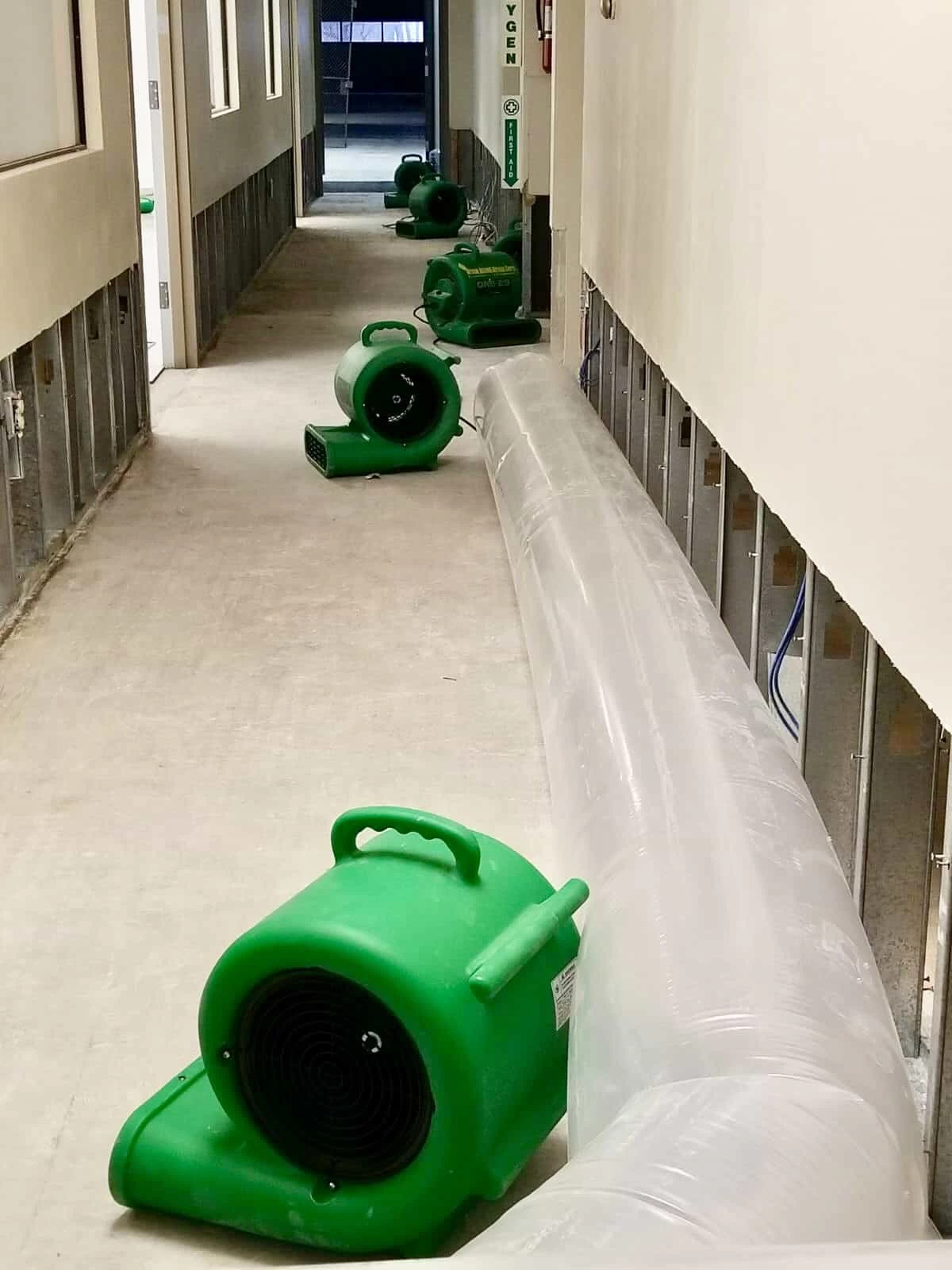
Asbestos tile removal, popcorn ceiling removal, pipe insulation abatement, roofing and siding removal the scope depends on what your assessment turns up, and the process is the same regardless of material type: proper containment, wet removal, air monitoring, and documented disposal. For homeowners near the lake dealing with water-damaged basements, there’s an added layer water intrusion commonly disturbs floor tile adhesives and pipe insulation in crawl spaces and utility areas, which is exactly where asbestos tends to hide in older Lake Carmel homes. Because we also hold IICRC Water/Fire Damage certification, we can assess and address both issues without you needing to coordinate a second contractor.
If your home also has lead paint or mold concerns which is common in pre-1978 properties throughout Putnam County those can be handled under the same engagement. One team, one timeline, one complete set of compliance documents at the end.
Does my Lake Carmel home actually need asbestos testing before renovation?
If your home was built or significantly renovated before 1980, yes and in Lake Carmel, that covers the overwhelming majority of the housing stock. The community was developed starting in 1928, and most of its homes were built or expanded through the 1940s, 50s, 60s, and 70s, right when asbestos-containing materials were standard in residential construction. The median construction year here is 1972.
Before any renovation work that disturbs walls, floors, ceilings, insulation, or roofing in a pre-1980 home, New York State requires that asbestos be assessed. If asbestos-containing materials are identified and will be disturbed, abatement must be completed by a NYS DOL licensed contractor before the renovation can proceed. The Town of Kent’s building permit process also factors this in you’ll need to demonstrate the hazard has been addressed before certain permits are issued. Skipping the testing step doesn’t make the risk go away; it just creates liability that lands on you.
How much does asbestos removal cost for a typical Lake Carmel house?
It varies based on what materials are involved, how many rooms are affected, whether the asbestos is friable (crumbling, airborne-ready) or non-friable (intact and bonded), and the overall square footage of the containment area. Nationally, asbestos removal costs range from around $462 on the low end for a single small area up to $6,000 or more for larger or more complex jobs, with an average around $2,239.
For Lake Carmel specifically, the layered construction history of many homes original cottage materials plus postwar additions plus 1970s renovations can mean multiple material types in a single property, which affects scope and cost. A bathroom with asbestos floor tile is a different job than a basement with deteriorating pipe insulation and damaged ceiling texture. The only way to get an accurate number is after a proper assessment. What you should factor in regardless of price: the cost of doing it wrong a failed real estate inspection, an insurance issue, or a renovation that has to stop mid-project is always more expensive than doing it right the first time.
What types of asbestos-containing materials are most common in older Lake Carmel homes?
The most frequently encountered materials in Lake Carmel’s cottage-era housing stock are 9×9 vinyl floor tiles and the mastic adhesive used to install them both widely used in postwar renovations and winterization projects from the 1940s through the 1960s. Pipe and boiler insulation is another common find, particularly in basements and utility areas where heating systems were upgraded as cottages were converted to year-round homes.
Popcorn ceiling texture is common in homes renovated during the late 1960s and 1970s, and it’s one of the materials people most frequently disturb accidentally scraping or sanding a popcorn ceiling without testing it first is one of the more common exposure scenarios. Roofing shingles and exterior siding from the same era can also contain asbestos, which becomes relevant during re-roofing or siding replacement projects. The layered nature of many Lake Carmel homes means it’s not unusual to find two or three of these material types in a single property, each from a different construction era.
Do I have to leave my house during asbestos abatement in New York State?
It depends on the scope and location of the work. For contained, single-room jobs a bathroom floor tile removal or a section of pipe insulation in a utility room occupants may be able to remain in unaffected parts of the home while work is underway, provided the containment is properly established and negative air pressure is maintained. For larger jobs involving multiple rooms, whole-floor abatement, or materials in HVAC pathways, temporary relocation is typically recommended and sometimes required.
We walk you through this clearly before work begins, based on the specific scope of your job. What matters most is that the containment is doing its job keeping fibers isolated from the living space. We coordinate around client schedules and work with building management where applicable, which is particularly relevant for Lake Carmel homeowners who commute and have limited weekday availability. The goal is always to minimize disruption while maintaining the safety standards the process requires.
What happens if asbestos is found during a home inspection in Lake Carmel?
Finding asbestos during a home inspection doesn’t automatically kill a real estate transaction, but it does need to be handled correctly. The most common outcomes are: the seller agrees to complete abatement before closing, the buyer negotiates a price adjustment and handles abatement after purchase, or the parties agree on an escrow arrangement tied to the work being completed. What doesn’t work is ignoring it lenders and insurance carriers increasingly require documentation that asbestos has been assessed and, if necessary, abated before they’ll proceed.
In Lake Carmel’s active real estate market, where older cottages are regularly being bought, sold, and renovated, this situation comes up often. The key is moving quickly once asbestos is identified, because closing timelines don’t pause for remediation delays. Having a licensed contractor who can assess the scope, file the required notifications, complete the work, and deliver independent air clearance documentation within a realistic timeframe is what keeps a transaction on track. We’ve worked within real estate closing timelines before it’s a known part of the job in communities with older housing stock like Lake Carmel.
How do I verify that an asbestos contractor in Putnam County is actually licensed?
The NYS Department of Labor maintains a public contractor listing where you can verify any asbestos abatement contractor’s license status before signing a contract. For work in Putnam County, the relevant regulatory authority is the NYS DOL Albany District Office, which oversees compliance with Industrial Code Rule 56 across the region. That’s different from New York City, where the DEP runs a separate permitting process so if you’re talking to a contractor who keeps referencing NYC DEP forms for your Lake Carmel job, that’s worth questioning.
What you’re looking for is a current NYS DOL Asbestos Contractor License, held by the company doing the work not just an individual handler certification. We hold this license. Beyond the license itself, ask whether they carry both general liability insurance and worker’s compensation coverage. An uninsured contractor working on your property creates a liability exposure that falls on you if something goes wrong. Licensing, insurance, and post-abatement air clearance documentation from an independent monitoring contractor are the three things that separate a legitimate abatement job from one that creates more problems than it solves.