If your home was built before 1980, there’s a real chance asbestos is somewhere inside it and the only way to know for sure is to test it properly before anything gets disturbed.
I needed a professional consultation explanation of procedure for safe removal of Asbestos in my apartment complex. Without having an account yet, I was very impressed with the caring, knowledgeable and generous advice offered by Jessica, and will look forward to doing business in the future. Thank you so much! I feel much more informed about a sometimes scary endeavor. Peace. Nancy Silva Mineola, NY.
Mia Munoz
Used this company to clean up some water flood in my house. They were fast and easy to work with.very professional, Would recommend to anyone!
Nini Valle
Great company, had a flood and they responded quickly and efficiently. Billed my insurance company directly. I highly recommend this company!
joe colapietro, jr
I had pipe freeze in my basement right before a snow storm and they made to within an hour to help start the clean up process. They we by our side throughout the entire process and even helped with the insurance company. They did such a great job with the cleanup, repair, remidiation, I contracted them to perform the repairs and finishes in the basement. They came with enough manpower and material to get the job done. Leo and Jessica were nothing but a pleasure to deal with!!
Cristian Arredondo c
I had some water damage in my home and Green Island was able to take care of my issue quickly and effectively. I am very pleased with the work they did. They responded quickly and were very professional.
Michael M
Outstanding service! From the office to the field crew everyone was friendly, helpful and responsive. I highly recommend Green Island Group.
When asbestos is handled correctly inspected, removed, and cleared by a licensed contractor you get something that matters more than a clean room. You get documentation. A certified air clearance report that tells you, your family, your real estate attorney, or your co-op board that the space is actually safe. Not “probably fine.” Verified.
That distinction matters a lot in Laurelton. With median home values pushing $700,000 and most of the neighborhood’s housing stock dating back to the 1940s and 1950s, the stakes are real. Tudor Revivals and brick Cape Cods on these streets were built to last and they have. But the original floor tiles, pipe insulation, and ceiling materials that came with them were installed during an era when asbestos was standard practice. A renovation that disturbs those materials without a proper assessment doesn’t just create a health risk. It can stop a home sale cold.
We handle the full scope inspection, abatement, post-removal air clearance, and if needed, the reconstruction that follows. For homeowners along the Laurelton Estates side of the neighborhood or co-op boards managing buildings in Laurelton Gardens, that means one call, one contractor, and a paper trail that holds up when it counts.
We’re a licensed environmental remediation contractor serving Laurelton and all five New York City boroughs. We hold a NYS Department of Labor Asbestos license, NYC DEP compliance credentials, USEPA Lead/RRP certification, and NYC MWBE status the kind of credential stack that matters when you’re dealing with a regulated material in a regulated city.
Working in Laurelton and the rest of Queens isn’t the same as working in Suffolk County. NYC DEP adds a layer of requirements on top of state law notifications, permits, and completion documentation that not every contractor knows how to navigate. We’ve done this work across the boroughs, including throughout southeast Queens where Laurelton sits, and we understand what compliance actually looks like here, not just on paper.
We also handle what comes after abatement water damage restoration, mold remediation, demolition, reconstruction. For Laurelton homeowners who discover asbestos mid-renovation, that full-service capability means the project doesn’t have to stop and restart with a different crew. It keeps moving.
It starts with an inspection. Before anything is touched, a certified inspector assesses the property and identifies any materials that may contain asbestos. In Laurelton’s older homes many built between the 1920s and 1950s that typically means checking floor tiles, pipe insulation, ceiling texture, roofing materials, and HVAC wrap. If samples are needed, they go to an accredited lab. You get real results, not guesswork.
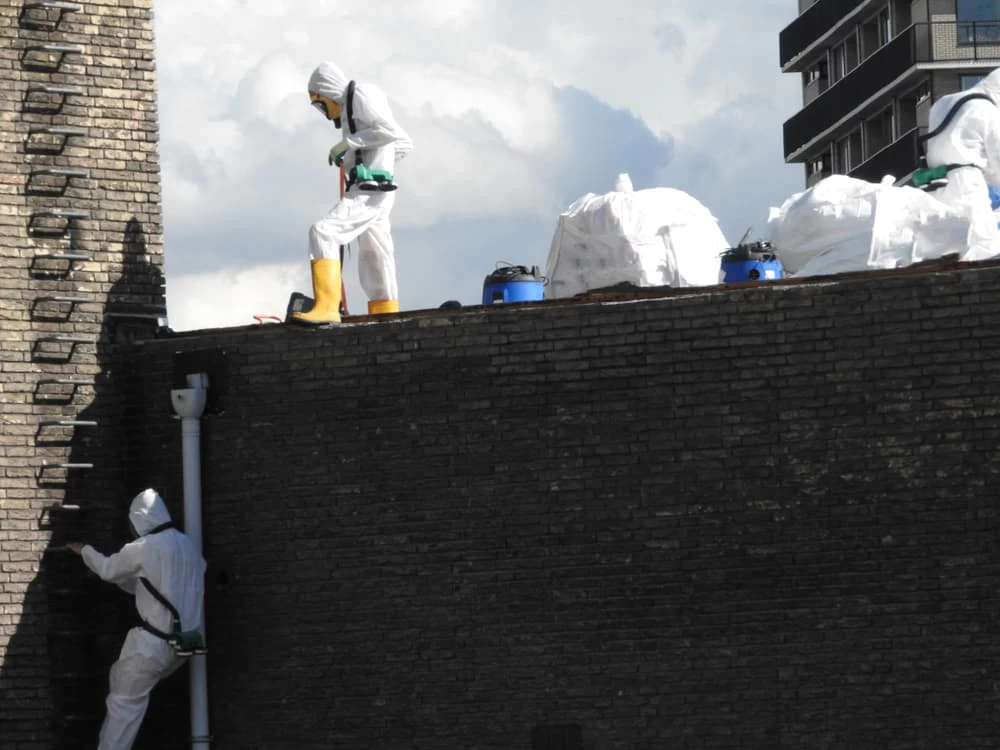
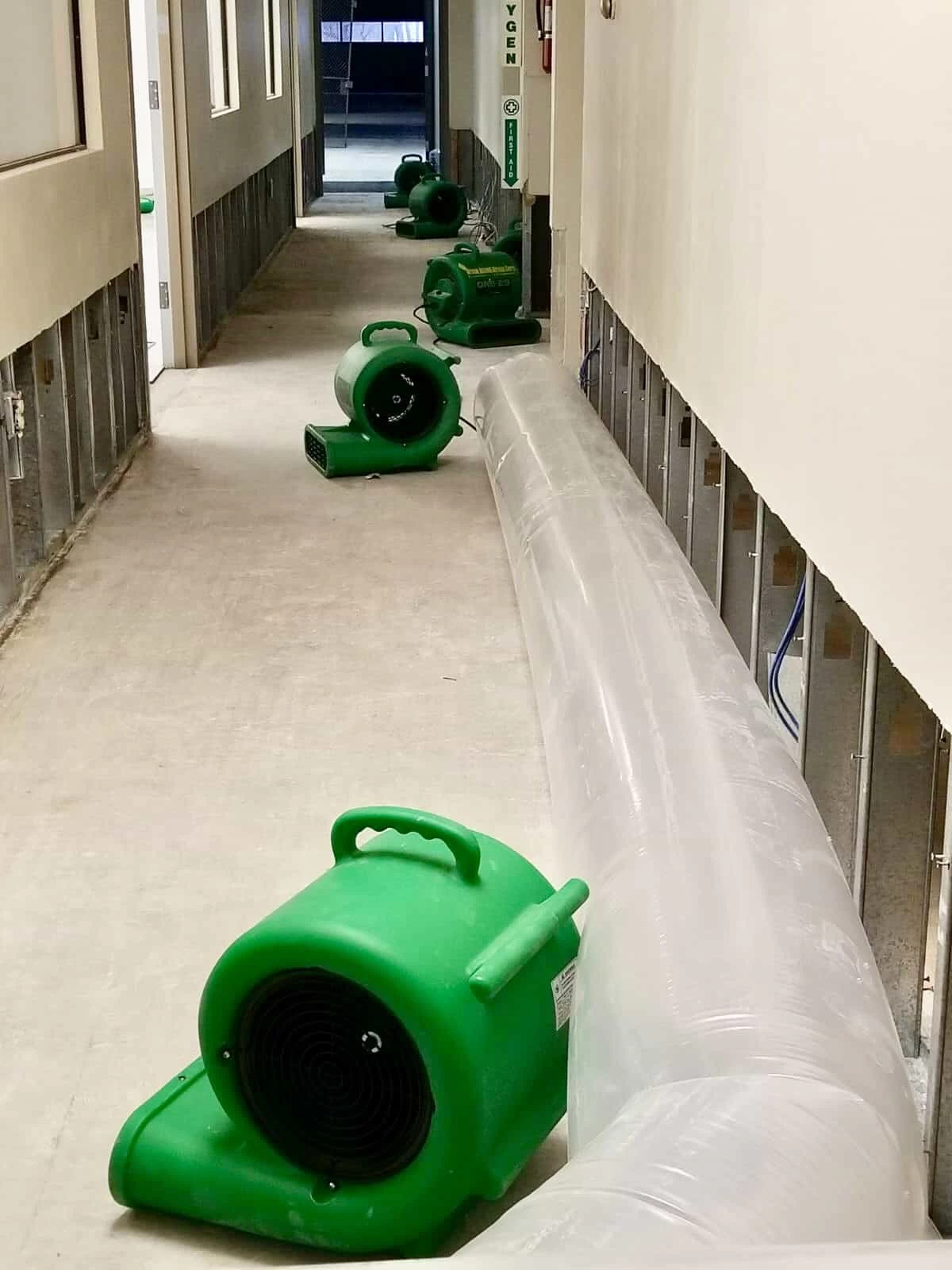
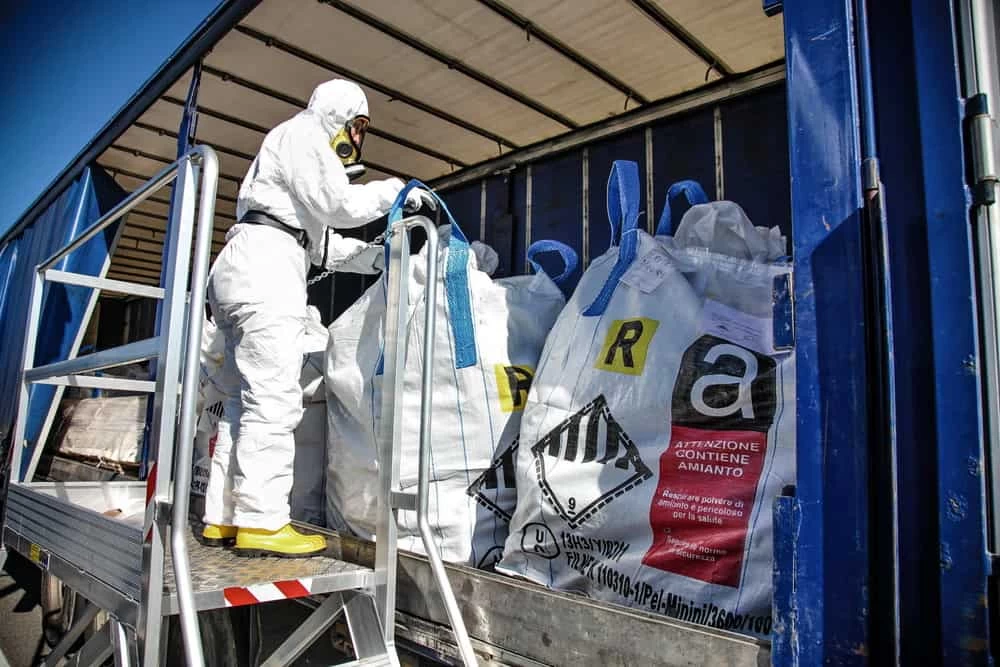
Once the scope is confirmed, the abatement work is filed with the NYC Department of Environmental Protection before it begins. That’s not optional in the five boroughs it’s the law under NYC DEP Title 15 and NYS Industrial Code Rule 56. We handle that paperwork. During removal, the work area is sealed and negative air pressure is maintained using Microtrap air scrubbers to prevent fibers from spreading to the rest of your home.
After removal is complete, post-clearance air testing is conducted before the containment comes down. If the air is clean, you get the documentation including the ACP-21 completion certificate required by NYC DEP. That’s the document that closes the loop for real estate transactions, insurance claims, and co-op board compliance. Only after that is the space cleared for re-occupancy or continued renovation.
The most common asbestos-containing materials we find in Laurelton homes are vinyl floor tiles and the mastic adhesive beneath them, pipe and duct insulation in basements and mechanical spaces, spray-applied acoustic ceiling texture commonly called popcorn ceilings and roofing shingles on older Cape Cods and Colonials. Each of these requires a different removal approach, and all of it falls under the same regulatory framework in New York City.
For multi-family properties including co-op buildings like those in Laurelton Gardens the scope often extends to common area flooring, riser insulation, and mechanical room materials. Our NYC MWBE certification also makes us eligible for projects with diversity spend requirements, which is relevant for community organizations, co-op boards, and publicly assisted housing programs in Queens Community District 13.
If the asbestos discovery is connected to a water damage or fire event which happens more than most people expect in Laurelton’s older homes, especially after a pipe freeze in an uninsulated basement we can handle the full claim. We bill insurance directly, manage the asbestos abatement, and then transition into the water damage restoration or reconstruction without you having to coordinate a separate contractor. For homeowners dealing with a mid-project crisis, that matters.
Do Laurelton homes actually have asbestos, or is that overstated?
It’s not overstated. The median construction year for homes in Laurelton is 1954, and nearly a quarter of the neighborhood’s housing stock predates 1940. Asbestos was a standard building material from the 1920s through the late 1970s used in floor tiles, pipe insulation, ceiling texture, roofing, and joint compound. If your Laurelton home was built before 1980 and hasn’t been fully renovated with documented material removal, there’s a reasonable chance some of those original materials are still in place.
The important thing to understand is that intact asbestos isn’t necessarily an emergency. It becomes a problem when it’s disturbed during a renovation, a pipe repair, a roof replacement, or even aggressive cleaning. That’s when fibers become airborne and the health risk becomes real. If you’re planning any kind of work on your Laurelton property built before 1980, an inspection before you start is the right call.
What NYC permits are required before asbestos removal can begin?
In New York City which includes Laurelton and all of Queens asbestos abatement is regulated by both the NYS Department of Labor under Industrial Code Rule 56 and the NYC Department of Environmental Protection under Title 15, Chapter 1. Before any regulated asbestos material is disturbed, the DEP requires advance notification and, depending on the scope, a formal permit. At the end of the project, an ACP-21 completion certificate must be filed to document that the work was done in compliance.
This dual-layer regulatory process is more involved than what’s required in Nassau or Suffolk County, and it’s one of the main reasons hiring a contractor with specific NYC DEP experience matters. A contractor who only knows the state rules can still create compliance problems for you at the city level. We’ve navigated this process across all five boroughs and handle the filing on your behalf you don’t have to figure out the paperwork yourself.
What does asbestos abatement actually cost for a home in Queens?
Cost depends on the type of material, the quantity, and the location within the home. For most residential projects floor tile removal, popcorn ceiling abatement, or pipe insulation removal in a basement you’re generally looking at a range of $5 to $20 per square foot for the removal itself, with full projects commonly landing between $1,500 and $5,000 depending on scope. An initial inspection typically runs $250 to $800.
In New York City, the regulatory requirements add some cost that you wouldn’t face in a suburban county DEP notification fees, required documentation, and post-clearance air testing are all part of a compliant project here. That said, skipping those steps to save money is a false economy. An undocumented abatement can surface during a home sale inspection and become a much more expensive problem. For Laurelton homeowners with homes valued at $600,000 and up, the cost of doing it right is a small fraction of what’s at stake.
How long does the asbestos removal process take in a typical Laurelton home?
Most residential asbestos abatement projects in Laurelton complete within one to five days, depending on the scope of the work. A single-room floor tile removal or a contained popcorn ceiling project on one floor can often be done in a day or two. Larger projects whole-basement pipe insulation, multi-room tile abatement, or work in a multi-family property take longer, but rarely stretch beyond a week for a standard residential scope.
The timeline also depends on how quickly the NYC DEP notification process clears, since work can’t begin until the required advance notice period has passed. We factor that into the project schedule from the start, so there are no surprises after the contract is signed. We’ll give you a realistic timeline upfront based on the actual scope of your project not a best-case estimate that falls apart once the work begins.
Can asbestos abatement be covered by homeowners insurance in Laurelton?
It depends on what triggered the discovery. If asbestos-containing materials were disturbed or exposed as a result of a covered event a burst pipe in a 1950s Laurelton basement, water damage behind original walls, or fire damage that revealed insulated materials the abatement may be covered as part of the broader claim. In those situations, the asbestos removal is often part of the remediation scope, not a separate out-of-pocket expense.
We bill insurance companies directly, which removes a significant administrative burden from the homeowner during an already stressful situation. If you’ve had a water or fire event in your Laurelton home and asbestos was found during the damage assessment, call us before you assume it’s not covered. The answer often depends on how the claim is documented and submitted and having a contractor who knows how to handle that process makes a real difference in the outcome.
Is asbestos in Laurelton co-op buildings handled differently than single-family homes?
The regulatory requirements are the same NYS DOL licensing, NYC DEP notification, and post-clearance documentation are required regardless of the building type. But the practical scope is often different. In mid-century co-op buildings like those in Laurelton Gardens, asbestos-containing materials are frequently found in common areas: hallway flooring, mechanical rooms, pipe risers, and original ceiling finishes. That means the co-op board, not an individual unit owner, is typically responsible for initiating the abatement and ensuring compliance.
For co-op boards managing capital improvement projects or responding to a maintenance issue that disturbs original building materials, the process starts with a building-wide or area-specific inspection not just a single unit. We have experience working with multi-family properties and co-op boards, and our NYC MWBE certification makes us eligible for projects that have diversity spend requirements. If your building is planning any renovation work that touches original construction materials, an assessment before the project starts is the right first step.