I needed a professional consultation explanation of procedure for safe removal of Asbestos in my apartment complex. Without having an account yet, I was very impressed with the caring, knowledgeable and generous advice offered by Jessica, and will look forward to doing business in the future. Thank you so much! I feel much more informed about a sometimes scary endeavor. Peace. Nancy Silva Mineola, NY.
Mia Munoz
Used this company to clean up some water flood in my house. They were fast and easy to work with.very professional, Would recommend to anyone!
Nini Valle
Great company, had a flood and they responded quickly and efficiently. Billed my insurance company directly. I highly recommend this company!
joe colapietro, jr
I had pipe freeze in my basement right before a snow storm and they made to within an hour to help start the clean up process. They we by our side throughout the entire process and even helped with the insurance company. They did such a great job with the cleanup, repair, remidiation, I contracted them to perform the repairs and finishes in the basement. They came with enough manpower and material to get the job done. Leo and Jessica were nothing but a pleasure to deal with!!
Cristian Arredondo c
I had some water damage in my home and Green Island was able to take care of my issue quickly and effectively. I am very pleased with the work they did. They responded quickly and were very professional.
Michael M
Outstanding service! From the office to the field crew everyone was friendly, helpful and responsive. I highly recommend Green Island Group.
When asbestos is handled properly — tested, contained, removed, and documented — you stop carrying a liability you didn’t know you had. That matters whether you’re renovating a 1950s colonial near Central Avenue or preparing a Victorian-era estate in Old Lawrence for sale. The older and more layered the home, the more important it is that someone actually knows what they’re looking at.
Lawrence’s housing stock is not uniform. You’ve got homes from multiple eras sitting next to each other — some with original pipe insulation still wrapped around basement boilers, others with 9×9 vinyl floor tiles laid over original hardwood, and popcorn ceilings that went up sometime in the 1960s and never came down. Each one of those materials could contain asbestos. When they’re intact and undisturbed, the risk is low. The moment a contractor starts demoing without testing first, that changes fast.
The South Shore location adds another layer. Lawrence sits close to Reynolds Channel, and coastal flooding events — like what much of this area saw after Sandy — can disturb materials that have been stable for decades. If your home took on water and you’re now planning repairs, a proper asbestos assessment before any demo work isn’t optional. It’s the right first step.
We are a licensed asbestos abatement contractor operating under New York State Department of Labor requirements. Every crew member is certified. Every project we handle receives the documentation, notification, and disposal procedures that NYS DOL requires — not shortcuts, not subcontractors handling the critical work.
We serve Lawrence and the Five Towns area and understand what makes this community different from the rest of Nassau County. The homes here aren’t cookie-cutter postwar builds. From the estate properties of Back Lawrence to the prewar brick buildings near Rockaway Turnpike, we’ve worked in the kinds of layered, historically significant structures where asbestos isn’t always obvious and experience matters more than a checklist.
When the job is done, you get a complete documentation package — clearance certificates, air monitoring results, disposal manifests — everything you need for a real estate transaction, a renovation permit, or your own records.
From First Call to Final Clearance — Here's the Reality
It starts with a survey. Before anything gets touched, a licensed inspector assesses your property, identifies all suspect materials, and collects samples for lab testing. In a Lawrence home — especially one built between the 1930s and 1970s — that means looking at floor tiles, ceiling texture, pipe insulation, roofing materials, joint compound, and any other material that could contain asbestos. You get a clear report of what was found and what needs to happen next.
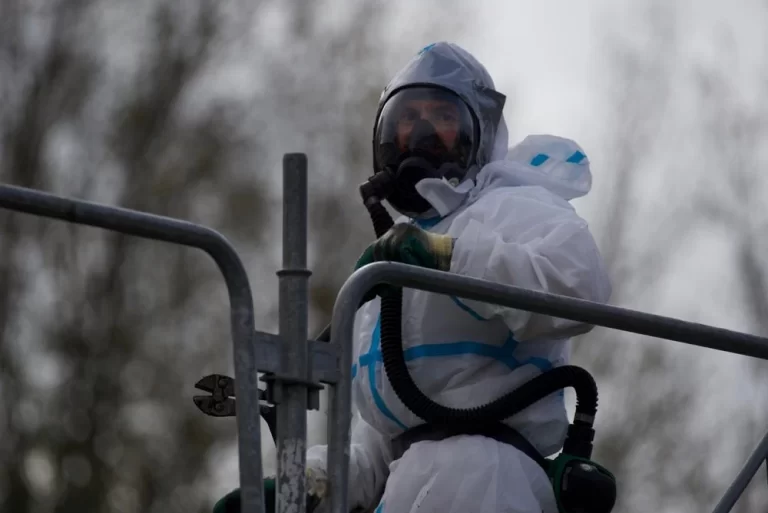
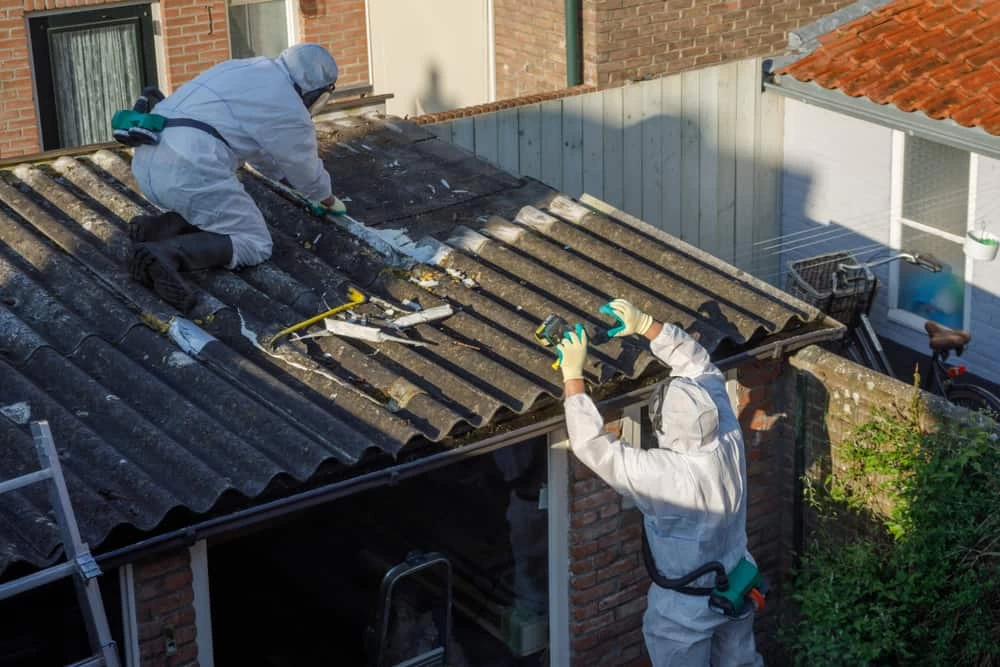
If abatement is required, we handle the NYS DOL project notification on your behalf. This is a mandatory regulatory step for projects above certain thresholds, and it’s one of the things that separates a licensed contractor from someone who just shows up with a mask and a garbage bag. Once notification is confirmed, our crew sets up proper containment — negative air pressure, sealed work zones, the full protocol — and removes the materials safely.
After removal, independent air monitoring confirms the space is clear. You receive written clearance documentation before any reconstruction or renovation work begins. For Lawrence homeowners navigating real estate transactions or major renovations, that paper trail is what protects you down the road.
Every Material Type, Every Property — Covered Completely
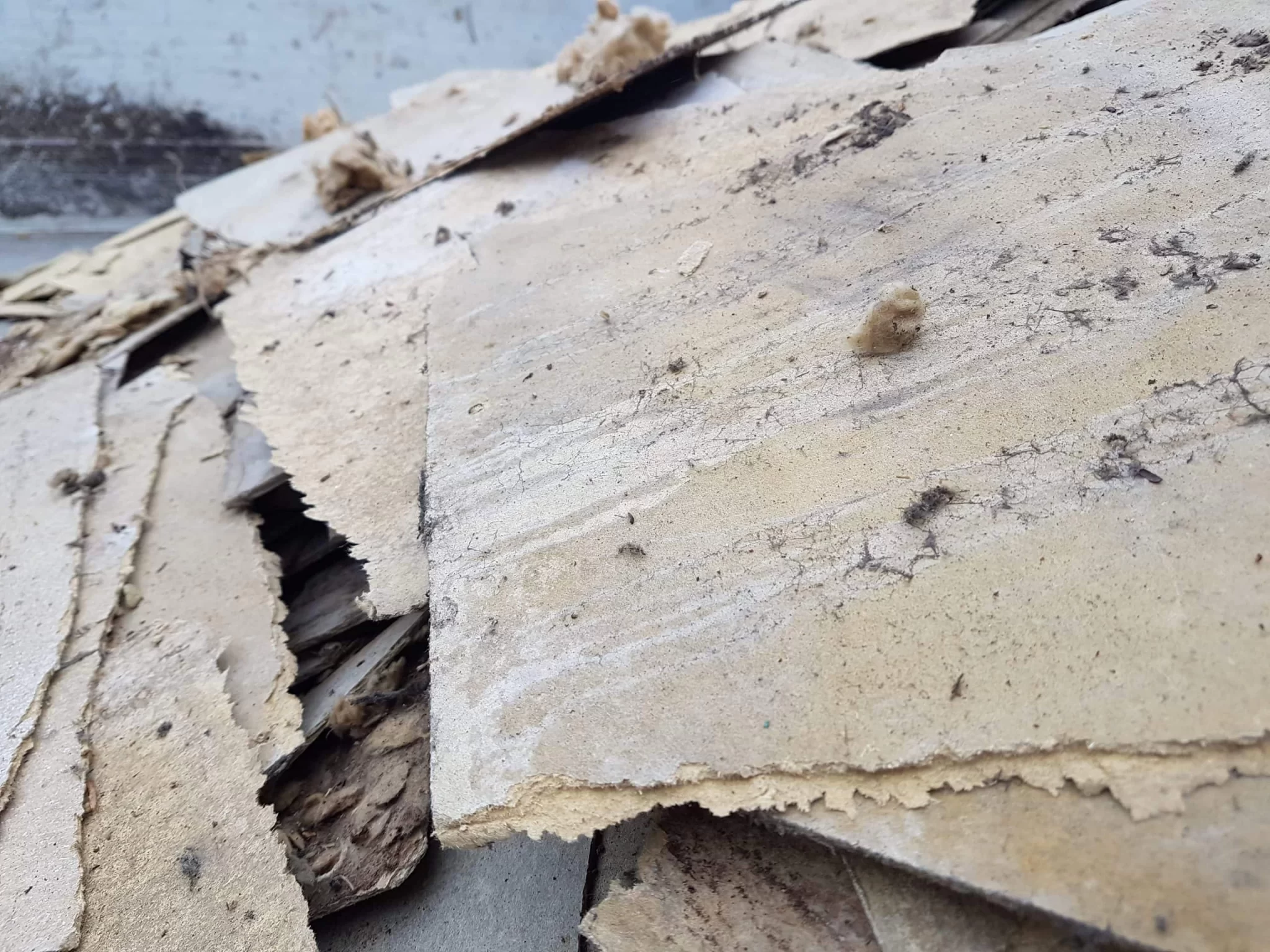
Asbestos shows up in more places than most homeowners expect. In Lawrence’s older residential properties, the most common materials we encounter are vinyl floor tiles and the black mastic adhesive underneath them, textured popcorn ceilings, pipe and boiler insulation in basements, roofing shingles and underlayment, and joint compound from older drywall work. Asbestos tile removal and asbestos popcorn ceiling removal are two of the most frequent jobs we handle in Five Towns homes — and both require proper containment and disposal, not just scraping and bagging.
For the private schools, yeshivas, and religious institutions in Lawrence — including facilities along Frost Lane and Washington Avenue — we provide institutional-grade abatement that meets the documentation and compliance requirements of school environments. These buildings have often been in continuous use for decades, and renovation or repair work in older school facilities requires a higher standard of oversight and recordkeeping than a typical residential job.
Nassau County falls under the NYS DOL Long Island District for regulatory oversight. Every project we complete in Lawrence is fully notified, properly air-monitored, and disposed of at a licensed facility with a documented waste manifest. Whether it’s a focused single-room tile removal or a full pre-renovation survey across a large estate property, the process doesn’t change — and neither does the standard.
Do I need an asbestos test before renovating my Lawrence, NY home?
If your Lawrence home was built before 1980, yes — and in many cases it’s not just recommended, it’s legally required before demolition or renovation work begins. New York State requires that suspect asbestos-containing materials be assessed prior to any disturbance. That applies to kitchen and bathroom gut renovations, basement finishing, flooring replacement, ceiling work, and any project that involves breaking into walls or removing existing materials.
In Lawrence specifically, the age and variety of the housing stock makes this especially relevant. Homes in this area span from colonial-era estates in Old Lawrence to mid-century splits and postwar colonials — many of which have gone through multiple renovation cycles, each potentially adding or disturbing asbestos-era materials. A pre-renovation survey gives you a clear picture of what’s present before your contractor starts work, protects everyone on the job site, and keeps your project on the right side of NYS DOL requirements.
How do I know if the floor tiles in my home actually contain asbestos?
You can’t tell by looking at them. The only way to know for certain is to have a sample collected and tested by a licensed inspector. That said, there are strong indicators. The 9×9 inch vinyl tiles found in basements, kitchens, and utility rooms of homes built between the 1940s and 1970s are among the most commonly asbestos-containing materials in Nassau County homes. The black adhesive mastic underneath those tiles is equally suspect — and in many cases, the mastic contains asbestos even when the tile itself does not.
If your Lawrence home has those older floor tiles and you’re planning to replace them, pull them up, or install new flooring on top, get them tested first. Disturbing asbestos tile without proper containment releases fibers into the air — and once that happens, you’re dealing with a much larger problem than a flooring project. Asbestos tile removal done correctly means the tiles, the mastic, and the debris all leave your home in properly sealed, labeled containers going to a licensed disposal facility.
What happens if my home was flooded and I'm now doing repairs in Lawrence?
This is one of the more urgent scenarios we deal with on Long Island’s South Shore. When floodwater enters an older home — especially in basements and utility areas — it can saturate and loosen materials that have been stable for years. Pipe insulation, floor tiles, and older ceiling materials can become damaged or dislodged by water intrusion, and once those materials are disturbed, the risk of fiber release goes up significantly.
Lawrence’s proximity to Reynolds Channel and the broader coastal flood zone means this isn’t a hypothetical. If your home took on water and you’re now planning any kind of repair, remediation, or reconstruction, an asbestos assessment should happen before any demolition work begins — not after. Contractors who start tearing out wet walls and flooring without testing first are taking a risk that becomes your problem. We’ve worked in post-storm scenarios throughout the Five Towns area and understand how to assess damaged materials quickly so your repair timeline doesn’t stall unnecessarily.
Is asbestos abatement required before selling a home in Lawrence, NY?
There’s no blanket law requiring abatement before a home sale, but the practical reality in Lawrence’s real estate market is that asbestos issues flagged during a buyer’s inspection almost always become a negotiating point — and rarely in the seller’s favor. Buyers’ attorneys in this market are thorough. If suspect materials are identified and there’s no documentation showing they were properly assessed or abated, you’re either looking at a price reduction, a delayed closing, or a demand to complete the work before closing anyway.
Getting ahead of it before you list is almost always the better financial decision. A pre-listing asbestos survey gives you clarity on what’s present, and if abatement is needed, completing it with proper documentation — clearance certificates, disposal manifests, NYS DOL notification records — turns a potential liability into a documented clean bill of health. In a market where Lawrence homes carry significant value, that documentation is worth having.
What's the difference between asbestos removal and asbestos encapsulation?
Removal means the asbestos-containing material is physically taken out of the building, contained, and disposed of at a licensed facility. Encapsulation means the material is treated with a sealant that binds the fibers so they can’t become airborne — the material stays in place but is rendered less hazardous. Encapsulation is sometimes appropriate for materials that are in good condition and won’t be disturbed, but it’s not a permanent solution and it doesn’t eliminate the material.
For most renovation projects in Lawrence — where walls, floors, and ceilings are being opened up or replaced — removal is the right approach. You can’t encapsulate a floor tile you’re pulling up or a popcorn ceiling you’re scraping off. The decision between removal and encapsulation depends on the material type, its condition, and what’s being done to the space. A licensed inspector can walk you through which option applies to your specific situation, and we’ll give you a straight answer rather than defaulting to the more expensive option if it isn’t warranted.
How long does asbestos abatement typically take for a Lawrence home?
It depends on the scope, but most residential asbestos abatement projects in Lawrence fall somewhere between one day and a week. A focused job — like asbestos tile removal in a single basement room or popcorn ceiling removal in one or two rooms — can often be completed in a day or two once the project notification and setup are handled. A larger pre-renovation survey across a full home, followed by abatement in multiple areas, takes longer, particularly in the older estate properties where there may be several types of materials involved across different areas of the house.
The NYS DOL project notification requirement does add lead time for certain project types — there are mandatory waiting periods before work can begin on notified projects. That’s not a delay we create; it’s a regulatory requirement built into the process. We factor that into your timeline from the start so there are no surprises. If you’re working against a renovation schedule or a real estate closing date in Lawrence, let us know upfront and we’ll structure the assessment and abatement sequence to give you the most realistic timeline possible.