LeFrak City's Towers Were Built With It. Here's How to Handle It Right.
Every one of LeFrak City’s twenty towers was built between 1962 and 1971 right in the middle of peak asbestos use in American construction. We provide licensed asbestos abatement for residents and property managers who need it done correctly, documented properly, and cleared for re-occupancy.
I needed a professional consultation explanation of procedure for safe removal of Asbestos in my apartment complex. Without having an account yet, I was very impressed with the caring, knowledgeable and generous advice offered by Jessica, and will look forward to doing business in the future. Thank you so much! I feel much more informed about a sometimes scary endeavor. Peace. Nancy Silva Mineola, NY.
Mia Munoz
Used this company to clean up some water flood in my house. They were fast and easy to work with.very professional, Would recommend to anyone!
Nini Valle
Great company, had a flood and they responded quickly and efficiently. Billed my insurance company directly. I highly recommend this company!
joe colapietro, jr
I had pipe freeze in my basement right before a snow storm and they made to within an hour to help start the clean up process. They we by our side throughout the entire process and even helped with the insurance company. They did such a great job with the cleanup, repair, remidiation, I contracted them to perform the repairs and finishes in the basement. They came with enough manpower and material to get the job done. Leo and Jessica were nothing but a pleasure to deal with!!
Cristian Arredondo c
I had some water damage in my home and Green Island was able to take care of my issue quickly and effectively. I am very pleased with the work they did. They responded quickly and were very professional.
Michael M
Outstanding service! From the office to the field crew everyone was friendly, helpful and responsive. I highly recommend Green Island Group.
When asbestos-containing materials are properly removed and cleared, you stop carrying the risk. No more uncertainty every time someone drills into a wall, replaces a floor tile, or patches a ceiling. For anyone living or managing property in LeFrak City, that clarity matters more than it might somewhere else because these buildings are 60 years old, fully occupied, and the materials in question are embedded in the structure itself.
The 4,605 apartments across LeFrak City’s towers share mechanical systems, hallways, and boiler rooms that were all built in the same era with the same materials. Pipe insulation, floor tile adhesives, ceiling finishes, and HVAC duct wrap from the 1960s don’t just disappear with age they become more fragile. A pipe repair, a unit renovation, or even vibration from the Long Island Expressway running along the southern edge of the complex can disturb materials that were otherwise stable. Once that happens, the exposure risk is real, and so is the regulatory obligation to address it.
After abatement, you get something most people don’t expect: documentation. A post-removal air clearance certificate that confirms fiber levels are below regulatory thresholds, filed and ready for building records or DEP review. That piece of paper is what allows renovation work to move forward, permits to get issued, and tenants to return to their units without question.
We Know NYC's Regulatory Process Because We Work In It Every Day
We are a licensed environmental remediation contractor serving all five NYC boroughs, Long Island, Westchester, and the Hudson Valley. In New York City, asbestos abatement isn’t just a construction task it runs through the NYC DEP, the NYS Department of Labor, the NYC Department of Buildings, and federal EPA notification requirements. We hold NYS DOL Asbestos licensing, USEPA Lead/RRP certification, and we’re current on the 2025 DEP Asbestos Control Program rule amendments that took effect in February of this year. That’s not a checklist item. It’s what keeps your project moving without a compliance delay.
For a property like LeFrak City where the LeFrak Organization completed a $70 million renovation in 2017 and building work is ongoing having a contractor who understands how to file the right forms, meet DEP timelines, and deliver clearance documentation that satisfies building records isn’t optional. It’s the difference between a project that closes clean and one that creates problems down the road. We also hold NYS DOL Mold certification and IICRC Water Damage certification, so when an abatement job reveals additional issues which happens regularly in aging high-rise buildings you don’t need to find another contractor.
From First Call to Clearance Certificate No Guesswork
It starts with an assessment. Before any physical work happens, a NYS DOL certified asbestos investigator surveys the affected area and identifies what materials are present, what condition they’re in, and whether abatement is required. In New York City, this step isn’t optional for any pre-1987 building and every building in LeFrak City qualifies. If the assessment confirms regulated asbestos-containing materials, we file the required notifications with the NYS DOL (a mandatory 10-working-day advance notice for larger projects under federal EPA NESHAP rules) and coordinate with the NYC DEP before work begins.
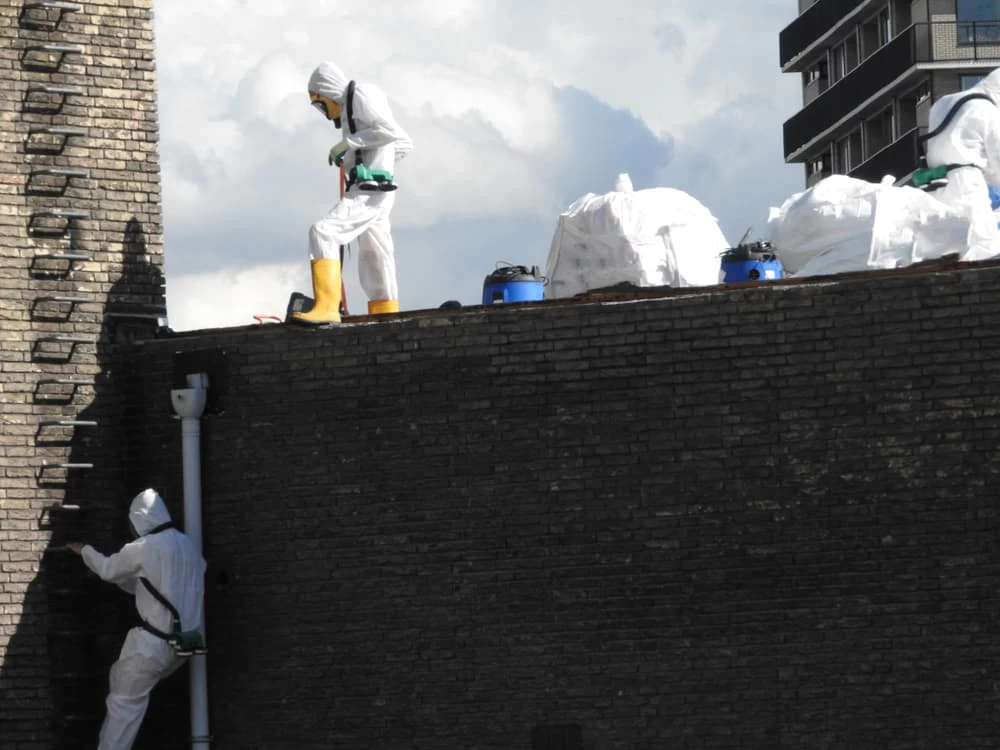
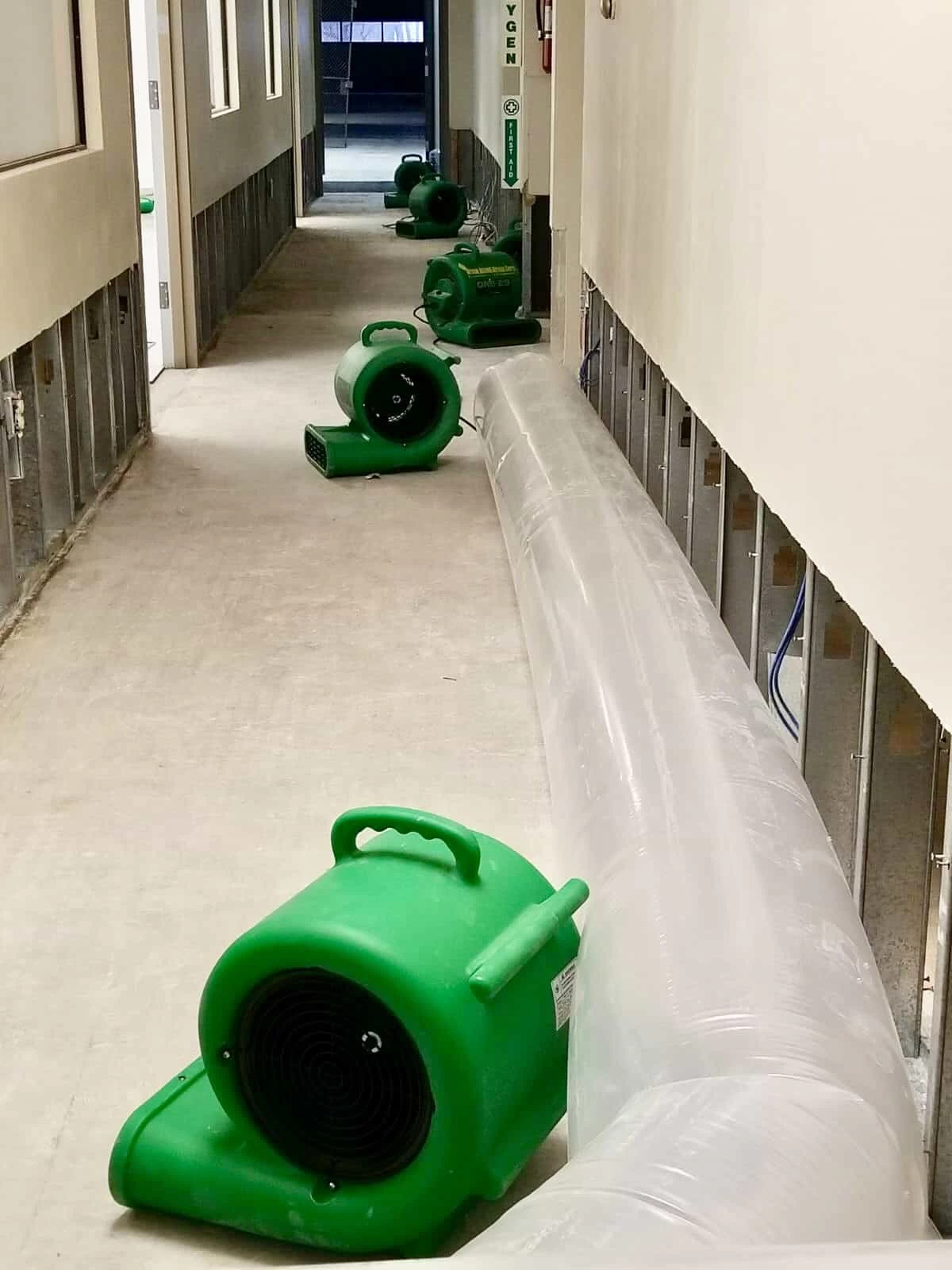
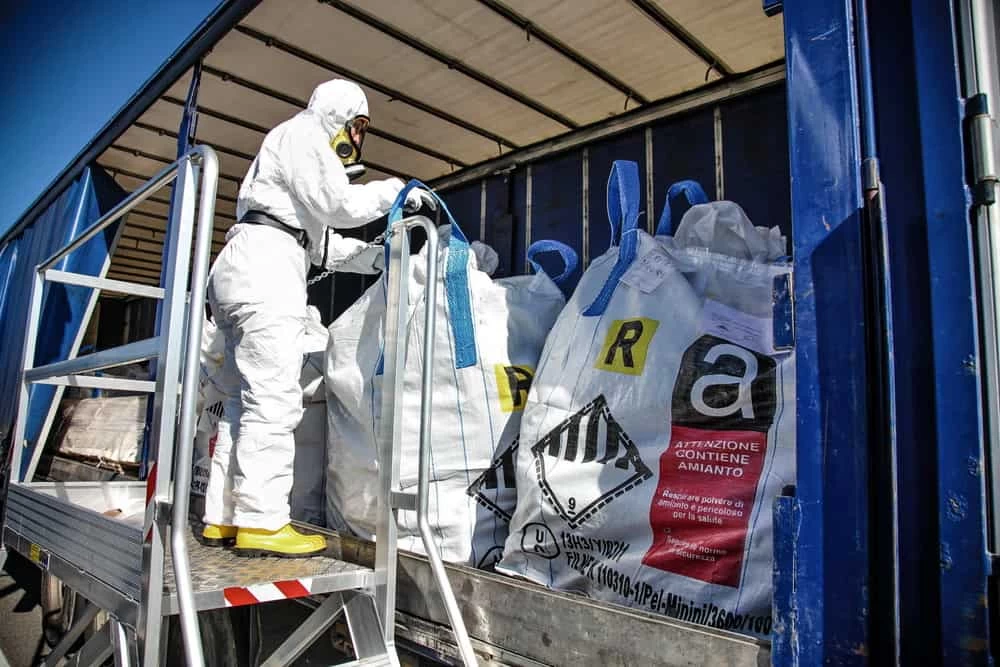
On the day of abatement, the work area is sealed with negative air pressure containment to prevent fiber migration into adjacent spaces. In a high-density apartment environment like LeFrak City, this isn’t just a best practice it’s a requirement, because your neighbors are 10 feet away. Microtrap air scrubbers run throughout the job, and our crew works in full PPE under the protocols required by NYS DOL licensing. When the physical removal is complete, we don’t just pack up and leave.
Post-removal air clearance testing is the final step, and it’s non-negotiable. A certified industrial hygienist conducts the air sampling, and the results have to confirm that airborne fiber levels are below regulatory thresholds before the space is re-occupied. That clearance certificate is what you file with building records, what satisfies the DEP, and what closes the job correctly.
Every Material Type That Matters in a 1960s Apartment Building
The most common asbestos-containing materials in LeFrak City’s towers aren’t surprising once you know the construction era. Nine-by-nine-inch vinyl floor tiles and their adhesives standard in virtually every apartment built in the 1960s are one of the most frequent sources we encounter during asbestos tile removal projects in buildings of this type. Popcorn and textured ceiling finishes from the same period often contain chrysotile asbestos, particularly in units that haven’t been renovated since original construction. Pipe and boiler insulation in mechanical rooms and along riser lines is another high-priority material in any pre-1970 high-rise and in a 17-story building, those riser lines run through every floor.
Beyond individual units, common area materials matter just as much. Ceiling tiles in hallways, HVAC duct wrap, and roofing materials all fall within the scope of asbestos remediation work that a building the size of LeFrak City may require at various points in its renovation cycle. Each of these material types is handled under the same NYS DOL licensing and NYC DEP compliance framework the scope just varies by project.
We also hold USEPA Lead/RRP certification, which is directly relevant here. Buildings constructed before 1978 which includes every tower in LeFrak City frequently contain both asbestos and lead-based paint. When renovation work disturbs both, you need a contractor certified to handle both. We do, under one contract, without coordinating between separate vendors.
Does my LeFrak City apartment building require an asbestos inspection before renovation work?
Yes and this applies to every building in the complex. Under NYC Department of Environmental Protection rules, any building constructed before 1987 must undergo an asbestos assessment before renovation, alteration, or demolition work can begin. LeFrak City’s twenty towers were all built between 1962 and 1971, so every one of them falls under this requirement without exception.
What this means practically is that before the NYC Department of Buildings will issue a renovation or demolition permit for any affected space, the property owner needs to demonstrate that asbestos requirements have been satisfied. That typically means a DEP-certified asbestos investigator files an ACP-5 form an Asbestos Assessment Report confirming either that no regulated materials are present in the work area, or that abatement has been completed and cleared. Skipping this step doesn’t make the requirement go away. It creates permit delays, DEP violations, and potential liability that’s far more expensive than the assessment itself.
What types of asbestos-containing materials are most common in buildings like LeFrak City?
In buildings constructed in the 1960s and early 1970s which covers all of LeFrak City the most frequently encountered asbestos-containing materials fall into a few consistent categories. Nine-by-nine-inch vinyl floor tiles and the black mastic adhesive beneath them are extremely common in apartments from this era. Popcorn or textured ceiling finishes often contain chrysotile asbestos, particularly in units that haven’t been updated since original construction. Pipe insulation and boiler room insulation are high-priority materials in any pre-1970 high-rise, and in a 17-story building with shared mechanical systems, those materials run through every floor.
Beyond individual apartments, you’ll also find asbestos in ceiling tiles in common hallways, HVAC duct insulation, and certain roofing materials. The $70 million renovation LeFrak City completed in 2017 which covered facades, boiler rooms, interiors, and roofing would have required asbestos assessment across all of those categories under NYC DEP rules. For any ongoing renovation or unit turnover work, the same requirement applies. The age of these buildings means the question isn’t really whether asbestos is present it’s where, in what condition, and whether the planned work will disturb it.
Can I stay in my apartment while asbestos removal is happening in my building?
It depends on where the work is occurring and how the containment is set up. In many cases, residents in adjacent units can remain in place during asbestos abatement but only if proper negative air pressure containment is established and maintained throughout the job. This means the work area is physically sealed off and air scrubbers are running continuously to prevent fiber migration into surrounding spaces. In a high-density environment like LeFrak City, where apartments share walls, floors, and ventilation systems, this containment protocol isn’t a formality. It’s what makes the difference between a contained project and one that creates exposure risk for people who had nothing to do with the renovation.
If the abatement work is happening within your specific unit, you’ll typically need to vacate for the duration of the project and until post-removal air clearance testing confirms that fiber levels are below the thresholds required by the NYC DEP. That clearance test is what legally allows re-occupancy and any contractor who tells you the space is ready without one hasn’t completed the job. We include post-removal air clearance testing as a standard deliverable on every project, not as an add-on.
How long does asbestos abatement typically take in a Queens apartment?
For a single apartment unit, the physical abatement work typically takes one to three days depending on the scope whether you’re dealing with floor tile removal in one room, a full unit, or pipe insulation in a mechanical space. But the total timeline from first call to clearance certificate is longer than most people expect, and it’s important to understand why.
In New York City, larger projects involving more than 160 square feet, 260 linear feet, or 35 cubic feet of regulated asbestos-containing material require a mandatory 10-working-day advance notice to the NYS DOL before work can begin that’s a federal EPA NESHAP requirement, not something that can be waived. Add the initial assessment, the DEP filing, the physical abatement, and then post-removal air clearance testing, and a typical project runs two to three weeks from start to finished documentation. For emergency situations a burst pipe that exposes asbestos insulation, for example, which is a real scenario in aging high-rise buildings there are provisions for expedited response, and we maintain 24/7 availability for exactly those situations.
What does asbestos abatement cost for an apartment in LeFrak City, NY?
The honest answer is that cost varies significantly depending on the type of material, the square footage involved, and the complexity of the containment setup. For a single room of asbestos floor tile removal, you’re generally looking at somewhere in the range of $1,500 to $3,500. A full apartment unit with multiple material types floor tiles, ceiling texture, pipe insulation can run $5,000 to $10,000 or more. Larger mechanical room or common area projects in a building the size of LeFrak City are scoped and priced on a project basis.
In New York City, labor costs run higher than national averages, and the regulatory requirements DEP filings, licensed crew, post-removal air clearance testing are built into the cost of doing the job correctly. What’s worth understanding is that the cost of skipping proper abatement is almost always higher than the abatement itself. DEP violations, permit delays, and tenant health complaints in a fully occupied apartment complex create legal and financial exposure that dwarfs the cost of a compliant project. If the work is triggered by a covered insurance event a pipe failure, water damage we bill insurance directly, which takes that coordination off your plate entirely.
How do I know if a contractor is actually licensed to do asbestos removal in New York?
New York State requires a specific NYS Department of Labor Asbestos license for any contractor performing abatement work this is separate from a general contractor’s license and requires specialized training, certification, and annual renewal. You can verify a contractor’s license status directly through the NYS DOL’s online contractor search tool. If a contractor can’t produce their NYS DOL Asbestos license number on request, stop the conversation there. Operating without it is illegal in New York State, and any work they perform won’t satisfy NYC DEP or DOB requirements.
Beyond the NYS DOL license, ask specifically about NYC DEP compliance experience. In LeFrak City and the broader Queens and NYC market, the regulatory process involves multiple agencies DEP, DOB, and federal EPA NESHAP notification requirements and a contractor who isn’t fluent in that process creates real risk for the property owner. Ask whether they file ACP-5 forms, whether they include post-removal air clearance testing as a standard deliverable, and whether they’re current on the 2025 DEP Asbestos Control Program rule amendments. A contractor who can answer those questions clearly, without hesitation, is one who actually works in this regulatory environment. We hold NYS DOL Asbestos licensing, are NYC DEP compliant, and carry current certifications across asbestos, lead, mold, and water damage all under one contractor.