Older Homes Near Lake Lincolndale Deserve a Real Answer
If your home was built before 1980 especially one of the converted lake cottages that define Lincolndale asbestos abatement isn’t a maybe. We give you a clear answer, not assumptions.
I needed a professional consultation explanation of procedure for safe removal of Asbestos in my apartment complex. Without having an account yet, I was very impressed with the caring, knowledgeable and generous advice offered by Jessica, and will look forward to doing business in the future. Thank you so much! I feel much more informed about a sometimes scary endeavor. Peace. Nancy Silva Mineola, NY.
Mia Munoz
Used this company to clean up some water flood in my house. They were fast and easy to work with.very professional, Would recommend to anyone!
Nini Valle
Great company, had a flood and they responded quickly and efficiently. Billed my insurance company directly. I highly recommend this company!
joe colapietro, jr
I had pipe freeze in my basement right before a snow storm and they made to within an hour to help start the clean up process. They we by our side throughout the entire process and even helped with the insurance company. They did such a great job with the cleanup, repair, remidiation, I contracted them to perform the repairs and finishes in the basement. They came with enough manpower and material to get the job done. Leo and Jessica were nothing but a pleasure to deal with!!
Cristian Arredondo c
I had some water damage in my home and Green Island was able to take care of my issue quickly and effectively. I am very pleased with the work they did. They responded quickly and were very professional.
Michael M
Outstanding service! From the office to the field crew everyone was friendly, helpful and responsive. I highly recommend Green Island Group.
You stop guessing. That’s the first thing. When you’re living in a pre-1980 home in Lincolndale maybe one that started as a seasonal cottage in the 1940s and got winterized over the decades you don’t always know what’s in the walls, under the floors, or wrapped around the boiler pipes. Once a licensed inspection is done and abatement is complete, you have a documented answer instead of a lingering question.
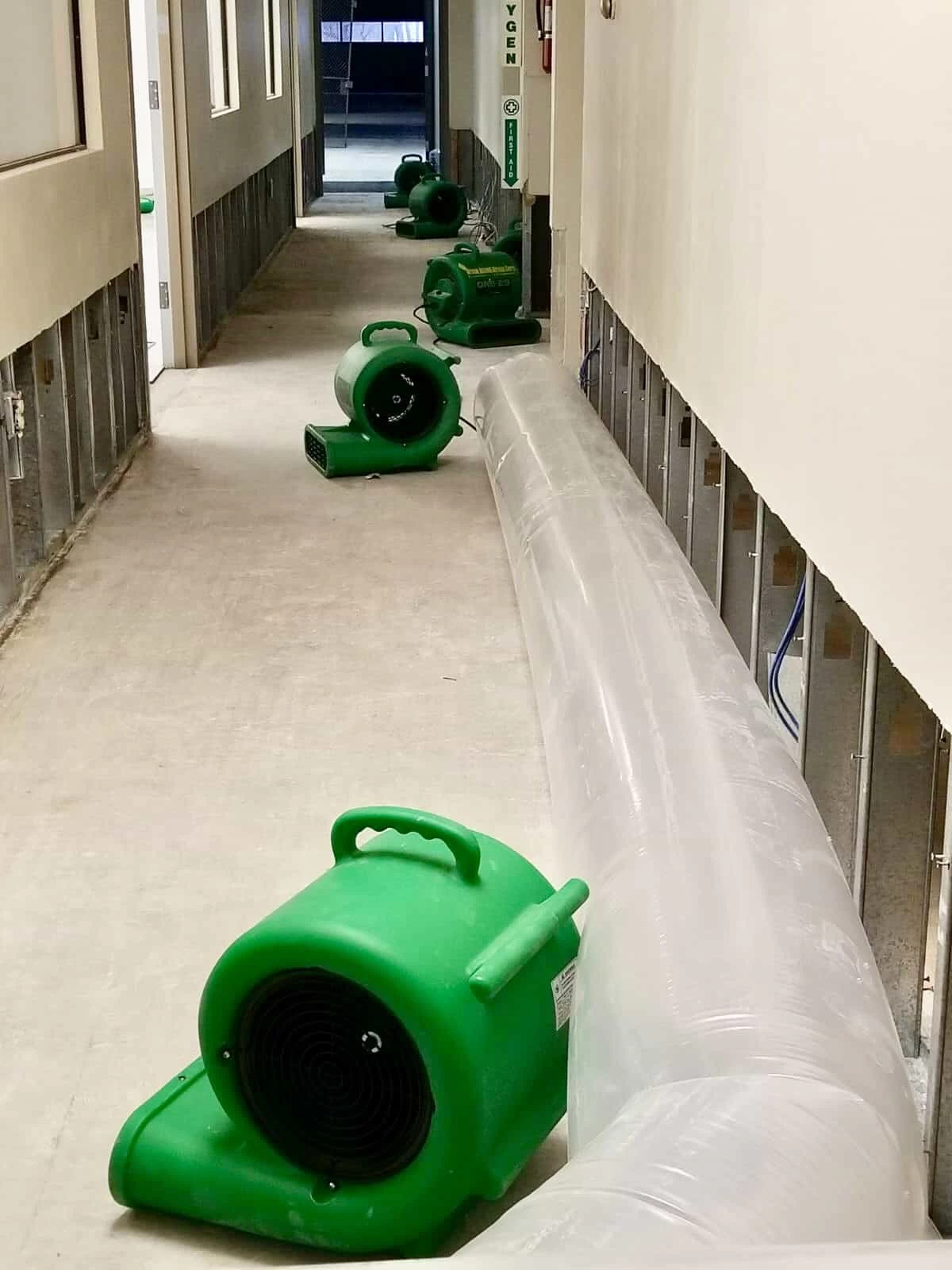
For homeowners near Lake Lincolndale, there’s another layer to this. Water and asbestos don’t mix well. A pipe burst, a spring flood, or ice dam damage in an older home can disturb floor tiles, pipe insulation, or ceiling material that was otherwise stable. When that happens, you’re not just dealing with a water damage event you’re dealing with a mandatory abatement situation at the same time. Getting both handled by one contractor, without bouncing between companies, is a real difference in how stressful that process feels.
And if you’re thinking about selling, the clearance documentation matters more than most people realize. Buyers and their attorneys in Westchester County are paying attention to environmental disclosures. A properly abated home with a signed clearance certificate on file is a cleaner transaction. It’s not just peace of mind it’s a stronger position at the closing table.
We hold the NYS Department of Labor Asbestos Handling License, individual worker certifications for every handler and supervisor on-site, EPA certification, and NYS DEC compliance for disposal. Those aren’t marketing claims they’re publicly verifiable credentials you can look up before you ever call us.
We’ve completed more than 5,000 abatement projects across the New York metro area, including homes throughout Westchester County and the Lincolndale area. The converted lake cottages and postwar ranches common in Lincolndale and the surrounding Somers region aren’t unfamiliar territory. We’ve worked in homes with original 9×9 vinyl asbestos tiles under the kitchen floor, acoustic texture on the ceilings, and asbestos-wrapped pipe insulation around aging boilers. We’ve seen the combination before.
We’re also M/WBE certified by the NYS Office of General Services a formal state credential, not a membership badge. That matters if you’re the kind of person who checks before you hire, which, in a community like Lincolndale, most people are.
No Surprises Here's What the Process Actually Looks Like
It starts with a free on-site inspection. Someone from our team comes to your home, looks at the materials in question floor tiles, ceiling texture, pipe insulation, duct wrap, whatever prompted the call and gives you a straight assessment. If samples need to go to a lab, that happens before any removal work begins. You get a clear picture of what you’re dealing with before any decisions are made.
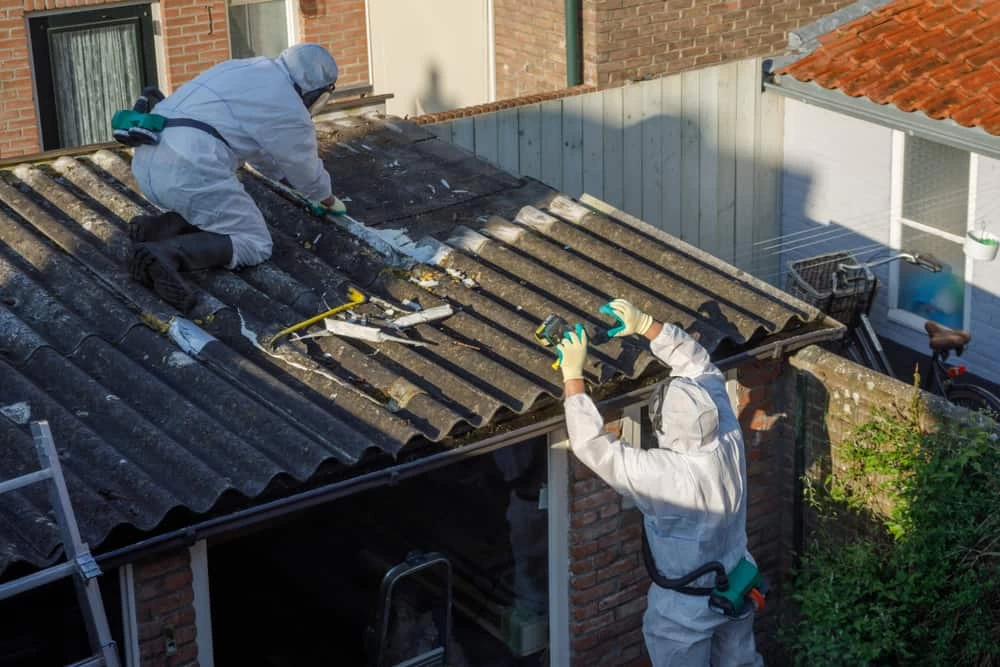
If abatement is needed, the work area gets sealed with polyethylene sheeting and placed under negative air pressure. That means air flows into the containment zone, not out of it. HEPA-filtered air scrubbers run throughout the job. The asbestos-containing material is removed wet to suppress fiber release, bagged in labeled containers, and transported to a licensed disposal facility with a full waste manifest. Every step of that chain is documented under NYS Industrial Code Rule 56, which governs all asbestos work in Westchester County. There’s no separate municipal licensing layer in Somers the state credential is what matters here, and it’s what we hold.
After removal, post-abatement air clearance testing is conducted. When it passes, you receive formal clearance documentation. That’s the paper trail that protects you now and in any future transaction involving the property.
Asbestos Tile and Popcorn Ceiling Removal, Lincolndale
One Contractor for Every Material Type in Your Home
The older homes in Lincolndale particularly those built between the 1920s and the late 1970s don’t usually have just one type of asbestos-containing material. A converted lake cottage might have vinyl asbestos floor tiles in the kitchen, acoustic ceiling texture in the living room, and pipe insulation wrapped around the heating system in the basement. Some contractors handle one material type. We handle all of them in a single project, which means one containment setup, one schedule, one clearance certificate that covers the whole property.
Asbestos tile removal, popcorn ceiling removal, pipe insulation abatement, duct wrap, joint compound, roofing materials all of it falls within our scope of work. For homeowners dealing with a water damage event that has disturbed ACMs, we also handle the water damage restoration side, which means you’re not coordinating two separate contractors while your home is partially out of commission.
If you’re a homeowner near Lake Lincolndale, in the Shenorock area, or someone who bought an older property in the surrounding Somers region, the process is the same: free inspection, clear scope, licensed removal, documented clearance. No subcontracting the core work. No management layer. The people who show up are Green Island Group employees, certified by New York State.
Does my older Lincolndale home actually have asbestos, or is it just a possibility?
If your home was built before 1980, the honest answer is that there’s a meaningful probability not a certainty, but a real one. Asbestos was used in more than 3,000 building products manufactured before 1980, and the types of homes common in Lincolndale sit squarely in that window. The seasonal cottages that were built around the lake communities in the 1920s through 1950s and later converted to year-round residences are particularly worth looking at closely. Those conversions adding insulation, laying new floors, installing heating systems happened during the decades when asbestos was standard in residential materials.
The only way to know for certain is testing. Visual inspection alone can’t confirm or rule it out asbestos fibers are invisible and odorless. We take samples of suspect materials and send them to an accredited lab. That’s the step that turns a “maybe” into a documented answer, and it’s where every project with us starts.
Can I stay in my house while asbestos removal is happening?
It depends on where the work is being done and how extensive it is. For a contained single-room project say, asbestos tile removal in a basement utility area many homeowners do remain in the home during the work, with the affected area fully sealed off and under negative air pressure. For larger-scale projects involving multiple rooms or materials in living spaces, temporary relocation is often the more practical choice, both for your comfort and to ensure the containment isn’t compromised by normal household activity.
We’ll give you a straightforward recommendation based on the actual scope of your project during the inspection phase not a blanket policy. For families in Lincolndale managing school schedules and daily routines, the timing of the work matters too. We can often schedule projects to minimize disruption around your family’s needs. The goal is to make the process as manageable as possible, not to complicate your life more than the situation already has.
What's the difference between asbestos testing and asbestos abatement?
Testing is the diagnostic step it confirms whether a material actually contains asbestos and, if so, at what concentration. A licensed inspector collects physical samples of suspect materials (floor tiles, ceiling texture, pipe insulation, etc.) and sends them to an accredited laboratory. Results typically come back within a few days. Testing alone doesn’t remove anything it just gives you the information you need to make a decision.
Abatement is the removal and disposal process that follows a positive test result. It involves containment setup, licensed removal, proper packaging, certified transport, and disposal at an approved facility all under the requirements of NYS Industrial Code Rule 56. In Westchester County, both the testing and the abatement work must be handled by licensed professionals. Attempting to remove asbestos-containing materials yourself is illegal under New York State law, regardless of the quantity involved. If you’re planning a renovation in an older Lincolndale home and your contractor has flagged suspect materials, the right sequence is: test first, abate if needed, then proceed with the renovation.
How does water damage in an older Lincolndale home trigger asbestos abatement?
When water damage occurs in a pre-1980 home, it frequently disturbs materials that were otherwise stable. Vinyl asbestos floor tiles that have been sitting undisturbed for decades can crack, lift, and break when flooded. Pipe insulation around heating systems can degrade when wet. Ceiling materials can soften and fall. Once those materials are physically disturbed, the asbestos fibers they contain can become airborne and at that point, abatement isn’t optional. It’s required before restoration work can proceed.
For homes near Lake Lincolndale, this scenario is more common than people expect. Pipe bursts during freeze-thaw cycles, basement flooding in spring, and ice dam leaks from Westchester’s heavy winters are all documented causes of this exact situation. The challenge is that you’re suddenly managing a water damage restoration project and a mandatory abatement project simultaneously, often while dealing with an insurance claim. We handle both sides water damage restoration and asbestos abatement and work directly with insurance carriers on billing. That means you have one point of contact instead of two separate contractors trying to coordinate around each other while your home is out of commission.
How long does asbestos abatement typically take for a residential project?
For a straightforward single-material residential project like asbestos tile removal in one room or popcorn ceiling abatement in a living space the physical removal work is often completed in one to two days. What extends the timeline is the process surrounding the removal: containment setup before work begins, post-abatement air clearance testing after work is done, and lab turnaround time for the clearance results. A realistic window for a contained residential project, from setup to clearance documentation in hand, is typically three to five business days.
Larger projects homes with multiple material types, extensive pipe insulation throughout the basement, or multi-room ceiling abatement take longer, and the scope assessment during the initial inspection is what gives you an accurate timeline. For homeowners in Lincolndale who are working against a renovation schedule or a real estate closing date, that inspection conversation is where the planning starts. We’ll give you a realistic timeline based on what’s actually there, not an optimistic estimate designed to get you to sign.
Why should I get abatement done before listing my Lincolndale home for sale?
Westchester County buyers and their attorneys are increasingly thorough about environmental disclosures, and asbestos is one of the first things a sharp home inspector flags in a pre-1980 property. If asbestos-containing materials are identified during a buyer’s inspection, you’re looking at price renegotiations, delayed closings, or deals that fall apart entirely often at the worst possible moment in the transaction timeline.
Sellers who address it proactively are in a fundamentally different position. A documented abatement with formal clearance certification from a licensed contractor tells the buyer’s side exactly what was found, how it was handled, and that the work was verified by post-abatement air testing. That’s a clean answer to a question that would otherwise create uncertainty. In a market where Lincolndale homes particularly the older lake community properties in the surrounding Somers area carry significant value, the cost of professional abatement is modest relative to the risk of a deal falling through or a price concession driven by an unresolved environmental issue. It’s not about checking a box. It’s about controlling the narrative of your home’s condition before someone else defines it for you.