Lindenhurst's Older Homes Deserve More Than a Guess
If your home was built before 1980, there’s a real chance asbestos is somewhere inside it and the only way to know for sure is to test before you touch anything.
I needed a professional consultation explanation of procedure for safe removal of Asbestos in my apartment complex. Without having an account yet, I was very impressed with the caring, knowledgeable and generous advice offered by Jessica, and will look forward to doing business in the future. Thank you so much! I feel much more informed about a sometimes scary endeavor. Peace. Nancy Silva Mineola, NY.
Mia Munoz
Used this company to clean up some water flood in my house. They were fast and easy to work with.very professional, Would recommend to anyone!
Nini Valle
Great company, had a flood and they responded quickly and efficiently. Billed my insurance company directly. I highly recommend this company!
joe colapietro, jr
I had pipe freeze in my basement right before a snow storm and they made to within an hour to help start the clean up process. They we by our side throughout the entire process and even helped with the insurance company. They did such a great job with the cleanup, repair, remidiation, I contracted them to perform the repairs and finishes in the basement. They came with enough manpower and material to get the job done. Leo and Jessica were nothing but a pleasure to deal with!!
Cristian Arredondo c
I had some water damage in my home and Green Island was able to take care of my issue quickly and effectively. I am very pleased with the work they did. They responded quickly and were very professional.
Michael M
Outstanding service! From the office to the field crew everyone was friendly, helpful and responsive. I highly recommend Green Island Group.
Your renovation doesn’t have to stop at the floor tiles. When asbestos is identified and removed properly, your contractor can get back to work, your timeline holds, and your family isn’t breathing in something that was hidden inside your walls for 50 years. That’s the real outcome not just a cleared space, but a project that moves forward without the legal and health liability hanging over it.
Lindenhurst’s housing stock tells a specific story. The split-levels and colonials that went up during the postwar boom the late 1940s through the 1970s were built with asbestos in the floor tiles, the drywall joint compound, the pipe insulation, and the popcorn ceilings. These aren’t rare edge cases. They’re standard features of the era, and they’re sitting in homes all across this village right now. If you’re renovating, selling, or repairing water damage, you’re likely within a few feet of one of them.
For homeowners in the southern sections of Lindenhurst the canal-front properties that took the hardest hit from Sandy’s nearly nine-foot storm surge the stakes are even higher. Flood damage that reaches walls, floors, and mechanical systems in a pre-1980 home doesn’t just cause structural problems. It disturbs materials that were stable as long as they were left alone. Getting ahead of that before the next phase of work starts isn’t overcautious. It’s just smart.
Licensed, Local, and Straight With You From the Start
We are a fully licensed asbestos abatement contractor serving Lindenhurst and the surrounding Town of Babylon communities on Long Island’s South Shore. Every project we handle is done in compliance with New York State Labor Law Article 32 and Industrial Code Rule 56 the state-level requirements that separate legitimate abatement work from the kind that gets a project shut down mid-renovation.
We’ve worked in this area long enough to know what Lindenhurst homes are made of. The 1960s split-level off Wellwood Avenue has a different asbestos profile than a waterfront rebuild south of Montauk Highway, and we don’t treat them the same way. When you call us, you’re not getting a national franchise reading from a script you’re getting a 631 number, a local crew, and people who know the difference.
We also know that most people calling us aren’t happy about the situation. You found something during a renovation, or your inspector flagged something before a sale, or your contractor stopped work and told you to call someone. We get it. Our job is to give you straight answers, move quickly, and handle it so you can move forward.
It starts with an inspection. A licensed NYS asbestos inspector surveys the materials in question whether that’s floor tiles, joint compound, ceiling texture, pipe insulation, or something a contractor flagged mid-demo. Bulk samples are collected and sent to an accredited lab. You get results, not guesses.
If asbestos is confirmed, we put together an abatement plan and pull the necessary documentation before any removal begins. In Lindenhurst, that means coordinating with the Village Building Department at 430 South Wellwood Avenue when the scope of work requires it, and making sure every step aligns with what the ACB the state’s Asbestos Control Bureau requires for legal, inspected abatement. For properties in the FEMA flood zones in the southern part of the village, there are sometimes additional compliance layers tied to substantial improvement rules, and we know how to navigate those too.
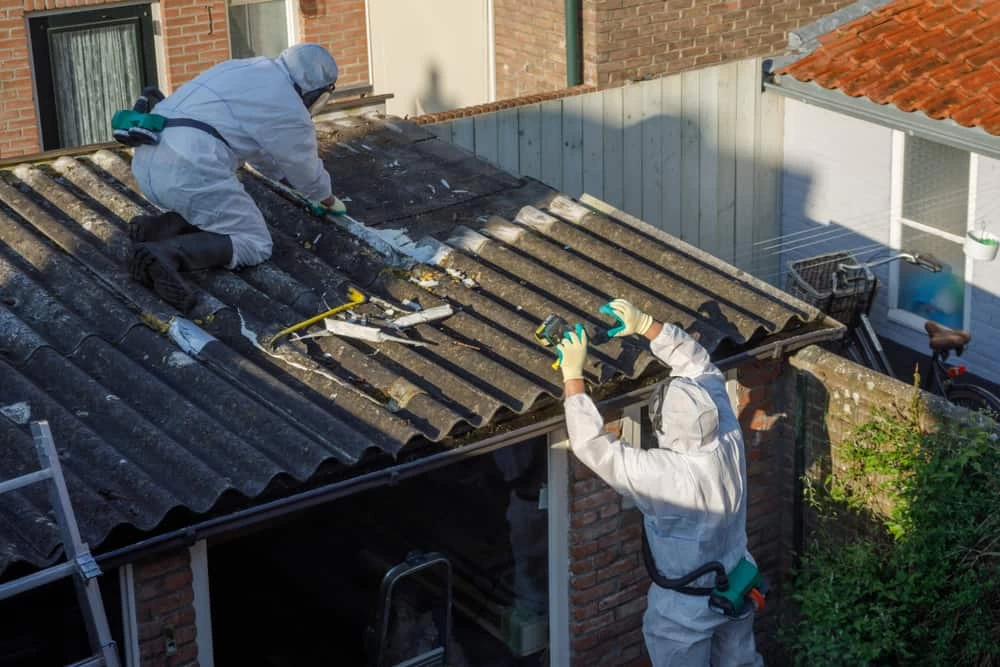
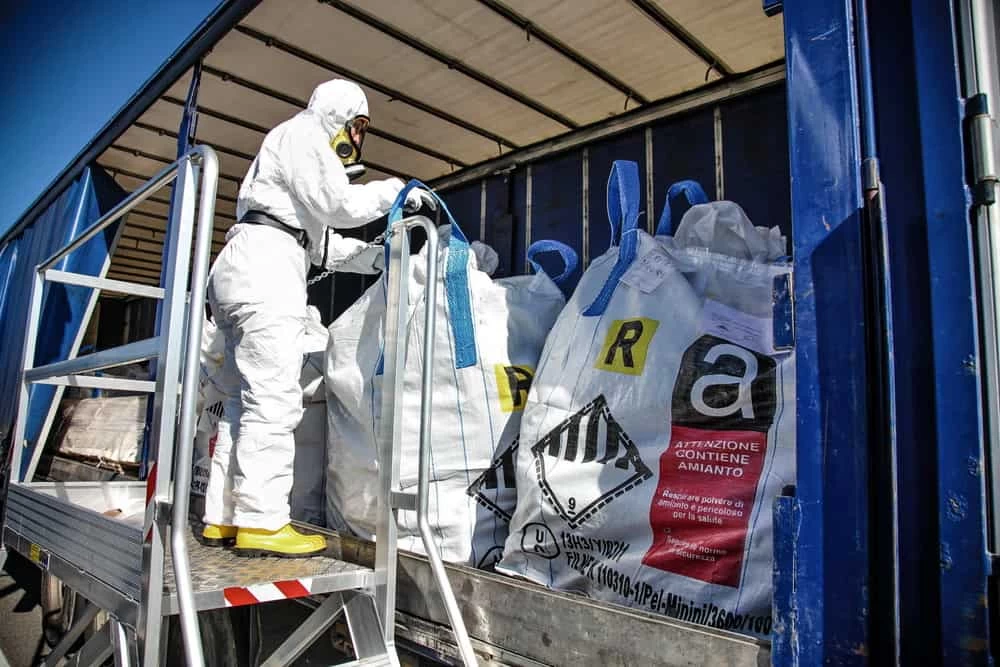
The removal itself is done under proper containment negative air pressure, sealed work zones, and full protective protocol. When the material is out, we don’t just pack up and leave. Air clearance testing is conducted to confirm the space is clean before anyone re-enters. All asbestos waste is transported and disposed of by licensed haulers in compliance with NYS DEC requirements under 6 NYCRR Parts 362-3 and 363. You get the documentation to show your building department, your insurance carrier, or your buyer whatever you need it for.
What's Covered and Why It Matters Here Specifically
Asbestos abatement isn’t one-size-fits-all, especially in a village where the housing stock spans several decades of construction and the flood history adds another layer of complexity. We handle the full range of asbestos-containing materials found in Lindenhurst homes floor tile and black mastic adhesive removal, drywall joint compound abatement, popcorn and acoustic ceiling removal, pipe and boiler insulation, roofing felt, siding shingles, and attic vermiculite. If it was built into your home between the late 1940s and 1980, we know what it is and how to remove it legally.
Asbestos tile removal is one of the most common calls we get from Lindenhurst homeowners. The 9×9-inch vinyl composition tiles that were standard in postwar construction and the black adhesive mastic underneath them frequently contain asbestos, and they show up constantly during kitchen and bathroom renovations across the village. Asbestos popcorn ceiling removal is another frequent need, particularly in the split-levels and colonials built through the 1960s and 1970s that still have their original textured ceilings. Neither of these is a job for a general contractor with a scraper.
For homeowners dealing with water damage whether from Sandy-era repairs still in progress or from the ongoing coastal flooding that affects the canal-front neighborhoods south of Montauk Highway we assess and abate disturbed insulation and wall materials that may have been destabilized by moisture intrusion. Every project ends with air clearance testing and full disposal documentation, so you have the paper trail you need for permits, insurance, and resale.
Do I need an asbestos inspection before renovating my Lindenhurst home?
In New York State, any renovation or demolition of a pre-1980 structure is supposed to include a survey of materials that will be disturbed before work begins. This isn’t optional language it’s the standard under NYS Industrial Code Rule 56, and it applies to residential projects, not just commercial ones. If your contractor is pulling up floors, opening walls, or scraping ceilings in a home built before 1980, an inspection is the right first step.
In Lindenhurst specifically, this matters because the village’s postwar housing stock is dense with the exact materials that were most commonly made with asbestos floor tiles, joint compound, ceiling texture, pipe insulation. A licensed inspector doesn’t just look at one material. They survey everything that’s in the path of the renovation. The cost of an inspection is minor compared to the cost of stopping a project mid-demo because asbestos was discovered after the fact, or worse, after it was disturbed without proper containment.
How much does asbestos removal typically cost in Lindenhurst, NY?
The honest answer is that it depends on what you have and how much of it there is. A single room of floor tile abatement is going to be a different number than a full gut renovation that involves joint compound, ceiling texture, and pipe insulation throughout a 1,500-square-foot split-level. Most residential asbestos abatement projects in the Lindenhurst area fall somewhere in the range of a few hundred dollars for limited, contained scopes up to several thousand for larger or more complex jobs.
What drives cost is scope the square footage of material, the type of ACM involved, the level of containment required, and whether the project involves any specialty situations like confined spaces or flood-damaged materials. We give you a clear number before any work starts, and we don’t add fees after the fact. If you’re in a FEMA flood zone in the southern part of Lindenhurst and your project has additional compliance requirements tied to substantial improvement rules, we’ll factor that into the scope conversation upfront so there are no surprises.
What types of asbestos materials are most common in Lindenhurst homes?
The most frequently found materials in Lindenhurst’s postwar housing stock are floor tiles specifically the 9×9-inch vinyl composition tiles that were standard from the late 1940s through the 1960s and the black mastic adhesive used to install them. Drywall joint compound is another common one, particularly in homes built through the 1970s when chrysotile asbestos was routinely mixed into the compound used to tape and finish drywall seams. Popcorn or acoustic ceiling texture is a third, especially in the split-levels and colonials built during the 1960s and 1970s that still have their original ceilings.
Beyond those three, pipe and boiler insulation is a risk in homes with older heating systems, and attic vermiculite insulation a material that was widely sold through the 1970s and is frequently contaminated with tremolite asbestos shows up in attic spaces across the village. Roofing felt and exterior siding shingles from this era can also contain asbestos. The point is that it’s rarely just one material. A thorough inspection looks at the whole picture, not just the one thing your contractor happened to flag.
Can I stay in my home during asbestos abatement in Lindenhurst?
It depends on the scope of the project and where in your home the work is being done. For limited abatement a single room, a contained area it’s sometimes possible to remain in the home with proper isolation of the work zone. For larger projects involving multiple rooms, HVAC systems, or materials in shared living spaces, temporary relocation during the active abatement phase is the safer and more practical choice.
The reason for this is containment. Proper asbestos abatement requires negative air pressure in the work area, sealed barriers, and controlled entry and exit to prevent fiber migration into the rest of your home. Even with all of that in place, the presence of workers in full protective equipment moving through your home is disruptive. We’ll tell you honestly what the scope of your specific project requires and if temporary relocation is the right call, we’ll tell you that upfront rather than after you’ve already planned around staying. Air clearance testing at the end of the project confirms the space is safe before you or your family re-enters.
My contractor found asbestos floor tiles mid-renovation what happens now?
First, stop the work. If tiles have already been disturbed, the area should be isolated and left alone until a licensed inspector can assess what was affected. This is the step most homeowners skip in the panic of a stopped renovation, and it’s the one that matters most disturbed asbestos tile and mastic that gets tracked through the rest of your home creates a much bigger problem than a contained discovery.
Once the area is assessed, we can give you a clear picture of what needs to be abated, how long it will take, and what the project will cost. Asbestos tile removal mid-renovation is one of the most common calls we get from Lindenhurst homeowners, particularly during kitchen and bathroom remodels in homes built in the 1950s and 1960s. The good news is that it’s a manageable scope in most cases, and with the right contractor moving quickly, your renovation timeline doesn’t have to fall apart entirely. We work to get you back on track as fast as the proper process allows.
Does Green Island Group handle asbestos abatement for post-Sandy repairs in Lindenhurst?
Yes, and it’s something we understand in detail. The flooding that hit Lindenhurst during Hurricane Sandy particularly the roughly 1,600 properties south of Montauk Highway that took on up to six feet of water created a long tail of renovation and rebuild work that’s still ongoing for many homeowners more than a decade later. When floodwater reaches the walls, floors, and mechanical systems of a pre-1980 home, it doesn’t just cause structural damage. It destabilizes materials that were previously intact pipe insulation, floor tile adhesive, wall systems with joint compound and can release fibers that were never a risk before.
For Lindenhurst homeowners in FEMA flood zones who are completing phased rebuilds, elevating their structures, or addressing ongoing moisture intrusion in canal-front properties, asbestos assessment is a necessary part of the process not an afterthought. We’re familiar with the compliance requirements that apply to properties in designated flood zones, including the substantial improvement and substantial damage rules that can trigger full gut renovations and mandatory environmental assessments. If your property is in the southern part of Lindenhurst and you’re doing any level of structural work, a conversation with us before the next phase starts is worth your time.