Little Neck's 1950s Homes Deserve More Than a Guess
Most homes in Little Neck were built around 1956 right in the middle of peak asbestos use. If you’re renovating, selling, or dealing with unexpected damage, we handle asbestos abatement the right way: licensed, documented, and fully compliant with NYC DEP requirements.
I needed a professional consultation explanation of procedure for safe removal of Asbestos in my apartment complex. Without having an account yet, I was very impressed with the caring, knowledgeable and generous advice offered by Jessica, and will look forward to doing business in the future. Thank you so much! I feel much more informed about a sometimes scary endeavor. Peace. Nancy Silva Mineola, NY.
Mia Munoz
Used this company to clean up some water flood in my house. They were fast and easy to work with.very professional, Would recommend to anyone!
Nini Valle
Great company, had a flood and they responded quickly and efficiently. Billed my insurance company directly. I highly recommend this company!
joe colapietro, jr
I had pipe freeze in my basement right before a snow storm and they made to within an hour to help start the clean up process. They we by our side throughout the entire process and even helped with the insurance company. They did such a great job with the cleanup, repair, remidiation, I contracted them to perform the repairs and finishes in the basement. They came with enough manpower and material to get the job done. Leo and Jessica were nothing but a pleasure to deal with!!
Cristian Arredondo c
I had some water damage in my home and Green Island was able to take care of my issue quickly and effectively. I am very pleased with the work they did. They responded quickly and were very professional.
Michael M
Outstanding service! From the office to the field crew everyone was friendly, helpful and responsive. I highly recommend Green Island Group.
Your renovation doesn’t have to stay frozen. When asbestos is found mid-project under the floor tiles in a 1950s kitchen, wrapped around the pipes in the basement, or in the popcorn ceiling above a room you were about to open up everything stops. The right abatement contractor gets it moving again. Not with shortcuts, but with documented clearance that lets your builder, your inspector, and your attorney all say yes.
In Little Neck, where median home values sit above $1 million and nearly every home on the block was built before asbestos was phased out, the stakes around this are real. A pre-sale discovery doesn’t have to kill the deal but only if the abatement is handled properly and the paperwork holds up. We provide the post-clearance air testing and the completion documentation that real estate transactions in this market actually require.
There’s also the everyday version of this: a pipe freeze in February that disturbs the insulation around a steam heating line. An insurance claim that uncovers something behind the wall. A bathroom remodel that turns into something bigger. Whatever the trigger, you end up in the same place needing someone who can handle the asbestos and everything connected to it, without handing you off to three different contractors.
We’re a full-service environmental remediation and general contracting company serving Little Neck, all five NYC boroughs, Long Island, and the surrounding region. We hold NYS DOL Asbestos licensing, USEPA Lead and RRP certification, NYC BIC registration, IICRC, NADCA, NYS DOL Mold licensing, and both NYS and NYC MBE/WBE/MWBE designations. That’s not a list of marketing badges it’s the difference between a contractor who can legally do the work and one who can legally do all of it.
Little Neck sits right on the Nassau County line, which creates a specific situation most contractors aren’t prepared for. NYC DEP rules apply here not Nassau County rules and that distinction matters the moment you pull a renovation permit or file an asbestos notification. We operate on both sides of that line and know exactly which regulatory framework applies to your property.
With a 4.7-star rating across verified reviews and a track record that includes emergency response, insurance claim navigation, and full post-abatement reconstruction, we’ve handled the exact scenarios Little Neck homeowners actually face.
No Surprises Here's What the Process Actually Looks Like
It starts with an inspection by a licensed asbestos investigator someone certified under NYS Labor Law Article 32, which is the legal requirement in New York State. They identify the suspect materials, collect samples, and send them to an accredited lab. From there, you get a clear picture of what you’re dealing with and what needs to happen next.
If abatement is required, the process moves into the NYC DEP notification phase. Depending on the scope of work, that means filing either an ACP-5 or ACP-7 form with the DEP before anything is disturbed. This step is specific to New York City it doesn’t exist in Nassau County and skipping it or doing it wrong creates permit problems and potential fines that fall on you, not the contractor. We handle this filing as a standard part of every project.
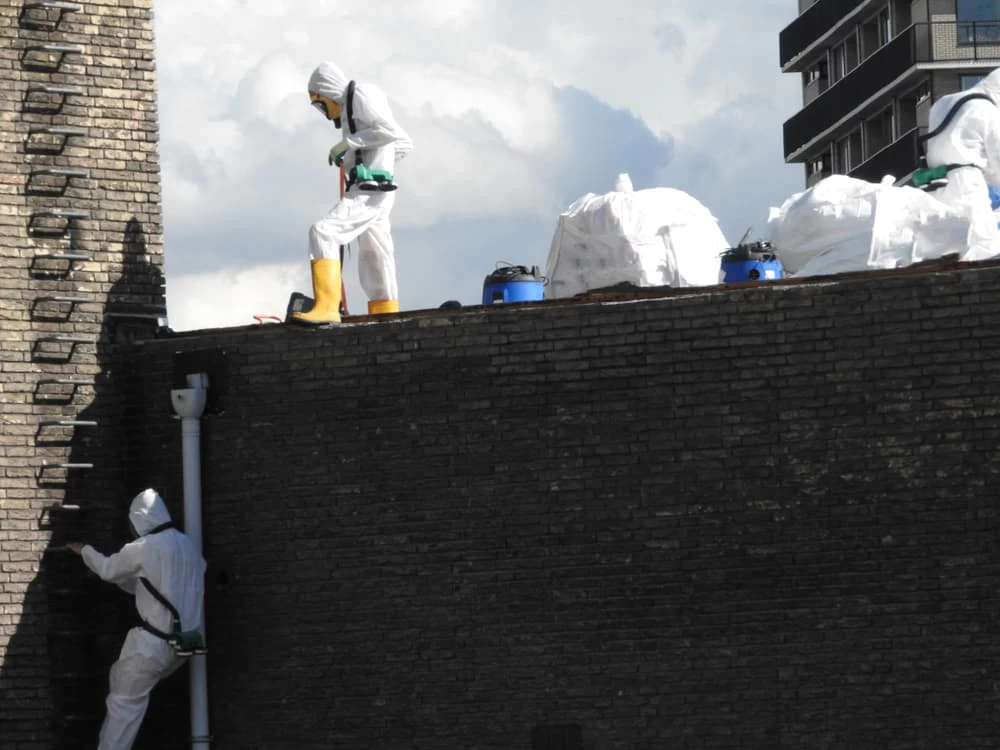
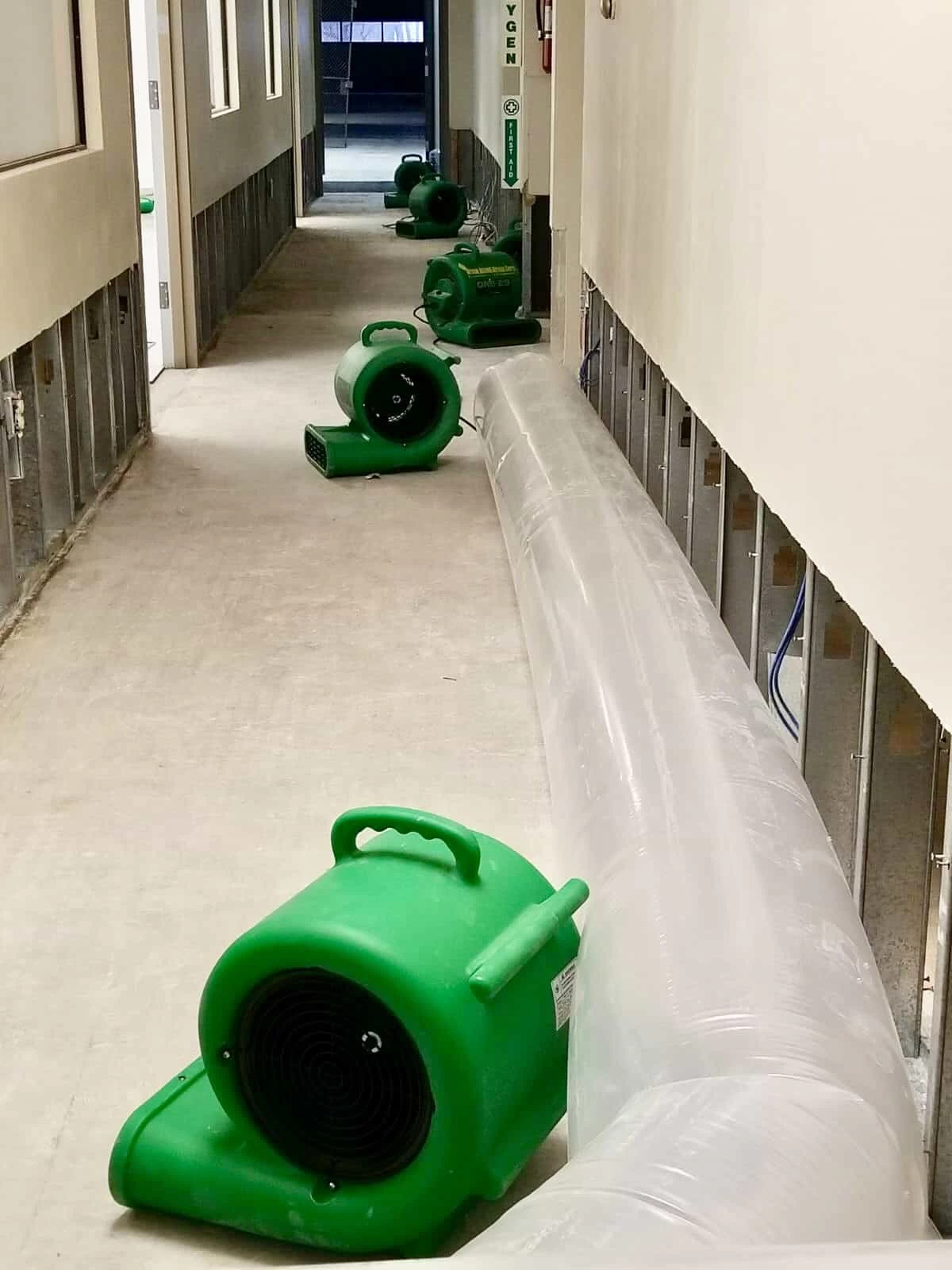
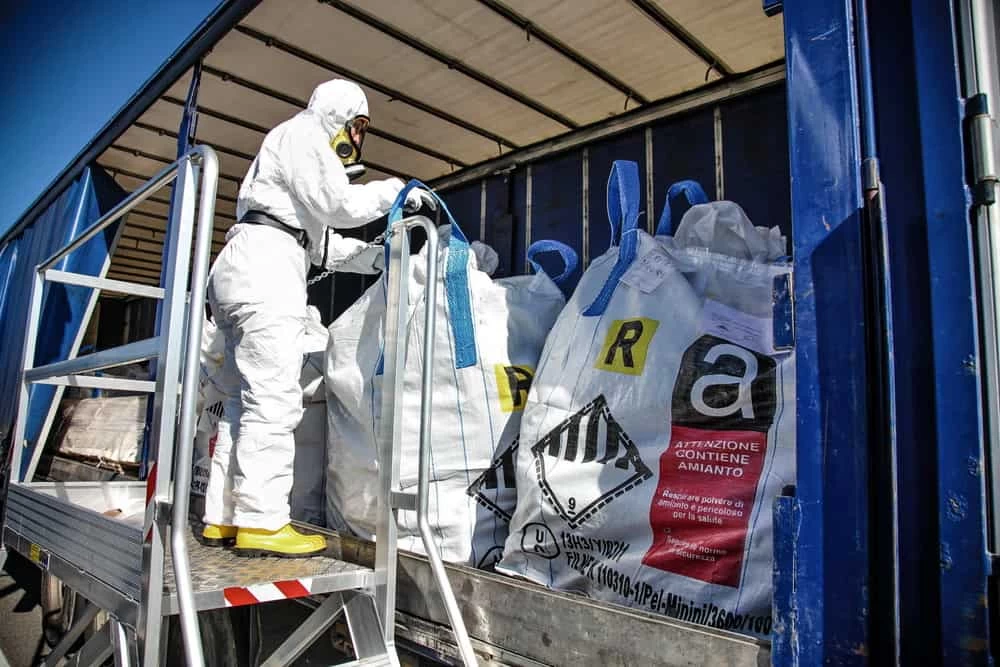
During abatement, the work area is fully contained with negative air pressure and Microtrap air scrubbers running throughout. When the removal is complete, post-clearance air testing confirms that fiber levels meet regulatory standards before containment comes down. You receive the ACP-20/21 completion certificates the documentation your DOB permit, your real estate attorney, or your insurance adjuster will need. The job isn’t done until the paperwork is in your hands.
One Team Covers the Whole Scope Not Just the Asbestos
We handle asbestos abatement across the full range of materials common in Little Neck’s mid-century housing stock. That includes 9×9 vinyl asbestos floor tiles found in kitchens, bathrooms, and basements of 1950s homes, popcorn ceiling texture that was standard through the 1970s, pipe and boiler insulation in older steam heating systems, roofing materials, drywall joint compound, and HVAC duct wrap. If your home was built between the 1940s and late 1970s which describes most of Little Neck there’s a reasonable chance more than one of these materials is present.
What sets us apart from a single-trade abatement contractor is the scope of what comes after. We’re also licensed as a general contractor in New York City, Nassau County, and Suffolk County. That means once the asbestos is out, the same team can handle the reconstruction rebuilding the bathroom, repairing the ceiling, restoring the basement without you coordinating a handoff to someone new. We also handle mold remediation, water damage restoration, fire damage restoration, lead abatement, and HVAC cleaning under the same roof.
For Little Neck homeowners managing a renovation on a 1950s Cape Cod or Tudor Revival, that single-vendor capability isn’t a luxury it’s what keeps a complicated project from becoming an unmanageable one.
Do I need a NYC DEP permit for asbestos removal in Little Neck, NY?
Yes and this is one of the most important things to understand if you own a pre-1980 home in Little Neck. Because Little Neck is within New York City limits, asbestos projects here fall under NYC DEP jurisdiction, not Nassau County rules. Before any renovation permit is issued by the NYC Department of Buildings for a pre-1980 property, a DEP-certified asbestos investigator must file either an ACP-5 or ACP-7 form depending on the scope of the work.
The ACP-5 is filed when the survey confirms either no regulated asbestos-containing materials are present in the work area, or the project qualifies as a minor project. The ACP-7 is required when regulated quantities of asbestos will be disturbed this triggers the full DEP notification and abatement oversight process. Once abatement is complete, ACP-20/21 completion certificates are issued by the DEP, and those documents are what your DOB permit, your contractor, and your real estate attorney will need before the project can move forward. Skipping or mishandling any part of this process creates regulatory delays and potential fines that land on the property owner.
How much does asbestos removal typically cost in Queens, NY?
The national average for asbestos removal sits around $2,200, but in the New York metro market and specifically in a neighborhood like Little Neck where homes regularly sell above $1 million the realistic range depends heavily on what materials are involved, how much square footage needs to be addressed, and whether the project requires full DEP notification and oversight.
A small, contained project like asbestos floor tile removal in a single room will cost significantly less than a whole-home survey followed by pipe insulation removal and post-clearance air testing. What you should watch out for is the low-ball quote that doesn’t include the DEP filing, the air clearance testing, or the completion documentation those aren’t optional extras in New York City, they’re legally required steps. The cost of doing it wrong a failed home sale, a stop-work order, a regulatory fine almost always exceeds the cost of hiring a fully credentialed contractor the first time. Get a clear, itemized quote that spells out exactly what’s included before you commit to anything.
Is asbestos common in 1950s homes in Little Neck?
Very common and in more places than most homeowners expect. The median construction year for homes in Little Neck is 1956, which puts virtually the entire neighborhood’s housing stock squarely in the peak era of asbestos use. Asbestos was a standard building material through the mid-1970s, and it showed up in a wide range of products: the 9×9 vinyl floor tiles in mid-century kitchens and bathrooms, the popcorn ceiling texture that was popular through the 1970s, the insulation wrapped around pipes and boilers in steam heating systems, roofing shingles, drywall joint compound, and HVAC duct wrap.
The Tudor Revivals and Cape Cods that define Little Neck’s streetscape particularly in areas like The Pines, Westmoreland, and Little Neck Hills were almost universally built with these materials. That doesn’t mean every home is a hazard. Asbestos that’s in good condition and undisturbed isn’t an immediate danger. But the moment you start a renovation, pull up old flooring, open a wall, or disturb pipe insulation, those materials need to be tested before work continues. Don’t assume test first.
What happens if asbestos is found during a home inspection before closing?
It’s one of the most stressful discoveries in a real estate transaction, but it doesn’t have to stop the deal. In Little Neck, where homes regularly sell above $1 million and closings involve attorneys on both sides, an asbestos finding during inspection creates an immediate, deadline-driven abatement need. The key is moving quickly and doing it right because the buyer’s attorney and the title company will need documentation, not just a verbal assurance that the material was removed.
What you need at the end of the process is an ACP-20/21 completion certificate from the NYC DEP and post-clearance air testing results showing the space is clear. Those documents follow the property through the transaction and protect both the seller and the buyer from future liability. We can mobilize quickly for pre-sale abatement projects and provide the formal completion documentation that a Little Neck real estate transaction requires. The timeline matters get the process started as soon as the finding is confirmed, not after the closing date is already in jeopardy.
Can a pipe freeze or heating system failure expose asbestos in an older home?
Yes, and it happens more often than people realize in Little Neck’s older housing stock. Many mid-century homes in this neighborhood were built with steam or hot water heating systems, and the pipes in those systems were routinely insulated with asbestos-containing wrap during that era. When a pipe freezes and bursts or when a boiler fails and a plumber starts accessing the system that insulation can be disturbed, broken apart, or spread through the work area before anyone realizes what it is.
This turns a plumbing emergency into an environmental one, and it needs to be treated that way. If you’re in the middle of a winter pipe situation and you have an older home, stop work in the affected area and get a licensed asbestos inspector on-site before the plumber continues. We respond to emergency calls 24 hours a day and have documented response times of typically within one hour. We can also work directly with your insurance company if the pipe damage is part of a covered claim handling the billing and the coordination so you’re not managing multiple contractors in the middle of an already difficult situation.
Does homeowners insurance cover asbestos removal after water or fire damage in NYC?
It depends on the policy and the circumstances, but when asbestos is disturbed as a direct result of a covered event a pipe burst, a fire, storm damage there’s often a legitimate path to coverage. The challenge is that insurance companies don’t automatically include asbestos abatement in their initial claim assessment, and homeowners who don’t know to ask for it often end up paying out of pocket for work that should have been covered.
We have direct experience navigating insurance claims that involve asbestos abatement as part of a larger water damage or fire damage restoration project. We bill insurance companies directly and handle the claims process on behalf of the homeowner something multiple clients have specifically called out in their reviews as making a difficult situation significantly more manageable. If you’re in Little Neck dealing with a covered loss that has uncovered asbestos-containing materials, document everything before any work begins, notify your insurance carrier, and work with a contractor who understands how to frame the abatement scope within the claim. The right contractor makes the difference between a reimbursed project and an out-of-pocket one.