LIC's Industrial Past Doesn't Have to Be Your Problem
Long Island City’s converted warehouses, pre-war apartment buildings, and century-old industrial structures are loaded with asbestos and the city’s permit process will stop your project cold if it isn’t handled right. We manage the entire thing, from inspection through clearance.
I needed a professional consultation explanation of procedure for safe removal of Asbestos in my apartment complex. Without having an account yet, I was very impressed with the caring, knowledgeable and generous advice offered by Jessica, and will look forward to doing business in the future. Thank you so much! I feel much more informed about a sometimes scary endeavor. Peace. Nancy Silva Mineola, NY.
Mia Munoz
Used this company to clean up some water flood in my house. They were fast and easy to work with.very professional, Would recommend to anyone!
Nini Valle
Great company, had a flood and they responded quickly and efficiently. Billed my insurance company directly. I highly recommend this company!
joe colapietro, jr
I had pipe freeze in my basement right before a snow storm and they made to within an hour to help start the clean up process. They we by our side throughout the entire process and even helped with the insurance company. They did such a great job with the cleanup, repair, remidiation, I contracted them to perform the repairs and finishes in the basement. They came with enough manpower and material to get the job done. Leo and Jessica were nothing but a pleasure to deal with!!
Cristian Arredondo c
I had some water damage in my home and Green Island was able to take care of my issue quickly and effectively. I am very pleased with the work they did. They responded quickly and were very professional.
Michael M
Outstanding service! From the office to the field crew everyone was friendly, helpful and responsive. I highly recommend Green Island Group.
Your Project Moves Again Fully Documented, Fully Clear
When asbestos shows up mid-renovation in a Hunters Point loft or a Ravenswood apartment building, everything stops. The contractor pauses. The timeline shifts. And suddenly you’re navigating NYC DEP paperwork you’ve never seen before. That’s the moment most property owners realize they needed a specialist from the start.
What you get on the other side of a properly handled abatement isn’t just a clean space it’s a complete paper trail. The ACP-5 assessment, the ACP-7 project notification, the post-clearance air quality results. Every document NYC DOB needs to issue or close out your permit, handled and organized before you ask for it.
Long Island City’s building stock makes this more complicated than most neighborhoods. These aren’t cookie-cutter suburban homes they’re former factories, printing plants, and industrial warehouses that were built during the peak era of asbestos use. The materials here are often more concentrated, in more locations, and in worse condition than what you’d find in a typical residential renovation. That’s not a reason to panic, but it is a reason to work with someone who has seen it before.
Asbestos Remediation Contractor in Long Island City
NYC DEP Compliant. NYS Licensed. Built for Long Island City's Building Stock.
We’re a full-service environmental remediation contractor serving Long Island City, all five boroughs, Long Island, and surrounding counties operating 24/7 for both planned projects and emergency response. We hold NYS DOL Asbestos certification, NYC DEP compliance capability, a NYC General Contractor license, NYC BIC certification, and NYS/NYC M/WBE certifications, among others.
That last part matters more in Long Island City than almost anywhere else in Queens. Every asbestos project here falls under NYC DEP jurisdiction which means a contractor who is only state-licensed, without real NYC DEP experience, cannot legally complete the job. We work in both regulatory systems simultaneously, which is what Long Island City projects actually require.
From Blissville’s aging industrial corridor along Newtown Creek to the mid-century apartment towers in Ravenswood, we’ve worked in the building types that define this neighborhood. Not as a stretch from a Long Island base as a fully credentialed NYC operator with deep roots in Long Island City’s specific regulatory environment and building conditions.
What Actually Happens From the First Call to Final Clearance
It starts with an inspection. Before anything is touched, a licensed inspector assesses the property and collects samples from suspected materials floor tiles, pipe insulation, ceiling texture, joint compound, roofing materials. In a pre-1987 building in Long Island City, that inspection isn’t optional. NYC DOB requires an asbestos assessment before issuing permits for any renovation or demolition work, and the ACP-5 form has to be filed before the permit is even approved.
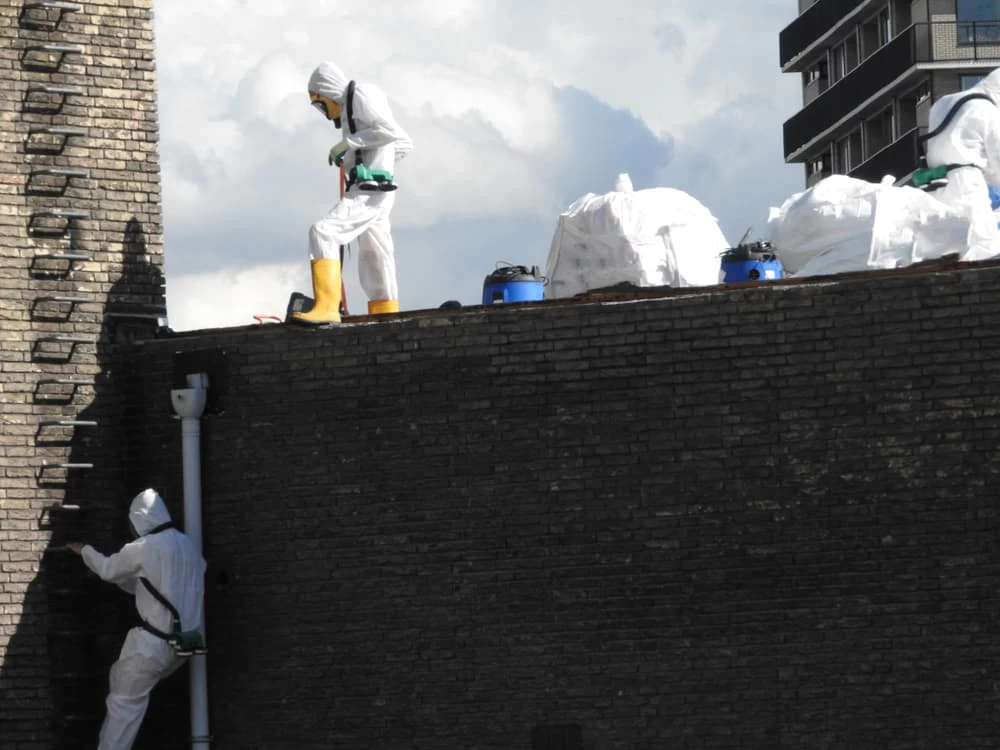
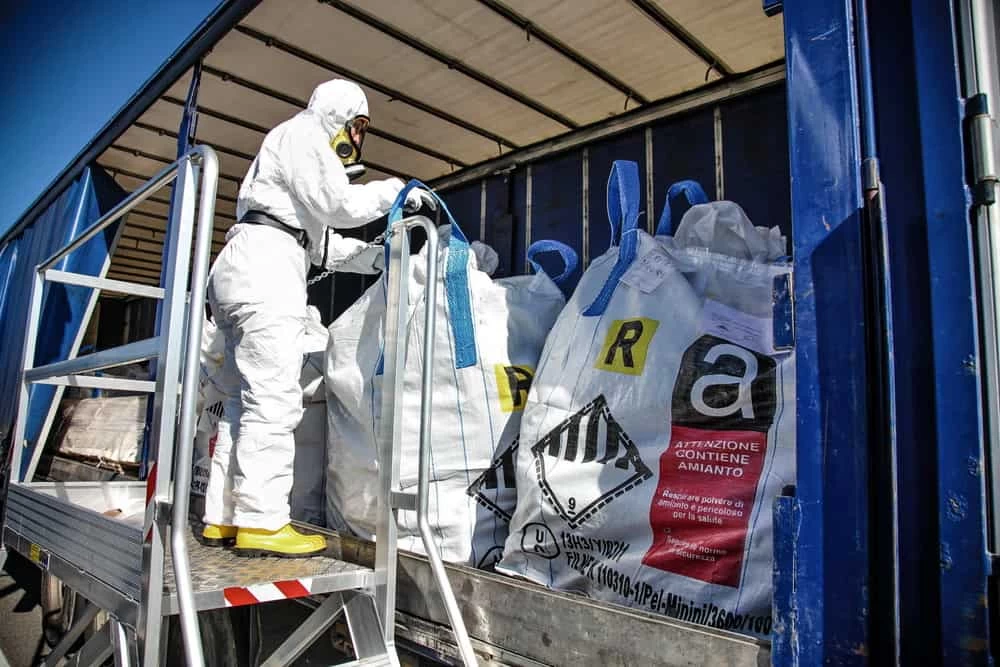
If regulated asbestos-containing material is found, the next step is filing an ACP-7 Asbestos Project Notification with NYC DEP before abatement begins. The work itself happens inside a fully contained, negatively pressurized area air scrubbers running throughout, no cross-contamination, no shortcuts. All removed material is sealed, labeled, and transported to a licensed disposal facility. This isn’t something you want a generalist handling.
Once abatement is complete, a licensed air monitoring technician runs post-clearance testing to confirm that airborne fiber levels are within safe limits. That clearance report is what your building management, your insurance company, and NYC DOB need before the space is reoccupied or the permit is closed out. We provide all of it inspection, abatement, clearance, documentation under one roof, so nothing falls through the cracks between separate vendors.
Asbestos Removal and Remediation Services, Queens NY
Every Material Type, Every Building Type in Long Island City Covered
The asbestos-containing materials most commonly found in Long Island City’s building stock include pipe and boiler insulation, vinyl floor tiles and the mastic adhesive beneath them, spray-applied textured ceilings, joint compound, roofing felt, and fireproofing coatings on structural steel. Each material type requires a specific abatement approach, and each triggers different documentation requirements under NYC DEP’s Asbestos Control Program.
Asbestos tile removal is one of the most frequent calls from Long Island City’s older residential buildings the 9×9 and 12×12 vinyl tiles common in mid-century construction almost always contain chrysotile asbestos, and so does the adhesive underneath. Popcorn ceiling asbestos removal is another common project in the apartment buildings throughout Ravenswood and the older walk-up stock across the neighborhood, where textured spray ceilings were standard through the mid-1970s. Both require proper containment, licensed removal, and post-clearance air testing not just a scraper and a dust mask.
For commercial and industrial properties the converted warehouses, former manufacturing facilities, and mixed-use buildings that define so much of Long Island City the scope is often larger and the materials more varied. We also hold USEPA Lead and Lead/RRP certifications, which matters in Long Island City’s pre-1978 building stock where asbestos and lead paint frequently appear together. One contractor, one mobilization, both hazards addressed and the M/WBE certification to satisfy diversity spend requirements on NYC-funded projects.
Does my Long Island City building need an asbestos inspection before renovation permits?
Yes and this is one of the most common surprises for property owners and developers in Long Island City. New York City requires an asbestos assessment for any pre-1987 building before the Department of Buildings will issue a permit for renovation or demolition work. You’ll need to file an ACP-5 form demonstrating either that the property is asbestos-free, that the amount of asbestos-containing material falls below the threshold for abatement, or that full abatement has been completed. This applies to everything from a gut renovation of a Hunters Point loft to a capital improvement project in a Ravenswood apartment building.
The practical implication is that you cannot skip this step and circle back the permit simply won’t be issued without it. If regulated asbestos-containing material is found during the assessment, an ACP-7 Asbestos Project Notification must also be filed with NYC DEP before abatement begins. Getting ahead of this early in your project timeline is the difference between a manageable process and a costly delay.
What does asbestos abatement actually cost for a property in Long Island City?
The honest answer is that it depends on the scope the size of the space, the type and quantity of asbestos-containing material, and how accessible it is. For smaller residential projects like asbestos tile removal in a single apartment or popcorn ceiling removal in one or two rooms, costs typically range from a few hundred dollars into the low thousands. For larger commercial or industrial projects which are far more common in Long Island City given the neighborhood’s building stock costs scale significantly based on square footage and material type.
What drives cost up in Long Island City specifically is the nature of the buildings. Former industrial structures and converted warehouses often contain asbestos in multiple locations and material types simultaneously pipe insulation, floor tiles, fireproofing coatings, roofing materials which means a more complex abatement scope than a standard residential job. NYC DEP filing fees and the cost of post-clearance air testing are also part of the total project cost. Getting a proper inspection done first is the only way to get an accurate number estimates without a site assessment aren’t worth much.
How long does asbestos abatement take in a New York City apartment building?
Timeline depends heavily on the scope of work, but for a typical residential abatement project one or two rooms, a specific material type like floor tiles or a textured ceiling the actual removal work often takes one to three days once containment is set up. Post-clearance air testing adds time after that, since the results need to come back before the space is cleared for reoccupancy. For larger multi-unit or commercial projects in Long Island City’s older building stock, the timeline extends accordingly.
What adds time in New York City specifically is the regulatory process on either end. The ACP-5 assessment and ACP-7 notification need to be filed before work begins, and post-abatement documentation needs to be in order before DOB will close out a permit. Working with a contractor who handles all of that paperwork in-house rather than leaving it to you to coordinate is the most reliable way to keep the overall project timeline tight. Delays almost always come from documentation gaps, not the abatement work itself.
Is asbestos common in Long Island City's converted loft and warehouse buildings?
Very common and often in higher concentrations than people expect. Long Island City was one of New York City’s primary manufacturing and industrial zones throughout the late 19th and early 20th centuries, and asbestos was the standard insulation and fireproofing material in industrial construction during that entire era. Factories, printing plants, power generation facilities, and warehouses built during that period routinely used asbestos in pipe wrap, boiler insulation, floor tiles, roofing materials, and spray-applied fireproofing on structural steel.
When those buildings get converted to residential lofts, creative offices, or mixed-use developments which has been happening at scale in Long Island City for the past two decades every conversion project is a potential asbestos abatement event. The materials are often still in place, sometimes deteriorating, and frequently in locations that get disturbed during renovation work. The Blissville section along Newtown Creek and the older industrial corridors throughout Long Island City contain some of the most asbestos-dense building stock in the borough. If you’re buying, renovating, or converting one of these buildings, an inspection should be one of the first things on your list.
What happens if asbestos is disturbed during a renovation without proper abatement?
In New York City, the consequences are serious. Disturbing regulated asbestos-containing material without proper notification, containment, and licensed abatement is a violation of NYC DEP regulations and can result in significant civil penalties, stop-work orders, and in more serious cases criminal liability for the property owner or contractor responsible. DEP has historically been active in enforcing these regulations in high-construction-activity neighborhoods like Long Island City, where the volume of renovation and conversion projects makes compliance monitoring more intensive.
Beyond the regulatory exposure, there’s the health and liability dimension. Asbestos fibers released into the air during uncontrolled disturbance don’t stay in one place they travel through HVAC systems, settle on surfaces, and can affect other units in a multi-family building. In a dense Long Island City apartment building or a mixed-use commercial property, that exposure risk extends well beyond the unit where the work was done. If you’ve already disturbed suspected material, stop work and call a licensed contractor for an emergency assessment before doing anything else.
Can Green Island Group handle both asbestos abatement and repairs in Long Island City?
Yes and for most property owners and developers in Long Island City, that matters a lot. Asbestos abatement rarely happens in isolation. It usually shows up in the middle of a renovation, a conversion project, or a water damage situation where a pipe failure exposed insulation that turned out to contain asbestos. In those cases, you’re not just dealing with an abatement job you’re dealing with a disrupted project timeline, potential insurance involvement, and a space that needs to be rebuilt after the hazardous material is removed.
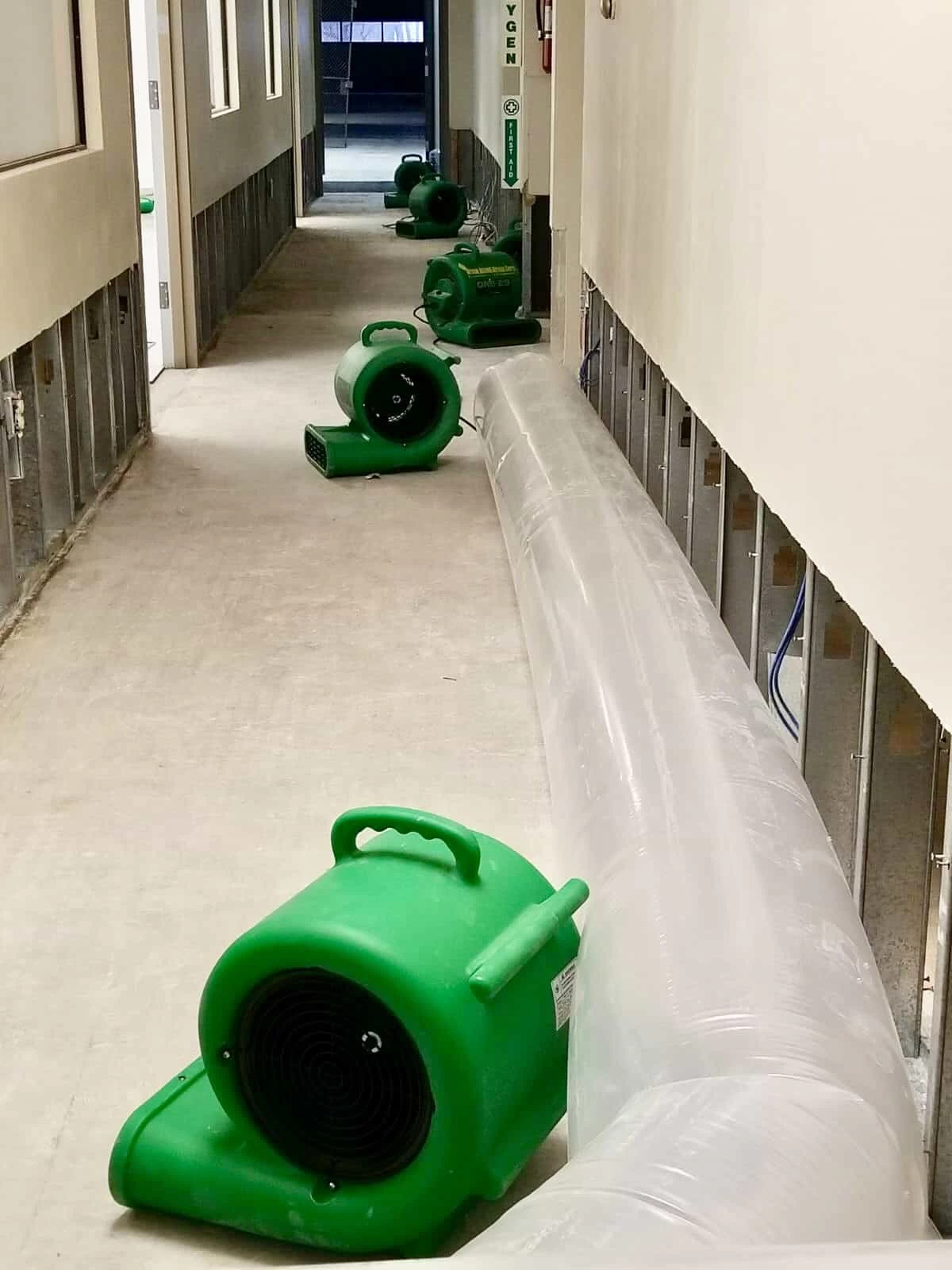
We handle the full sequence: inspection, abatement, post-clearance air testing, and complete reconstruction including water damage restoration, mold remediation, and HVAC cleaning when those services are needed alongside asbestos work. We also bill insurance companies directly, which removes a significant burden when the abatement is part of a larger damage claim. For Long Island City’s property managers, co-op boards, and developers who can’t afford to coordinate three separate contractors across a single project, that single-vendor capability is a real operational advantage.