Mahopac Mines Homes Deserve More Than a Guess and a Dumpster
Most homes in this area were built during the exact decades when asbestos was standard and if you’re renovating, selling, or dealing with damage, you need someone who knows what they’re looking at. We handle asbestos abatement in Mahopac Mines, NY from first inspection to final clearance certificate.
I needed a professional consultation explanation of procedure for safe removal of Asbestos in my apartment complex. Without having an account yet, I was very impressed with the caring, knowledgeable and generous advice offered by Jessica, and will look forward to doing business in the future. Thank you so much! I feel much more informed about a sometimes scary endeavor. Peace. Nancy Silva Mineola, NY.
Mia Munoz
Used this company to clean up some water flood in my house. They were fast and easy to work with.very professional, Would recommend to anyone!
Nini Valle
Great company, had a flood and they responded quickly and efficiently. Billed my insurance company directly. I highly recommend this company!
joe colapietro, jr
I had pipe freeze in my basement right before a snow storm and they made to within an hour to help start the clean up process. They we by our side throughout the entire process and even helped with the insurance company. They did such a great job with the cleanup, repair, remidiation, I contracted them to perform the repairs and finishes in the basement. They came with enough manpower and material to get the job done. Leo and Jessica were nothing but a pleasure to deal with!!
Cristian Arredondo c
I had some water damage in my home and Green Island was able to take care of my issue quickly and effectively. I am very pleased with the work they did. They responded quickly and were very professional.
Michael M
Outstanding service! From the office to the field crew everyone was friendly, helpful and responsive. I highly recommend Green Island Group.
Your Renovation Moves Forward Safely and on Schedule
When you find out your home might have asbestos, the project doesn’t just pause everything stops. The contractor waits. The timeline shifts. And suddenly you’re trying to figure out who to call, what’s actually required, and whether the person you hire actually knows what they’re doing. That uncertainty is what we help you get past.
The homes throughout Mahopac Mines and the surrounding Town of Carmel were largely built in the 1950s, ’60s, and ’70s right after the Taconic State Parkway opened up this part of Putnam County to commuter families. Those decades were peak asbestos use in residential construction. Floor tiles, pipe wrap, popcorn ceilings, roofing shingles, joint compound it was everywhere, and it’s still in a lot of homes here. That doesn’t mean your home is unsafe to live in right now. But it does mean that before you demo a bathroom, finish a basement, or replace old HVAC, you need to know what’s there.
Once the abatement is done and post-clearance air testing confirms the space is clean, you get something most homeowners don’t expect: real momentum. Your contractor can get back in. Your sale can close. Your family can stop wondering. That’s the actual outcome not just a cleaner crawl space, but the ability to move forward without it hanging over you.
We’ve been doing this work in New York for over 12 years, and Putnam County including Mahopac Mines, Mahopac Falls, Bullet Hole, and the surrounding hamlets of the Town of Carmel is part of the territory we know well. We’re not a national franchise routing your call to whoever’s available. We’re a licensed, insured, NYS DOL-certified abatement contractor that has worked on everything from older ranch homes near Kirk Lake to government facilities with strict compliance requirements.
Our credentials aren’t just for show. The NYS DOL Asbestos License is a legal requirement for this work in New York State and we hold it. We’re also USEPA Lead and RRP certified, NYS DOL Mold licensed, and IICRC-certified for water and fire damage restoration. That last one matters more than people realize: when a pipe bursts in a 1960s Mahopac Mines home and the water damages the floor tiles or ceiling, you’re dealing with two problems at once. We handle both.
We also carry NYS and NYC M/WBE certification verified minority and women-owned business credentials that signal accountability, not just marketing.
No Surprises Here's What the Process Actually Looks Like
It starts with an inspection. We come to your home, assess the materials in question, and take samples for laboratory analysis. You get a clear picture of what’s there, where it is, and what needs to happen next before any work begins. For homes near Kirk Lake or within the NYC watershed boundary, there may be additional DEP considerations on top of standard Town of Carmel building permit requirements, and we factor that in from the start.
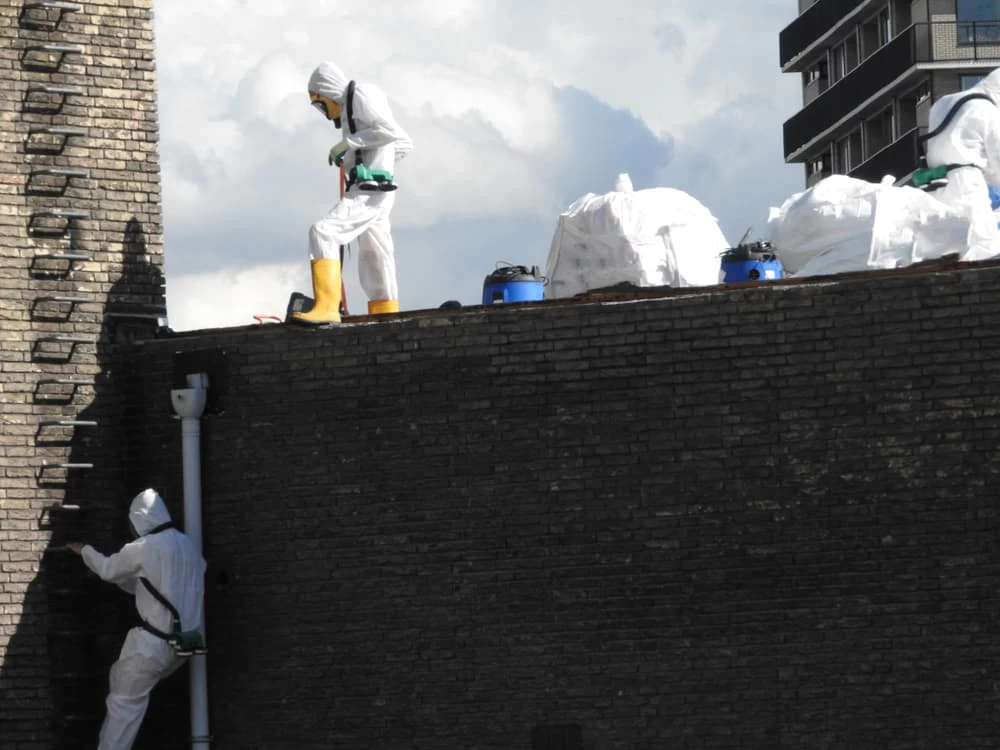
Once the scope is confirmed, we handle the permit process and prepare the work area using NYS-mandated containment: wet methods, negative air pressure, and a full decontamination setup. Nothing gets disturbed without proper containment in place. The removal itself is methodical not rushed, not guessed at. Every material type, whether it’s old floor tile, pipe insulation, attic wrap, or a popcorn ceiling, gets handled according to the specific requirements for that material.
After removal, we coordinate independent post-abatement air clearance testing. This is a third-party verification not our word, but actual data that fiber levels meet OSHA and NIOSH clearance standards before you or your contractor re-enters the space. You receive full documentation: the abatement report, clearance certificate, and any compliance records needed for your renovation permit, real estate closing, or insurance file.
What's Included When We Handle Your Abatement in Mahopac Mines
Asbestos abatement isn’t one-size-fits-all, and the older housing stock in Mahopac Mines reflects that. A 1960s ranch off Hill Street is going to look different from a 1970s split-level closer to the Route 6 corridor different materials, different locations, different scopes of work. What stays consistent is our process: licensed inspection, proper containment, compliant removal, and documented clearance every time.
The materials we most commonly encounter in homes throughout this area include vinyl floor tiles with asbestos-containing backing, pipe and boiler insulation, attic insulation wrap, popcorn ceiling texture, roofing shingles, and joint compound in walls and ceilings. Asbestos tile removal and asbestos popcorn ceiling removal are two of the most frequent jobs we see in pre-1980 Putnam County homes, and both require proper containment and disposal not scraping and bagging on your own. New York State is explicit about this: unlicensed removal creates liability for the property owner, not just the contractor.
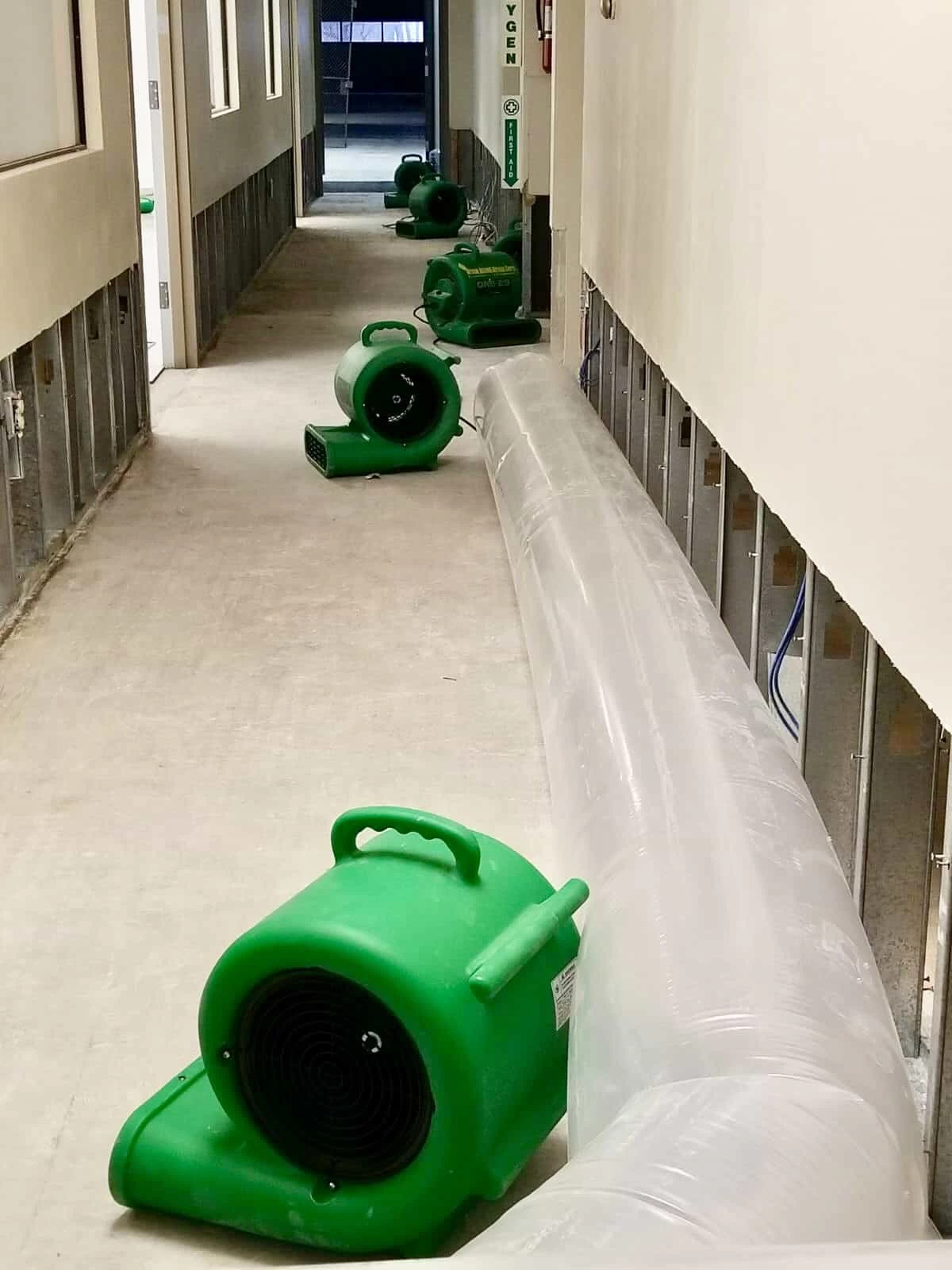
We also handle asbestos remediation following water or storm damage a real scenario in this area given Putnam County’s winters and the freeze-thaw cycles that stress older pipe systems and building envelopes. If water intrusion has disturbed or damaged suspect materials in your home, don’t wait on it. The combination of moisture and disturbed asbestos is exactly the kind of situation that needs a licensed assessment before any restoration work begins.
Does my older Mahopac Mines home actually need asbestos testing before renovation?
If your home was built before 1980, the honest answer is yes you should test before you demo anything. The residential build-out in Mahopac Mines and the broader Town of Carmel happened largely in the 1950s through the 1970s, following the opening of the Taconic State Parkway. That era of construction relied heavily on asbestos-containing materials as a standard practice, not an exception. Floor tiles, pipe insulation, ceiling texture, roofing, and wall compound all commonly contained asbestos during those decades.
New York State’s Industrial Code Rule 56 requires that asbestos be identified and properly handled before any renovation or demolition that could disturb those materials. This isn’t optional, and it applies to residential projects not just commercial ones. If you skip the testing and your contractor disturbs asbestos-containing material, you’re looking at a potential stop-work order, remediation costs, and regulatory exposure. Testing first is the move that keeps your project on track.
How much does asbestos removal typically cost for a home in Putnam County?
Nationally, asbestos removal averages around $2,239, with a range that typically runs from $462 on the low end for very limited scope work up to $6,000 or more for larger or more complex projects. In Putnam County, you should expect costs to land in the middle-to-upper end of that range. Local labor costs, NYS regulatory compliance requirements, permit fees through the Town of Carmel Building Department, and the cost of proper disposal all factor into the final number.
The scope of the job is the biggest variable. Removing a section of damaged pipe insulation in a basement is a very different project from abating asbestos floor tile throughout an entire first floor, or addressing popcorn ceilings in multiple rooms. The best way to get an accurate number is a proper inspection first not a phone estimate based on square footage alone. What looks like a small job sometimes reveals more material once the assessment is done, and you want to know that upfront, not mid-project.
What happens if water damage in my Mahopac Mines home has disturbed asbestos-containing materials?
This is one of the more urgent situations we deal with, and it’s more common in this area than people expect. Putnam County winters are hard on older homes freeze-thaw cycles stress pipe systems, ice damming causes roof leaks, and spring thaws can push water into basements. When that water contacts old floor tiles, ceiling tiles, or pipe insulation in a pre-1980 Mahopac Mines home, it can physically damage or dislodge asbestos-containing materials, which is when the risk goes from manageable to immediate.
If you’ve had a water event in an older home and you’re not sure what’s in the affected materials, don’t start pulling things out. The right first step is a licensed asbestos assessment before any restoration work begins. We’re both NYS DOL-licensed for asbestos abatement and IICRC-certified for water damage restoration, which means we can assess and address both issues without you coordinating two separate contractors in the middle of a stressful situation. Getting the right people in quickly matters both for the asbestos risk and for preventing secondary mold growth.
Do I need a permit for asbestos abatement work in the Town of Carmel?
Yes, and the permit and notification requirements depend on the scope of the project. In New York State, asbestos abatement is regulated under Industrial Code Rule 56, which sets the standards for how work must be performed, who can perform it, and what documentation is required. The NYS Department of Labor Asbestos Control Bureau oversees compliance in Putnam County through its Albany District Office, and for qualifying projects, notification to the DOL is required before work begins.
At the local level, any renovation or demolition work in Mahopac Mines requires permits through the Town of Carmel Building Department. Asbestos abatement documentation is part of that compliance picture for projects that involve structural work. If your property is near Kirk Lake or within the NYC watershed boundary, there may be additional DEP considerations layered on top of the standard permit process. We handle the permit coordination as part of the job you don’t have to navigate that yourself.
Can I sell my home in Mahopac Mines if it has asbestos?
You’re not automatically required to remove asbestos before selling a home in New York State, but in practice, it almost always becomes a transaction issue. Buyers in the Mahopac Mines market which trends toward educated, higher-income households who do their research routinely request asbestos inspections as part of the purchase process. If asbestos is found, it typically shows up as a contingency, a price negotiation, or a request for abatement before closing.
Sellers who address it proactively tend to have smoother transactions. Having a completed abatement report and post-clearance certificate in hand removes the contingency entirely and gives buyers and their lenders the documentation they need to move forward without hesitation. If you’re listing a pre-1980 home in the Mahopac Mines area, it’s worth having the conversation about testing before the home goes on the market, not after an inspection surfaces something that stalls your closing.
Is asbestos in popcorn ceilings actually dangerous, or is it only a risk during removal?
Asbestos in popcorn ceilings is largely stable when it’s undisturbed and in good condition meaning if the texture is intact and you’re not scraping, sanding, or drilling into it, the fibers aren’t being released into the air. The risk becomes real the moment that material gets disturbed. And popcorn ceilings in older Putnam County homes get disturbed more often than people think: a ceiling fan installation, a recessed light retrofit, water damage from a roof leak, or a renovation that involves opening up the ceiling above.
Popcorn ceiling texture was applied widely throughout the 1960s and 1970s, which maps almost exactly to the dominant construction era in Mahopac Mines and the surrounding hamlets. If your home has original popcorn ceilings and was built before 1980, there’s a reasonable chance they contain asbestos and the only way to know for sure is to test a sample. Asbestos popcorn ceiling removal is one of the most common jobs we handle in this area, and it’s not a DIY project. New York State requires licensed contractors for this work, and the containment requirements are strict for good reason.