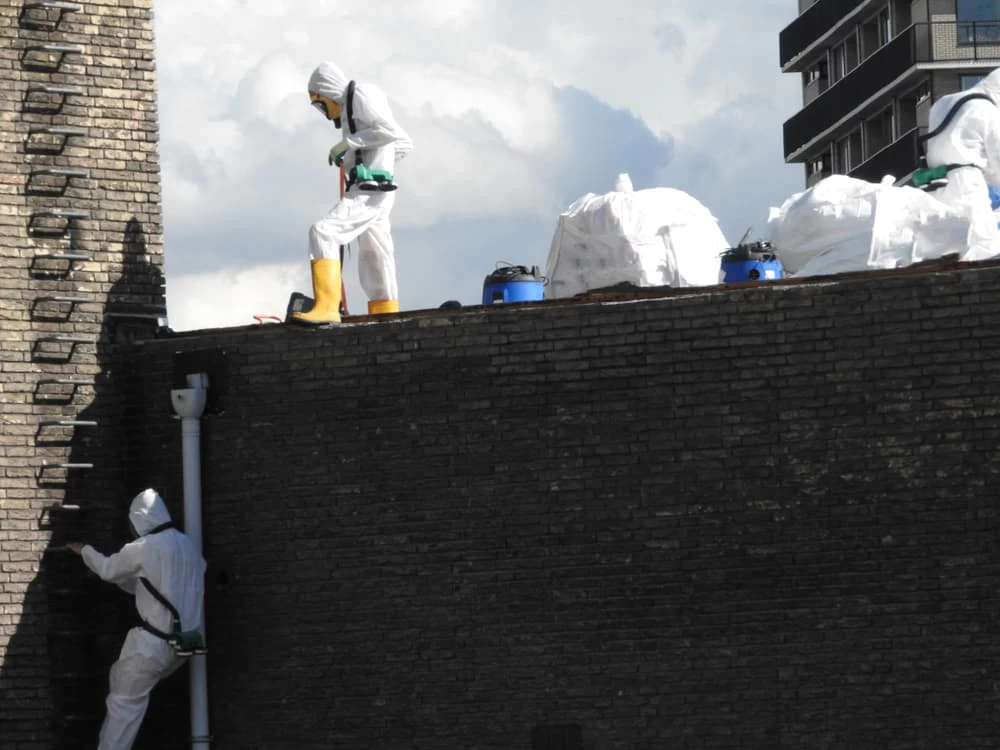
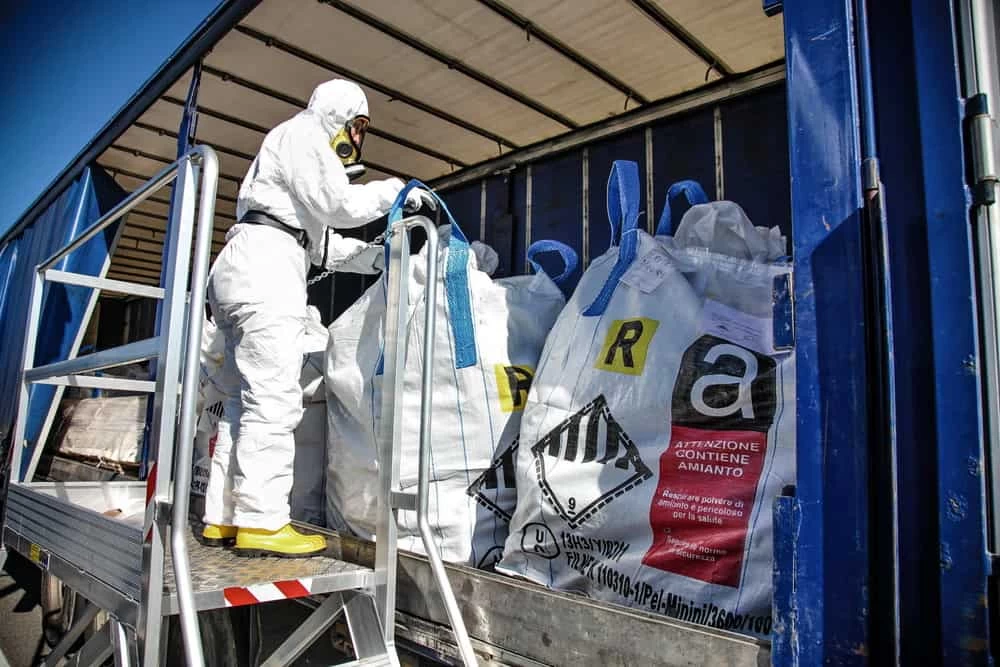
Most homes in Malba were built before 1980 and that means asbestos abatement isn’t a maybe, it’s a when. We handle it right, fully licensed, fully documented, and compliant with NYC DEP requirements from day one.
I needed a professional consultation explanation of procedure for safe removal of Asbestos in my apartment complex. Without having an account yet, I was very impressed with the caring, knowledgeable and generous advice offered by Jessica, and will look forward to doing business in the future. Thank you so much! I feel much more informed about a sometimes scary endeavor. Peace. Nancy Silva Mineola, NY.
Mia Munoz
Used this company to clean up some water flood in my house. They were fast and easy to work with.very professional, Would recommend to anyone!
Nini Valle
Great company, had a flood and they responded quickly and efficiently. Billed my insurance company directly. I highly recommend this company!
joe colapietro, jr
I had pipe freeze in my basement right before a snow storm and they made to within an hour to help start the clean up process. They we by our side throughout the entire process and even helped with the insurance company. They did such a great job with the cleanup, repair, remidiation, I contracted them to perform the repairs and finishes in the basement. They came with enough manpower and material to get the job done. Leo and Jessica were nothing but a pleasure to deal with!!
Cristian Arredondo c
I had some water damage in my home and Green Island was able to take care of my issue quickly and effectively. I am very pleased with the work they did. They responded quickly and were very professional.
Michael M
Outstanding service! From the office to the field crew everyone was friendly, helpful and responsive. I highly recommend Green Island Group.
When asbestos is handled properly, you get something most people don’t think about until it’s missing certainty. Certainty that the air in your home is clean, that your renovation can move forward, and that a future buyer’s attorney won’t find a problem where there shouldn’t be one.
In Malba, where homes regularly sell for $1.5 million and up, a properly documented asbestos abatement isn’t just a health decision it’s a financial one. The post-removal air clearance certificate we provide after every project is the same document that satisfies title companies, real estate attorneys, and lenders during a high-value sale. That piece of paper protects the transaction.
Malba’s position on Powell’s Cove also matters here. The waterfront humidity, salt air, and periodic flooding that come with living on a tidal inlet accelerate the breakdown of older building materials. Pipe insulation, floor tile adhesive, and attic materials in homes that have been sitting near that water for 50 or 70 years don’t always wait for a renovation to become a problem. When water gets in and in this neighborhood, it does what’s behind your walls becomes urgent fast.
We’re a full-service environmental remediation and restoration contractor serving all five boroughs, Long Island, and the Hudson Valley. For asbestos work specifically, that means NYS DOL licensure, NYC DEP compliance, USEPA Lead and RRP certification, and a team that handles everything from the initial inspection through post-abatement air clearance and reconstruction without handing you off to a second contractor.
For Malba homeowners, that last part matters. The neighborhood is small, the homes are high-value, and the Malba Association holds this community to a visible standard. You’re not hiring a company to quietly disappear after the job you’re hiring one that’s accountable for the full result.
We know northern Queens. We know the pre-war and mid-century housing stock that lines Malba Drive and Powell’s Cove Boulevard. We know what the NYC DEP requires before a DOB renovation permit gets issued. And we’re available 24/7 when a water intrusion event or a mid-renovation discovery doesn’t wait for a weekday morning.
No Surprises Here's Exactly What Happens in Your Home
It starts with an assessment. Before any work begins, a certified asbestos investigator surveys the materials in question and produces the documentation required by the NYC Department of Environmental Protection. In Malba which falls under NYC’s regulatory framework, not just NYS DOL rules an ACP-5 or ACP-7 form must be filed before any DOB renovation permit is issued for a pre-1987 building. We handle that filing. You don’t have to figure out what Title 15, Chapter 1 of the NYC Rules requires that’s our job.
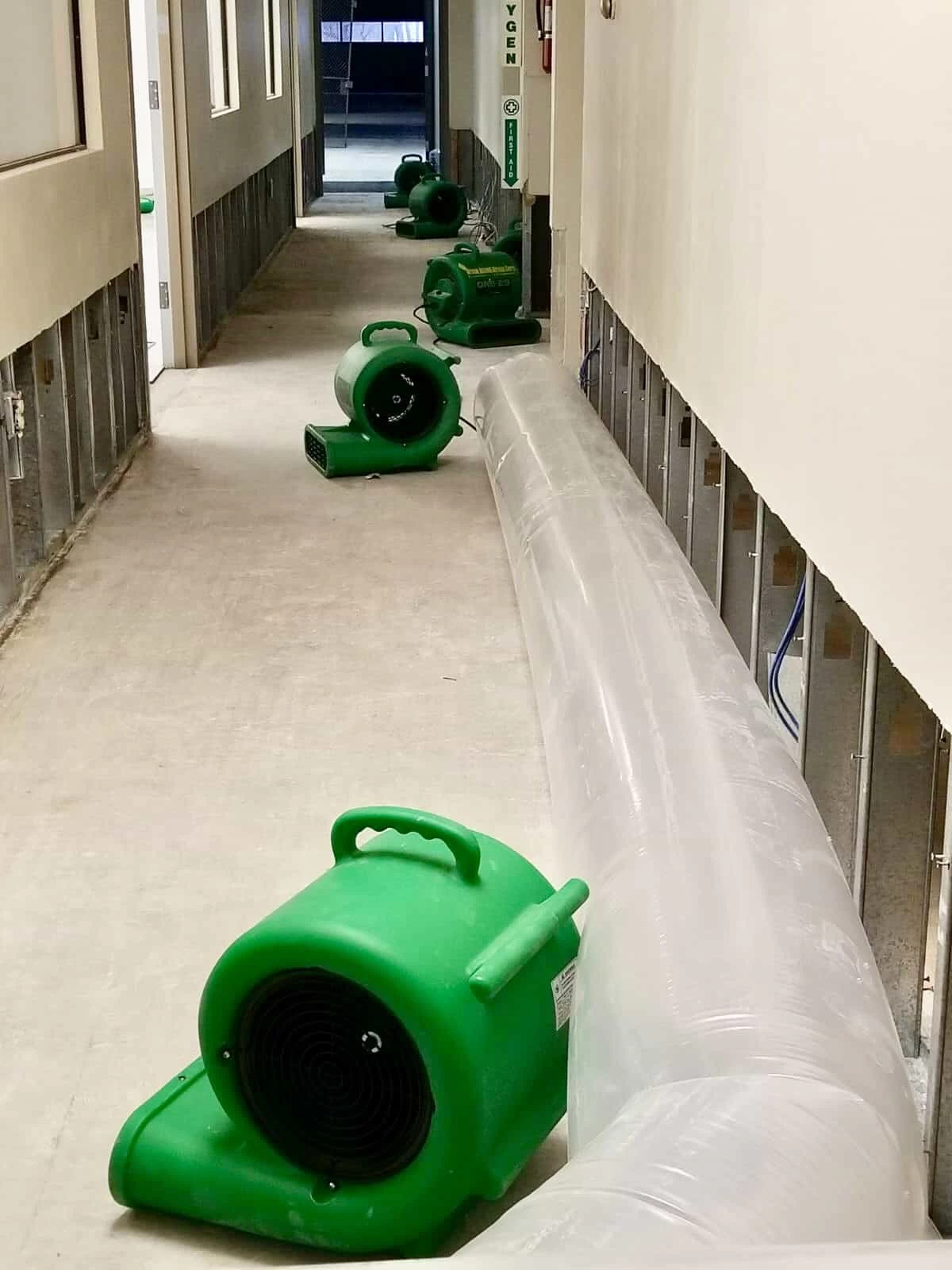
Once the assessment is complete and the DEP project filing is submitted (required at least seven days before abatement begins), the physical work starts. The affected area is contained with negative air pressure and Microtrap air scrubbers running throughout the project. Materials are removed by our licensed team, bagged, and disposed of according to New York State requirements. Nothing gets cut short because it’s inconvenient.
After removal, post-abatement air clearance testing is conducted before the space is reoccupied. That’s not optional it’s a regulatory requirement, and it’s also the only real proof the job was done correctly. You receive a clearance certificate at the end. If reconstruction is needed new flooring, ceiling repair, pipe replacement our general contracting license covers that too, so one company sees the project through from start to finish.
Every Malba Project Gets the Full Scope Not a Shortcut
The most common asbestos-containing materials we find in Malba homes reflect the neighborhood’s construction era the 1940s through the 1960s, when asbestos was standard in floor tiles, pipe and boiler insulation, popcorn ceiling texture, drywall joint compound, roofing materials, and HVAC duct wrapping. The 9-inch-by-9-inch vinyl floor tile is one of the most frequent finds in homes from this period, and the black mastic adhesive underneath it often contains asbestos even when the tile itself doesn’t. Asbestos tile removal in a Malba mid-century home isn’t a quick pull-and-go it requires proper containment, licensed disposal, and air verification before anyone walks back into that room.
Asbestos popcorn ceiling removal follows the same standard. If the texture was applied before 1980 which covers most of Malba’s housing stock it likely contains chrysotile asbestos. Scraping it without containment releases fibers that are invisible and odorless, and the damage to lung tissue is permanent. We set up full containment, run air scrubbers throughout the removal, and test the air after. That’s the process every time, regardless of project size.
Because many Malba homes were also built before 1978, lead paint and asbestos frequently co-exist in the same property. Our USEPA Lead and RRP certification means both hazards can be addressed under one contract, one inspection, and one set of regulatory filings which simplifies the process considerably when you’re managing a renovation on a home that’s been in a family for decades.
Do I need an asbestos inspection before renovating my Malba home?
If your home was built before 1987, the answer in New York City is effectively yes and most of Malba qualifies. Under NYC DEP rules, any renovation or demolition project in a pre-1987 building that disturbs building materials requires an asbestos assessment before the Department of Buildings will issue a permit. That assessment is submitted as either an ACP-5 form (no asbestos-containing materials found) or an ACP-7 form (abatement required). Skipping this step doesn’t just create a health risk it creates a permit problem that can halt your renovation entirely.
Given that Malba’s median construction year is 1957 and a significant portion of homes were built before 1940, the odds of encountering asbestos-containing materials during a renovation are high. Floor tiles, pipe insulation, ceiling texture, and joint compound were all routinely manufactured with asbestos during the decades when most of Malba’s housing stock was built. Getting the inspection done before you start protects your timeline, your contractor relationships, and your renovation budget from a mid-project disruption.
What does asbestos abatement typically cost for a Queens home?
Cost depends on the scope what materials are involved, how much square footage is affected, and what the post-abatement reconstruction looks like. For a focused project like asbestos tile removal in a single room or popcorn ceiling abatement in one area, costs typically start in the range of $1,500 to $3,500. Larger projects involving pipe insulation, multiple rooms, or materials in mechanical spaces can run $5,000 to $15,000 or more depending on complexity.
In Malba specifically, where homes are large, custom-built, and often have substantial mechanical rooms and basement spaces with decades-old pipe insulation, it’s worth budgeting for a thorough assessment before assuming scope. The cost of abatement is a small fraction of what a Malba home is worth and far less than the cost of a delayed real estate closing, a failed DOB inspection, or a compliance issue that surfaces during a multi-million-dollar sale. We provide clear estimates before any work begins so there are no surprises.
How does NYC DEP asbestos regulation affect my Malba renovation project?
Malba is in Queens, which means it falls under New York City’s regulatory framework and that’s meaningfully different from working in a suburban town outside the five boroughs. The NYC DEP Asbestos Control Program requires that a Certified Asbestos Investigator conduct a survey of any pre-1987 building before renovation work begins. The results of that survey determine whether an ACP-5 or ACP-7 form gets submitted to the DOB. Without that submission, the DOB won’t issue a renovation permit. And once abatement is required, the DEP project filing must be submitted at least seven days before work starts.
New amendments to NYC’s asbestos control program rules took effect on February 14, 2025, clarifying on-site presence requirements, variance procedures, and ARTS e-filing protocols. A contractor who isn’t current on those changes can inadvertently create compliance issues that delay your project or expose you to fines. We operate under the current rules and handle all filings as part of the project so the regulatory side doesn’t become your problem to manage.
Can I sell my Malba home if asbestos was found during the inspection?
Yes but the path forward matters a lot. A pre-sale inspection that identifies asbestos-containing materials doesn’t have to kill a transaction, but it does create a timeline and a documentation requirement. The buyer’s attorney and lender will want to see that the abatement was completed by a licensed contractor, filed properly with the NYC DEP, and verified with a post-removal air clearance certificate. Without that documentation, the sale stalls.
In Malba’s market where homes have been trading at $1.5 million and above, and where the median sale price rose nearly 25% year-over-year heading into 2025 the stakes of a delayed or derailed closing are significant. The good news is that properly handled abatement with complete documentation actually strengthens a sale. It removes the uncertainty, satisfies due diligence, and gives the buyer’s team nothing to negotiate against. We provide the full documentation package at project completion specifically because Malba homeowners need it to close.
What happens if water damage in my Malba home exposes asbestos materials?
This is one of the more urgent scenarios we handle, and it’s more common in Malba than most homeowners expect. The neighborhood’s waterfront position on Powell’s Cove means that water intrusion from storm surge, heavy rainfall, or aging pipe failures in older mechanical systems is a real and recurring risk. When water reaches basement spaces or mechanical rooms in a pre-1960 home, it often disturbs pipe insulation, floor tile adhesive, or other materials that contain asbestos. Once those materials are wet and deteriorating, they can release fibers without anyone touching them.
When this happens, the area needs to be isolated immediately no HVAC running, no foot traffic through the space, no attempts to clean up the water without first addressing what’s in it. We operate 24/7 for exactly this reason. We can respond, assess, contain, and begin the abatement process as an emergency, and because we also handle water damage restoration, we can address both problems under one project rather than requiring you to coordinate two separate contractors while your home is in a disrupted state.
Is asbestos in popcorn ceilings actually dangerous in an older Malba home?
It depends on the condition of the material and whether it’s being disturbed. Asbestos-containing popcorn ceiling texture that’s fully intact and undisturbed poses a lower immediate risk than material that’s crumbling, peeling, or about to be scraped during a renovation. The problem is that most Malba homeowners encounter it in the second scenario they’re updating an older home and want the ceiling gone, or the texture has started to deteriorate on its own in a home that’s been through decades of humidity cycles near the water.
The real danger is DIY removal. Scraping or sanding popcorn ceiling texture without proper containment releases chrysotile asbestos fibers into the air. Those fibers are invisible, odorless, and don’t settle they circulate through the home’s air system and embed in lung tissue over time. Mesothelioma and asbestosis are the long-term results of repeated exposure. For a Malba home built in the 1950s or 1960s, the ceiling texture almost certainly predates the 1978 EPA guidelines that began phasing asbestos out of consumer building products. If you’re not sure whether your ceiling contains asbestos, testing before any disturbance is the right first step and it’s a straightforward process.